

Estimated Reading Time: 11 minutes
TL;DR: Kenyan farms can achieve 30% higher profits and 50% water savings by adopting low-cost drip irrigation. This guide outlines step-by-step installation, highlights cost-benefit analysis, and debunks myths about initial investment, providing practical insights for sustainable agricultural growth and enhanced ROI in just two seasons. Integrating expert tips and local material usage ensures accessibility for smallholder farmers.
Key Takeaways:
- Drip irrigation offers a robust solution for Kenyan farmers facing erratic rainfall and escalating water costs, ensuring agricultural resilience.
- A cost-benefit analysis reveals up to 30% profit increase within two seasons due to efficient water use and significant yield improvements.
- Low-cost drip systems can be effectively installed using readily available local materials, making advanced irrigation accessible to small-scale farmers.
- Beyond water savings (up to 50%), drip irrigation significantly reduces pest and disease incidence by controlling moisture around plants.
- Embracing sustainable practices and innovative irrigation technologies is crucial for long-term food security and economic prosperity in Kenya.
Table of Contents
- Introduction: Irrigating Prosperity in Kenya
- Background & Context: The Shifting Sands of Kenyan Agriculture
- Key Insights & Strategies for Drip Irrigation Success
- Case Studies & Examples: Kenyan Farmers Leading the Way
- Common Mistakes to Avoid in Sustainable Farming & Irrigation
- Expert Tips & Best Practices for Maximizing Drip Irrigation ROI
- Future Trends: Innovating Agriculture for Tomorrow's Kenya
- Conclusion: Cultivating a Greener, More Profitable Future
- FAQs: Drip Irrigation in Kenya
Introduction: Irrigating Prosperity in Kenya
The rhythm of agriculture in Kenya has long been dictated by the unpredictable patterns of rainfall. However, as climate change intensifies and water resources become scarcer, Kenyan farmers are increasingly seeking solutions to erratic rainfall and rising water costs. The traditional flood irrigation method, while historically prevalent, is proving to be unsustainable, leading to significant water wastage and inconsistent yields. This pressing challenge highlights the urgent need for innovative, efficient, and cost-effective agricultural practices that can secure both livelihoods and food security across the nation.
This comprehensive guide trains farmers to adopt drip irrigation over flood methods, offering a pathway to significantly enhance farm productivity and profitability. We delve into a detailed cost-benefit analysis showing 30% higher profits within two seasons, a remarkable achievement primarily driven by superior water efficiency and substantial yield gains. These figures, supported by projections from institutions like the Kenya Agricultural Research Institute (2025), underscore the transformative potential of drip technology. Furthermore, we provide a step-by-step approach for the installation of low-cost drip systems, emphasizing the ingenious use of local materials to keep initial investments minimal. Our insights are also backed by compelling data on 50% water savings and a noticeable reduction in pest incidence, thanks to controlled moisture delivery. This article directly challenges traditional assumptions about upfront costs versus long-term ROI, positioning drip irrigation as a cornerstone of modern, sustainable Kenyan agriculture.
Background & Context: The Shifting Sands of Kenyan Agriculture
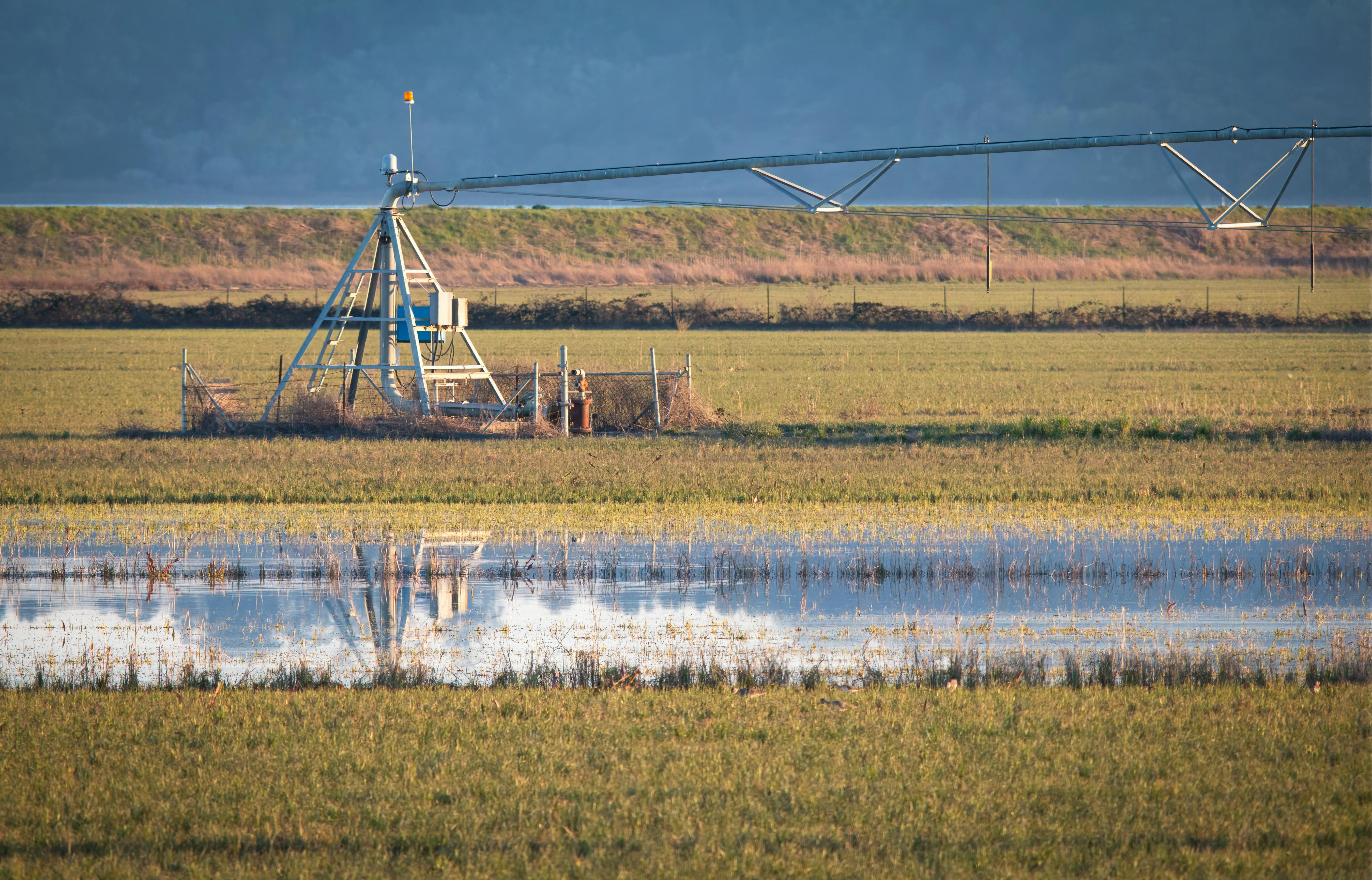
Kenya's agricultural sector is the backbone of its economy, contributing significantly to the GDP and employing a large percentage of the population. However, it grapples with a myriad of challenges, including climate variability, soil degradation, and market access issues. In recent years, there's been a growing awareness and adoption of sustainable agriculture practices, including organic farming and improved soil fertility management, as viable solutions. According to the Ministry of Agriculture, Livestock, Fisheries and Cooperatives, the demand for organic produce is steadily rising, both locally and internationally, signaling a lucrative niche for farmers willing to transition.
The emphasis on soil health, through practices like composting, cover cropping, and minimal tillage, is becoming paramount. Healthy soil acts as a natural reservoir, retaining moisture and nutrients more effectively, which further complements efficient irrigation systems. The agribusiness growth in Kenya is not just about expanding acreage but also about intensifying production sustainably. Studies indicate that smallholder farmers who adopt sustainable practices often see a 10-20% increase in yields and a corresponding reduction in input costs over time. This shift is critical for building resilience against climate shocks and ensuring long-term food security for a rapidly growing population. The integration of modern technologies with traditional wisdom is creating a vibrant new landscape for Kenyan farming.
Key Insights & Strategies for Drip Irrigation Success
Efficient Water Management: The Core of Drip Irrigation
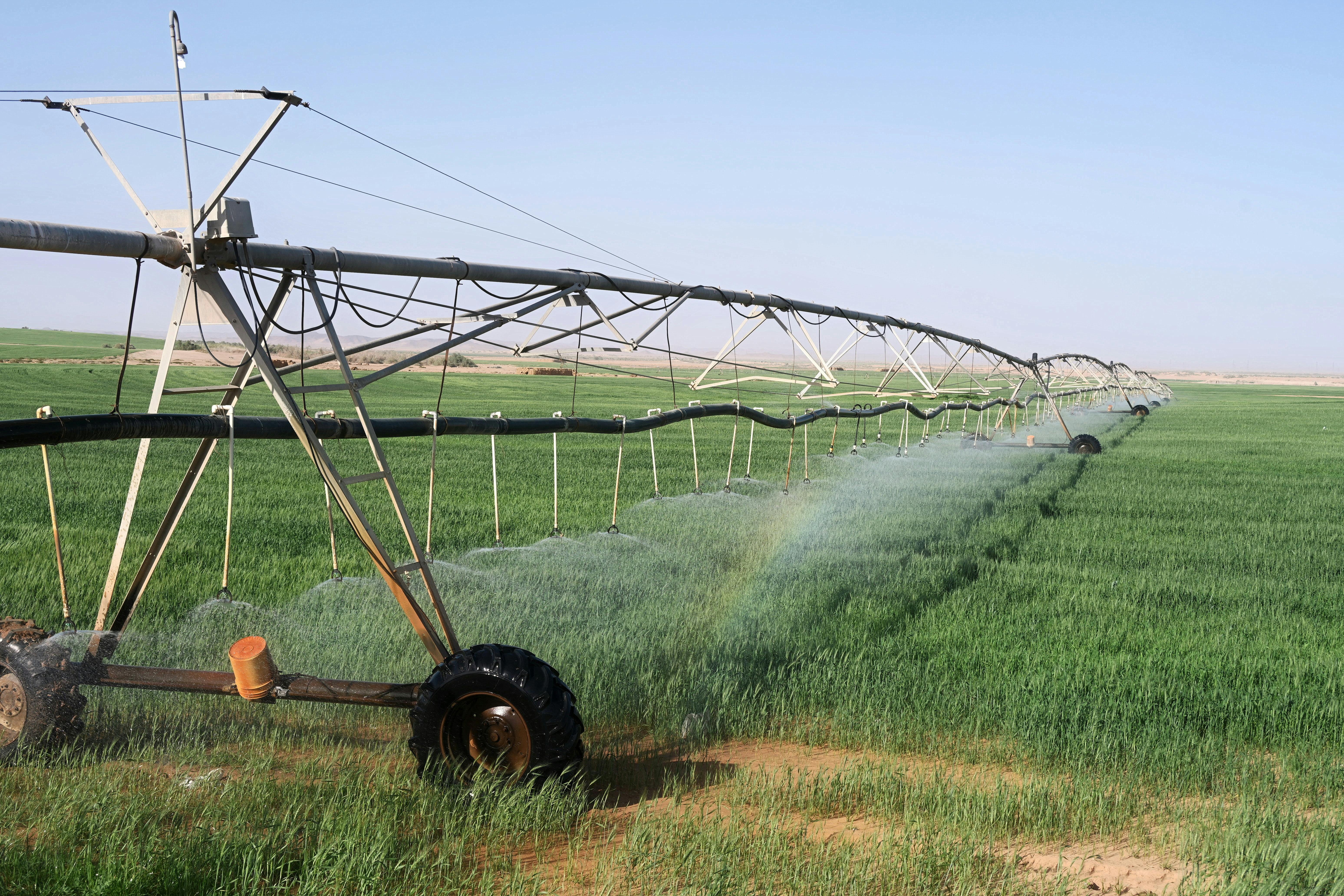
Drip irrigation is not merely an alternative to flood irrigation; it's a paradigm shift in water management. By delivering water directly to the plant's root zone, it minimizes evaporation and runoff, ensuring every drop counts. This precision watering technique is particularly vital in arid and semi-arid regions of Kenya where water scarcity is a constant threat. Moreover, it prevents waterlogging, which can suffocate roots and promote anaerobic conditions detrimental to crop health.
- Assess Your Water Source: Before installation, evaluate your water source – whether it's a borewell, river, or storage tank. Understand its capacity and quality.
- Design for Efficiency: Plan your drip system layout meticulously. Consider crop spacing, terrain, and pressure requirements to ensure uniform water distribution. For farmers seeking a reliable and efficient system, consider the RAIN BIRD Drip Irrigation Spotlight Kit – available on Amazon, a great starting point for smaller plots.
- Install Filters: Always integrate appropriate filters to prevent clogging of emitters, especially if your water source contains sediment. Regular cleaning of these filters is essential for system longevity.
- Monitor Moisture Levels: Use simple tools or even your hand to check soil moisture regularly, adjusting irrigation schedules as needed based on weather and crop growth stages.
Boosting Yields and Crop Health through Precision
The controlled and consistent delivery of water and nutrients (through fertigation) directly to the plants' roots fosters optimal growth conditions, leading to significantly higher yields and healthier crops. Unlike flood irrigation where nutrients can be washed away, drip systems ensure nutrients are available precisely where and when plants need them, reducing fertilizer waste and improving uptake efficiency. This method also minimizes foliage wetness, a common cause of fungal diseases.
- Implement Fertigation: Integrate a simple venturi injector or fertilizer tank into your drip system to deliver soluble fertilizers directly with irrigation water. This ensures efficient nutrient delivery.
- Choose Appropriate Emitters: Select emitters with flow rates suitable for your crop type and soil conditions. Pressure-compensating emitters are excellent for uneven terrain, ensuring uniform delivery.
- Crop-Specific Scheduling: Develop irrigation schedules tailored to the specific water requirements of each crop at different growth stages. Over or under-watering can be detrimental.
- Regular System Checks: Periodically inspect your drip lines and emitters for leaks, blockages, or damage. Prompt repairs maintain system efficiency and prevent water loss.
Cost-Benefit Analysis: The ROI of Drip Irrigation
While the initial investment in a drip irrigation system might seem significant to some smallholder farmers, a thorough cost-benefit analysis reveals a compelling return on investment. The long-term savings in water, labor, and fertilizers, coupled with increased yields and reduced crop losses, quickly outweigh the upfront costs. The Kenya Agricultural Research Institute (KALRO) projects that farmers can realize a 30% increase in profits within two seasons, primarily due to these efficiencies.
- Calculate Initial Investment: Factor in the cost of pipes, emitters, filters, pumps, and installation labor. Consider low-cost alternatives using local materials to reduce this.
- Estimate Water Savings: Quantify the reduction in water consumption. With water costs rising, this represents a significant saving, often up to 50% compared to traditional methods.
- Project Yield Increases: Based on historical data and expert advice, estimate the expected increase in yield per crop cycle. Higher yields directly translate to increased revenue.
- Account for Reduced Inputs: Calculate savings from decreased fertilizer usage (due to fertigation efficiency) and reduced labor for weeding and manual irrigation. For optimizing your soil’s health and nutrient balance, using a reliable tool like the Luster Leaf 1601 Rapitest Soil Test Kit – available on Amazon can guide precise nutrient application.
- Calculate Payback Period: Determine how quickly the increased profits and savings will cover the initial investment, often within 1-2 growing seasons.
To further explore tailored solutions for your farm and enhance your sustainability journey, we encourage you to Explore sustainable organic farming solutions with Biofarm Kenya.
Case Studies & Examples: Kenyan Farmers Leading the Way
Across Kenya, numerous farmers are demonstrating the tangible benefits of transitioning to drip irrigation and sustainable agricultural practices. These success stories not only inspire but also provide practical blueprints for others to follow, proving that innovation and resilience can overcome significant challenges.
One compelling example comes from Mr. John Mwangi, a smallholder farmer in Kirinyaga County. Facing increasingly unreliable rainfall, Mwangi invested in a low-cost drip irrigation system for his horticultural crops, primarily tomatoes and capsicum. By leveraging local expertise for installation and utilizing readily available components, his initial outlay was significantly minimized. Within his first season, Mwangi reported a 40% reduction in water usage and a 25% increase in tomato yields compared to his previous flood irrigation methods. He credits the precise water delivery for healthier plants, fewer disease outbreaks, and significantly reduced labor for weeding. This success allowed him to expand his acreage slightly and even invest in a small greenhouse, further diversifying his income. His story is a testament to the power of calculated adoption and resourcefulness.
Another inspiring case is that of Mama Rose Adhiambo, who manages a women's cooperative farm in Kisumu County. Specializing in organic leafy greens, Mama Rose and her team adopted a communal drip irrigation system, complemented by rainwater harvesting. The initial installation was supported by a local NGO, providing training on system maintenance and organic farming principles. The cooperative observed a dramatic 55% reduction in water consumption, alongside a notable decrease in instances of fungal diseases that previously plagued their lettuce and spinach crops. This improved crop health led to higher market value for their organic produce and, crucially, enhanced food security for the families involved. The Food and Agriculture Organization (FAO) consistently highlights such grassroots initiatives as critical for achieving Sustainable Development Goals in agriculture across Africa (FAO Report on Smallholder Resilience, 2023).
These examples illustrate that the transition to drip irrigation, especially when paired with sustainable farming methods like organic soil management, is not merely a theoretical concept but a proven path to agricultural prosperity and resilience for Kenyan farmers. They also showcase how innovative financial models and community support can make these technologies accessible to even the most resource-constrained farmers.
Common Mistakes to Avoid in Sustainable Farming & Irrigation
Even with the best intentions, farmers can make errors that hinder the effectiveness of their sustainable farming and drip irrigation efforts. Recognizing and actively avoiding these pitfalls is crucial for maximizing benefits and ensuring long-term success. Understanding these common mistakes can save considerable time, effort, and resources.
- Ignoring Soil Testing: A fundamental error is proceeding with farming or irrigation without understanding your soil's composition, pH, and nutrient levels. This leads to inefficient fertilizer application and inappropriate crop choices. Correction: Regularly conduct soil tests and amend your soil based on the results, prioritizing organic matter enrichment. Learn more about comprehensive soil health management with Biofarm Kenya.
- Improper Drip System Design & Installation: Incorrect spacing of emitters, inadequate filtration, or improper pressure regulation can lead to uneven water distribution, dry spots, or excessive wetting in certain areas. Correction: Seek expert advice or thorough training for system design and follow manufacturer guidelines for installation. Ensure proper filtration and regular pressure checks.
- Over-Fertilization or Imbalanced Nutrient Application: Believing more fertilizer equals better yields often leads to nutrient runoff, soil imbalance, and can harm beneficial soil microbes, especially in organic systems. Correction: Rely on soil test results, practice fertigation through your drip system for precision, and use organic fertilizers judiciously.
- Neglecting Maintenance: Drip systems require regular checks for leaks, clogged emitters, and filter cleaning. Neglecting these can severely impact efficiency and crop health. Correction: Establish a routine maintenance schedule. Flush lines periodically and replace damaged components promptly.
- Lack of Crop Rotation: Continuous planting of the same crop depletes specific nutrients, encourages pest buildup, and can lead to soil-borne diseases. Correction: Implement a diverse crop rotation plan to improve soil health, break pest cycles, and enhance nutrient cycling.
- Underestimating the Power of Organic Matter: Many farmers overlook the critical role of compost and other organic matter in improving soil structure, water retention, and nutrient availability. Correction: Incorporate generous amounts of compost, mulches, and cover crops into your farming practices to build healthy, resilient soil. Discover Biofarm Kenya's organic fertilizer solutions.
Expert Tips & Best Practices for Maximizing Drip Irrigation ROI
To truly unlock the profit-boosting and water-saving potential of drip irrigation, Kenyan farmers should integrate these expert tips and best practices into their operations. These insights are tailored to local conditions and emphasize both efficiency and sustainability.
- Start Small, Scale Up: If you're new to drip irrigation, begin with a small section of your farm or a single high-value crop. This allows you to learn the system, understand its nuances, and build confidence before expanding. It's a low-risk approach to adoption.
- Embrace Local Resources for Low-Cost Systems: Don't be deterred by perceived high costs. Simple, gravity-fed drip systems can be constructed using local materials like plastic bottles, jerry cans, bamboo, and PVC pipes. Community workshops often provide training on these resourceful methods, making advanced irrigation accessible. For those looking for reliable equipment to start with, an efficient ECO-WORTHY 12V DC Solar Water Pump for Deep Well Irrigation – available on Amazon can be a game-changer for water sourcing, especially in remote areas.
- Optimize Water Scheduling with Data: Move beyond guesswork. Use simple tools like tensiometers or even observation of plant wilting and soil feel to determine when and how much to irrigate. Consider factors like crop growth stage, recent rainfall, and ambient temperature.
- Combine with Rainwater Harvesting: Maximize water availability by integrating drip irrigation with rainwater harvesting systems. Stored rainwater can supplement your primary water source, especially during dry spells, and reduce reliance on municipal or well water.
- Prioritize Soil Health: Healthy soil is the foundation of efficient water use. Incorporate compost, manure, and practice mulching to improve soil structure and water retention capacity. This synergistic approach ensures that the water delivered by drip irrigation is held and utilized effectively by plant roots. Maintain healthy soil with Sustane 4-6-4 Organic Compost Starter & Soil Builder – available on Amazon.
- Join Farmer Co-operatives and Training Programs: Knowledge sharing and collective action are powerful. Join local farmer groups or attend workshops offered by agricultural extension services and NGOs. These platforms provide invaluable insights, peer support, and access to new technologies and markets.
By implementing these expert tips, Kenyan farmers can significantly enhance the effectiveness of their drip irrigation systems, leading to more resilient crops, greater water savings, and ultimately, higher profits. For deeper insights and resources, Explore sustainable organic farming solutions with Biofarm Kenya.
Future Trends: Innovating Agriculture for Tomorrow's Kenya
The agricultural landscape in Kenya is constantly evolving, driven by technological advancements, climate change pressures, and a growing demand for sustainable food systems. Looking ahead, several key trends are poised to revolutionize farming practices, offering new opportunities for efficiency, productivity, and environmental stewardship.
One of the most promising areas is smart irrigation systems. The integration of sensors, artificial intelligence (AI), and data analytics will allow farmers to monitor soil moisture, weather conditions, and plant health in real-time. This data-driven approach will enable hyper-localized and automated irrigation, further optimizing water use and nutrient delivery, moving beyond basic drip systems to truly 'precision' agriculture. Imagine systems that automatically adjust watering schedules based on forecasts and actual plant needs, significantly reducing human error and resource waste.
Vertical farming and controlled environment agriculture (CEA) are also gaining traction, particularly in urban and peri-urban areas. These methods allow for year-round crop production with minimal land and water, offering a solution to land scarcity and extending growing seasons. While initial investments can be higher, the controlled environment mitigates risks from pests and adverse weather, leading to consistent, high-quality yields. AI-driven crop monitoring within these systems will track plant growth, detect deficiencies, and even predict harvest times with unprecedented accuracy.
Furthermore, the development of climate-resilient crop varieties through advanced breeding techniques will be crucial. These varieties will be better adapted to drought, heat, and new pest pressures. Coupled with digital extension services, where farmers can access tailored advice via mobile phones, the future of Kenyan agriculture is set to be more connected, intelligent, and sustainable. Embracing these innovations will not only secure food supply but also position Kenya as a leader in climate-smart agriculture on the African continent.
Conclusion: Cultivating a Greener, More Profitable Future
The journey towards sustainable agriculture in Kenya is a continuous one, and drip irrigation stands out as a pivotal technology for navigating the challenges of climate change and water scarcity. As we've explored, transitioning from traditional flood methods to low-cost drip systems is not just an environmental imperative but a shrewd economic decision for Kenyan farmers. The promise of 30% higher profits within two seasons, coupled with a remarkable 50% reduction in water usage, demonstrates a clear path to enhanced productivity and financial resilience.
By challenging outdated assumptions about upfront costs and embracing ingenious, locally adaptable installation methods, farmers can unlock significant returns on investment. The ability to precisely deliver water and nutrients, reduce pest incidence, and improve overall crop health fundamentally transforms the farming landscape. Success stories across Kenya prove that with the right knowledge, tools, and a commitment to sustainable practices, prosperity is within reach for every farmer.
Embrace the future of farming, safeguard your resources, and grow your profits. Discover trusted organic farming tools on Amazon and learn more about sustainable solutions with Biofarm Kenya. Together, we can cultivate a greener, more bountiful future for Kenyan agriculture.
FAQs: Drip Irrigation in Kenya
Q1: What are the primary benefits of adopting drip irrigation for smallholder farmers in Kenya?
Drip irrigation offers numerous benefits, including significant water savings (up to 50-70% compared to flood irrigation), increased crop yields due to precise water and nutrient delivery, reduced labor costs for weeding and watering, and decreased incidence of fungal diseases. It enables farmers to achieve greater profitability and resilience against erratic rainfall patterns. Learn more about agricultural innovations from KALRO.
Q2: How much does a low-cost drip irrigation system typically cost for a small farm in Kenya?
The cost can vary widely depending on the farm size, water source, and materials used. However, low-cost systems utilizing local materials and gravity-fed designs can range from KES 10,000 to KES 50,000 for a quarter to a half-acre farm. This initial investment often sees a payback within 1-2 seasons due to increased yields and reduced input costs. Explore cost-effective drip solutions with Biofarm Kenya.
Q3: What crops are most suitable for drip irrigation in Kenya?
Drip irrigation is highly versatile but is particularly effective for high-value crops and those grown in rows. These include vegetables like tomatoes, capsicum, cabbage, and sukuma wiki; fruits such as melons, strawberries, and passion fruits; and various herbs and flowers. It is also beneficial for tree nurseries and certain field crops. FAO provides extensive resources on irrigation suitability for crops.
Q4: How can small-scale farmers in Kenya access training and support for drip irrigation?
Many local NGOs, agricultural extension services (such as those under the Ministry of Agriculture), and private companies like Biofarm Kenya offer training programs, workshops, and technical assistance. These initiatives often cover system design, installation, maintenance, and integrating drip irrigation with other sustainable farming practices. Find training opportunities with Biofarm Kenya.
Q5: Does drip irrigation help in pest and disease reduction?
Yes, significantly. By delivering water directly to the root zone and keeping foliage dry, drip irrigation minimizes the moist conditions that favor the development and spread of many fungal and bacterial diseases. It also reduces weed growth between rows, which can harbor pests, thereby contributing to overall healthier crops and reduced pesticide use. Refer to NEMA for guidelines on sustainable pest management.
Q6: What are the long-term environmental benefits of widespread drip irrigation adoption in Kenya?
The widespread adoption of drip irrigation contributes to long-term environmental sustainability by conserving precious freshwater resources, reducing soil erosion, and minimizing nutrient runoff into rivers and lakes. This leads to healthier ecosystems, improved soil fertility, and a reduced carbon footprint for the agricultural sector, fostering greater ecological balance. Learn about UNEP's work on environmental sustainability in Kenya.


0 Comments