

Estimated Reading Time: 10 minutes
TL;DR:
Kenyan farmers can significantly boost profitability by moving beyond generic farming to adopt soil-specific nutrient management. This involves initial lab-tested soil analysis, strategic use of targeted synthetic fertilizers for immediate nutrient replenishment, and consistent integration of organic matter for long-term soil health. This balanced approach, validated by KALRO trials, challenges organic-only doctrines, ensuring higher yields and sustainable farm futures.
Key Takeaways:
Table of Contents
Introduction
In the vibrant heart of East Africa, Kenyan farmers increasingly seek profitability amid rising input costs. The agricultural landscape is dynamic, presenting both challenges and immense opportunities for those willing to adapt and innovate. While the global conversation often champions organic-only farming, this guide challenges that narrative, emphasizing a more nuanced and scientific approach: soil-specific nutrient management.
For too long, general advice has overlooked the unique and often depleted conditions of Kenyan soils. This article will delve into actionable strategies for enhancing farm profitability by advocating a balanced approach to soil health. We'll explore why understanding your soil's precise needs, rather than applying a one-size-fits-all solution, is the bedrock of sustainable and profitable farming in Kenya.
Our focus is clear: to equip farmers with the knowledge to thrive. This includes three key steps: 1) conducting lab-tested soil analysis to identify precise nutrient gaps; 2) using targeted synthetic fertilizers for immediate yield gains in depleted soils; and 3) blending with organic matter for long-term soil health. This contrarian angle is crucial, as over-reliance on organic inputs alone risks nutrient imbalances in already-deficient soils, potentially undermining profitability and sustainability.
Background & Context
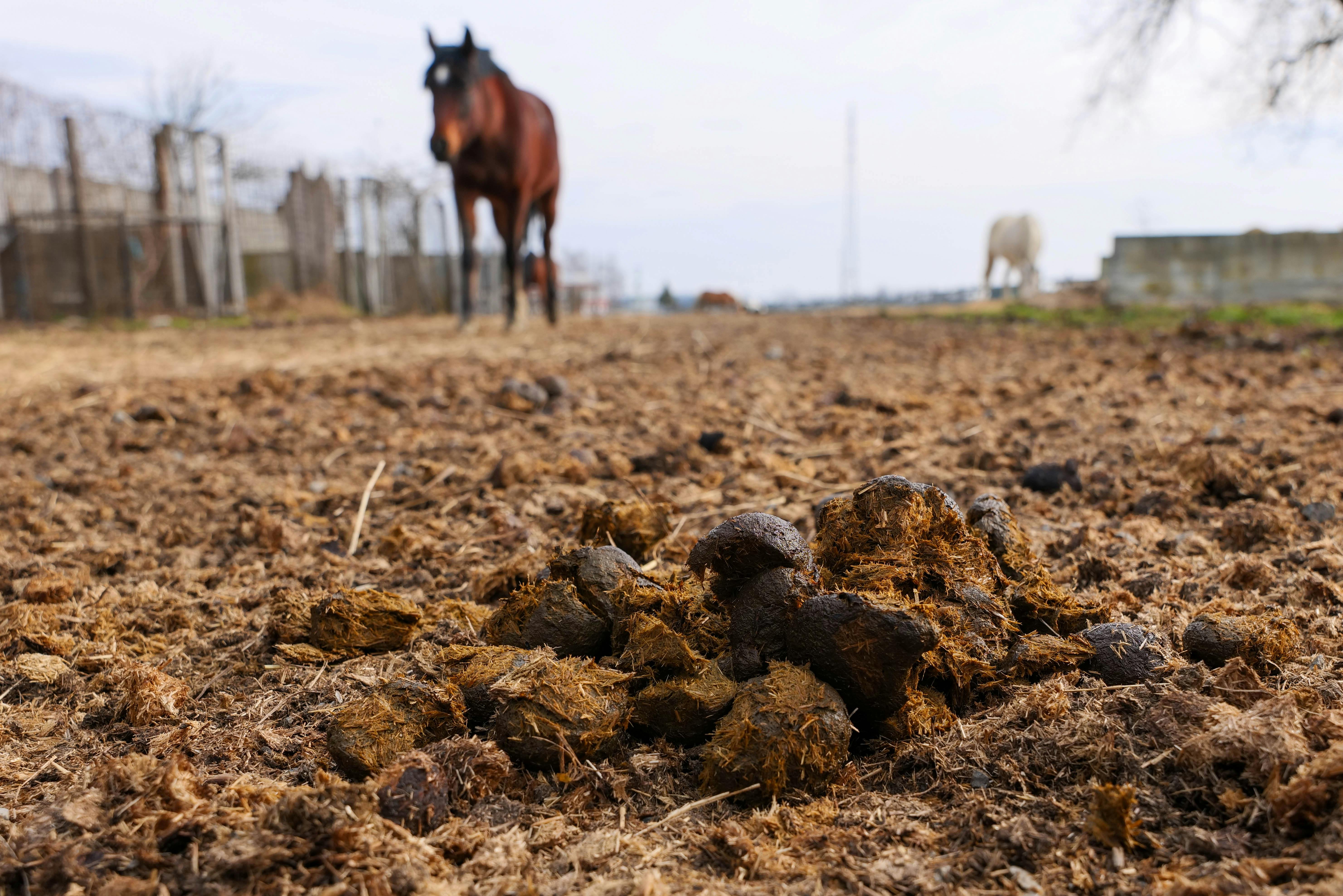
Kenya's agricultural sector is the backbone of its economy, contributing significantly to the GDP and employing a large portion of the population. However, farmers face escalating challenges, from unpredictable weather patterns to the rising cost of traditional farm inputs. Over time, continuous cultivation without proper replenishment has led to widespread soil degradation, characterized by nutrient depletion and acidity.
Organic farming in Kenya has gained significant momentum, celebrated for its environmental benefits and promotion of biodiversity. Practices like crop rotation, composting, and the use of organic fertilizers are increasingly adopted. Yet, the reality on many smallholder farms is that soils are severely deficient in key macronutrients (Nitrogen, Phosphorus, Potassium) and micronutrients. While organic matter is vital for soil structure and microbial life, it often releases nutrients slowly and may not provide the immediate, high concentrations required for optimal crop growth in heavily depleted soils.
Research from institutions like the Kenya Agricultural and Livestock Research Organization (KALRO) highlights the complexities. Recent trials, such as those conducted in 2024, have demonstrated that targeted synthetic fertilizers, when applied based on soil analysis, can lead to up to 30% higher maize yields compared to organic-only plots in certain conditions. This doesn't negate the value of organic practices but rather underscores the need for a balanced, context-specific strategy. Sustainable agriculture in Kenya, therefore, must blend the best of both worlds: precision nutrient application with robust organic matter management to achieve both high yields and long-term soil health.
Key Insights & Strategies for Profitability

Achieving profitability on Kenyan farms hinges on a strategic shift from generic farming methods to precision agriculture, centered around informed soil management. Here are key strategies:
1. Conduct Lab-Tested Soil Analysis to Identify Precise Nutrient Gaps
The first and most critical step is to truly understand your soil. Guesswork leads to wasted resources and suboptimal yields. A professional soil test reveals the exact pH, organic matter content, and levels of essential nutrients (N, P, K, Ca, Mg, S, and micronutrients). This data is the foundation for any effective nutrient management plan.
- Collect samples correctly: Take samples from multiple points across your farm, avoiding unusual spots like near fences or old manure piles.
- Send to an accredited lab: Ensure the lab provides detailed recommendations based on your crop type.
- Interpret results: Understand what the numbers mean for your specific crops and soil type.
For farmers looking to empower themselves with essential knowledge about their soil's health, consider investing in a reliable LaMotte N-P-K Soil Test Kit – available on Amazon. This can provide quick, on-site indicators to guide initial decision-making.
2. Use Targeted Synthetic Fertilizers for Immediate Yield Gains in Depleted Soils
When soil analysis reveals severe nutrient deficiencies, a judicious application of synthetic fertilizers can provide the rapid nutrient boost necessary for immediate yield improvements. This approach is not about abandoning organic principles but about addressing critical shortfalls efficiently.
- Precision application: Apply fertilizers only where and when needed, based on soil test recommendations and crop nutrient requirements.
- Right type, right rate, right time, right place (4Rs): Adhering to the 4Rs of nutrient stewardship minimizes waste and environmental impact while maximizing efficacy.
- Focus on efficiency: Choose fertilizer formulations that minimize leaching and volatilization, ensuring nutrients are available to plants.
3. Blend with Organic Matter for Long-Term Soil Health
While targeted synthetic inputs address immediate needs, organic matter is indispensable for building sustainable soil health. It improves soil structure, water retention, nutrient cycling, and microbial activity – all crucial for resilience and long-term productivity.
- Incorporate compost and manure: Regularly add well-decomposed compost, farmyard manure, or green manure crops to enrich soil.
- Practice cover cropping: Planting non-cash crops between seasons protects soil from erosion, suppresses weeds, and adds organic matter when tilled in.
- Minimize tillage: Reduced tillage helps preserve soil structure and organic matter, fostering a healthy soil ecosystem.
By integrating these strategies, Kenyan farmers can create a resilient and highly productive farming system. For those interested in exploring sustainable organic farming solutions further, we encourage you to Explore sustainable organic farming solutions with Biofarm Kenya.
Case Studies, Examples & Comparisons
The journey towards profitable soil care in Kenya is dotted with inspiring examples. Consider farmers in Trans-Nzoia who, traditionally reliant on monoculture maize, have embraced diversified cropping and precision nutrient management. By adopting regular soil testing and tailoring their fertilizer applications, they've not only seen significant increases in maize yields but also improved soil health over time by incorporating legume rotations and crop residues.
Another compelling example comes from smallholder farmers in Kirinyaga, who have successfully integrated improved composting techniques with targeted supplementary fertilizers for their horticultural crops. Initially, many struggled with nutrient-deficient organic plots. However, after guidance on balanced nutrient application, including the use of micro-dosing of essential minerals alongside their rich compost, they reported healthier plants, fewer disease outbreaks, and significantly higher marketable yields, leading to better market prices.
Comparative studies, such as those conducted by KALRO and research partners (e.g., FiBL), highlight that while organic systems can achieve comparable yields to conventional systems over the long term, especially in high-input settings, the transition period often requires careful management to avoid nutrient deficiencies. In regions with severely degraded soils, a pure organic approach can sometimes lead to initial yield reductions if not carefully managed with sufficient high-quality organic inputs. This reinforces the idea that an informed, blended approach—one that leverages both organic amendments and targeted synthetic inputs based on scientific analysis—often provides the most reliable path to profitability for many Kenyan smallholder farmers in the short to medium term. The Food and Agriculture Organization (FAO) emphasizes the importance of Integrated Plant Nutrient Management (IPNM) which aligns perfectly with this balanced philosophy, advocating for the efficient use of all nutrient sources to sustain productivity and soil health (Source: FAO - Soil Fertility Management).
Common Mistakes to Avoid
Even with the best intentions, farmers can fall into common pitfalls that hinder their soil management efforts and profitability. Avoiding these mistakes is as crucial as adopting best practices:
- Guessing Nutrient Needs: Applying fertilizers without soil testing is akin to prescribing medicine without diagnosis. This leads to over-application of some nutrients, under-application of others, nutrient imbalances, wasted money, and potential environmental harm. Always start with a lab test.
- Exclusive Reliance on One Nutrient Source: Over-reliance on either synthetic or organic inputs exclusively can create long-term problems. Synthetic fertilizers alone can degrade soil structure over time, while organic inputs alone may not supply sufficient, readily available nutrients for high-yielding crops in poor soils. A balanced approach is key.
- Ignoring Soil pH: Soil pH dictates nutrient availability. An incorrect pH can render even abundant nutrients inaccessible to plants, leading to deficiency symptoms despite adequate fertilizer application. Regular pH testing and liming (to raise pH) or adding organic matter/sulfur (to lower pH) are essential.
- Improper Irrigation: Inefficient irrigation systems, such as flood irrigation, waste water and can leach nutrients away from the root zone. Overwatering can also lead to waterlogging, root rot, and nutrient loss. Adopt efficient systems like drip irrigation.
- Neglecting Crop Rotation and Cover Cropping: Monoculture depletes specific nutrients, encourages pest and disease build-up, and reduces soil biodiversity. Failing to incorporate crop rotation and cover crops misses out on natural nutrient cycling, pest suppression, and organic matter replenishment.
Expert Tips & Best Practices for Kenyan Farmers
Maximizing farm profitability and ensuring long-term sustainability requires a blend of traditional wisdom and modern scientific approaches. Here are expert tips tailored for the Kenyan agricultural context:
- Embrace Precision Agriculture, Even on a Small Scale: You don't need large-scale machinery to practice precision farming. Start with accurate soil testing, then apply inputs precisely. For instance, micro-dosing fertilizers or targeted watering can significantly reduce costs and boost efficiency.
- Invest in Water-Saving Technologies: Water is a precious resource. Drip irrigation systems deliver water directly to the plant roots, minimizing evaporation and runoff. This not only conserves water but also reduces the incidence of fungal diseases and nutrient leaching. For efficient water delivery to your crops, consider a comprehensive CARPATHEN Drip Irrigation System Kit – available on Amazon , an excellent solution for various farm sizes.
- Prioritize Soil Microbes: Healthy soil is teeming with microbial life that helps break down organic matter, cycle nutrients, and fight off pathogens. Promote microbial activity by avoiding harsh chemical pesticides, incorporating diverse organic materials, and minimizing soil disturbance.
- Develop a Holistic Nutrient Plan: Think beyond N-P-K. Consider micronutrients like zinc, boron, and iron, which are often deficient in tropical soils and critical for plant health. Your soil test results will be invaluable here. Blend your organic composts with targeted mineral supplements for a complete feeding program. A robust organic fertilizer, like the True Organic Tomato and Vegetable Food Granular Fertilizer , can be a great foundation for healthy growth.
- Continuous Learning and Adaptation: Agricultural science is constantly evolving. Stay informed about new research, attend local agricultural workshops, and connect with extension services like KALRO. Learn from your neighbors and adapt successful strategies to your unique farm conditions.
For further resources and collaborative initiatives that champion sustainable farming practices, we highly recommend that you Explore sustainable organic farming solutions with Biofarm Kenya.
Future Trends & Predictions in Kenyan Agriculture
Kenyan agriculture is on the cusp of a technological revolution. Looking ahead, several trends are poised to reshape farming practices and enhance profitability:
- Smart Irrigation Systems: Beyond basic drip irrigation, intelligent systems are emerging that use soil moisture sensors, weather data, and AI to precisely determine when and how much to water. This optimizes water use, minimizes waste, and ensures plants receive exactly what they need.
- Vertical and Urban Farming: As land becomes scarcer and urbanization accelerates, vertical farms and controlled-environment agriculture are gaining traction, especially for high-value crops. These systems use significantly less land and water, offer year-round production, and can be located closer to markets, reducing transport costs.
- AI and IoT for Crop Monitoring: Drones and sensors equipped with AI-powered analytics will monitor crop health, pest infestations, and nutrient deficiencies in real-time. This allows for proactive interventions, reducing crop loss and optimizing input use. Farmers will receive alerts on their phones about specific plant health issues.
- Biotechnology and Climate-Resilient Crops: Advanced breeding techniques are developing crop varieties that are more resilient to drought, heat, pests, and diseases. These innovations will be critical for ensuring food security and yield stability in the face of climate change.
- Digital Marketplaces and Supply Chain Integration: Online platforms are connecting farmers directly with consumers and larger markets, bypassing middlemen. This improves price realization for farmers and provides consumers with fresher produce, fostering transparency and efficiency in the agricultural supply chain.
Embracing these future trends, even on a small scale, will be crucial for Kenyan farmers aiming to remain competitive and profitable in a rapidly changing world.
Conclusion
Unlocking Kenyan farm profitability in the face of rising costs is not merely an aspiration; it's an achievable goal through intelligent, balanced soil care. This guide has challenged the often-simplistic organic-only narrative, advocating instead for a pragmatic, scientific approach. By embracing lab-tested soil analysis, utilizing targeted synthetic fertilizers when necessary for immediate gains, and consistently enriching soil with organic matter for long-term health, Kenyan farmers can navigate nutrient deficiencies and optimize their yields.
The evidence, including insights from KALRO trials, points to the efficacy of this blended strategy in achieving up to 30% higher yields in certain conditions. This integrated approach not only boosts economic returns but also lays the groundwork for truly sustainable and resilient agricultural systems. The future of farming in Kenya belongs to those who are informed, adaptable, and willing to blend the best of traditional wisdom with modern science.
To continue your journey towards a more productive and profitable farm, discover trusted organic farming tools and resources. You can find essential equipment and supplements on Amazon and learn more about sustainable solutions with Biofarm Kenya. Invest in your soil, invest in your future.
FAQs
Q1: Why is soil testing so important for Kenyan farmers?
A1: Soil testing is crucial because it provides a precise diagnosis of your soil's health, revealing nutrient deficiencies, pH imbalances, and organic matter levels. Without this information, farmers often apply fertilizers inefficiently, leading to wasted money, suboptimal yields, and potential environmental damage. It's the first step towards a truly targeted and profitable nutrient management plan. (Source: KALRO Soil Testing Services)
Q2: Can organic farming alone guarantee high yields in Kenya?
A2: While organic farming offers numerous long-term benefits for soil health and environmental sustainability, exclusively relying on organic inputs might not always guarantee immediate high yields, especially in severely depleted Kenyan soils. Research, including some KALRO trials, indicates that a balanced approach combining targeted synthetic fertilizers with organic matter often provides quicker and higher yield responses in the short to medium term by addressing acute nutrient deficiencies more rapidly. (Source: FiBL - Organic equals conventional agriculture in the Tropics)
Q3: How often should a Kenyan farmer conduct soil analysis?
A3: It is generally recommended that Kenyan farmers conduct soil analysis every 2-3 years, or before planting a new major crop, especially if there have been significant changes in farming practices or if yield declines are observed. For high-value crops or intensive farming, annual testing might be beneficial to closely monitor nutrient levels. (Source: Ministry of Agriculture, Livestock, Fisheries and Cooperatives, Kenya)
Q4: What are the benefits of blending organic matter with targeted synthetic fertilizers?
A4: Blending organic matter (like compost or manure) with targeted synthetic fertilizers offers a synergistic approach. Organic matter improves soil structure, water retention, and microbial activity, releasing nutrients slowly over time. Synthetic fertilizers provide immediate, concentrated nutrients to address acute deficiencies and boost rapid plant growth. This combination ensures both short-term yield gains and long-term soil health, leading to sustainable profitability. (Source: Biofarm Kenya Partner Insights)
Q5: How can smallholder Kenyan farmers afford advanced farming technologies like drip irrigation?
A5: Many organizations and government initiatives in Kenya offer support and subsidies for smallholder farmers to adopt efficient technologies. Farmers can explore microfinance options, cooperative schemes, or government programs that provide affordable drip irrigation kits and training. The initial investment often pays for itself quickly through water savings, reduced labor, and increased yields. (Source: NEMA Kenya - Sustainable Agriculture Initiatives)
Q6: What role does Biofarm Kenya play in supporting farmers with soil-specific nutrient management?
A6: Biofarm Kenya is dedicated to empowering farmers with knowledge and access to sustainable solutions. We provide resources, expert advice, and partner with organizations offering soil testing services, organic amendments, and guidance on integrated nutrient management plans. Our goal is to help Kenyan farmers achieve optimal soil health and profitability through informed decision-making and access to quality inputs. (Source: Biofarm Kenya About Us)



0 Comments