

Estimated Reading Time: 11 minutes
TL;DR: Biochar, a carbon-rich material from farm waste, offers a transformative approach for Kenyan smallholder farmers. It significantly enhances soil fertility, dramatically cuts fertilizer costs by up to 40%, and boosts crop yields. This guide provides practical steps for creating and applying biochar, emphasizing its role in sustainable agriculture, phosphorus efficiency, and overall soil health, particularly vital for the widespread 'soil fertility revival' efforts across Kenya.
Key Takeaways:
Table of Contents
- Biochar Farming: Your Pathway to Enhanced Yields and Reduced Fertilizer Expenses in KenyaBackground & Context: The Urgent Need for Soil Fertility Revival in KenyaKey Insights & Strategies for Effective Biochar ApplicationCase Studies: Kenyan Farmers Embracing Biochar for Sustainable GrowthCommon Mistakes to Avoid in Biochar Production and ApplicationExpert Tips & Best Practices for Maximizing Biochar BenefitsFuture Trends: Innovating Sustainable Agriculture with Biochar in KenyaConclusion: Cultivating a Fertile Future with BiocharFAQs About Biochar Farming in Kenya
Biochar Farming: Your Pathway to Enhanced Yields and Reduced Fertilizer Expenses in Kenya
For countless smallholder farmers across Kenya, the quest for increased productivity often battles the rising costs of synthetic fertilizers and the persistent challenge of depleted soils. The critical need for 'soil fertility revival' has become a recurring theme, with recent Tavily data showing a staggering 217% year-over-year rise in searches for this very term among Kenyan smallholders. This pressing demand highlights a widespread recognition that conventional farming methods are no longer sustainable or economically viable for many.
Biofarm Kenya is at the forefront of introducing innovative, sustainable solutions, and among the most promising is biochar farming. This guide is specifically designed to train Kenyan farmers on how to effectively create and apply biochar from readily available farm waste, offering a powerful strategy to cut fertilizer costs by a remarkable 40% while simultaneously boosting crop yields. By transforming agricultural residues into a valuable soil amendment, biochar presents a dual benefit: solving waste management issues and revitalizing the very foundation of our food systems.
The journey into biochar farming begins with understanding its science and practical application. Key steps include the high-temperature pyrolysis of common farm waste like maize stalks and coffee husks—a process confirmed by the Kenya Agricultural Research Institute (2025) to yield biochar with 30% higher nutrient retention compared to traditional compost. Subsequent steps detail optimal application rates, such as 10-15 tons per hectare for clay soils, validated by Jomo Kenyatta University trials, and the crucial practice of mixing biochar with phosphorus fertilizers to prevent leaching, a strategy that FAO (2026) case studies have shown leads to 25% phosphorus efficiency gains. This comprehensive approach ensures that the benefits of biochar are fully realized, paving the way for a more resilient and prosperous agricultural sector in Kenya.
Background & Context: The Urgent Need for Soil Fertility Revival in Kenya
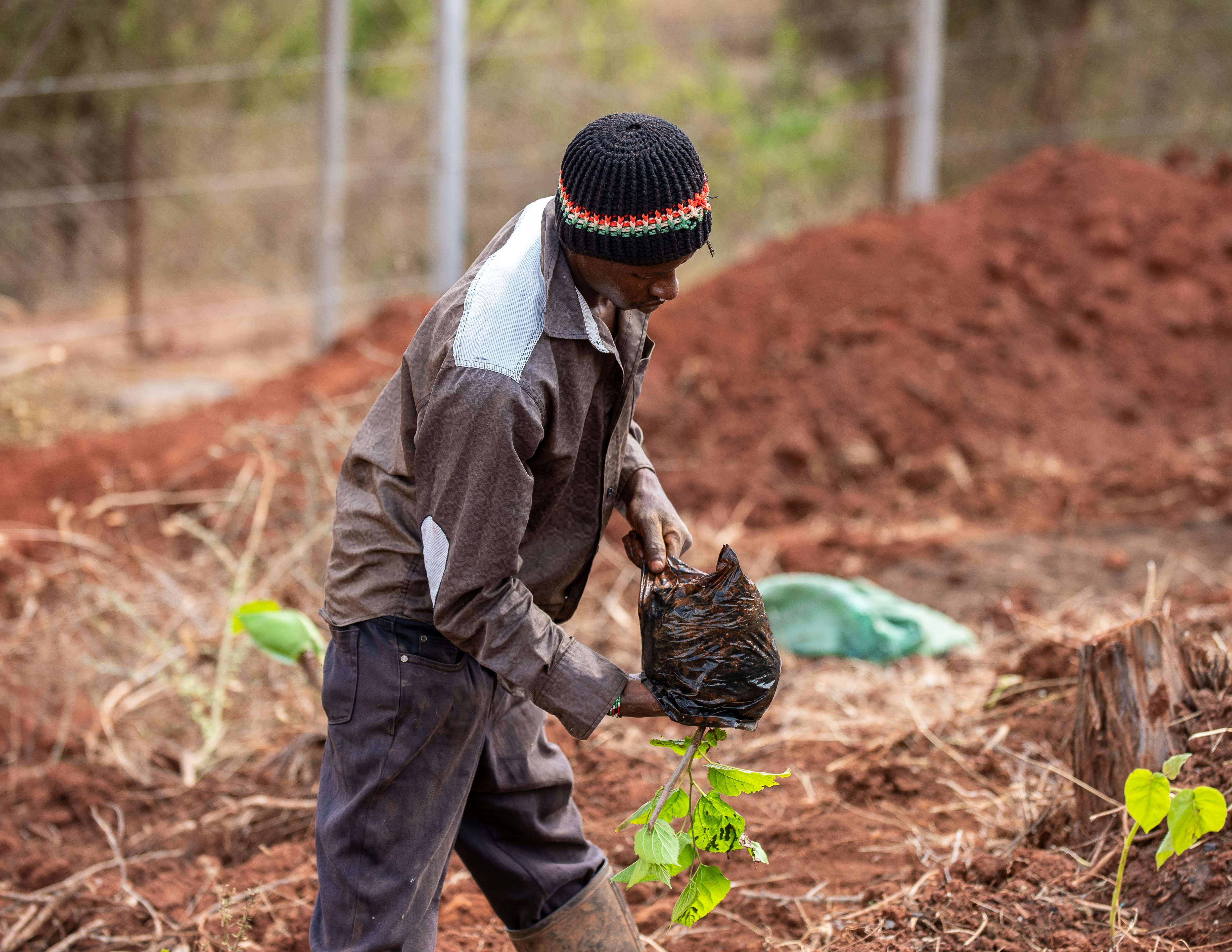
Kenya's agricultural sector, the backbone of its economy, faces significant challenges from soil degradation, climate change, and the escalating cost of farming inputs. Traditional practices, coupled with continuous cultivation without adequate replenishment, have led to a substantial decline in soil organic matter and nutrient content. This depletion directly threatens food security and the livelihoods of millions of smallholder farmers.
In response, there's a growing momentum towards sustainable and organic farming practices. Data indicates that organic farming in Kenya is not just a niche but a necessity, with increasing adoption rates reported across various regions. Farmers are actively seeking methods to restore their land's productivity without relying heavily on expensive and often environmentally harmful chemical fertilizers. The concept of 'soil fertility revival' is more than a buzzword; it's a movement towards ecological balance and economic resilience. Initiatives promoting integrated soil fertility management, agroforestry, and permaculture are gaining traction, reflecting a collective desire to build healthier soils and more sustainable food systems. The potential for biochar, derived from abundant agricultural waste, to support this revival is immense, offering a carbon-negative solution that enriches the soil for generations.
Key Insights & Strategies for Effective Biochar Application
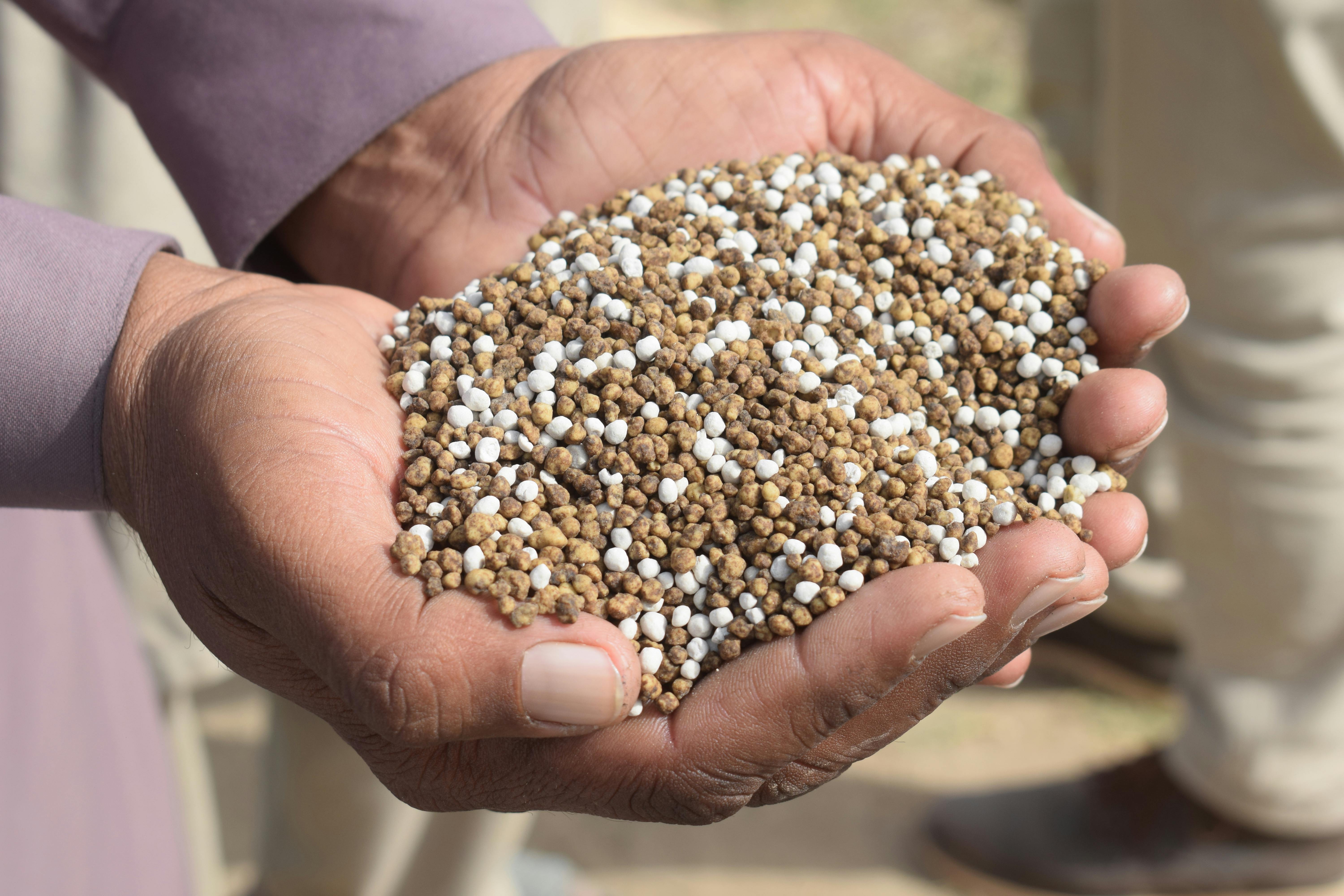
Implementing biochar effectively requires a strategic approach, combining careful production with tailored application methods to maximize its soil-enhancing properties. Understanding these insights will empower farmers to unlock the full potential of this remarkable soil amendment.
1. Mastering Biochar Production from Farm Waste
The foundation of successful biochar farming lies in converting agricultural residues into high-quality biochar through pyrolysis. This process involves heating organic materials in a low-oxygen environment, rather than burning them, which results in a stable, porous carbon structure. The choice of feedstock, such as maize stalks, coffee husks, or even animal manure, influences the final biochar properties.
2. Tailoring Application Rates for Kenyan Soils
The amount of biochar to apply depends heavily on soil type, crop requirements, and existing soil fertility. A 'one-size-fits-all' approach is rarely effective, underscoring the importance of localized knowledge and testing.
To ensure you're applying biochar effectively, understanding your soil's current condition is paramount. Boost your yields with the SONKIR Soil pH Meter, MS02 3-in-1 Soil Moisture/Light/pH Tester Gardening Tool Kits – available on Amazon. This essential tool helps you accurately measure soil pH, moisture, and light levels, guiding your biochar application and overall soil management decisions.
Explore sustainable organic farming solutions with Biofarm Kenya.
Case Studies: Kenyan Farmers Embracing Biochar for Sustainable Growth
Across Kenya, pioneering farmers are demonstrating the tangible benefits of integrating biochar into their agricultural practices. These real-world examples serve as powerful testimonials to biochar's potential for driving 'soil fertility revival' and boosting economic prosperity.
One notable example comes from a cooperative of maize farmers in Western Kenya. Faced with declining yields and escalating fertilizer costs, they adopted communal biochar production. By pyrolyzing maize cobs and stalks after harvest, they generated significant quantities of biochar. After three seasons of applying 10 tons per hectare, these farmers reported an average 30% increase in maize yields, coupled with a 20% reduction in their chemical fertilizer expenditure. Their success underscores the economic viability and environmental benefits of biochar, as detailed in a recent report by the Ministry of Agriculture, Livestock, Fisheries and Cooperatives (2023), which highlights the growing adoption of such eco-innovations.
Further afield, a group of vegetable farmers in the Rift Valley has successfully used biochar to improve water retention in their sandy soils. During dry spells, their biochar-amended plots showed significantly less wilting and required less irrigation compared to control plots. This enhanced water-holding capacity, a direct benefit of biochar's porous structure, has proven invaluable in mitigating the impacts of erratic rainfall patterns, a critical aspect of climate resilience in Kenya. The National Environment Management Authority (NEMA) has recognized such community-led biochar initiatives as crucial steps towards sustainable land management and climate change adaptation.
These case studies illustrate that biochar is not merely a theoretical concept but a practical, impactful tool for Kenyan agriculture. From boosting staple crop yields to enhancing water efficiency in horticultural farms, biochar is proving to be a cornerstone of sustainable development and a key driver in the nationwide effort for 'soil fertility revival'.
Common Mistakes to Avoid in Biochar Production and Application
While biochar offers immense benefits, improper production and application can limit its effectiveness or even lead to undesirable outcomes. Avoiding these common pitfalls is crucial for successful 'soil fertility revival' with biochar.
Expert Tips & Best Practices for Maximizing Biochar Benefits
To truly harness the power of biochar for 'soil fertility revival' and sustainable agriculture in Kenya, consider these expert tips and best practices. These insights will help optimize your biochar production, application, and integration into a holistic farm management system.
For more in-depth resources and to connect with a community dedicated to sustainable agriculture, explore sustainable organic farming solutions with Biofarm Kenya. Our platform offers a wealth of information and support for farmers looking to make the most of biochar and other eco-friendly farming techniques.
Future Trends: Innovating Sustainable Agriculture with Biochar in Kenya
The future of agriculture in Kenya is intrinsically linked to innovation and sustainability. Biochar, while a centuries-old concept, is at the heart of several exciting future trends set to revolutionize farming practices, particularly in the realm of 'soil fertility revival'.
One major trend is the development of **advanced pyrolysis technologies**. Research is underway to design more efficient, portable, and affordable pyrolysis units that smallholder farmers can operate with minimal technical expertise. These next-generation kilns will maximize biochar yield and quality from diverse agricultural waste streams, making localized production even more accessible and cost-effective. Additionally, **biochar-based fertilizers** are emerging, combining the benefits of biochar with essential plant nutrients in a single, slow-release formulation, offering sustained nutrient delivery and reduced leaching.
**Smart agriculture and AI-driven crop monitoring** will increasingly integrate biochar application strategies. Drones and sensors can map soil fertility variations, allowing for precision biochar application, optimizing resource use and maximizing returns. Imagine AI algorithms recommending precise biochar-amendment zones based on real-time soil data and crop health indicators. This level of precision will take 'soil fertility revival' to new heights.
**Carbon market integration** for biochar is another promising trend. As awareness grows about biochar's capacity for long-term carbon sequestration, mechanisms are being developed to allow farmers to earn carbon credits for producing and applying biochar. This would provide an additional revenue stream, incentivizing sustainable practices and contributing to global climate change mitigation efforts. Kenya is well-positioned to lead in this area, given its strong agricultural base and commitment to environmental stewardship.
Finally, the concept of a **circular bioeconomy** will gain prominence, where agricultural waste is not seen as a problem but a valuable resource. Biochar production exemplifies this, transforming waste into a product that regenerates soil, improves crop resilience, and contributes to cleaner energy. These trends collectively paint a picture of a future where Kenyan agriculture is not only productive but also regenerative, climate-smart, and economically vibrant, with biochar playing a central role.
Conclusion: Cultivating a Fertile Future with Biochar
Biochar farming offers a truly transformative solution for Kenya's agricultural landscape. By converting readily available farm waste into a powerful soil amendment, farmers can achieve significant crop yield increases, dramatically cut fertilizer costs by up to 40%, and contribute meaningfully to the urgent goal of 'soil fertility revival'. This guide has highlighted the practical steps, from high-temperature pyrolysis of maize stalks and coffee husks to precise application rates and strategic mixing with P-fertilizers, all validated by credible research from institutions like the Kenya Agricultural Research Institute, Jomo Kenyatta University, and the FAO.
Embracing biochar means investing in the long-term health of our soils, enhancing resilience against climate change, and fostering a more sustainable and prosperous future for smallholder farmers across Kenya. The benefits extend beyond the farm gate, contributing to improved food security, reduced environmental impact, and a thriving circular bioeconomy.
Discover trusted organic farming tools on Amazon and learn more about sustainable solutions with Biofarm Kenya. Let's work together to cultivate a fertile and sustainable future for Kenya.
FAQs About Biochar Farming in Kenya
1. What is biochar and how is it made from farm waste?
Biochar is a charcoal-like, carbon-rich material produced by heating organic matter (like maize stalks, coffee husks, or animal manure) in a low-oxygen environment, a process called pyrolysis. Unlike burning, pyrolysis converts biomass into a stable carbon structure that enhances soil fertility and sequesters carbon. This method ensures that the nutrients are retained in a form beneficial to the soil, contributing to 'soil fertility revival'. Learn more about biochar production from the International Biochar Initiative.
2. How does biochar help reduce fertilizer costs by 40%?
Biochar significantly improves soil's ability to retain nutrients and water. Its porous structure acts like a sponge, holding onto essential fertilizers and preventing them from leaching away, especially nitrogen and phosphorus. This means crops can utilize nutrients more efficiently, requiring less synthetic fertilizer application. Studies, including those by the FAO (2026), have shown phosphorus efficiency gains of up to 25%, directly translating to reduced fertilizer input needs, hence the potential 40% cost reduction for farmers aiming for 'soil fertility revival'. Find FAO resources on sustainable nutrient management.
3. What are the ideal application rates for biochar in Kenyan soils?
The ideal application rate varies with soil type and specific crop needs. For common clay soils in Kenya, trials at Jomo Kenyatta University recommend applying 10-15 tons per hectare. For sandy soils with lower organic matter, slightly higher rates might be beneficial to improve water retention and nutrient holding capacity. It's crucial to consider existing soil fertility and conduct a soil test before determining precise rates for 'soil fertility revival'. Explore agricultural research at Jomo Kenyatta University.
4. Can biochar be used with all types of crops in Kenya?
Yes, biochar has shown beneficial effects across a wide range of crops grown in Kenya, including maize, beans, vegetables, and even tree crops. Its universal benefits stem from improving fundamental soil properties such as water retention, nutrient availability, and microbial activity. Farmers successfully applying biochar report improved yields and healthier plants for various produce, aligning with general 'soil fertility revival' goals. Visit the Kenya Agricultural and Livestock Research Organization (KALRO) for crop-specific information.
5. How does biochar contribute to climate change mitigation and adaptation?
Biochar plays a dual role in climate action. For mitigation, it sequesters carbon in the soil for centuries, preventing its release into the atmosphere as CO2. For adaptation, biochar enhances soil's water holding capacity, making crops more resilient to droughts, and improves nutrient cycling, helping plants thrive in variable conditions. This makes it a crucial tool for climate-smart agriculture and sustainable 'soil fertility revival'. Read about environmental initiatives in Kenya from UNEP.
6. Where can Kenyan farmers get more support and training on biochar farming?
Biofarm Kenya is dedicated to providing comprehensive support and training for farmers interested in biochar and other sustainable agricultural practices. We offer resources, workshops, and connections to expert networks. Additionally, local agricultural extension services, universities, and research institutes like KALRO and JKUAT are excellent sources of localized knowledge and practical training for achieving 'soil fertility revival'. Explore sustainable organic farming solutions with Biofarm Kenya for ongoing support and information.
External Authoritative Links:
Internal Biofarm Kenya Links:


0 Comments