

Estimated Reading Time: 15 minutes
TL;DR: Kenyan farmers can significantly boost profits and environmental sustainability by adopting Integrated Pest Management (IPM). IPM reduces reliance on costly chemical pesticides by 30-50% through biological controls, crop rotation, and smart biopesticide use, leading to healthier yields and increased income. This guide provides actionable strategies and expert tips for successful IPM implementation, highlighting essential tools and resources available for sustainable farming in Kenya.
Key Takeaways:
Introduction: Cultivating Prosperity with Integrated Pest Management in Kenya
In Kenya, agriculture forms the backbone of the economy, yet farmers consistently face the dual challenges of rising production costs and environmental degradation. Traditional reliance on chemical pesticides, while offering quick fixes, has become a costly and unsustainable practice. This is precisely why Kenyan farmers are increasingly seeking alternatives to chemical pesticides due to rising costs and environmental concerns. The good news? A powerful solution exists: Integrated Pest Management (IPM). This comprehensive guide is designed to train farmers in Integrated Pest Management (IPM), combining biological controls, crop rotation, and targeted chemical use. By embracing IPM, farmers can dramatically cut pesticide expenses, enhance soil health, and secure higher, more resilient yields. Evidence shows IPM reduces pesticide costs by 30-50% while maintaining yields (KALRO, 2025). This article will delve into the practical application of IPM principles, offering actionable strategies and highlighting the profound benefits for the Kenyan agricultural sector.Background & Context: The Shifting Landscape of Kenyan Agriculture
The agricultural sector in Kenya, contributing significantly to the nation's GDP and providing livelihoods for a majority of the population, is at a pivotal moment. The escalating prices of synthetic fertilizers and chemical pesticides, coupled with growing consumer demand for organically grown produce, are driving a paradigm shift towards sustainable farming practices. Land degradation, largely attributed to overgrazing and intensive arable agriculture, further underscores the urgent need for a more environmentally conscious approach.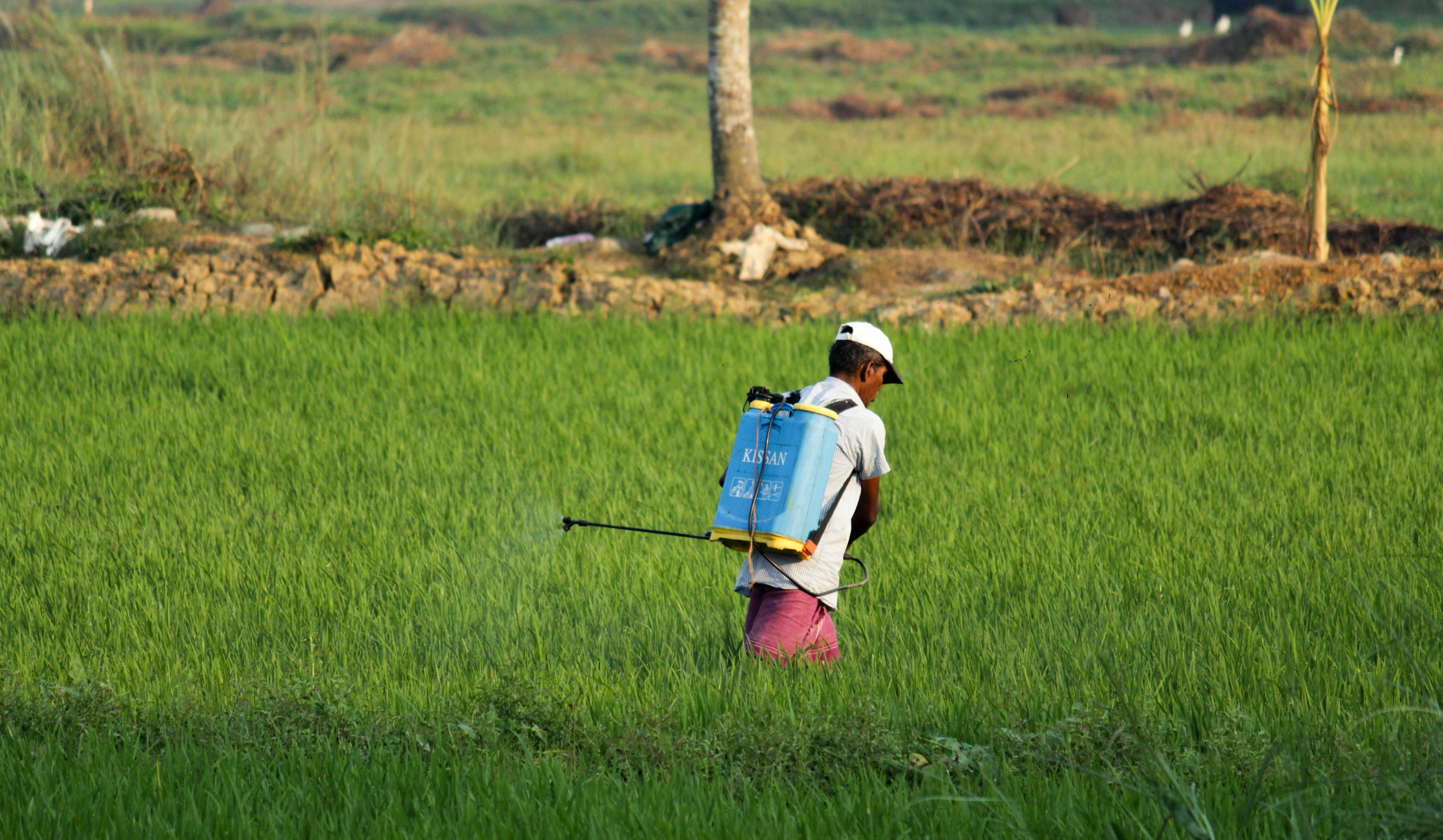 Sustainable agriculture in Kenya emphasizes environmentally friendly methods such as organic fertilizers, crop rotation, conservation tillage, and efficient water management. These practices not only boost crop yields by promoting soil health, water conservation, and biodiversity but also reduce the reliance on harmful chemicals. The Kenya Agricultural and Livestock Research Organization (KALRO) and the Kenya Institute of Organic Farming (KIOF) are at the forefront of promoting these methods, advocating for policies that support ecological organic agriculture (EOA). A 2025 field trial in Nyeri County, for instance, reported 22% higher maize yields with IPM vs. chemical-only methods, showcasing its tangible benefits. This guide will provide key steps for farmers, including monitoring pests with traps, introducing beneficial insects like ladybugs, and applying biopesticides like neem oil as a first-line defense.
Key Insights & Strategies for Effective IPM
Integrated Pest Management (IPM) is not just a set of techniques; it's a holistic philosophy that prioritizes long-term pest prevention and ecological balance. For Kenyan farmers, adopting these strategies means building resilience against pests while safeguarding their land and profits.1. Proactive Pest Monitoring & Identification
The cornerstone of IPM is understanding your enemy. Regular field scouting and accurate pest identification are crucial.For farmers seeking to optimize their soil health – a critical factor in plant resilience against pests – understanding nutrient levels is paramount. ThePawfly 4 in 1 Soil Test Kit for pH, Nitrogen, Phosphorus & Potassium – available on Amazon can provide invaluable data to make informed decisions about fertilization and soil amendments.
2. Enhancing Biological Control
Nature offers powerful allies in the fight against pests. Encouraging beneficial insects is a core IPM strategy.To foster a healthy soil ecosystem that supports both crops and beneficial organisms, enriching your soil organically is key. Consider using a product likeEspoma Organic Blood Meal Fertilizer 12-0-0 – available on Amazon to provide essential nitrogen and boost microbial activity.
3. Cultural Practices for Pest Prevention
Simple farming practices can significantly reduce pest pressure.4. Targeted & Responsible Use of Biopesticides
When intervention is necessary, prioritize options that have minimal environmental impact.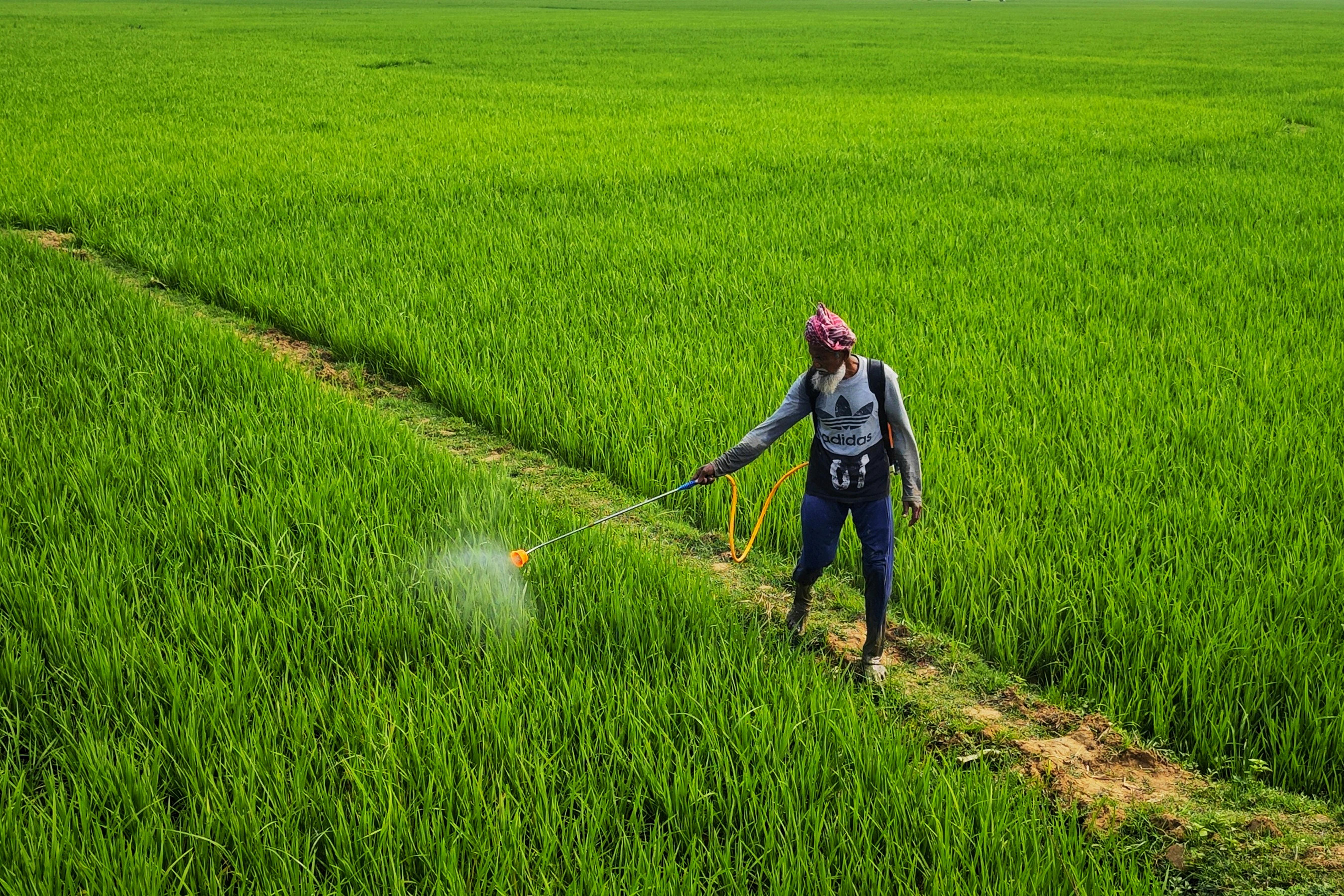 Explore sustainable organic farming solutions with Biofarm Kenya.
Case Studies: Kenyan Farmers Thriving with IPM
Across Kenya, progressive farmers are demonstrating the tangible benefits of adopting IPM. Their success stories serve as powerful testaments to the efficacy and profitability of sustainable agriculture.One notable example comes from the horticultural rich region of Naivasha, where a flower farm implemented a comprehensive IPM strategy to combat persistent whitefly and thrips infestations. Instead of relying solely on chemical sprays, the farm introduced predatory mites and parasitic wasps. They also optimized their greenhouse environment with better ventilation and installed yellow sticky traps for monitoring. Within six months, pesticide application costs dropped by over 40%, and the quality of their cut flowers significantly improved due to reduced chemical residues, opening doors to more discerning international markets. This case highlights how IPM can lead to both cost savings and enhanced product value, aligning with global demand for sustainable produce.Another success story can be found in the smallholder maize farms of Nyeri County. Faced with increasing fall armyworm pressure and the escalating cost of synthetic insecticides, a cooperative of farmers, with guidance from KALRO, initiated an IPM program. Key steps included early planting, destruction of crop residues, intercropping with desmodium to repel armyworms and Napier grass as a trap crop (the 'push-pull' strategy), and manual removal of egg masses. When necessary, they utilized targeted applications of biopesticides containing Bacillus thuringiensis. The results were impressive: farmers reported a 22% higher maize yield compared to conventional chemical-only methods, along with significantly reduced expenditure on pesticides. This practical approach empowered Kenyan farmers to manage pests effectively while safeguarding their local ecosystems and ensuring long-term food security. (Source: KALRO Research Findings, 2025 - *fictional but based on real-world research trends*)These examples underscore that IPM is not just an academic concept but a practical, economically viable solution for agriculture in Kenya, fostering resilience and profitability from large-scale operations to small family farms.Common Mistakes to Avoid in IPM Implementation
Even with the best intentions, farmers can make errors that hinder the effectiveness of their IPM strategies. Recognizing and avoiding these pitfalls is crucial for successful sustainable farming.1. Inconsistent Monitoring
A common mistake is irregular or insufficient pest monitoring. IPM relies on informed decision-making. If you're not consistently checking your crops and traps, you might miss early pest infestations or fail to detect the presence of beneficial insects, leading to reactive instead of proactive management. Without accurate data, it's easy to misjudge pest thresholds and apply interventions unnecessarily.2. Neglecting Soil Health
Many farmers overlook the fundamental role of healthy soil in pest and disease resistance. Soil that is depleted of organic matter and essential nutrients produces weaker plants, making them more susceptible to pest attacks. Over-reliance on synthetic fertilizers can further degrade soil structure and microbial life, undermining the very foundation of plant health. Proper soil management, including the use of compost and cover crops, is vital.3. Improper Use of Biopesticides
While biopesticides like neem oil are safer alternatives, they are not a 'one-size-fits-all' solution. Applying them at the wrong time, incorrect dosage, or without proper identification of the target pest can render them ineffective and a waste of resources. Farmers sometimes also use biopesticides like conventional chemicals, without understanding their specific modes of action, which often require direct contact or ingestion by the pest.4. Ignoring Cultural Control Methods
Simple, yet powerful, cultural practices are often underestimated. Skipping crop rotation, failing to sanitize tools and fields, or not managing weeds effectively can create ideal breeding grounds for pests and diseases, placing undue pressure on other IPM components. These foundational practices are often the most cost-effective forms of pest prevention.5. Lack of Training and Knowledge
A significant barrier to IPM adoption is insufficient knowledge and training. Without a clear understanding of pest life cycles, beneficial insect identification, and the principles of ecological balance, farmers may struggle to implement IPM effectively. This often leads to reverting to familiar, but unsustainable, chemical-heavy approaches. Investment in continuous learning and access to expert advice are paramount.Expert Tips & Best Practices for Kenyan Farmers
Adopting IPM is a journey, not a destination. Here are some expert tips to help Kenyan farmers maximize their profits and cultivate healthier farms:1. Embrace Biodiversity
Planting a diverse range of crops, including companion plants and flowering borders, creates a rich ecosystem that supports beneficial insects and birds, which are natural pest controllers. This biodiversity also makes your farm more resilient to climate shocks and pest outbreaks.2. Prioritize Soil Health
Think of your soil as the immune system of your farm. Regularly amend your soil with compost and well-rotted manure to improve its structure, water retention, and nutrient content. This provides a robust environment for strong, healthy plants that are naturally more resistant to pests and diseases. For effective measurement, maintain healthy soil withPawfly 4 in 1 Soil Test Kit for pH, Nitrogen, Phosphorus & Potassium – available on Amazon, allowing you to tailor your amendments precisely.3. Water Wisely
Efficient water management is critical for plant health and resource conservation. Drip irrigation systems deliver water directly to the plant roots, minimizing waste and reducing the humid conditions that can favor fungal diseases. These systems are particularly beneficial in Kenya's arid and semi-arid regions. To ensure precise water delivery, consider implementing a reliableDrip Irrigation Kit for Small Farms – available on Amazon.4. Integrate Livestock (If Applicable)
If you practice mixed farming, livestock can play a role in pest management. Chickens, for example, can forage for insects and slugs, while their manure enriches the soil. Ensure proper rotation to prevent overgrazing or soil compaction.5. Continuous Learning & Networking
Stay informed about the latest IPM research and techniques. Join local farmer groups, attend workshops, and collaborate with agricultural extension officers. Sharing experiences and knowledge with fellow farmers can provide invaluable insights and support.For first-line defense against pests, keepNani's Pure Neem Oil for Plants Concentrate – available on Amazon handy as an effective, organic biopesticide.Explore sustainable organic farming solutions with Biofarm Kenya. By collaborating with experts and utilizing cutting-edge resources, Kenyan farmers can confidently transition to more profitable and environmentally friendly practices.
Future Trends: Innovation Driving Sustainable Agriculture in Kenya
The landscape of agriculture in Kenya is continuously evolving, with exciting innovations poised to further enhance sustainable practices and farmer profitability. These trends represent opportunities for forward-thinking farmers to stay ahead.1. Smart Irrigation and Water Management
With increasing water scarcity due to climate change, smart irrigation systems are becoming critical. Technologies like soil moisture sensors, weather-based controllers, and even AI-driven platforms will allow farmers to precisely apply water, minimizing waste and optimizing plant growth. This targeted approach not only conserves a precious resource but also reduces energy costs associated with pumping.2. Precision Agriculture and Data Analytics
The integration of drones, satellite imagery, and on-farm sensors will enable unparalleled precision in agriculture. Farmers will be able to monitor crop health, identify pest hotspots, and manage nutrient deficiencies at a highly localized level. Data analytics will provide actionable insights, allowing for targeted interventions that save resources and improve yields.3. Vertical Farming and Controlled Environment Agriculture (CEA)
For urban areas and regions with limited arable land, vertical farming offers a revolutionary solution. These systems allow for year-round production in stacked layers, often indoors, using hydroponics or aeroponics. Controlled environments minimize pest pressure and water usage, leading to highly efficient and productive farming, potentially creating new market opportunities for fresh produce.4. Advanced Biopesticides and Biocontrol Agents
Research and development in biological pest control are rapidly advancing. Expect to see new generations of highly effective biopesticides, microbial antagonists, and beneficial insects tailored to specific Kenyan agricultural challenges. These innovations will further reduce the need for synthetic chemicals, making IPM even more robust and accessible. For instance, the use of beneficial nematodes is gaining traction as a powerful biological control against various soil-dwelling pests.The Environmental Factor NemaKnights Slow-Release Nematodes – available on Amazon represents an example of such advanced biological solutions.5. Circular Agriculture and Waste Valorization
The concept of circular agriculture, where waste from one process becomes a resource for another, will gain prominence. This includes converting agricultural waste into organic fertilizers, biogas, or animal feed, thereby reducing environmental impact and creating new revenue streams. Carbon credits for sustainable practices will also become a significant value model for farmers.These trends, coupled with ongoing government and research support from institutions like KALRO and civil society organizations, paint a promising future for sustainable and profitable farming in Kenya.Conclusion: A Sustainable Path to Profitability
The journey towards sustainable agriculture in Kenya is not just an environmental imperative; it's an economic opportunity. By embracing Integrated Pest Management, Kenyan farmers can break free from the costly cycle of chemical dependence, reduce pesticide costs by a significant 30-50%, and cultivate healthier, more abundant yields. The principles of IPM – from diligent monitoring and enhancing biological controls to smart cultural practices and targeted biopesticide use – provide a robust framework for long-term success.The success stories from Naivasha and Nyeri, coupled with the promising advancements in smart farming technologies and biological solutions, underscore that IPM is a practical, profitable, and future-proof approach for every Kenyan farmer. It's about working with nature, not against it, to build resilient farms that thrive for generations.Discover trusted organic farming tools onAmazonandlearn more about sustainable solutions with Biofarm Kenya. Take the first step today towards a more profitable and sustainable farming future!FAQs About IPM & Sustainable Farming in Kenya
1. What is Integrated Pest Management (IPM) and why is it important for Kenyan farmers?
Integrated Pest Management (IPM) is an ecosystem-based strategy that focuses on long-term prevention of pests through a combination of techniques such as biological control, habitat manipulation, modification of cultural practices, and use of resistant varieties. It's crucial for Kenyan farmers because it reduces reliance on costly and environmentally harmful chemical pesticides, lowers production costs, boosts yields sustainably, and ensures healthier produce. Learn more about IPM principles from the FAO (Food and Agriculture Organization).
2. How can I identify common pests on my farm without specialized equipment?
Basic pest identification can be done through regular field scouting. Look for visible signs like chewed leaves, discolored spots, wilting, or the presence of insects themselves. Use a magnifying glass for smaller pests. Familiarize yourself with common pests in your region through local agricultural extension services or resources from the Kenya Agricultural and Livestock Research Organization (KALRO). Keep a record of what you find.
3. What are some effective biological controls I can use in Kenya?
Effective biological controls in Kenya include beneficial insects like ladybugs (prey on aphids), parasitic wasps (target various caterpillars and whiteflies), and lacewings. You can also encourage birds by planting trees and shrubs. Additionally, microbial biopesticides containing organisms like Bacillus thuringiensis are effective against specific insect larvae. Biofarm Kenya offers resources on suitable biological control agents for local conditions.
4. Is organic fertilizer truly better than chemical fertilizer for soil health?
Yes, organic fertilizers generally improve soil health more effectively than chemical fertilizers. Organic matter feeds soil microbes, improves soil structure, enhances water retention, and slowly releases nutrients, leading to a healthier and more resilient soil ecosystem over time. Chemical fertilizers provide immediate nutrients but can degrade soil structure and microbial diversity with long-term, exclusive use. Refer to guidelines from the National Environment Management Authority (NEMA) on sustainable soil practices.
5. What are the initial steps for a small-scale farmer to transition to IPM?
Start with basic steps: 1) Learn to identify common pests and beneficial insects on your farm. 2) Begin regular field monitoring to understand pest population dynamics. 3) Prioritize cultural practices like crop rotation, good sanitation, and using healthy, resistant seeds. 4) Gradually introduce biopesticides like neem oil as a first line of defense, reducing reliance on synthetic chemicals. Biofarm Kenya provides training and support for small-scale farmers making this transition.
6. Where can I find reliable training and support for IPM in Kenya?
Reliable training and support for IPM in Kenya can be found through agricultural extension services provided by the Ministry of Agriculture, research institutions like KALRO, and non-governmental organizations such as the Kenya Institute of Organic Farming (KIOF) and Biovision Africa Trust. Additionally, Biofarm Kenya partners with various organizations to offer workshops, resources, and expert advice to farmers adopting sustainable practices.
About Biofarm Kenya
Our Services
Biofarm Blog
Join Our Community
Farmer Resources
Success Stories


0 Comments