

Estimated Reading Time: 15 minutes
TL;DR:
Key Takeaways:
Table of Contents
Introduction
The fertile lands of Kenya, the backbone of its economy and food security, face increasing pressures from climate change, soil degradation, and erratic rainfall. Traditional farming methods, often involving extensive tilling, have inadvertently contributed to these challenges, depleting vital topsoil and reducing agricultural resilience. In response to these pressing issues, Kenyan farmers are increasingly adopting no-till practices to combat soil degradation and erratic rainfall, heralding a new era of sustainable agriculture. This revolutionary approach promises not just environmental benefits but also significant economic gains for smallholder and commercial farmers alike.This comprehensive guide trains farmers to implement no-till techniques, focusing on three evidence-backed steps that promise to transform your farm's productivity and profitability. We will delve into 1) Using cover crops to retain soil moisture (proven to increase yields by 22% in KALRO trials), 2) Precision planting to reduce seed waste, and 3) Compost integration for nutrient management. Contrary to traditional beliefs, data shows no-till reduces labor costs by 40% while improving soil organic matter, paving the way for a smarter, more sustainable, and ultimately more profitable farming future in Kenya. By embracing these methods, you can boost your yields, cut operational costs, and contribute to a healthier planet.Background & Context: The Urgent Need for Sustainable Farming
Kenya's agricultural sector is vital, employing over 70% of the rural population and contributing significantly to the national GDP. However, this critical sector is under threat. Recent studies reveal that over 40% of soils in East Africa are degraded, with only about 20% of land in Kenya considered arable for food production. This widespread soil degradation, driven by conventional tillage, deforestation, and overgrazing, directly leads to reduced agricultural output, estimated to be a 30% reduction in Kenya, thus threatening national food security and farmer livelihoods.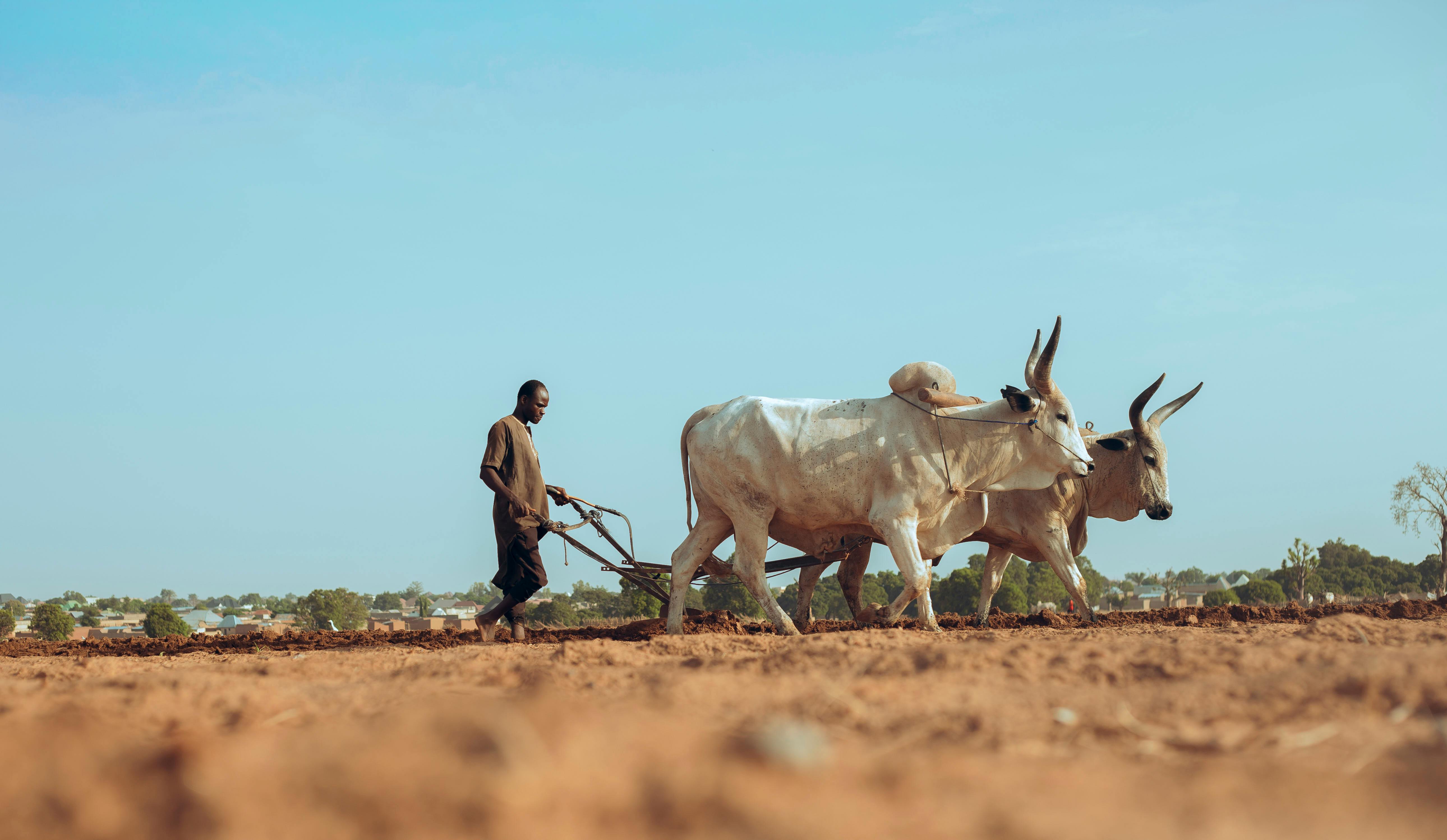 The imperative for sustainable agriculture practices has never been greater. Organic farming, a key component of sustainable agriculture, is gaining traction. The 2024 Kenya Organic Data Survey by KOAN highlights a significant uptake, with 62,626 farmers under Internal Control Systems (ICS) cultivating 171,298 acres of land organically. This growth underscores a shift towards methods that promote ecological balance and preserve natural resources. No-till farming, also known as zero tillage or direct drilling, aligns perfectly with these sustainability goals. It minimizes soil disturbance, allowing soil structure to remain intact, fostering beneficial microbial activity, and enhancing the soil's natural ability to retain water and nutrients. For Kenyan farmers facing erratic rainfall patterns and prolonged droughts, the improved water retention offered by no-till is a game-changer. It's not just about farming; it's about safeguarding our land for future generations.
Key Insights & Strategies: Mastering No-Till Farming in Kenya
Implementing no-till farming successfully in Kenya requires a strategic approach, focusing on foundational principles that enhance soil health and crop productivity. These three core strategies form the bedrock of a profitable no-till system.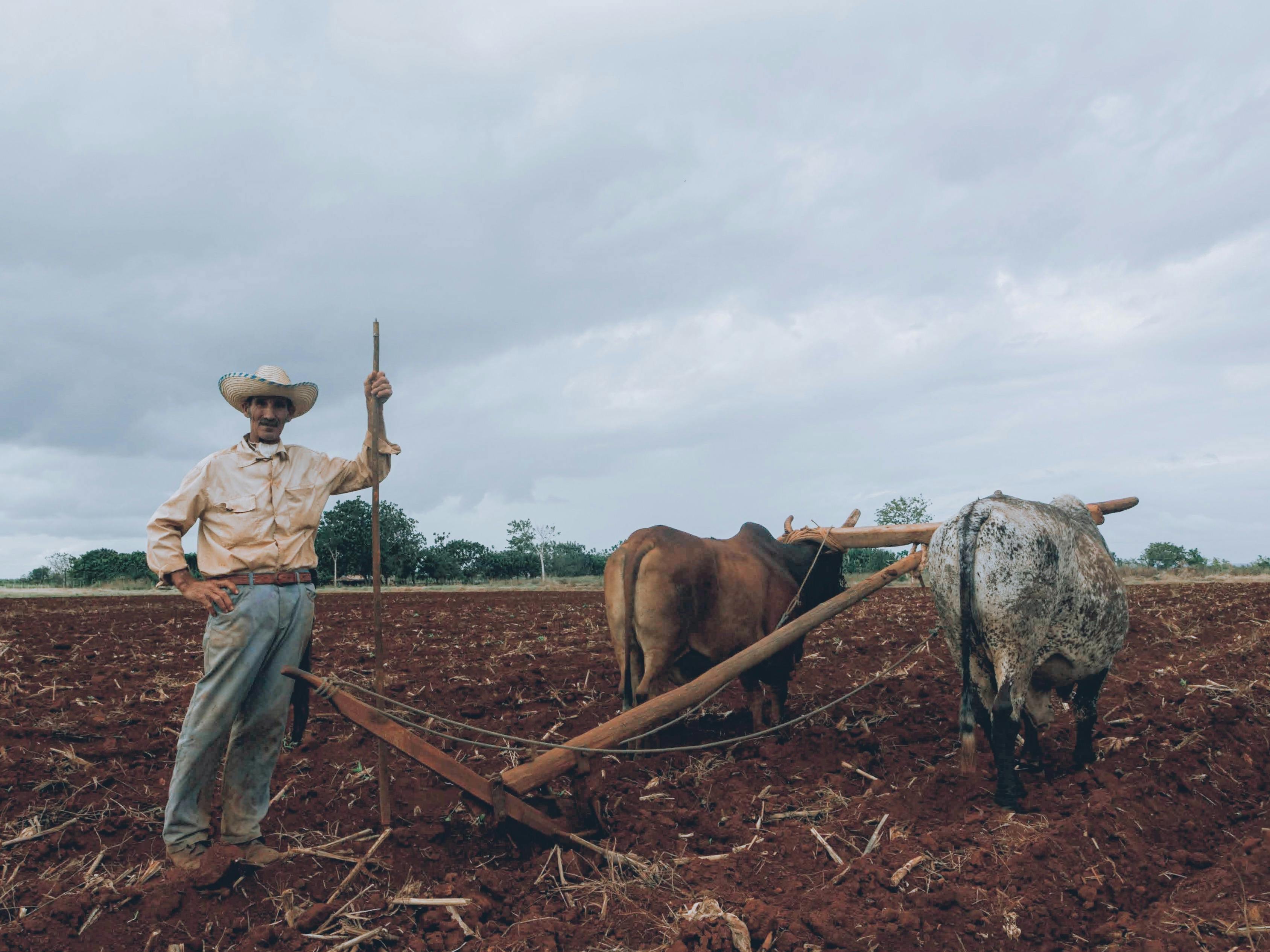
1. Harnessing the Power of Cover Crops for Moisture and Fertility
Cover crops are living mulches that protect the soil, prevent erosion, suppress weeds, and enrich soil fertility when cash crops are not growing. For Kenyan farmers, their role in moisture retention is particularly critical, especially in arid and semi-arid regions.2. Precision Planting for Optimal Resource Use
Precision planting ensures that seeds are placed at the optimal depth and spacing, maximizing germination rates and reducing seed waste. This is crucial in no-till systems where soil disturbance is minimal.3. Integrating Compost for Superior Nutrient Management
Compost is a powerhouse of nutrients and beneficial microorganisms, essential for building healthy, productive soils in a no-till system.To further empower your journey into sustainable agriculture, explore sustainable organic farming solutions with Biofarm Kenya, your trusted partner in agricultural innovation and expertise.
Case Studies, Examples, or Comparisons: Kenyan Success Stories in No-Till
The adoption of no-till farming across Kenya is translating into tangible successes for farmers committed to sustainable practices. These real-world examples demonstrate the transformative power of reduced soil disturbance and integrated soil management.In Western Kenya, farmers participating in carbon farming programs have embraced minimum tillage. Joyce, a smallholder farmer, reported reduced labor and fuel costs after adopting no-till practices and leaving crop residues on her field. She also anticipates earning carbon income, highlighting the dual economic and environmental benefits. This aligns with broader initiatives where nearly 3,730 Kenyan farmers managing over 68,000 acres are successfully implementing reduced tillage and other regenerative practices, leading to improved soil carbon and enhanced yields.Another compelling example comes from the semi-arid regions where water conservation is paramount. Farmers who have shifted from conventional plowing to no-till methods combined with strategic cover cropping have observed a marked improvement in soil moisture retention. This allows crops to withstand dry spells better, leading to more consistent harvests even in challenging climatic conditions. A report by the Ministry of Agriculture indicates that in areas where conservation agriculture, including no-till, has been adopted, farmers experienced up to a 15-20% increase in harvest reliability during periods of moderate drought compared to their conventionally tilled counterparts. This resilience is crucial for ensuring food security in a climate-vulnerable nation.Furthermore, some Kenyan agricultural research institutions, such as KALRO, have been instrumental in advocating for and studying the benefits of conservation agriculture. While early results on zero tillage with or without lime showed varied maize yields compared to conventional or minimum tillage, the consistent finding across numerous trials is the long-term improvement in soil health and structure, particularly when combined with cover crops. These localized studies provide critical evidence and adaptation strategies for optimal no-till implementation tailored to Kenya’s diverse agro-ecological zones. The shift is not merely a farming technique; it's a paradigm shift towards ecological regeneration and economic empowerment.Common Mistakes to Avoid in No-Till Implementation
Transitioning to no-till farming can be highly rewarding, but avoiding common pitfalls is crucial for success. Being aware of these errors can save farmers time, effort, and resources.Firstly, a common mistake is the inadequate management of crop residues. In no-till, residues are your best friends, forming a protective layer over the soil. Removing too much residue, either for animal feed or fuel, deprives the soil of its natural cover, leading to increased evaporation, erosion, and weed pressure. Farmers should aim to leave at least 30% crop residue cover on the soil surface to reap the full benefits of no-till.Secondly, failure to establish diverse and effective cover crops can hinder progress. Simply planting any cover crop without considering its suitability for the local climate, soil type, and the subsequent cash crop can lead to poor establishment or even competition. Without a robust cover crop, the soil remains exposed, and weed suppression is compromised, potentially requiring increased herbicide use, which goes against sustainable principles. Researching and selecting appropriate cover crop species, like indigenous legumes for nitrogen fixation, is vital.Lastly, neglecting initial weed control strategies can doom a no-till system from the start. While cover crops eventually help suppress weeds, a proper weed management plan, especially in the first few seasons, is necessary. This might involve carefully timed herbicide applications before planting or mechanical methods that minimize soil disturbance. Rushing into no-till without a clear weed strategy can result in overwhelming weed infestations, significantly impacting crop yields and farmer morale. Patience and strategic planning are key to overcoming these initial challenges and establishing a successful no-till system.Expert Tips & Best Practices for Maximizing No-Till Profits
To truly thrive with no-till farming in Kenya, integrate these expert tips and best practices into your operations. They are designed to enhance efficiency, boost yields, and ensure long-term sustainability.1. Start Small and Learn: If you're new to no-till, begin by converting a small section of your farm. This allows you to learn the nuances of the system, understand your soil's response, and adapt techniques without risking your entire harvest. Gradually expand as you gain confidence and experience.2. Diversify Crop Rotations: A well-planned crop rotation is paramount in no-till. It helps break pest and disease cycles, improves nutrient cycling, and reduces weed pressure. Include a mix of cereals, legumes, and root crops, ensuring a continuous living root system in the soil as much as possible.3. Integrated Pest and Disease Management: With increased residue, monitoring for pests and diseases is crucial. Employ integrated pest management (IPM) strategies, including biological controls, resistant varieties, and cultural practices, to minimize chemical intervention. Healthy soil from no-till often leads to healthier plants, naturally more resistant to common ailments.4. Optimize Water Management: While no-till improves water infiltration and retention, efficient water use is still critical, especially in Kenya’s semi-arid regions. Consider adopting modern irrigation techniques. For precise and water-saving irrigation, the 230FT Automatic Drip Irrigation System Kit – available on Amazon can be a game-changer, delivering water directly to the plant roots.5. Join Farmer Networks: Connect with other no-till farmers in Kenya. Sharing experiences, challenges, and successes can provide invaluable local knowledge and support. Farmer field schools and community groups are excellent platforms for this exchange.6. Invest in Quality Tools: While no-till reduces the need for heavy machinery, specialized equipment like no-till planters can significantly improve efficiency. For those looking to expand their growing seasons or protect delicate crops, a compact 4 Tier Mini Greenhouse for Small Farms – available on Amazon can be an excellent addition.7. Continuous Learning: Agriculture is dynamic. Stay updated on the latest research and innovations in conservation agriculture. Attend workshops, read publications, and engage with agricultural extension services. Your commitment to learning is your biggest asset.For more detailed resources and partnership opportunities in advancing your farming practices, explore sustainable organic farming solutions with Biofarm Kenya.
Future Trends & Predictions: Innovating Kenyan Agriculture
The landscape of Kenyan agriculture is on the cusp of a technological revolution, with innovations poised to further enhance the benefits of no-till farming and drive overall productivity. Farmers adopting no-till today will be well-positioned to integrate these future trends.One significant trend is the rise of smart irrigation systems. Leveraging sensors, weather data, and artificial intelligence, these systems can precisely deliver water where and when it’s needed, minimizing waste and maximizing efficiency. This complements no-till’s moisture retention benefits, creating a highly water-efficient farming model crucial for Kenya’s climate challenges.Vertical farming and controlled environment agriculture are also gaining traction, especially in urban and peri-urban areas. While different from field-based no-till, the principles of resource optimization and sustainable input use overlap. Projects in Nairobi demonstrate how vertical gardens can significantly boost yields (up to 70% higher than conventional methods) using minimal land and water (only 10% of traditional irrigation needs), addressing food security in densely populated areas.Perhaps the most transformative trend is the increasing integration of AI-driven crop monitoring and precision agriculture. Drones equipped with multispectral cameras and AI algorithms can analyze crop health, detect pest infestations, and identify nutrient deficiencies with unprecedented accuracy. This allows farmers to apply inputs precisely, reducing waste and increasing yields. AI-powered weather forecasting and yield prediction models provide farmers with data-driven insights for optimal planning, minimizing risks associated with climate variability. Kenyan farmers are already using AI apps to detect pests and diseases, showcasing the practical application of these technologies. These innovations, when combined with the foundational soil health benefits of no-till, will define the future of sustainable and profitable farming in Kenya.Conclusion: Cultivating a Prosperous and Sustainable Future
Embracing no-till farming in Kenya is more than just a change in agricultural practice; it's a strategic investment in the future of our land, our livelihoods, and our nation's food security. By minimizing soil disturbance and integrating practices like cover cropping, precision planting, and compost application, Kenyan farmers can unlock substantial benefits: increased yields (up to 22% in KALRO trials), significant reductions in labor costs (by 40%), and a profound improvement in soil health and resilience. These evidence-backed steps not only boost individual farm profits but also contribute to a broader movement towards sustainable, climate-smart agriculture that can withstand environmental pressures.The journey towards a more sustainable and profitable farm begins with informed choices and the right tools. Discover trusted organic farming tools on Amazon and learn more about sustainable solutions with Biofarm Kenya, your dedicated partner in cultivating a thriving agricultural future.FAQs
1. What are the primary benefits of no-till farming for Kenyan farmers?
No-till farming offers numerous benefits, including enhanced soil health, increased water infiltration and retention, reduced soil erosion, lower fuel and labor costs, and improved biodiversity. It helps combat climate change by sequestering carbon in the soil and has been shown to increase crop yields by improving the soil's natural fertility and structure. Learn more about the power of minimum tillage in Kenya.
2. How do cover crops contribute to no-till success in Kenya?
Cover crops are integral to no-till success by protecting the soil from erosion, suppressing weeds, and contributing organic matter. Crucially, they significantly improve soil moisture retention, which is vital in Kenya's often dry conditions. Leguminous cover crops also fix nitrogen, naturally enriching the soil and reducing the need for synthetic fertilizers. Explore adding cover crops to a no-till system.
3. Can small-scale Kenyan farmers realistically implement no-till practices?
Absolutely. While some no-till methods involve specialized machinery, many techniques are adaptable for small-scale farmers. Manual no-till planters, direct seeding into crop residue, and incorporating hand-chopped cover crops are all viable. The focus on reduced labor costs and improved yields makes it particularly attractive for smallholders. Discover FAO's work on conservation agriculture in Kenya.
4. What is the role of compost in a no-till system for nutrient management?
Compost is a vital organic amendment in no-till farming, providing a slow-release source of essential nutrients and a diverse microbial community that improves soil structure and fertility. Applied to the soil surface, it gradually breaks down, enhancing the soil food web and reducing reliance on external chemical inputs. Read about enriched compost for higher yields from FAO.
5. How does no-till farming impact labor costs for Kenyan farmers?
Contrary to initial perceptions, no-till farming has been shown to significantly reduce labor costs, with data indicating a reduction of up to 40%. This is primarily due to eliminating plowing and harrowing, which are labor-intensive tasks. While cover crop management requires some labor, the overall reduction in tillage-related activities results in substantial savings. Understand the key advantages of zero tillage in Kenya.
6. Where can Kenyan farmers find further support and resources for no-till and sustainable farming?
Kenyan farmers can find support from various sources including agricultural extension services, local farmer cooperatives, NGOs promoting sustainable agriculture, and research institutions like KALRO. Biofarm Kenya is also a dedicated partner, offering resources, training, and solutions to help farmers transition to and excel in sustainable farming practices. Explore sustainable organic farming solutions with Biofarm Kenya.
External Authoritative Links:
Internal Biofarm Kenya Links:


0 Comments