

Estimated Reading Time: 15 minutes
TL;DR
Key Takeaways
Table of Contents
Introduction
The Kenyan agricultural landscape is shifting towards sustainable practices as farmers increasingly seek solutions for declining soil fertility amid rising input costs. This guide trains farmers to adopt integrated soil health practices, emphasizing evidence-backed steps: diagnostic soil testing, biochar and compost integration, and crop rotation. Recent KALRO trials show farms using these methods improved yields by 30% over two years while cutting fertilizer costs.
Background & Context
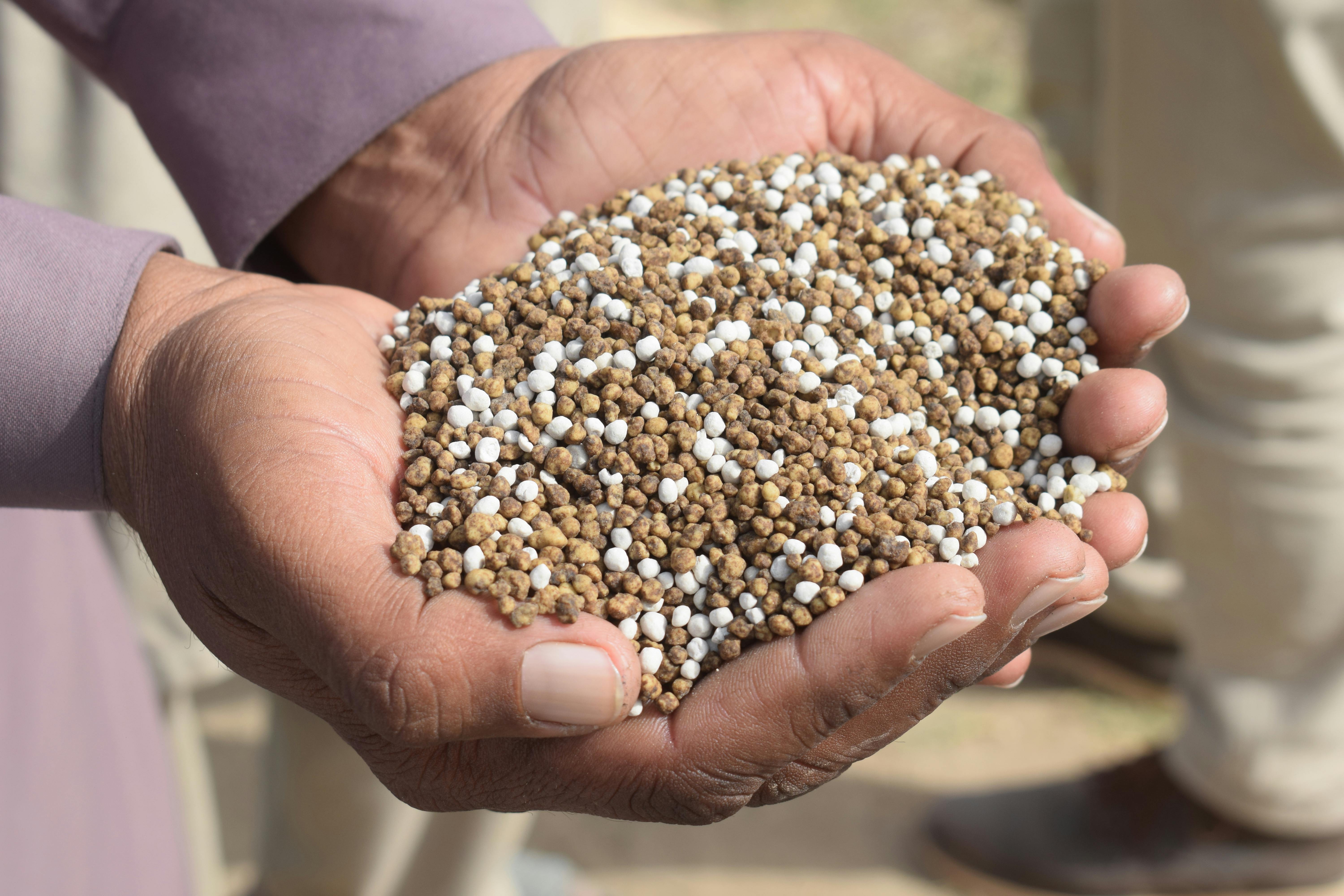
Kenya's agribusiness sector is experiencing significant growth due to innovative farming techniques and smart resource management. The adoption of organic farming practices is on the rise, driven by government initiatives and international demand. According to F6S, companies like BIOSORRA and Avonature Organics are leading the way in organic agriculture. Organic methods not only improve environmental health but also ensure better crop resilience and yield.
Key Insights or Strategies
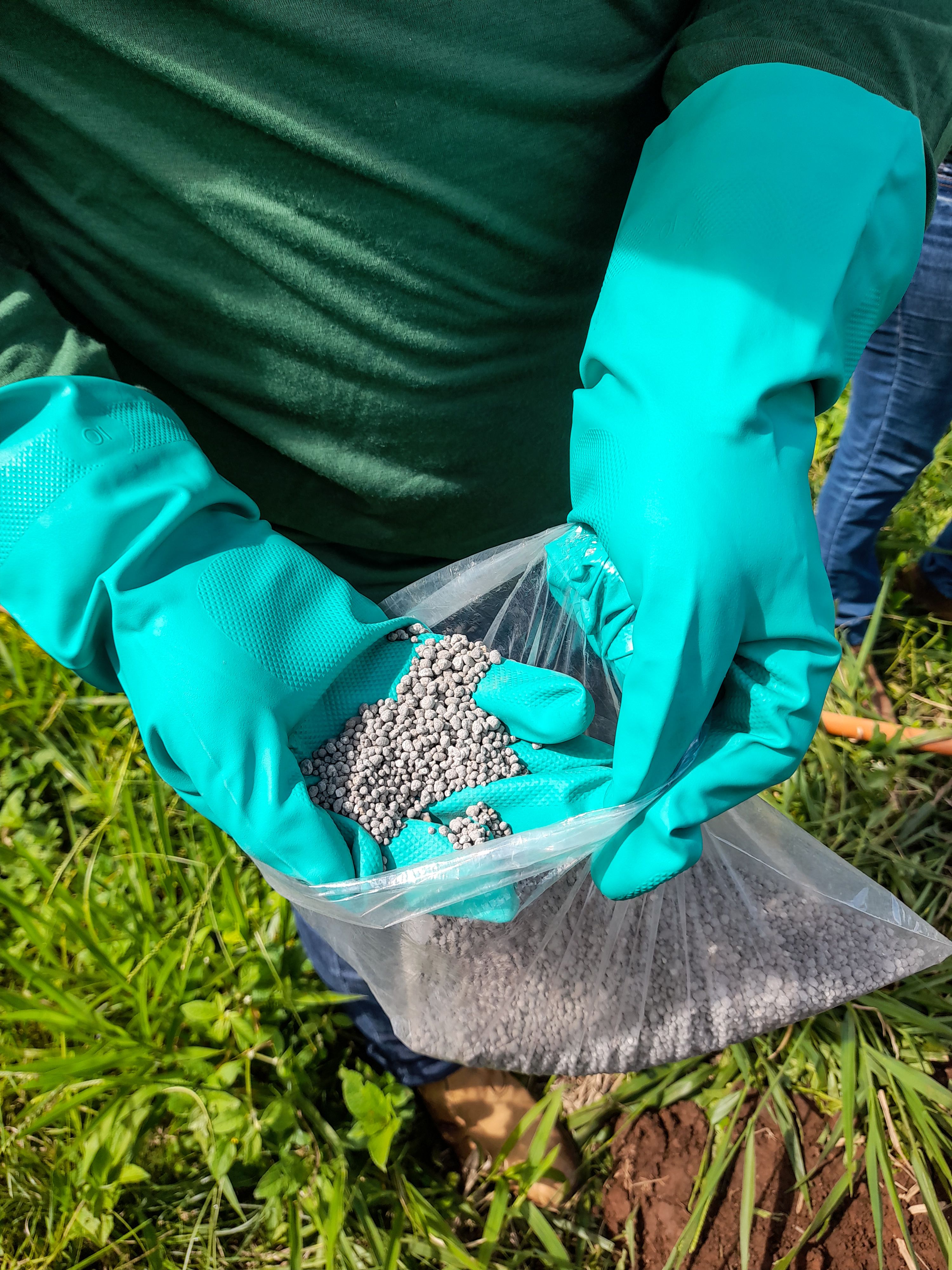
1. Diagnostic Soil Testing
- Collect soil samples from various farm sections.
- Utilize kits like the MySoil Soil Test Kit to determine pH and nutrient needs.
- Analyze results to select suitable organic fertilizers.
2. Integrating Biochar and Compost
- Source natural biochar to enhance soil structure.
- Mix biochar with compost for improved nutrient release.
- Apply regularly to increase organic matter and soil fertility.
- Explore sustainable organic farming solutions with Biofarm Kenya.
Case Studies, Examples, or Comparisons
Farmers like Mwangi from Rift Valley have successfully transitioned to organic farming. By utilizing biochar, Mwangi improved his maize yields significantly. According to the FAO, replacing synthetic fertilizers with organic alternatives can cut costs by up to 40% annually.
Common Mistakes to Avoid
- Over-fertilizing: Leads to toxic buildup. Use soil testing to guide application.
- Poor Crop Rotation: Replanting the same crops depletes soil nutrients.
- Inadequate Soil Moisture Management: Employ systems like the Carpathen Drip Irrigation Kit for efficient water use.
Expert Tips or Best Practices
Maintain healthy soil with Organic Fertilizer. Regular application improves soil health and crop nutrition.
Embrace sustainable farming with partners like Biofarm Kenya for tailored solutions.
Future Trends or Predictions
Technological advancements such as AI-driven crop monitoring and smart irrigation systems are set to revolutionize agriculture. With the rise of vertical farming, urban farmers can maximize space to produce food sustainably. Innovations like automated greenhouses ensure year-round production and increased food security.
Conclusion
Implementing integrated soil health practices is crucial for increasing farm yields sustainably in Kenya. Discover trusted organic farming tools on Amazon and learn more about sustainable solutions with Biofarm Kenya.
FAQs
- What are the benefits of biochar in agriculture?
Biochar improves soil aeration and water retention, enhancing crop yield. Learn more at FAO. - How often should soil testing be done?
Testing should be annual to guide nutrient management. For detailed guidance, visit NEMA. - Why consider crop rotation?
Rotating crops prevents pest build-up and nutrient depletion. Learn more at KALRO. - What is the role of legumes in soil health?
Legumes fix nitrogen, reducing the need for synthetic fertilizers. Check the benefits at Biovolg. - Can irrigation be optimized for water conservation?
Yes, systems like drip irrigation minimize water waste. Explore options at Green Growth. - How to choose the right organic fertilizer?
Match fertilizers to soil needs based on test results. For selection tips, see KEBS.


0 Comments