

Estimated Reading Time: 10 minutes
TL;DR:
Vertical farming is revolutionizing crop production in Kenya by increasing yields, conserving water, and optimizing limited land use through innovative techniques like hydroponics and aeroponics.
Urban areas like Nairobi are pioneering vertical farming to combat food insecurity and poverty.
Integrating drip irrigation and soil-testing kits boosts productivity in vertical farms.
Avoid common mistakes such as improper soil management and overuse of fertilizers for sustainable success.
Future trends include smart irrigation and AI-driven crop monitoring, paving the way for smarter farming in Kenya.
Key Takeaways:
- Vertical farming in Kenya can increase yields up to 70% while using only about 10% of traditional water needs.
- Utilize efficient drip irrigation systems to reduce water wastage significantly.
- Invest in tools like soil testing kits to monitor soil health for better crop results.
- Learning from local case studies improves adoption and success of vertical farming practices.
- Explore innovative solutions and partner with organizations like Biofarm Kenya for sustainable organic farming.
Introduction
Kenya’s agricultural landscape is transforming with sustainable farming innovations that address challenges such as population growth, climate change, and urbanization. One standout technological advancement is the Vertical Farming Revolutionizes Crop Production approach, which is increasingly gaining foothold across Kenya and East Africa. This method supports higher yields and resource efficiency, especially in space-constrained urban settings. As farmland becomes scarce and traditional farming faces sustainability concerns, vertical farming presents a viable solution to increase food security and environmental preservation while boosting agribusiness growth.
Background & Context
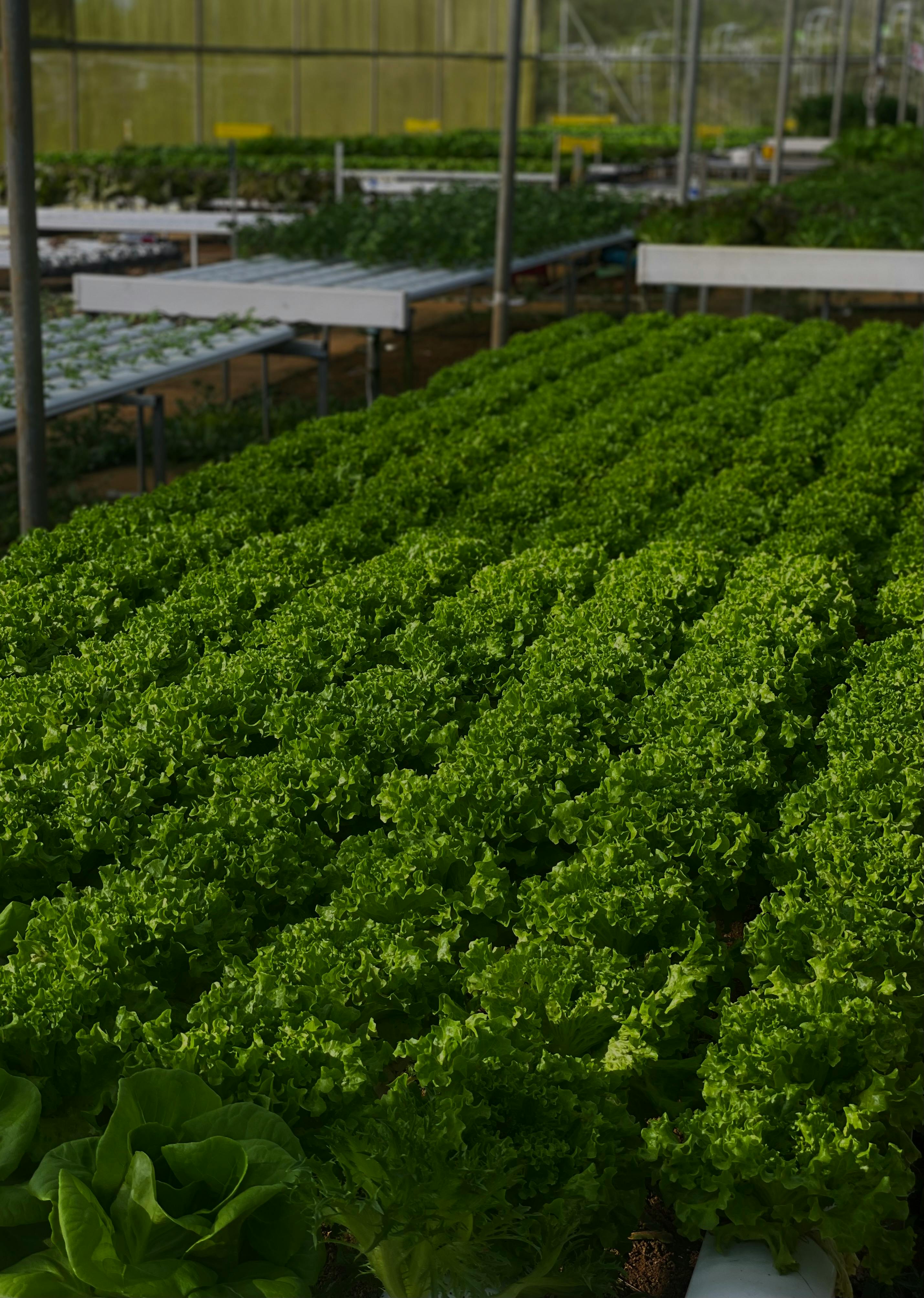
Kenya’s organic farming sector is growing steadily, driven by increasing consumer awareness about food safety and sustainable practices. According to the Kenya Organic Agriculture Network (KOAN), the organic products market in Kenya is expanding at roughly 20% annually. Soil fertility remains a significant challenge, often degraded due to overuse of chemical fertilizers and poor land management. Vertical farming, utilizing soilless technologies like hydroponics and aeroponics, can bypass such soil constraints, making it a valuable alternative for the Kenyan farmer.
Agribusiness in Kenya contributes approximately 33% to the GDP and employs more than 40% of the workforce. Innovations like vertical farming help maximize limited land through vertical stacking, increasing productivity per square foot by as much as 350 times. Water scarcity also pushes the need for efficient irrigation methods, as vertical farms use only about 10% of the water required in conventional farming.
Key Insights or Strategies

1. Adopting Hydroponics and Aeroponics for Soil-less Farming
Hydroponics allows plants to grow in nutrient-enriched water solutions, bypassing soil altogether. Aeroponics further innovates by suspending roots in air misted with nutrients. Both methods drastically reduce water usage and enable year-round crop production independent of soil quality.
- Set up a controlled environment with adequate light, temperature, and humidity.
- Choose crops suited for hydroponic or aeroponic systems such as leafy greens, herbs, and strawberries.
- Monitor nutrient levels and pH regularly to optimize growth.
- Implement integrated pest management to reduce chemical input and maintain organic standards.
Boost your yields with the Soil pH & Moisture Tester Kit – available on Amazon.
2. Efficient Water Use with Drip Irrigation Systems
Drip irrigation delivers water directly to plant roots, reducing waste and evaporation. This system perfectly complements vertical farming setups, where water efficiency is paramount.
- Install drip emitters at the base of each plant or plant row.
- Use timers or automated sensors to irrigate based on soil moisture or crop needs.
- Regularly check and clean emitters to prevent clogging.
Consider the CARPATHEN Drip Irrigation System Kit for reliable watering control.
3. Monitoring Soil Health to Maximize Crop Performance
In soil-based vertical systems, regular testing of soil nutrients and pH is critical to prevent nutrient imbalances and optimize fertilization efforts.
- Test soil at different vertical layers to ensure uniformity.
- Amend with organic fertilizers based on test results.
- Keep records to track changes and improve crop planning.
For precise readings, use the MySoil Soil Test Kit, trusted by gardeners worldwide.
Explore sustainable organic farming solutions with Biofarm Kenya for guidance and resources tailored to vertical farming success.
Case Studies, Examples, or Comparisons
Urban vertical farming has made impressive strides in Nairobi's most densely populated areas such as Kibera and Mathare slums. These initiatives, supported by local community groups and NGOs like Vision Bearerz, convert abandoned urban spaces into hydroponic farms, delivering fresh produce and employment opportunities. This model not only fosters food security but also promotes social cohesion and economic upliftment.
Government reports from the Ministry of Agriculture indicate an increase in funding and research support focused on solar-powered vertical farms and urban agriculture, signaling strong institutional backing for this revolution. Additionally, localized vertical garden programs in regions like Wamunyu have shown that vertical gardens can be constructed affordably with community involvement, yielding fresh vegetables even in water-scarce conditions (Source: FAO & Kenya Agricultural Research Institute).
Common Mistakes to Avoid
- Ignoring water management: Overwatering or poor irrigation system maintenance can lead to root diseases and wasted resources.
- Neglecting soil testing: Without regular soil or nutrient solution testing, deficiencies or toxicities can hamper growth.
- Overusing chemical fertilizers: This can degrade soil quality and harm beneficial microbes, reducing long-term productivity.
- Poor pest control: Failure to implement integrated pest management leads to infestations that damage crops.
- Inadequate lighting: Insufficient natural or artificial lighting reduces photosynthesis, stunting plant development.
Expert Tips or Best Practices
Experts recommend starting small with vertical farming systems and gradually scaling while monitoring environmental and crop parameters closely. Diversify crops to reduce pest risks and ensure constant harvests. Additionally, regular pruning and cleaning help maintain plant health and system efficiency.
Maintain healthy soil and accelerate organic decomposition with Organic Compost Starter Mix to improve crop nutrition naturally.
Engage in training programs and consultancy services offered by organizations like Biofarm Kenya to tailor sustainable organic farming solutions to your unique local environment.
Future Trends or Predictions
Looking ahead, the fusion of vertical farming with smart technologies is expected to drive the next wave of agricultural transformation in Kenya. Smart irrigation systems coupled with AI-driven sensors will allow real-time monitoring of plant health, water usage, and nutrient needs, optimizing resource use while boosting yields.
Solar-powered vertical farms, already piloted in Kenya, will become more widespread, enabling off-grid urban agriculture in energy-limited areas. Additionally, urban rooftop farms and farming pods are predicted to become common fixtures within cities, turning unused urban space into productive farmland.
Conclusion
The Vertical Farming Revolutionizes Crop Production narrative is no longer just a futuristic concept but a present-day reality in Kenya and East Africa. By adopting soil-less growing techniques, efficient irrigation, and nutrient monitoring, farmers can grow more food sustainably on less land with fewer inputs. Learning from local success stories and avoiding common pitfalls will increase adoption and impact.
Discover trusted organic farming tools on Amazon and learn more about sustainable solutions with Biofarm Kenya.
FAQs
1. What is vertical farming and how does it work?
Vertical farming involves growing crops in vertically stacked layers using controlled-environment agriculture techniques such as hydroponics or aeroponics, enabling high productivity on limited land. Learn more at FAO.
2. Is vertical farming feasible for small-scale farmers in Kenya?
Yes. With modular designs, low-cost materials, and community training programs, small-scale farmers can adopt vertical farming methods to improve yields sustainably. Visit Biofarm Kenya for support.
3. How much water does vertical farming save compared to traditional methods?
Vertical farming uses as little as 10% of the water required in conventional farming due to efficient delivery systems like drip irrigation and recirculation techniques. More details at NEMA.
4. Can vertical farming be integrated with organic farming principles?
Absolutely. Organic nutrient solutions and pest management strategies can be employed in vertical farming to ensure chemical-free production while maintaining high yields. Kenyan standards available at KEBS.
5. What crops are best suited for vertical farming?
Leafy greens, herbs, strawberries, tomatoes, and certain root vegetables perform well under vertical farming due to shorter growth cycles and space efficiency. Refer to crop guidance at Kenya Ministry of Agriculture.
6. Where can I get training and resources for vertical farming in Kenya?
Several agricultural centers and NGOs provide training, including Biofarm Kenya, which offers tailored sustainable organic farming solutions. Explore Biofarm Kenya's partner programs.
External Authoritative Links:
- FAO – Vertical Farming
- NEMA Kenya
- KEBS – Kenya Bureau of Standards
- Kenya Ministry of Agriculture
- Kenya Organic Agriculture Network (KOAN)
- Kenya Agricultural Research Institute (KARI)
Internal Biofarm Kenya Links:


0 Comments