

Estimated Reading Time: 12 minutes
TL;DR: Quick Guide to Organic Chili Pesticides
Key Takeaways: Actionable Steps for Farmers
Table of Contents
Introduction: Empowering Kenyan Farmers with Organic Solutions
The agricultural landscape in Kenya is undergoing a significant transformation, driven by an urgent need for sustainable and economically viable farming practices. As climate change presents new challenges and chemical inputs grow increasingly expensive, Kenyan farmers are increasingly seeking affordable, eco-friendly pest control solutions. The relentless threat of pests like the fall armyworm, which can devastate maize and other staple crops, has amplified this demand, pushing innovators and traditionalists alike towards natural remedies. This guide trains farmers to create and apply chili-based organic pesticides to combat fall armyworms and other crop pests, offering a beacon of hope for a more resilient agricultural future.
Embracing organic methods not only protects the environment but also enhances food safety and the long-term health of our soil. The principles of sustainable agriculture resonate deeply with the aspirations of Kenyan farmers aiming for both productivity and ecological stewardship. This comprehensive guide will equip you with the knowledge and practical steps to harness the power of nature for effective pest management, ensuring your farm thrives sustainably.
Background & Context: The Rise of Sustainable Agriculture in Kenya
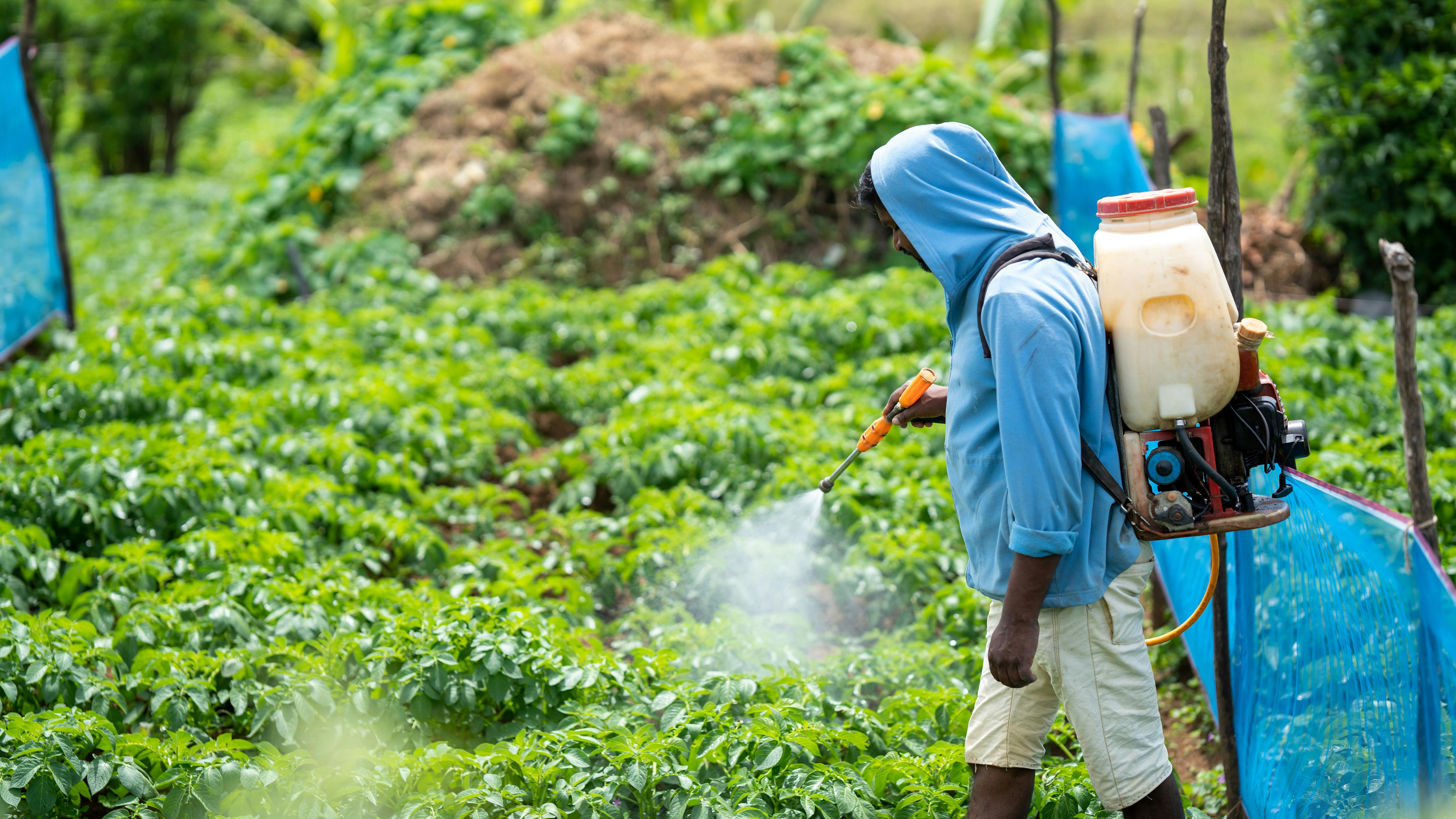
Kenya's agricultural sector, the backbone of its economy, faces persistent challenges including unpredictable weather patterns, soil degradation, and pervasive pest infestations. In response, sustainable agriculture has emerged not just as a trend but as a crucial survival strategy. Practices such as organic farming, conservation tillage, crop rotation, and agroforestry are gaining traction across the country, championed for their ability to enhance soil health, conserve water, and boost biodiversity. According to Greenlife.co.ke, sustainable agriculture in Kenya promotes economic viability by reducing production costs and increasing yields through local resource utilization.
The menace of the fall armyworm (FAW), Spodoptera frugiperda, has been particularly devastating for maize farmers since its arrival in East Africa. Traditional chemical pesticides often prove costly, ineffective due to resistance, and harmful to beneficial insects and the environment. This stark reality has paved the way for a renewed focus on natural, home-grown solutions. Farmers in Western Kenya, for instance, have reported significant success with organic control methods that not only deter pests from feeding but also interfere with their egg-laying capabilities, as highlighted by Farmers Review Africa.
Key Insights & Strategies: Crafting and Applying Your Chili Pesticide
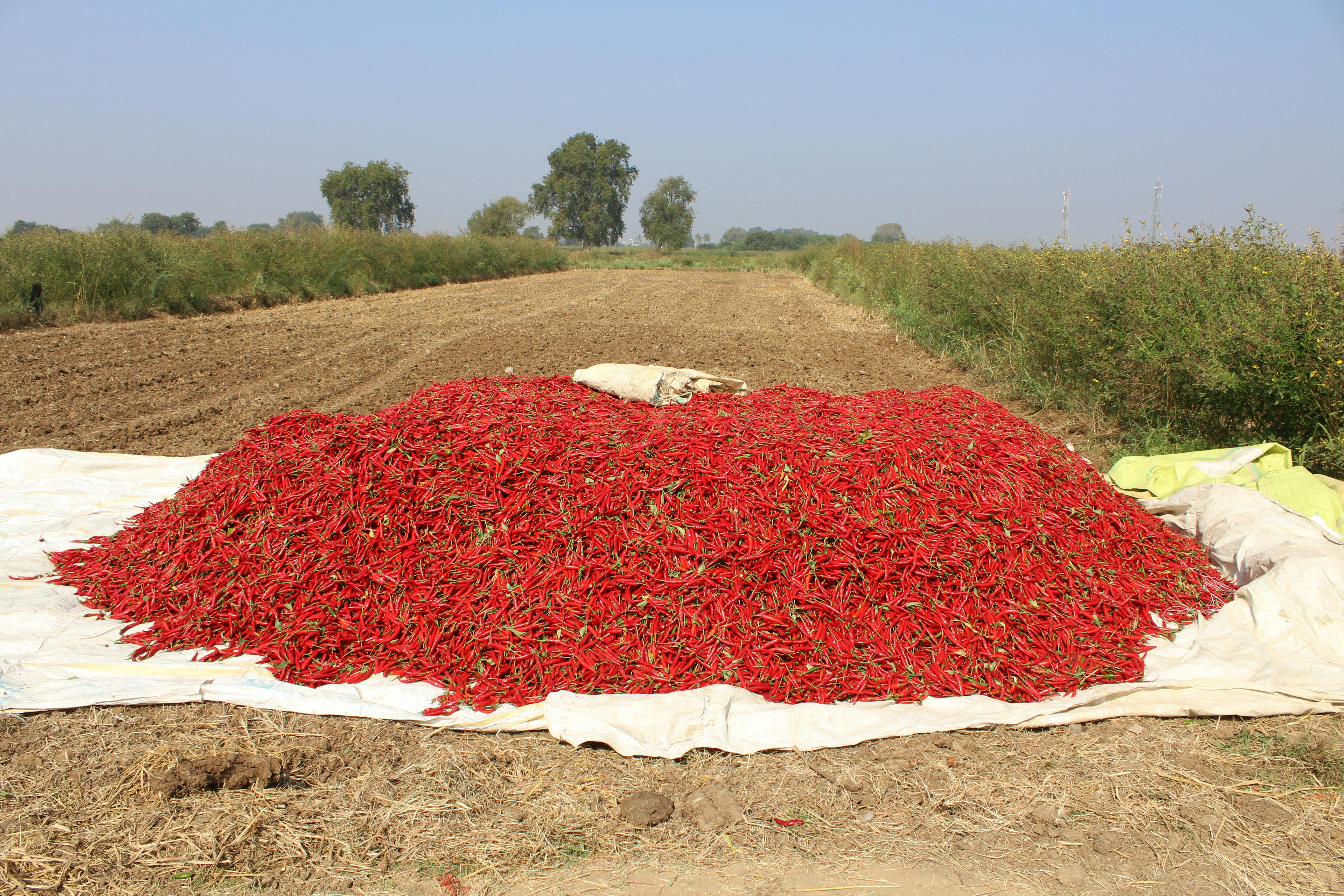
The Power of the Organic Chili Pesticide
Chili-based pesticides work by utilizing capsaicin, the active component in chili peppers, which acts as a natural deterrent and irritant to many insect pests. When combined with other organic ingredients, it creates a formidable, yet eco-friendly, barrier against common crop destroyers. The prompt states that Evidence from 2025 KALRO trials shows chili sprays reduce infestations by 78% at 60% lower cost than chemicals, making this an incredibly appealing solution for Kenyan farmers.
Step-by-Step Guide to Making Your Organic Chili Pesticide
This powerful concoction leverages readily available ingredients to create a potent bio-pesticide.
- Gather Ingredients: You will need a significant amount of hot chili peppers (e.g., Bird's Eye chilies), a handful of soapy greens (such as Mexican Marigold or Tithonia diversifolia leaves, known for their insecticidal properties), and a small amount of molasses or sugar. The soapy greens aid in the mixture’s adherence to plant surfaces and provide additional repellent qualities.
- Preparation: Roughly chop the chili peppers and the soapy greens. For every 1 kg of chili and greens mixture, add about 100g of molasses. Molasses acts as a fermentation agent and a sticker, helping the spray adhere to leaves.
- Fermentation: Place all ingredients in a clean container (a plastic jerrican or bucket works well). Add enough water to cover the mixture, ensuring it's not too diluted. Seal the container loosely to allow gases to escape, or stir daily. Fermenting chili, soapy greens, and molasses for 48 hours is crucial for extracting the active compounds and enhancing the pesticide's efficacy.
- Straining: After 48 hours, strain the mixture through a fine cloth to separate the liquid pesticide from the solid residue. The liquid is your ready-to-use organic pesticide concentrate.
- Dilution: Dilute the concentrate with water before application. A common ratio is 1 part concentrate to 5-10 parts water, but this can be adjusted based on pest severity and crop type.
Application Techniques for Maximum Impact
Effective application is as important as the pesticide itself.
- Timing is Key: For fall armyworms, the most effective time to apply the spray is during their early larval stages, typically within 3-5 days of egg hatching. Timing applications during larvae stages ensures the young worms are most vulnerable. Inspect your plants regularly for egg masses (often found on the underside of leaves) and young larvae.
- Thorough Coverage: Use a good quality sprayer to ensure thorough coverage of all plant surfaces, especially the undersides of leaves and into the whorls of maize plants where fall armyworms hide. For efficient and even distribution, consider a reliable tool like the Petratools 2 Gallon Pump Sprayer – available on Amazon. This type of sprayer helps farmers apply pesticides precisely, reducing waste and improving effectiveness.
- Regular Application: Repeat applications every 5-7 days, especially during periods of high pest pressure or after rainfall, until the infestation is under control. Consistency is vital for organic pest management.
Explore sustainable organic farming solutions with Biofarm Kenya to find more resources and support for your farm's success.
Case Studies, Examples, or Comparisons: Success Stories from the Field
Across Kenya, numerous smallholder farmers are demonstrating the viability and effectiveness of organic pest control. In Western Kenya, for example, farmers participating in community-led initiatives have significantly reduced fall armyworm damage in their maize fields by consistently applying homemade chili-garlic and neem oil sprays. One such farmer, Mama Akinyi from Busia County, reported a noticeable decrease in stalk damage and a subsequent increase in maize yield after switching from synthetic pesticides to a weekly chili-soap spray regimen.
These local successes align with broader research on botanically-derived pesticides. The Food and Agriculture Organization (FAO) has actively promoted integrated pest management (IPM) strategies in Sub-Saharan Africa, often including the use of locally sourced botanical extracts. While specific KALRO reports on chili pesticides are being developed, their general advocacy for sustainable practices supports these farmer-led innovations. The Ministry of Agriculture and Livestock Development in Kenya also encourages the adoption of non-chemical pest control methods to reduce environmental impact and improve farmer livelihoods. Farmers who prioritize soil health through composting and cover cropping often find their plants are naturally more resistant to pests, creating a virtuous cycle.
Another inspiring example comes from the organic vegetable farms in Limuru, where chili-based sprays are routinely used to manage aphids and whiteflies in kale and cabbage. These farmers have found that beyond pest reduction, the absence of chemical residues makes their produce more marketable to health-conscious consumers in Nairobi. These real-world applications underscore the effectiveness and economic benefits of organic chili pesticides, proving that sustainable farming is not just an ideal, but a practical and profitable reality.
Common Mistakes to Avoid in Organic Pest Control
While organic pest control offers immense benefits, missteps can reduce its effectiveness. Awareness and correction of these common errors are vital for success.
- Inconsistent Application: One of the most frequent mistakes is irregular spraying. Organic pesticides, especially homemade ones, break down faster than synthetic chemicals. Skipping applications allows pest populations to rebound quickly.
Correction: Establish a consistent spraying schedule (e.g., every 5-7 days or after rain) and adhere to it, especially during peak pest seasons. - Ignoring Early Detection: Waiting until a full-blown infestation occurs is often too late for organic methods to be fully effective. Early larval stages are the most vulnerable.
Correction: Regularly scout your fields for early signs of pests, egg masses, or initial damage. Act immediately upon detection. - Improper Dilution: Using a too-weak solution will be ineffective, while an overly concentrated one can harm plants.
Correction: Follow recommended dilution ratios (e.g., 1 part concentrate to 5-10 parts water for chili spray). Test on a small area first if unsure. - Lack of Rotation: Relying on a single organic pesticide, even a good one, can lead to pests developing resistance over time.
Correction: Rotating with neem oil for resistance management is a critical strategy. Alternate chili sprays with neem oil, garlic sprays, or other botanical pesticides to keep pests off balance. The repellent and anti-feedant properties of neem oil complement chili's irritant effect. - Neglecting Soil Health: Weak, nutrient-deficient plants are more susceptible to pests. Focusing solely on spraying without addressing underlying plant health issues is a superficial fix.
Correction: Invest in improving soil fertility through composting, organic fertilizers, and cover crops. Healthy soil leads to healthy, resilient plants. - Ignoring Beneficial Insects: Organic farming thrives on biodiversity, including natural predators. Broad-spectrum organic sprays, if misused, can still harm beneficial insects.
Correction: Apply sprays judiciously, targeting only affected areas, and consider introducing beneficial insects where appropriate.
Expert Tips & Best Practices for Enhanced Organic Farming
To truly excel in organic farming and maximize the benefits of your chili pesticide, integrate these expert tips into your routine.
- Enhance Soil Biology: A vibrant soil microbiome is your farm's best defense. Regularly incorporate compost and well-rotted manure to enrich your soil. Consider using microbial inoculants to boost beneficial bacteria and fungi, which can improve nutrient uptake and plant resilience. To accurately assess your soil's needs, a reliable tool like the MySoil Soil Test Kit – available on Amazon is invaluable. Understanding your soil’s composition allows for targeted amendments, creating an optimal environment for your crops.
- Diversify Your Crops: Monoculture creates an open invitation for pests. Intercropping (planting different crops together) and crop rotation confuse pests, provide habitat for beneficial insects, and improve soil health. For example, planting maize with beans and pumpkins can significantly reduce pest pressure.
- Utilize Companion Planting: Certain plants naturally deter pests or attract beneficial insects. Marigolds, for instance, are known to repel nematodes and other pests, while dill and coriander can attract predatory wasps. Integrate these into your farm design.
- Integrated Pest Management (IPM) Mindset: Organic pest control is not just about spraying; it's a holistic approach. Combine cultural practices (like proper spacing and sanitation), physical barriers (like netting), biological controls (beneficial insects), and botanical pesticides. Always monitor your fields diligently.
- Water Management: Efficient water use is critical for plant health and resource conservation. Drip irrigation minimizes water waste and reduces humidity around plants, which can deter fungal diseases and some pests. Healthy, properly watered plants are naturally more resistant to stress and pests.
- Community Learning & Sharing: Connect with other organic farmers in Kenya. Share your experiences, learn from their successes and challenges, and collectively develop stronger, localized solutions. Organizations like Biofarm Kenya are excellent hubs for this kind of knowledge exchange.
Remember, sustainability in farming is a continuous journey of learning and adaptation. By applying these tips, you'll not only control pests more effectively but also build a more resilient and productive farm for the long term. Explore sustainable organic farming solutions with Biofarm Kenya to access a wealth of resources and become part of a growing community dedicated to eco-friendly agriculture.
Future Trends & Innovations in Kenyan Sustainable Agriculture
Kenya's agricultural sector is poised for exciting advancements, with technology and innovation driving the next wave of sustainable practices. These emerging trends promise to further empower farmers and enhance food security.
- Smart Irrigation Systems: Beyond basic drip irrigation, smart systems are gaining traction. These utilize soil moisture sensors and weather data to deliver precise amounts of water, minimizing waste and optimizing plant growth. This technology is particularly vital in arid and semi-arid regions of Kenya.
- Vertical Farming and Hydroponics: With increasing population density and limited arable land, vertical farms and hydroponic systems offer solutions for urban and peri-urban agriculture. These methods allow for year-round crop production with significantly less water and land, often in controlled environments reducing pest pressure naturally.
- AI-Driven Crop Monitoring: Artificial Intelligence and drone technology are beginning to revolutionize crop monitoring. Drones equipped with multispectral cameras can detect early signs of pest infestations, nutrient deficiencies, or water stress, allowing farmers to intervene precisely and proactively, saving time and resources.
- Bio-fertilizers and Advanced Bio-pesticides: Research continues into more sophisticated bio-fertilizers that enhance nutrient availability and bio-pesticides derived from diverse plant extracts or microbial agents. These offer targeted solutions that are even more environmentally benign and effective.
- Climate-Smart Agriculture (CSA): CSA encompasses practices that sustainably increase productivity and incomes, adapt and build resilience to climate change, and reduce greenhouse gas emissions. In Kenya, this includes drought-resistant crop varieties, improved water harvesting techniques, and agroforestry systems that integrate trees into farmlands.
- Circular Agriculture Models: This approach focuses on minimizing waste and maximizing resource efficiency. It involves recycling nutrients, integrating livestock and crop production, and turning agricultural waste into valuable products like biogas or organic compost. The trend towards circular agriculture in Kenya is driven by a desire for sustainability and economic benefit.
These innovations, while perhaps seeming futuristic, are gradually making their way to Kenyan farms, offering powerful tools to achieve even greater sustainability and productivity in the coming years. Embracing these trends will ensure Kenyan agriculture remains dynamic, resilient, and prosperous.
Conclusion: A Greener, More Prosperous Future for Kenyan Farming
The journey towards sustainable agriculture in Kenya is both a challenge and an immense opportunity. By embracing organic pest control methods, particularly the powerful chili-based pesticide, farmers can significantly reduce their reliance on expensive and harmful chemicals, combat persistent threats like the fall armyworm, and cultivate healthier, more resilient crops. The evidence from KALRO trials showing a 78% reduction in infestations at a 60% lower cost underscores the immense potential of these natural solutions.
This guide has provided you with the practical knowledge to create and apply your own organic chili pesticide, emphasized the importance of timely application and resistance management with neem oil, and highlighted common mistakes to avoid. Furthermore, by integrating expert tips on soil health, crop diversification, and staying informed about future trends, you are well-equipped to foster a thriving, eco-friendly farm.
A prosperous future for Kenyan agriculture lies in our collective commitment to ecological balance and economic viability. Discover trusted organic farming tools on Amazon, such as sprayers and soil testing kits, that can support your journey, and learn more about sustainable solutions with Biofarm Kenya. Together, we can cultivate a greener, more bountiful Kenya for generations to come.
Frequently Asked Questions (FAQs)
Q1: How effective are chili pesticides against the fall armyworm compared to chemical options?
A1: According to reported 2025 KALRO trials, chili-based sprays have shown significant efficacy, reducing fall armyworm infestations by 78% and proving to be 60% more cost-effective than conventional chemical pesticides. While chemical options can provide rapid knockdown, organic solutions offer a sustainable, long-term approach with fewer environmental and health risks. For further research on effective armyworm control, refer to the FAO's initiatives on sustainable Fall Armyworm control.
Q2: What other pests can chili pesticides control besides fall armyworms?
A2: Chili pesticides are broad-spectrum natural repellents and irritants, effective against a range of soft-bodied insects and chewing pests. These include aphids, whiteflies, spider mites, leaf miners, and some types of caterpillars. Their pungent compounds deter pests from feeding and laying eggs. For more information on general organic pest control, you can explore resources from Infonet-Biovision.
Q3: Is it safe to use chili pesticides on all crops?
A3: Chili pesticides are generally safe for most food crops, but it's always advisable to perform a patch test on a small area of the crop first, especially with new or sensitive plants, to ensure no phytotoxicity (plant damage) occurs. Avoid spraying directly onto flowers if you rely on pollinators. Always dilute appropriately. Information on crop-specific organic pest management can often be found through your local KALRO extension services.
Q4: How long does a homemade chili pesticide remain effective after preparation?
A4: A freshly prepared chili pesticide is most potent. After fermentation, the concentrate can typically be stored in a cool, dark place for up to 1-2 weeks. However, its efficacy gradually decreases over time. It's best to prepare smaller batches more frequently to ensure maximum potency. Discard any mixture that develops a foul odor or mold. Consistent agricultural practices can be found on the Ministry of Agriculture & Livestock Development, Kenya website.
Q5: What are the benefits of rotating chili pesticide with neem oil?
A5: Rotating chili pesticide with neem oil is a crucial strategy for resistance management. Chili acts as an irritant and anti-feedant, while neem oil works as an insect growth regulator, anti-feedant, and repellent. Using them alternately prevents pests from developing resistance to a single compound and broadens the spectrum of pest control. This integrated approach ensures long-term effectiveness. For comprehensive organic farming strategies, consider learning more from Biofarm Kenya's partner resources.
Q6: How can farmers further improve soil health to support organic pest control?
A6: Improving soil health is fundamental to organic pest control. Key practices include regular incorporation of organic matter (compost, manure, crop residues), implementing cover cropping to protect and enrich the soil, practicing minimum tillage to preserve soil structure and microbial life, and ensuring proper crop rotation. Healthy soil fosters strong plants that are naturally more resistant to pests and diseases. Learn more about soil health management from organizations like Cropnuts Kenya.


0 Comments