

Estimated Reading Time: 12 minutes
TL;DR: Discover how no-till farming can boost yields by 20% in Kenya. Learn three proven steps: using herbicides, precision planting, and cover crops. Optimize operations with the right gear and expert advice.Key Takeaways:- No-till farming increases yields and improves soil health.
- Use herbicides to control weeds instead of plowing.
- Implement cover crops for soil moisture retention.
- Background & Context
- Key Insights or Strategies
- Case Studies, Examples, or Comparisons
- Common Mistakes to Avoid
- Expert Tips or Best Practices
- Future Trends or Predictions
- Conclusion
- FAQs
Background & Context
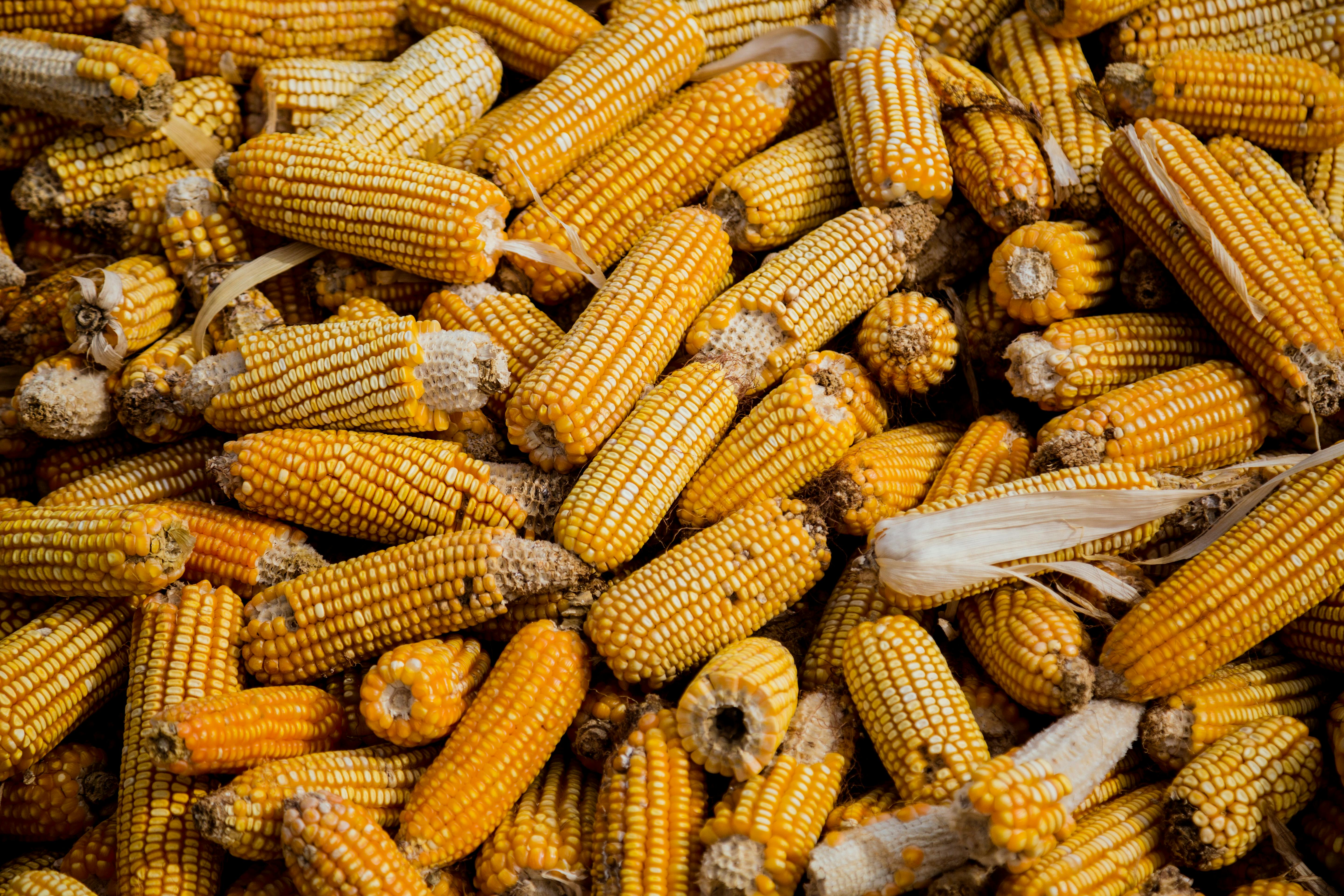
Sustainable agriculture is becoming increasingly important as Kenyan farmers face issues such as soil degradation and labor shortages. Kenyan farmers are increasingly adopting reduced tillage to address these challenges. This involves three key steps: using herbicides instead of plowing, planting seeds directly into undisturbed soil, and integrating cover crops. Trials show a 20% yield increase in Western Kenya, indicating the effectiveness of this approach.
Key Insights or Strategies
Using Herbicides for Weed Control
- Select the right herbicide based on crop and weed species.
- Apply before planting for optimal effectiveness.
- Follow safe application practices to protect the environment.
Boost your yields with the Soil pH & Moisture Tester Kit – available on Amazon.
Explore sustainable organic farming solutions with Biofarm Kenya
Case Studies, Examples, or Comparisons
A study by the FAO demonstrated how no-till farming improved yields in Laikipia, Kenya. Through practical training and community engagement, farmers achieved significant success in using conservation techniques.
Common Mistakes to Avoid
- Neglecting proper crop rotation, which can lead to pest build-up.
- Improper calibration of no-till equipment.
- Failing to test soil health regularly, impacting plant growth.
Expert Tips or Best Practices
To maintain healthy soil, consider using an Organic Compost Starter Mix. It enriches soil fertility and promotes sustainable farming.
Explore sustainable organic farming solutions with Biofarm Kenya
Future Trends or Predictions
The future of farming in Kenya includes smart irrigation techniques, vertical farming, and AI-driven crop monitoring to enhance productivity and sustainability.
Conclusion
No-till farming is not just an appealing alternative—it's a tested method that can help Kenyan farmers improve yields and soil health significantly. Discover trusted organic farming tools on Amazon and learn more about sustainable solutions with Biofarm Kenya.
FAQs
- What is no-till farming?
Answer: No-till farming is an agricultural practice where crops are grown without disturbing the soil through tillage. Learn more from the FAO. - How can no-till farming combat soil degradation?
Answer: It improves soil structure, retains moisture, and increases organic matter, making it resilient over time. For more information, see NEMA. - Are there risks associated with no-till farming?
Answer: Critics warn of initial pest risks. Effective crop rotation and soil testing can mitigate these issues. Visit KEPSA for expert guidance. - Why are cover crops important in no-till farming?
Answer: Cover crops enhance soil moisture retention, suppress weeds, and improve soil health naturally. Learn more at KEBS. - What are the economic benefits of no-till farming?
Answer: Farmers save on labor and fuel costs, increasing profitability while improving land sustainability. For economic studies, refer to Ministry of Agriculture Kenya. - What equipment is essential for no-till farming?
Answer: Precision drills, rollers, and herbicide sprayers are key for effective implementation. Explore available tools on Biofarm Kenya.


0 Comments