

Estimated Reading Time: 9 minutes
TL;DR:
Key Takeaways:
Table of Contents:
Introduction: The Perilous Promise of Green Gold
In the lush landscapes of Kenya, a vibrant agricultural revolution has been underway, driven by the surging global demand for avocados and macadamia nuts. Hailed as 'green gold,' these cash crops have promised prosperity, offering smallholder farmers a tantalizing path out of poverty. Yet, beneath the glossy veneer of export success, a more complex and often heartbreaking reality unfolds: Kenya's avocado and macadamia boom is hailed as 'green gold' but traps small farmers in debt. Discover why this export focus harms rural communities, undermining the very livelihoods it was meant to uplift. This article delves into the systemic challenges that ensnare Kenyan small-scale farmers in a cycle of debt, examining the economic, social, and environmental repercussions of an agriculture model heavily skewed towards export-oriented cash crops. We will explore how market volatilities, lack of infrastructure, and unsustainable practices combine to create a precarious situation for those who toil the land, and what solutions can foster genuine, sustainable development.Background & Context: The Rise of Kenya's Export Crops
Kenya's agricultural sector is the backbone of its economy, employing a significant portion of the rural population. For decades, traditional food crops like maize and beans sustained communities. However, in recent years, a strategic shift towards high-value export crops, particularly avocados and macadamia nuts, has been aggressively promoted. The allure is understandable: global demand for these commodities has skyrocketed, promising higher returns compared to staple crops. Avocado exports alone have seen tremendous growth, positioning Kenya as one of Africa's leading exporters. This focus, while boosting national GDP, has had a disproportionate impact on smallholder farmers.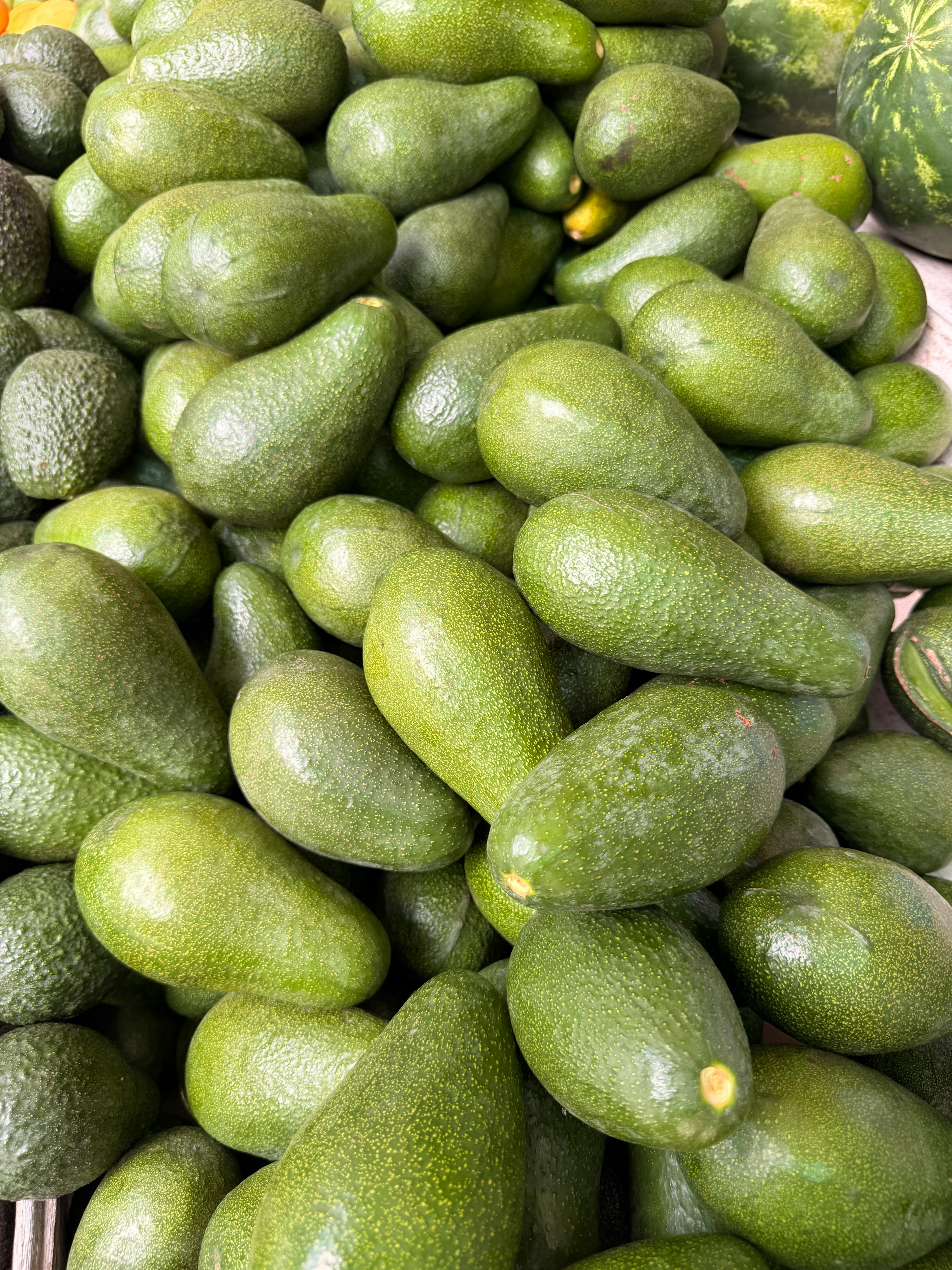 Despite the apparent boom, many small-scale farmers find themselves increasingly vulnerable. Data from the World Bank indicates that access to credit for smallholder farmers in Kenya is often fragmented and comes with high-interest rates, pushing them into significant debt for inputs like seedlings, fertilizers, and irrigation systems necessary for these demanding crops. Moreover, research highlights that while cash crop production can increase income, it doesn't always translate to improved living standards, especially when farmers lack sufficient market access and financial literacy to manage price fluctuations and loan repayments effectively (Kabura & Nyaga, 2006). This export-driven model, though presented as a boon, frequently overlooks the inherent risks and systemic inequalities that plague the rural agricultural landscape.
Key Insights or Strategies: Navigating the Cash Crop Maze
The 'green gold' rush has presented smallholder farmers with a complex web of opportunities and challenges. Understanding these dynamics is crucial for developing sustainable strategies that genuinely uplift rural communities.The Debt Trap: A Looming Shadow
Many farmers, eager to capitalize on the promise of high returns, take out loans to invest in avocado and macadamia farming. However, factors such as erratic rainfall, pest outbreaks, volatile global prices, and often exploitative middlemen mean that expected profits frequently fail to materialize. This leaves farmers struggling to repay loans, pushing them deeper into debt. Research by organizations like BASIS points to the potential negative impact of digital loans on small-scale farmers who become laden with debt, exacerbating their financial precarity (BASIS, n.d.).Environmental Costs: Beyond the Harvest
The intensive cultivation of avocados, in particular, raises significant environmental concerns. Avocados are known to be water-intensive crops. While many Kenyan avocado farms rely on rainfall, increased demand often leads to practices that strain local water resources, particularly in drought-prone areas (ITFNet, 2021). Furthermore, the drive for higher yields can lead to increased reliance on chemical fertilizers and pesticides, degrading soil health and biodiversity. Climate change itself poses threats, with rising temperatures and erratic rainfall affecting crop yields (Waithaka, 2024).
Market Access and Value Chain Inequities
Even when crops are successfully harvested, small farmers often face challenges in accessing lucrative export markets directly. They are frequently at the mercy of brokers and processors who dictate prices, leaving farmers with a meager share of the final profit. This unequal distribution of value within the supply chain perpetuates poverty.Case Studies, Examples, or Comparisons: Lessons from the Field
While the narrative of debt is prevalent, there are beacons of hope and examples that highlight alternative paths for Kenya's smallholder farmers. Examining these can provide valuable insights for a more sustainable future.The Cooperative Model: A Path to Empowerment
In certain regions, farmer cooperatives have successfully empowered smallholder avocado and macadamia growers. For instance, some cooperatives have managed to bypass exploitative middlemen by directly engaging with exporters or even establishing their own export channels. This collective bargaining power allows them to negotiate fairer prices, secure better quality inputs, and access training on best agricultural practices and quality control. A study by the Organic Agriculture Centre of Kenya (OACK) emphasizes the importance of farmer organizations in facilitating knowledge transfer and market access for small-scale farmers (OACK, n.d.). Such models demonstrate that collective action can significantly improve farmers' economic standing and reduce their vulnerability to market fluctuations.Agroecology in Practice: Building Resilience
Organizations like Nuru Kenya are equipping farmers with climate-smart agribusinesses, focusing on sustainable practices that build resilience against climate extremes and improve soil health (Nuru Kenya, n.d.). Farmers are adopting techniques like terracing, cover cropping, and integrating nitrogen-fixing plants, which not only enhance soil fertility but also conserve water and reduce the need for expensive chemical fertilizers. This holistic approach contrasts sharply with the monoculture focus often seen in large-scale cash crop operations and proves that ecological farming can lead to stable yields and better long-term sustainability. For example, in regions where regenerative agriculture is being adopted, farmers report improved soil moisture retention and boosted yields, helping them to withstand droughts better (Farm-D.org, n.d.).Diversification Beyond Cash Crops: Food Security First
Some forward-thinking communities are actively diversifying their crops, moving away from an exclusive reliance on avocados and macadamias. By reintroducing indigenous food crops alongside cash crops, farmers enhance their food security and create multiple income streams, buffering against the risks associated with single-crop failure or price drops. This strategy also supports local biodiversity and traditional knowledge systems. This balanced approach ensures that families have food on their tables even when export markets are volatile, addressing the core issue of food insecurity that can arise when commercial agriculture dominates.Common Mistakes to Avoid: Pitfalls for Smallholder Farmers
Understanding the common pitfalls associated with cash crop farming in Kenya is essential for farmers to navigate their economic landscape more successfully and sustainably.Over-reliance on a Single Cash Crop
One of the most significant mistakes is putting all eggs in one basket – dedicating entire farms to a single cash crop like avocados or macadamias. While potentially lucrative, this monoculture approach exposes farmers to immense risk. A single disease outbreak, a sudden drop in global prices, or adverse weather conditions can wipe out an entire season's income, leading to catastrophic financial losses and deepening debt. It also depletes soil nutrients specific to that crop, requiring more chemical inputs over time.Ignoring Soil Health and Water Conservation
Driven by the desire for quick returns, many farmers may neglect long-term soil health. Practices like over-fertilization with synthetic chemicals, failure to rotate crops, and insufficient organic matter replenishment lead to degraded soil, reduced fertility, and increased susceptibility to erosion. Similarly, ignoring sustainable water management techniques in water-intensive avocado farming can deplete local water sources, leading to conflict and environmental stress. The notion that 'more is better' with chemical inputs often proves detrimental in the long run.Lack of Market Knowledge and Business Acumen
Many smallholder farmers, despite being excellent cultivators, lack adequate knowledge of market dynamics, pricing structures, and negotiation skills. This deficiency makes them easy targets for unscrupulous middlemen who offer low prices, exploit urgent selling needs, and unfairly profit from the farmers' labor. Without a clear understanding of the value chain and direct market access, farmers remain price-takers rather than price-makers.Taking Predatory Loans Without Understanding Terms
The allure of initial investment capital can lead farmers to accept loans with unfavorable terms, high-interest rates, and unclear repayment schedules. Digital lending platforms, while accessible, can also trap farmers in a cycle of debt if not managed carefully (LinkedIn, 2020). A lack of financial literacy makes it difficult for farmers to assess the true cost of credit, often leading to default and loss of assets.Neglecting Food Crop Cultivation for Subsistence
When the focus shifts entirely to cash crops, farmers often reduce or abandon the cultivation of traditional food crops for their own consumption. This can lead to increased reliance on purchased food, which can be expensive and susceptible to market price fluctuations, ultimately compromising household food security and nutrition, a critical point highlighted by 'The Elephant' (Akello, 2020).Expert Tips or Best Practices: Cultivating Resilience
Building resilience among Kenyan smallholder farmers in the face of cash crop challenges requires a multi-faceted approach combining sustainable agriculture, smart financial planning, and robust community engagement.Embrace Diversified and Integrated Farming Systems
Strategic Crop Diversification: Instead of monocropping, integrate a variety of crops. This includes high-value cash crops like avocado and macadamia, alongside indigenous food crops, vegetables, and legumes. Diversification buffers against market shocks, enhances food security, and promotes biodiversity.Agroforestry Integration: Incorporate trees into farming systems. Beyond macadamia, consider fruit trees or nitrogen-fixing trees that improve soil fertility, provide shade, and offer additional income streams or resources for the farm.Prioritize Soil Health and Water Efficiency
Organic Matter & Cover Cropping: Regularly add organic matter to the soil through composting and farmyard manure. Utilize cover crops like legumes between growing seasons or rows to suppress weeds, prevent erosion, and enrich soil nitrogen.Precision Water Management: Given the water demands of avocados, invest in water-efficient irrigation technologies such as drip irrigation, especially for new plantings. Rainwater harvesting and mulching are also effective strategies to conserve moisture and reduce reliance on external water sources (Mavuno Organics, n.d.).Strengthen Market Linkages and Value Addition
Join/Form Strong Cooperatives: Consolidate produce and negotiate collectively with buyers. Cooperatives can also invest in shared infrastructure like storage, grading, and even small-scale processing units, which can significantly increase profitability by adding value to raw produce.Seek Fair Trade Certification: Where possible, work towards Fair Trade certification. This can open doors to ethical markets that offer better prices and ensure a more equitable share of profits for farmers (Fruitnet, 2021).Direct Sales & Local Markets: Explore opportunities for direct sales to consumers or local markets to reduce reliance on middlemen and capture higher margins.Empower Through Knowledge and Technology
Financial Literacy Training: Attend workshops on financial planning, loan management, and investment strategies. Understanding interest rates, repayment terms, and the true cost of credit is paramount to avoiding debt traps.Climate-Smart Agriculture Education: Learn about climate-resilient farming techniques, including drought-resistant varieties, pest and disease management, and seasonal forecasting. Organizations like Nuru Kenya offer valuable training in these areas (Nuru Kenya, n.d.).Leverage Agricultural Extension Services: Actively engage with government extension officers and agricultural NGOs for advice, training, and access to new technologies and improved seed varieties.Advocate for Supportive Policies
Collective Advocacy: Through farmer associations and cooperatives, advocate for government policies that support smallholder farmers, including subsidized inputs, guaranteed minimum prices, and better regulation of export markets to prevent exploitation.Investment in Rural Infrastructure: Push for improved rural infrastructure, including roads, storage facilities, and access to reliable energy, which are crucial for reducing post-harvest losses and improving market access.By adopting these best practices, Kenyan smallholder farmers can move beyond mere survival, cultivating not just crops, but also resilience, prosperity, and a truly sustainable future. To learn more about how sustainable practices can transform communities and ecosystems, Explore sustainable living solutions with Eco-Oasis Firm.Future Trends or Predictions: A Sustainable Path Forward
The future of Kenya's agricultural landscape, particularly concerning cash crops like avocados and macadamias, is at a critical juncture. Several trends and predictions suggest a shift towards more sustainable and equitable practices, driven by both necessity and evolving global demands.Increased Focus on Diversification and Agroecology
Expect a stronger push towards diversified farming systems. As farmers experience the volatility of single cash crop markets and the impacts of climate change, the adoption of agroecological practices will likely accelerate. This includes greater integration of indigenous food crops, agroforestry, and permaculture principles. This shift is not merely about environmental protection but also about building economic resilience and ensuring household food security. Kenyan agricultural policy is already showing signs of turning towards agroecology as a viable path (Nation Africa, 2024).Demand for Traceability and Ethical Sourcing
Global consumers are increasingly conscious of the environmental and social footprint of their food. This trend will drive greater demand for traceability, fair trade certification, and ethically sourced produce. Kenyan exporters and farmers who can demonstrate adherence to high sustainability standards will gain a competitive edge. This will put pressure on the supply chain to be more transparent and equitable, potentially benefiting smallholders who adopt certified sustainable practices.Climate-Smart Agriculture and Technology Integration
Climate change will continue to be a dominant factor. Future trends will see increased investment in climate-smart agriculture technologies, including drought-resistant crop varieties, precision irrigation, and localized weather forecasting systems. Digital platforms offering agricultural advice, market information, and even micro-insurance will become more prevalent, helping farmers make informed decisions and mitigate risks (BASIS, n.d.). Innovations in water recycling and efficient water usage, as explored by initiatives like those addressing drought with recycled water bottles, will become more critical (Environmental Biophysics, n.d.).Strengthened Farmer Cooperatives and Value Addition
The power of collective action through farmer cooperatives is predicted to grow. These entities will play an even more crucial role in advocating for farmers' rights, negotiating better prices, and collectively investing in post-harvest infrastructure and processing facilities. Local value addition, such as producing avocado oil or macadamia-based snacks, will reduce reliance on exporting raw materials, creating more jobs and wealth within rural communities.Policy Evolution Towards Smallholder Support
There is an anticipated shift in government policies to provide more robust support for smallholder farmers. This includes better access to affordable credit, subsidized sustainable inputs, extension services focused on agroecology, and regulations that protect farmers from market exploitation. The government's moves to tighten avocado export rules also indicate a desire to bring more order and potentially better returns to the sector, though the full impact remains to be seen (Floriculture.co.ke, 2024). International development partners will also continue to play a role in promoting sustainable agricultural development.These trends paint a picture of a future where Kenyan agriculture, while still aiming for export success, increasingly prioritizes the resilience, sustainability, and well-being of its smallholder farmers.Conclusion: Rebalancing the Scales for a Greener Future
The narrative surrounding Kenya's avocado and macadamia boom is a poignant reminder that economic prosperity, when pursued without a holistic view, can inadvertently create cycles of debt and environmental strain for its most vulnerable populations. While the 'green gold' has undoubtedly injected capital into the nation, the experiences of many smallholder farmers highlight critical imbalances within the export-oriented agricultural model. The focus keyword, 'Kenya's avocado and macadamia boom is hailed as 'green gold' but traps small farmers in debt. Discover why this export focus harms rural communities,' encapsulates the central tension of this issue.True sustainable development in Kenya's agricultural sector demands a re-evaluation of priorities. It calls for a pivot towards systems that not only generate income but also safeguard farmer livelihoods, enhance food security, and protect the delicate ecological balance. This means actively supporting crop diversification, promoting agroecological practices that rebuild soil health and conserve water, strengthening farmer cooperatives to ensure equitable market access, and implementing robust financial literacy programs to shield farmers from predatory lending.Ultimately, the path forward requires a collaborative effort from government bodies, international organizations, local NGOs, and the farmers themselves. By investing in education, fair trade mechanisms, and climate-smart technologies, Kenya can foster an agricultural sector where the promise of green gold truly benefits those who cultivate it, leading to resilient communities and a thriving environment. It’s time to move beyond short-term gains and build a legacy of enduring sustainability. We invite you to be part of this transformative journey. Explore sustainable living solutions with Eco-Oasis Firm and discover how together, we can support a greener, more equitable future for all.FAQs
1. Why are Kenya's small avocado and macadamia farmers struggling despite the export boom?
Despite the high demand for avocados and macadamias globally, many Kenyan smallholder farmers struggle due to several factors. These include limited access to quality inputs and modern farming techniques, inadequate storage and transport facilities, exploitation by middlemen who offer low prices, and volatile international market prices. Additionally, many farmers take on significant debt for initial investments, which becomes difficult to repay when profits are inconsistent or low (Kabura & Nyaga, 2006).
2. How does the focus on export cash crops impact food security in rural Kenyan communities?
An intense focus on export cash crops often leads farmers to dedicate their land and resources to these lucrative commodities, sometimes at the expense of growing traditional food crops for subsistence. This shift can reduce household food production, making families more reliant on purchased food. If the cash crop yields are poor or market prices drop, it can lead to food insecurity and malnutrition within these communities, as highlighted by discussions on the plight of smallholder farmers in Kenya (Akello, 2020).
3. What are the main environmental concerns associated with avocado farming in Kenya?
Avocado farming, especially large-scale or intensive cultivation, raises several environmental concerns. One primary concern is its water-intensive nature, which can strain local water resources, particularly in areas already facing water scarcity or drought. There are also risks of soil degradation from over-cultivation or excessive use of chemical fertilizers and pesticides, which can harm biodiversity and ecosystem health. Climate change further exacerbates these issues through erratic rainfall and increased pest pressures (ITFNet, 2021).
4. How can smallholder farmers in Kenya reduce their debt burden?
Reducing debt requires a multi-pronged approach. Farmers can benefit from financial literacy training to better understand loan terms and manage their finances. Joining or forming cooperatives can provide collective bargaining power for better prices and access to more favorable credit terms. Diversifying crops to include food crops and other income streams can also cushion against income shocks. Advocating for fair trade practices and government policies that offer affordable credit and regulate market prices are also crucial steps (LinkedIn, 2020).
5. What role do fair trade practices play in supporting Kenyan avocado and macadamia farmers?
Fair trade practices are vital in ensuring that Kenyan avocado and macadamia farmers receive equitable compensation for their produce. Fair trade certification establishes standards that guarantee minimum prices, provide fair working conditions, and often include a premium for community development projects. This helps farmers cover their production costs, invest in sustainable practices, and improve their livelihoods, ultimately building greater economic and ecological resilience (Fruitnet, 2021).
6. What sustainable agriculture alternatives are being promoted in Kenya?
Kenya is increasingly promoting sustainable agriculture alternatives to enhance farmer resilience and environmental health. These include agroecology, which emphasizes ecological principles in farming, and regenerative agriculture, focused on improving soil health and biodiversity. Specific practices involve cover cropping, organic fertilization, integrated pest management, and water conservation techniques like rainwater harvesting and efficient irrigation systems. Farmer Field Schools (FFS) are instrumental in disseminating these practices to smallholder farmers (Medium, 2024).
External Authoritative Links:
Internal Link Suggestions for Eco-Oasis Farm:



0 Comments