

Estimated Reading Time: 11 minutes
TL;DR
- Vertical farming in Kenya increases yields by up to 30% while saving nearly 90% of water compared to traditional farming methods.
- Integrating hydroponics, aeroponics, and soil-based vertical systems allow sustainable production with efficient land use in urban and peri-urban areas.
- Key tools such as soil testing kits, drip irrigation systems, and greenhouse kits optimize growth and resource management for small-scale farmers.
- Farmers can avoid common pitfalls like improper soil management and inefficient fertilizer use through expert tips and training programs.
- Emerging agri-tech innovations promise a future of smart, efficient, and eco-friendly sustainable agriculture in Kenya.
Key Takeaways
- Most profitable farming ideas today in Kenya include vertical farming methods that maximize space and output.
- Use precision tools like MySoil Soil Test Kit to understand nutrient needs for optimal yields.
- Adopt drip irrigation systems such as the RAINPOINT Drip Irrigation System for efficient water use.
- Greenhouse kits enable year-round production, especially in urban farming environments.
- Explore sustainable organic farming solutions with Biofarm Kenya for expert guidance and support.
Table of Contents
Introduction
Kenya's agricultural landscape is rapidly evolving, with many farmers seeking most profitable farming ideas today to optimize production and sustainability. Vertical farming stands out as a transformative method, particularly in urban and peri-urban areas where land is scarce. This innovative practice offers a solution to food security challenges while conserving precious resources such as water. By stacking crops vertically and integrating modern techniques like hydroponics and aeroponics, farmers in Kenya are able to increase yields, reduce environmental impact, and improve livelihoods sustainably.
Background & Context
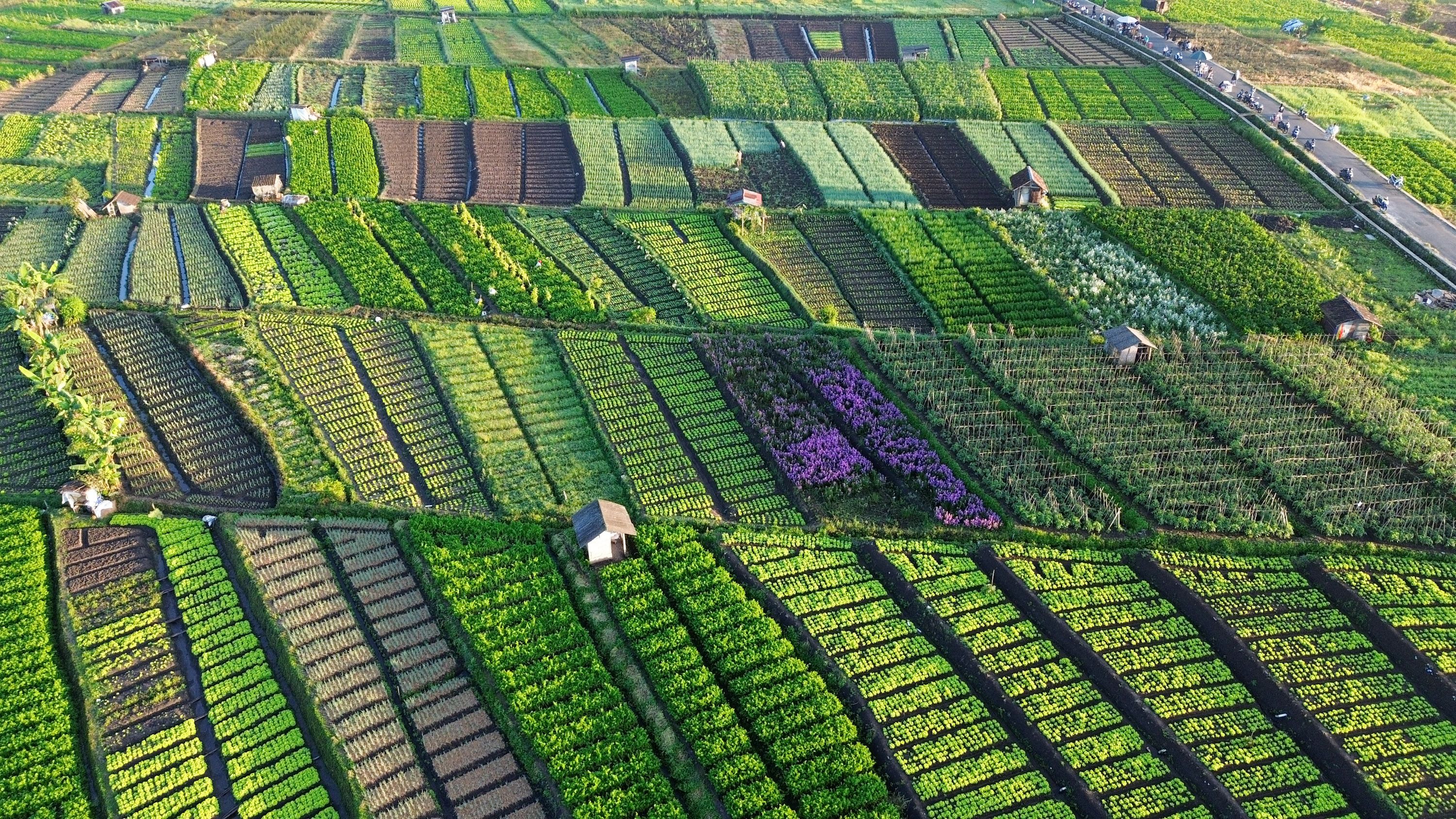
Organic farming and sustainable agriculture have gained momentum in Kenya, with increasing awareness of soil health, water conservation, and ecosystem balance. According to the Food and Agriculture Organization (FAO), Kenya's agribusiness sector contributes nearly 33% to the national GDP and employs over 75% of the rural population. However, challenges like soil degradation, erratic weather patterns, and limited arable land necessitate innovative farming approaches.
Vertical farming in Kenya leverages controlled-environment agriculture, enabling farmers to stack crops vertically to increase yield by up to 30% compared to traditional horizontal farming. Water use is remarkably efficient—saving nearly 90% through recirculating hydroponics and precision irrigation systems. This method also reduces transport distances by enabling urban production, resulting in fresher produce and reduced food losses.
Key Insights or Strategies

1. Implement Hydroponic and Aeroponic Systems for High Yields
Hydroponics allows growing plants in nutrient-rich water solutions without soil, while aeroponics suspends roots in air or mist, providing oxygen and nutrients efficiently. Both methods enable faster growth cycles and higher productivity.
- Select crops suitable for hydroponics and aeroponics such as leafy greens, herbs, and strawberries.
- Set up a controlled growing environment with adequate lighting, nutrient management, and pest control.
- Monitor nutrient solution pH and electrical conductivity regularly.
- Train staff on system maintenance and data-driven adjustments.
2. Maximize Land Use with Vertical Stacking
Vertical stacking allows farmers to cultivate more crops in smaller footprints, ideal for urban farming. This increases productivity per square foot and reduces pressure on scarce agricultural land.
- Use modular vertical racks or towers tailored to your farm space.
- Incorporate mobile or rotating systems to optimize light and air exposure.
- Combine with greenhouse cover kits to extend growing seasons and protect from pests.
3. Optimize Water and Nutrient Use with Drip Irrigation
Efficient water management is critical for sustainable farming. Drip irrigation minimizes water waste by delivering water directly to the root zone.
- Install drip irrigation kits compatible with hydroponic or soil-based systems.
- Regularly check for leaks or blockages to maintain system efficiency.
- Combine with rainwater harvesting to reduce reliance on mains water supply.
Boost your yields with the MySoil Soil Test Kit – available on Amazon, which helps you monitor nutrient levels and soil pH easily. For efficient irrigation, consider the RAINPOINT Drip Irrigation System – available on Amazon.
Explore sustainable organic farming solutions with Biofarm Kenya
Case Studies, Examples, or Comparisons
Several Kenyan farmers and agricultural innovators have successfully adopted vertical farming techniques. For example, in Nairobi, urban vertical farms have demonstrated up to 70% increased yield over conventional methods, significantly conserving water resources. Research institutions supported by the Kenyan Ministry of Agriculture have trialed solar-powered hydroponic systems to supplement the inputs with renewable energy.
According to a 2023 report by NEMA (National Environment Management Authority Kenya), vertical farming reduces pesticide use by up to 60%, contributing to less soil pollution and healthier ecosystems. The Agricultural Society of Kenya (ASK) promotes urban farming practices incorporating vertical systems, encouraging farmers to diversify and stabilize food supplies.
Common Mistakes to Avoid
- Neglecting soil health: Even with hydroponics, soil-based vertical farms must maintain organic matter and microbial life to prevent degradation.
- Overusing chemical fertilizers: This leads to nutrient imbalances, harming crops and the environment; organic alternatives are preferable.
- Poor irrigation management: Excessive watering or leaks reduce efficiency and increase water bills. Always monitor systems regularly.
- Ignoring pest and disease control: Without timely interventions, vertical farms can suffer losses; use integrated pest management tactfully.
- Lack of proper training: Without understanding system intricacies, farmers risk costly failures; seek expert guidance and training.
Expert Tips or Best Practices
For sustainable and profitable vertical farming success in Kenya, experts advise maintaining balanced soil nutrition using organic inputs and integrating technology for real-time monitoring. Using tools like the Soil Seed & Water Oasis Blend Organic Fertilizer can improve soil health and water retention naturally.
Invest in a quality soil testing kit to regularly assess nutrient levels and pH balance for precise fertilization. Combine this with drip irrigation systems to optimize water use and support robust plant growth.
Leverage greenhouse kits for small farms to protect crops from harsh weather and extend growing seasons. These structures provide a controlled climate, essential for consistent yields. Visit Biofarm Kenya's partner page to discover expert resources and products tailored to your farm's needs.
Future Trends or Predictions
The future of Kenyan agriculture is leaning strongly towards smart vertical farming technologies. Innovations include AI-driven crop monitoring systems that analyze plant health, automated irrigation schedules, and solar-powered growth environments reducing costs and environmental footprints.
Urban agriculture will expand with rooftop farms and container-based vertical systems, transforming cities into food hubs. Advances in biotechnology promise stronger, disease-resistant crop varieties suitable for vertical farms. These trends align with Kenya’s Vision 2030 goals for food security and economic growth.
Conclusion
Vertical farming emerges as a promising, sustainable, and profitable farming strategy in Kenya—boosting yields, conserving water, and maximizing use of limited land. By incorporating modern practices such as hydroponics, aeroponics, soil health management, and efficient irrigation, farmers can secure better incomes and contribute to food security.
Discover trusted organic farming tools on Amazon and learn more about sustainable solutions with Biofarm Kenya.
FAQs
1. What is vertical farming and how does it work in Kenya?
Vertical farming is the practice of growing crops in vertically stacked layers or structures, often incorporating soil-less techniques such as hydroponics and aeroponics. In Kenya, this method maximizes limited land space, especially in urban areas, while conserving water and increasing yield. For detailed information, visit FAO's Organic Agriculture FAQs.
2. How much water can vertical farming save compared to traditional farming?
Vertical farming can save up to 90% of water compared to conventional field farming by recycling and targeting water delivery directly to plant roots. For water conservation guidelines, see NEMA Kenya.
3. What crops are best suited for vertical farming in Kenya?
Leafy greens like spinach and kale, herbs such as basil, and strawberries are highly suitable due to their short growth cycles and high value. Farmers also experiment with tomatoes and peppers in controlled environments. Learn more from the Ministry of Agriculture, Kenya.
4. How can smallholder farmers access vertical farming technologies?
Smallholder farmers can start with modular vertical garden kits and affordable tools like drip irrigation and soil testing kits. Support and training are available through organizations such as Biofarm Kenya and government extension programs.
5. Are organic fertilizers effective in vertical farming?
Yes, organic fertilizers improve soil structure and microbial activity, which are essential even in soil-based vertical systems. Liquid organic fertilizers can also be integrated into hydroponic nutrient solutions. For best practices, refer to Kenya Bureau of Standards.
6. What are the economic benefits of vertical farming for Kenyan farmers?
Vertical farming increases yield per square meter, reduces input costs like water and pesticides, and enables year-round cropping, thereby improving profitability. The Agricultural Society of Kenya (ASK) provides success stories and economic analysis on their website ask.co.ke.
Internal Biofarm Kenya Resources:



0 Comments