

Estimated Reading Time: 12 minutes
TL;DR: Controlled Deficit Irrigation (CDI) reduces water usage by 30% without dropping maize yields when paired with drought-tolerant hybrids. Prioritizing tasseling, surface mulching, and precise threshold calculations enhances efficiency. See how Kenyan farmers adapt with real examples and best practices.
Key Takeaways:
- Strategically reduce water usage by 20–30% during non-critical maize growth stages.
- Use soil moisture sensors for efficient irrigation scheduling.
- Implement surface mulching with crop residues.
- Choose drought-tolerant maize hybrids to withstand water deficits.
Background & Context
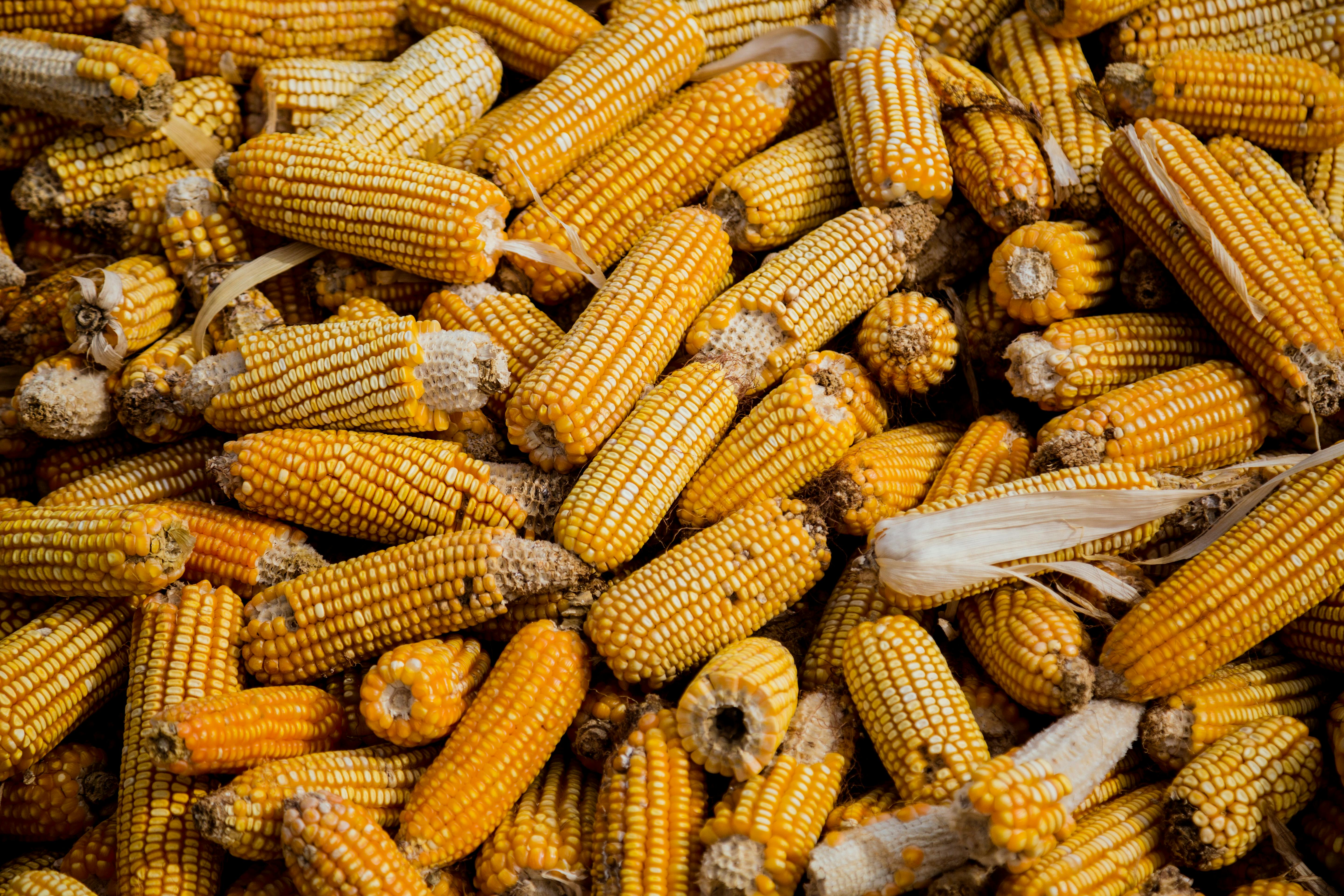
Controlled deficit irrigation (CDI) is a critical practice for Kenyan farmers facing erratic rainfall. Studies by the Kenya Agricultural Research Institute show that using CDI in maize helps cut water use by 30% without losing yield, especially when partnered with drought-resistant hybrids. With Kenya's agribusiness sector projected to grow significantly, sustainable water management is paramount.
Key Insights or Strategies
1. Scheduling Irrigation
Efficient irrigation scheduling is critical. By prioritizing the tasseling and silking phases, where maize is most sensitive to water stress, farmers can ensure crop growth without excessive water use.
- Use soil moisture sensors to determine accurate watering needs.
- Adjust irrigation schedules based on real-time soil data.
- Sustain soil moisture by surface mulching with maize stalks.
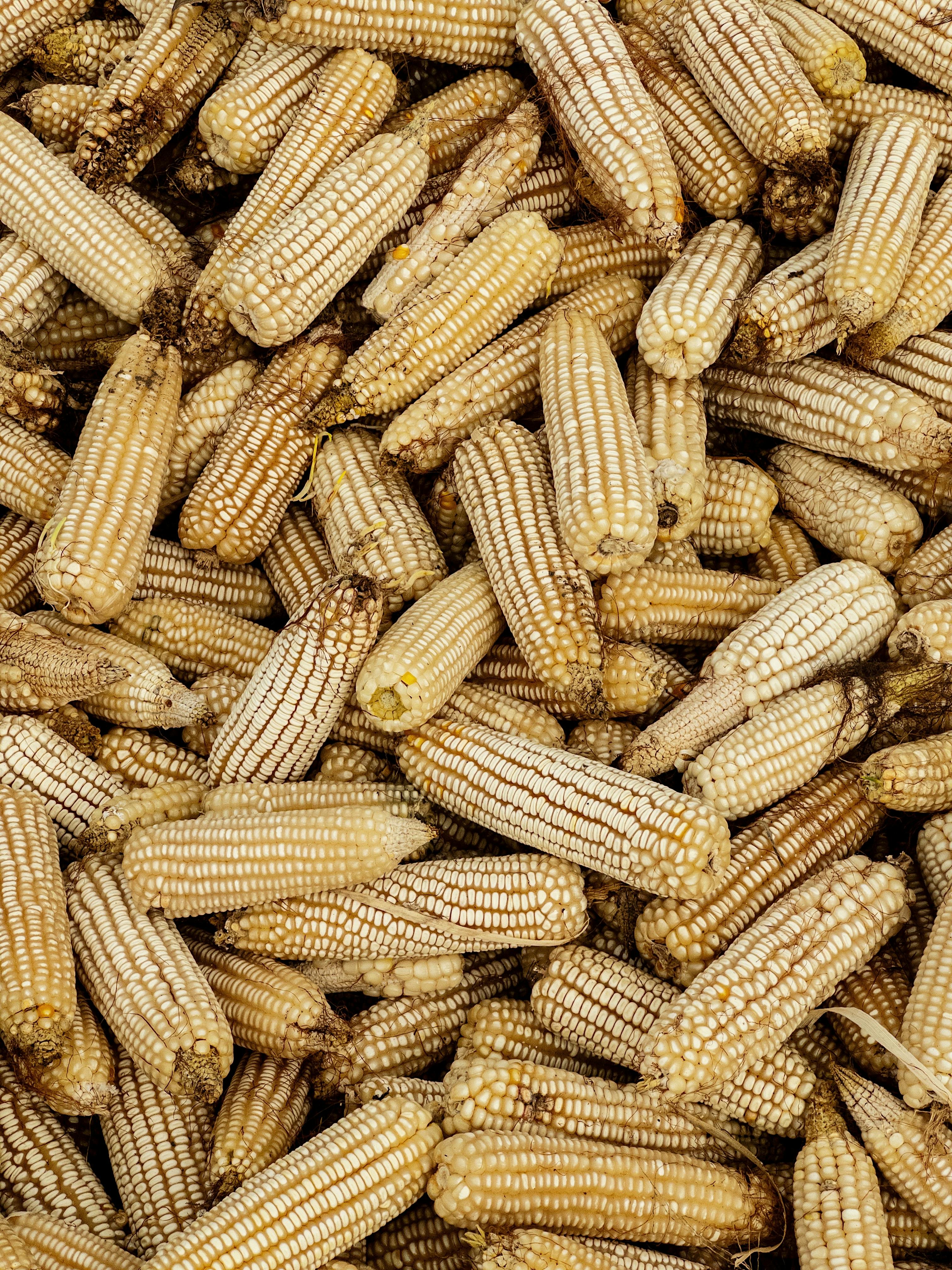
Boost your yields with the Soil pH & Moisture Tester Kit – available on Amazon.
Explore sustainable organic farming solutions with Biofarm Kenya
Case Studies, Examples, or Comparisons
A 2025 study from the University of Nairobi found that irrigation at 50% deficit can enhance water use efficiency with minimal yield loss in semi-arid regions like Kiboko, Kenya. Another study indicated that French beans in Nakuru could reduce water requirements by 20% without yield loss, validating the broad application of CDI.
Source: University of Nairobi Repository
Common Mistakes to Avoid
- Overwatering during non-critical growth stages – This wastes water and does not improve yield.
- Inadequate soil moisture monitoring – Can lead to inefficient water use.
- Failure to use drought-tolerant hybrids – These hybrids are better equipped to handle water stress.
Expert Tips or Best Practices
Maintaining healthy soil is essential to effective CDI. Consider using an Organic Compost Starter Mix to enhance soil fertility.
Explore sustainable organic farming solutions with Biofarm Kenya
Future Trends or Predictions
Future innovations include smart irrigation systems integrating AI for real-time moisture sensing and water management. Vertical farming and AI-driven crop monitoring are also poised to revolutionize Kenyan agriculture.
Conclusion
Incorporating controlled deficit irrigation into Kenyan maize farming offers significant water savings without sacrificing yield. By adopting these best practices, such as smart irrigation scheduling and using drought-tolerant hybrids, farmers can thrive despite challenging climatic conditions.
Discover trusted organic farming tools on Amazon and learn more about sustainable solutions with Biofarm Kenya.
FAQs
- What is controlled deficit irrigation? – Controlled deficit irrigation is a sustainable water management technique that reduces water usage during non-critical plant growth stages without affecting yield. More on this from FAO.
- How does CDI benefit Kenyan farmers? – CDI helps farmers use less water while maintaining high yields, crucial in areas experiencing erratic rainfall. Learn more at NEMA.
- What are drought-tolerant hybrids? – These are specially bred plants capable of withstanding lower water conditions. See more at Kenya Agricultural Research Organisation.
- How does CDI affect soil health? – Properly implemented, CDI maintains soil moisture and reduces erosion, enhancing soil health. Info at KEBS.
- Why use soil moisture sensors? – These sensors give precise data for water needs, reducing waste and optimizing growth. Find out more at Biofarm Kenya.
- What are emerging trends in irrigation technologies? – Emerging trends include AI-driven systems for precise irrigation, ensuring resource conservation. Explore Technology.org for insights.


0 Comments