

Estimated Reading Time: 11 minutes
TL;DR: Explore how Kenyan farmers can boost yields with sustainable organic farming practices. Emphasizing conservation agriculture, this guide focuses on improving soil health through organic inputs, no-till planting, intercropping, and biochar.
Key Takeaways:
- Kenyan farmers can enhance soil health using organic inputs like compost.
- No-till planting helps retain soil moisture and structure.
- Intercropping with nitrogen-fixing crops boosts soil fertility.
- Biochar aids nutrient retention, improving yield stability.
- Affordably priced tools and solutions are available online.
Table of Contents
- Introduction
- Background & Context
- Key Insights or Strategies
- Case Studies, Examples, or Comparisons
- Common Mistakes to Avoid
- Expert Tips or Best Practices
- Future Trends or Predictions
- Conclusion
- FAQs
Introduction
Kenyan farmers are increasingly seeking alternatives to chemical fertilizers due to rising costs and soil degradation. This comprehensive guide delves into sustainable organic farming practices that improve yields and soil health. Focusing on conservation agriculture with organic inputs like compost and legume rotations, this guide shows how no-till planting and biochar can boost maize yields by up to 30% according to a 2025 KALRO study.
Background & Context
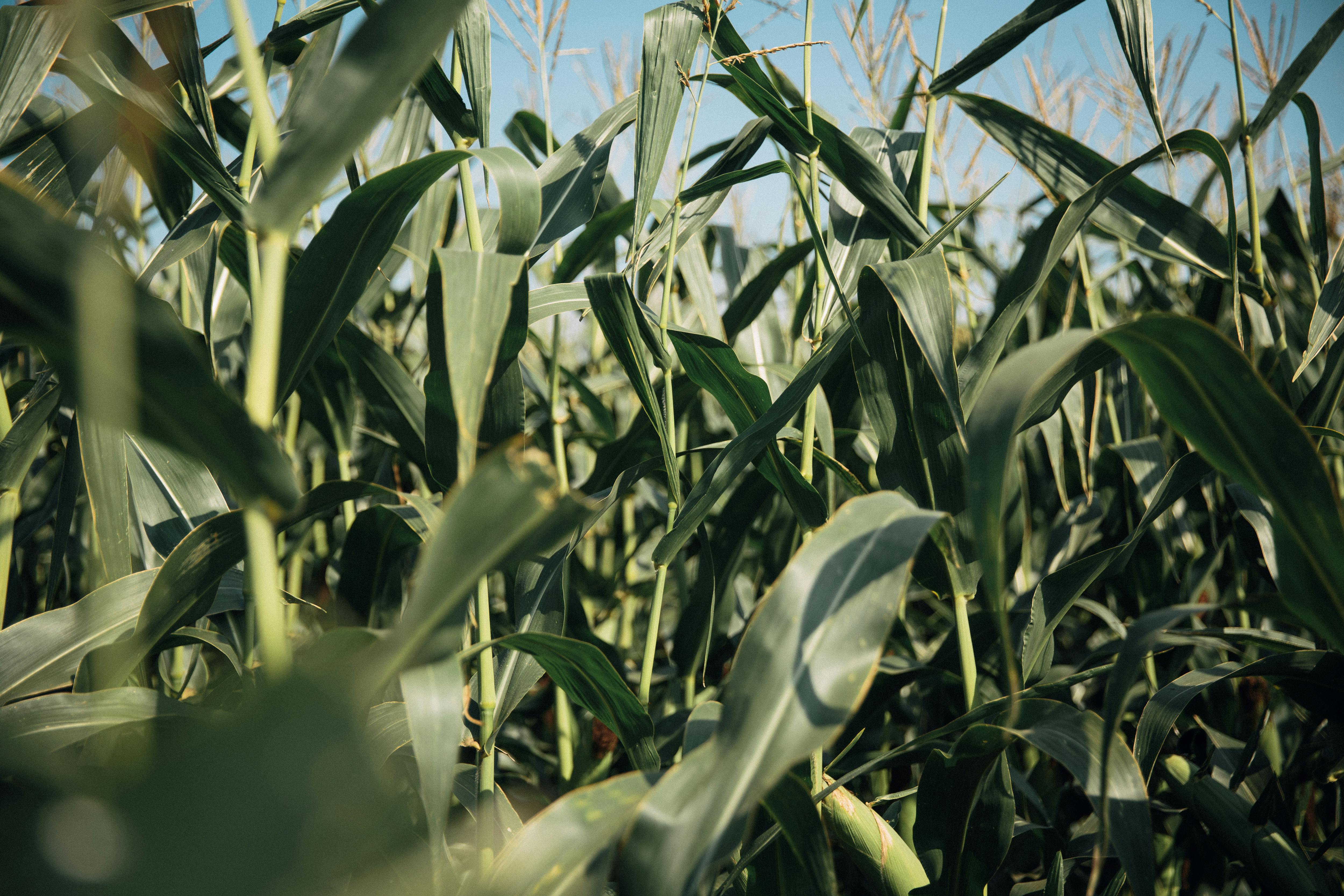
As traditional farming methods damage soil fertility, sustainable agriculture offers a viable alternative. Kenya's agribusiness sector remains pivotal, supporting food security through eco-friendly practices.
Key Insights or Strategies
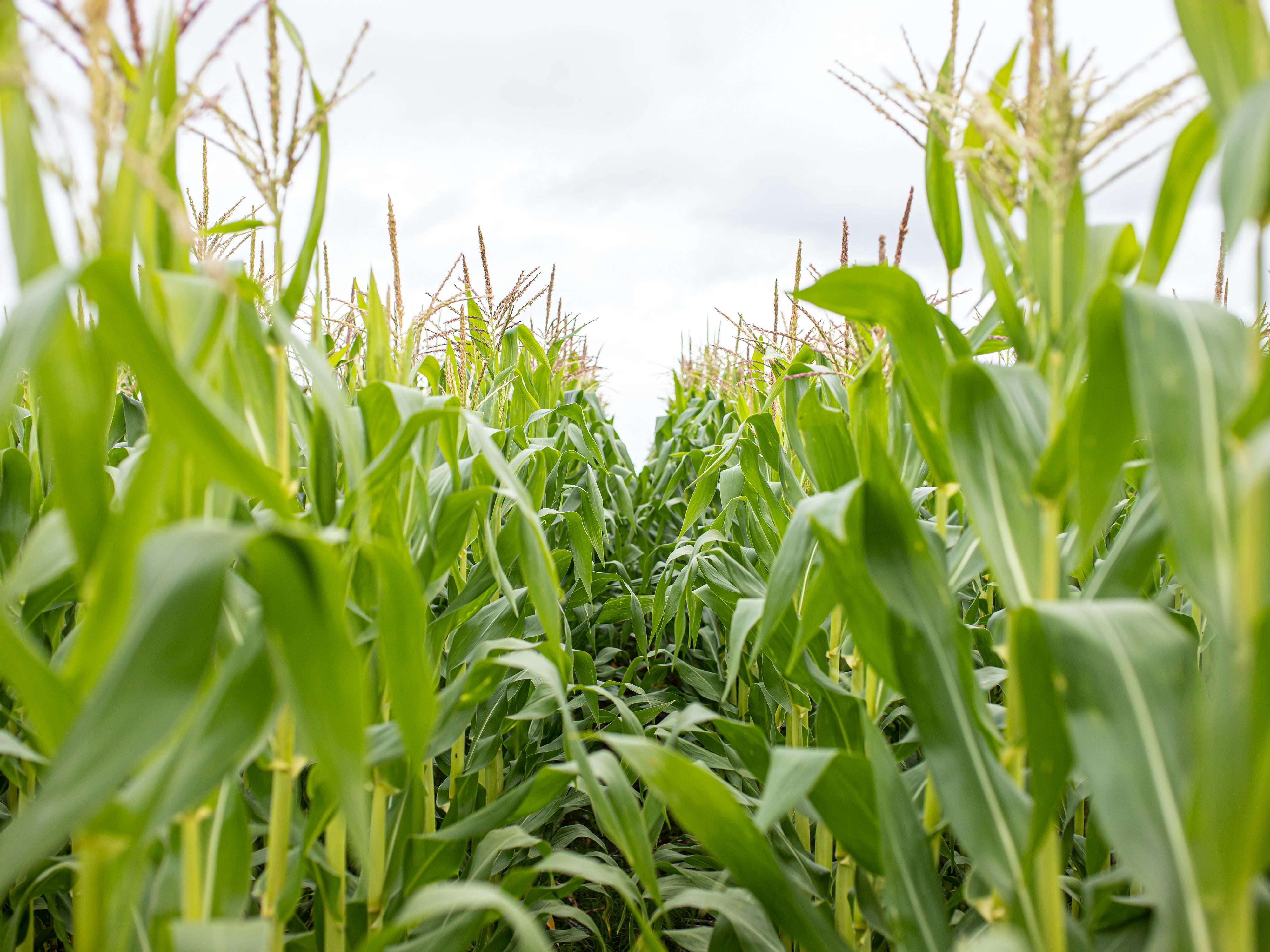
1. Organic Inputs
- Utilize compost and natural fertilizers to enrich the soil.
- Practice crop rotation to balance nutrients.
- Adopt vermicomposting for added benefits.
Enhance soil fertility with the Drammatic® Organic™ Original Fertilizer available on Amazon.
2. No-Till Planting
- Retain moisture and structure through no-till techniques.
- Minimize soil disturbance by leaving crop residues.
3. Biochar Application
- Use biochar to retain soil nutrients and improve stability.
For efficient irrigation, consider the CARPATHEN Drip Irrigation System Kit available on Amazon.
Explore sustainable organic farming solutions with Biofarm Kenya
Case Studies, Examples, or Comparisons
Farmers in the North Rift region have adopted conservation agriculture, leading to increased yields. A report by FAO highlights these methods, showing significant improvements in sustainability and profitability.
Common Mistakes to Avoid
- Over-reliance on chemical fertilizers without soil testing.
- Ignoring crop rotation leading to soil fatigue.
- Improper water management wasting resources and degrading soil.
Expert Tips or Best Practices
Kenyan farmers should incorporate legumes into their rotations to naturally fix nitrogen.
Maintain healthy soil with Organic Compost Starter Mix.
Learn more about sustainable practices with Biofarm Kenya
Future Trends or Predictions
The future of Kenyan agriculture lies in smart irrigation, vertical farming, and AI-driven crop monitoring. These technologies promise enhanced productivity and resource efficiency.
Conclusion
Adopting sustainable organic farming methods can drastically improve yields and soil health for Kenyan farmers. Discover trusted organic farming tools on Amazon and learn more about sustainable solutions with Biofarm Kenya.
FAQs
1. What is organic farming?
Organic farming is a method that uses natural inputs to foster soil health and sustainability, avoiding synthetic fertilizers and pesticides. Learn more from FAO.
2. How can I make my soil more fertile?
Incorporate organic matter like compost and practice crop rotation. More tips are available from Kenya Agricultural Authority.
3. What are the benefits of no-till planting?
No-till planting reduces soil erosion, improves water retention, and enhances soil structure. Read more from NEMA.
4. Why is biochar important?
Biochar helps in soil nutrient retention and carbon sequestration. Details available at ResearchGate.
5. What crops are suitable for intercropping in Kenya?
Common options include maize with beans. The Ministry of Agriculture provides further guidance here.
6. How do drip irrigation systems work?
They provide precise water delivery to conserve resources. Learn more from Biofarm Kenya.


0 Comments