

Estimated Reading Time: 12 minutes
TL;DR:
- Vertical farming revolutionizes crop production with 30% higher yields by optimizing space and resource use, crucial for Kenyan urban and peri-urban agriculture.
- Integrating technologies like hydroponics and aquaponics enhances efficiency and sustainability.
- Successful Kenyan case studies showcase smart horticulture and fish farming solutions.
- Common mistakes in soil and irrigation management can undermine vertical farm potential.
- Future trends include AI-driven monitoring, smart irrigation, and climate-smart innovations.
Key Takeaways:
- Adopt vertical farming to increase productivity especially in land-scarce Kenyan urban settings.
- Use efficient irrigation such as drip systems and organic fertilizers to maximize soil health.
- Leverage affordable soil testing kits to monitor and optimize growing conditions.
- Explore partner-supported sustainable farming solutions with Biofarm Kenya.
- Stay updated on emerging agri-tech trends to future-proof your farm operations.
Table of Contents
- Introduction
- Background & Context
- Key Insights or Strategies
- Case Studies, Examples, or Comparisons
- Common Mistakes to Avoid
- Expert Tips or Best Practices
- Future Trends or Predictions
- Conclusion
- FAQs
Introduction
The Vertical Farming Revolutionizes Crop Production with 30% Higher Yields concept is transforming agriculture in Kenya by providing sustainable, space-efficient farming solutions. In a nation where agriculture is a key economic pillar and essential for food security, vertical farming offers a breakthrough to address challenges like land scarcity, soil degradation, and water shortages. This innovative method leverages technology to maximize production within controlled environments, enabling Kenyan farmers—especially in urban and peri-urban areas—to increase profitability while minimizing environmental impact.
Background & Context

Kenya's agribusiness sector is rapidly evolving, adopting more sustainable farming strategies to cope with the pressures of a growing population and climate change. Recent studies report that organic farming acreage in Kenya has increased significantly, driven by the demand for chemical-free produce and soil health improvement. However, limited arable land and soil fertility challenges hinder conventional farming yields. The country’s Ministry of Agriculture has noted that innovative practices like vertical farming can contribute to closing the food production gap by increasing efficiency and reducing resource use. According to the Food and Agriculture Organization (FAO), vertical farming can boost yields by up to 30%, aligning perfectly with Kenya’s push towards sustainable intensification of agriculture.
Key Insights or Strategies
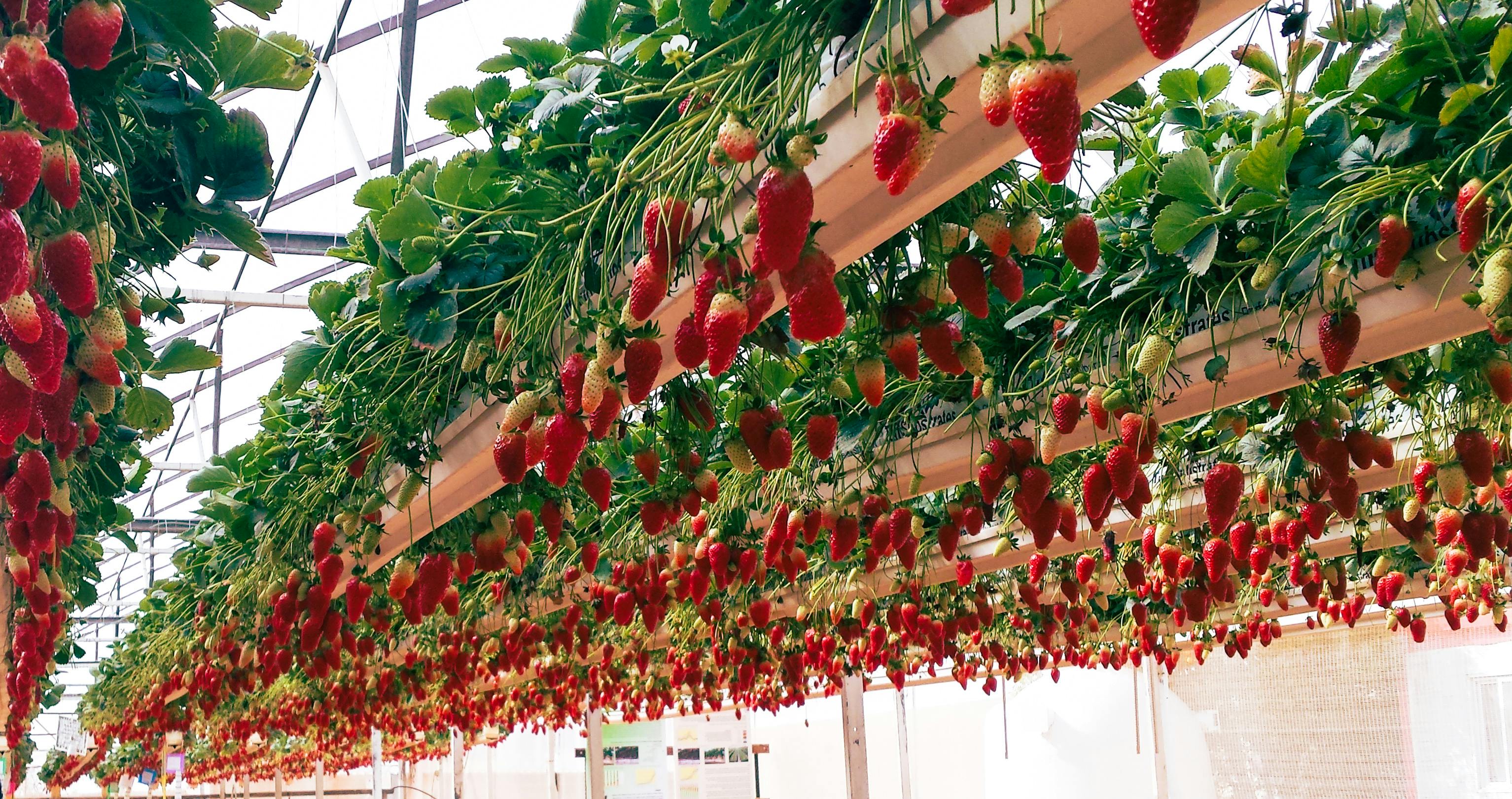
1. Optimize Space and Resource Use with Layered Crop Cultivation
Vertical farming stacks crops in layers, allowing farms to maximize space in densely populated or land-limited areas such as Nairobi's urban slums and peri-urban regions. This method significantly reduces the land footprint needed for food production.
- Set up vertical rigs or multi-level planting beds using hydroponic or aeroponic systems.
- Choose crop varieties suited for vertical growth, such as leafy greens, herbs, and small fruiting plants.
- Maintain controlled environment conditions (light, humidity, temperature) for consistent growth.
2. Implement Water-Efficient Irrigation Systems
Water scarcity is a major concern in Kenya, making efficient irrigation techniques vital for sustainable farming. Drip irrigation delivers water directly to the plant roots, reducing waste and improving water use efficiency.
- Install a reliable drip irrigation system tailored to vertical farming setups.
- Incorporate timers and moisture sensors for precise water delivery based on crop needs.
- Recycle water using closed-loop hydroponic or aquaponic systems to minimize consumption.
Boost your irrigation setup with the CARPATHEN Drip Irrigation System Kit – available on Amazon.
3. Maintain Soil Health with Organic Inputs
Though vertical farming often uses soilless media, organic fertilizers and soil amendments remain crucial for small-scale soil-based vertical farms and container urban gardening.
- Utilize organic composts or specially formulated organic fertilizers to enrich growth media.
- Apply mineral amendments to balance nutrients as indicated by soil testing.
- Regularly test soil or growing media to prevent nutrient deficiencies or toxicities.
Enhance soil nutrition using the Soil Seed & Water Oasis Blend Organic Fertilizer – available on Amazon.
Explore sustainable organic farming solutions with Biofarm Kenya
Case Studies, Examples, or Comparisons
Farmers such as Kimani and Mwithiga from Western Kenya have implemented vertical farming systems combining hydroponics and fish farming (aquaponics) to create sustainable, high-yield enterprises. According to the Food and Agriculture Organization (FAO), these integrated systems can improve resource efficiency and provide nutritional benefits to local communities.
In Nairobi, vertical farming initiatives in high-density areas such as Kibera utilize sack gardening and compact hydroponic towers to combat poverty and food insecurity, supported by NGOs and government programs. The Ministry of Agriculture of Kenya endorses such innovations as part of urban food security strategies.
Common Mistakes to Avoid
- Overwatering or inefficient water use: This leads to root diseases and wasted resources. Use drip irrigation and monitor moisture levels carefully.
- Neglecting nutrient management: Without regular soil or media testing, nutrient imbalances can stunt growth or cause toxicity. Use soil testing kits to stay informed.
- Poor pest and disease control: Even in controlled environments, pests can impact yields—adopt integrated pest management practices.
- Ignoring environmental controls: Insufficient lighting or airflow reduces productivity—ensure systems are optimally designed for the crops grown.
Expert Tips or Best Practices
Kenyan farmers venturing into vertical farming can benefit from these practical recommendations:
- Invest in affordable soil testing kits to regularly monitor pH and nutrient levels, ensuring optimal growing conditions.
- Use organic compost starters such as the Organic Compost Starter Mix to enrich growing media where soil-based vertical farming is practiced.
- Partner with organizations like Biofarm Kenya for access to tailored organic inputs, expert advice, and sustainable farming solutions.
- Maintain proper ventilation and temperature control in indoor vertical farms using fans or automated climate control systems.
Future Trends or Predictions
Vertical farming in Kenya is poised for growth driven by innovations such as:
- AI-driven crop monitoring: Using sensors and AI to optimize plant health and yields through real-time data analysis.
- Smart irrigation technologies: Automated drip and hydroponic watering systems that adapt to crop water demand.
- Integration of renewable energy: Solar-powered vertical farms to reduce environmental footprint.
- Expansion of aquaponics: Combining fish farming with plant cultivation for circular resource use.
As these technologies become more accessible and affordable, Kenyan farmers will be empowered to scale up vertical farming, contributing significantly to national food security and climate resilience.
Conclusion
The Vertical Farming Revolutionizes Crop Production with 30% Higher Yields by transforming how Kenyan farmers grow crops in limited spaces with reduced resources. Embracing innovative methods like hydroponics, drip irrigation, and organic inputs can maximize yields, profitability, and sustainability. For farmers seeking trusted supplies, discover organic farming tools on Amazon alongside expert support from Biofarm Kenya.
FAQs
What is vertical farming, and how does it benefit Kenyan agriculture?
Vertical farming is an innovative agricultural technique that grows crops in vertically stacked layers, using controlled environments and technologies like hydroponics. It benefits Kenyan agriculture by maximizing land use, improving yields by about 30%, and conserving water. More info: FAO Vertical Farming Overview
Can vertical farming work in Kenya’s urban slums?
Yes, vertical farming suits Kenyan urban slums by enabling food cultivation in limited spaces such as rooftops and alleys. Programs in Nairobi's Kibera slum have successfully used sack gardening and vertical towers to improve food security. See details: NEMA Kenya Urban Agriculture
What are the best fertilizers for vertical farming in Kenya?
Organic fertilizers enriched with minerals are recommended for vertical farming. Products like the Soil Seed & Water Oasis Blend and compost starters help maintain soil or growing media fertility sustainably. Learn more: Biofarm Kenya Fertilizer Solutions
How can farmers monitor crop health in vertical farms?
Using affordable soil testing kits and moisture sensors allows farmers to monitor nutrient levels, pH, and soil moisture. This assists in timely adjustments to maximize crop growth. Recommended tools: Soil Test Kits on Amazon
What are common pitfalls in setting up vertical farms?
Avoid overwatering, neglecting nutrient balance, poor pest control, and insufficient environmental regulation like light and ventilation. Correct planning and routine monitoring are essential. Guidance: Kenya Ministry of Agriculture
Where can Kenyan farmers find support for vertical farming?
Farmers can collaborate with organizations like Biofarm Kenya offering organic farming solutions and training. Additionally, research institutions and agri-tech hubs provide technical support. See Biofarm Kenya Partners for resources.


0 Comments