

Estimated Reading Time: 11 minutes
TL;DR:
- Vertical farming is a promising and rapidly growing agribusiness opportunity in Kenya, combining smart horticulture and sustainable practices.
- The market for vertical farming is projected to reach $33.8 billion by 2027 globally, offering innovative pathways for food security and resource-efficient agriculture.
- Kenyan farmers can adopt hydroponics, aeroponics, and aquaponics in vertical farming to save water and boost yields on small land areas.
- Key tools such as drip irrigation systems and soil testing kits enhance farm productivity and sustainability.
- Partnerships with sustainable organic farming experts like Biofarm Kenya can help farmers implement modern practices profitably.
Key Takeaways:
- Explore Most Profitable Farming Ideas in 2026 by integrating vertical farming methods suitable for Kenyan conditions.
- Utilize water-saving technologies like drip irrigation and advanced soil testing for optimal resource use.
- Adopt smart farming technologies—digital controls, hydroponics, aquaponics—for resilient and efficient farming.
- Learn from successful Kenyan case studies and avoid common mistakes in soil and water management.
- Explore sustainable organic farming solutions with Biofarm Kenya to access expert guidance and quality inputs.
Introduction
As Kenya deepens its commitment to sustainable agriculture, Most Profitable Farming Ideas in 2026 increasingly emphasize innovative methods such as vertical farming. This method, which involves growing crops in vertically stacked layers, supports urban and peri-urban farmers with limited land but growing food demands. With Kenya’s agriculture sector being vital for employment and food security, adapting new farming methods promises increased profitability and sustainability.
Background & Context
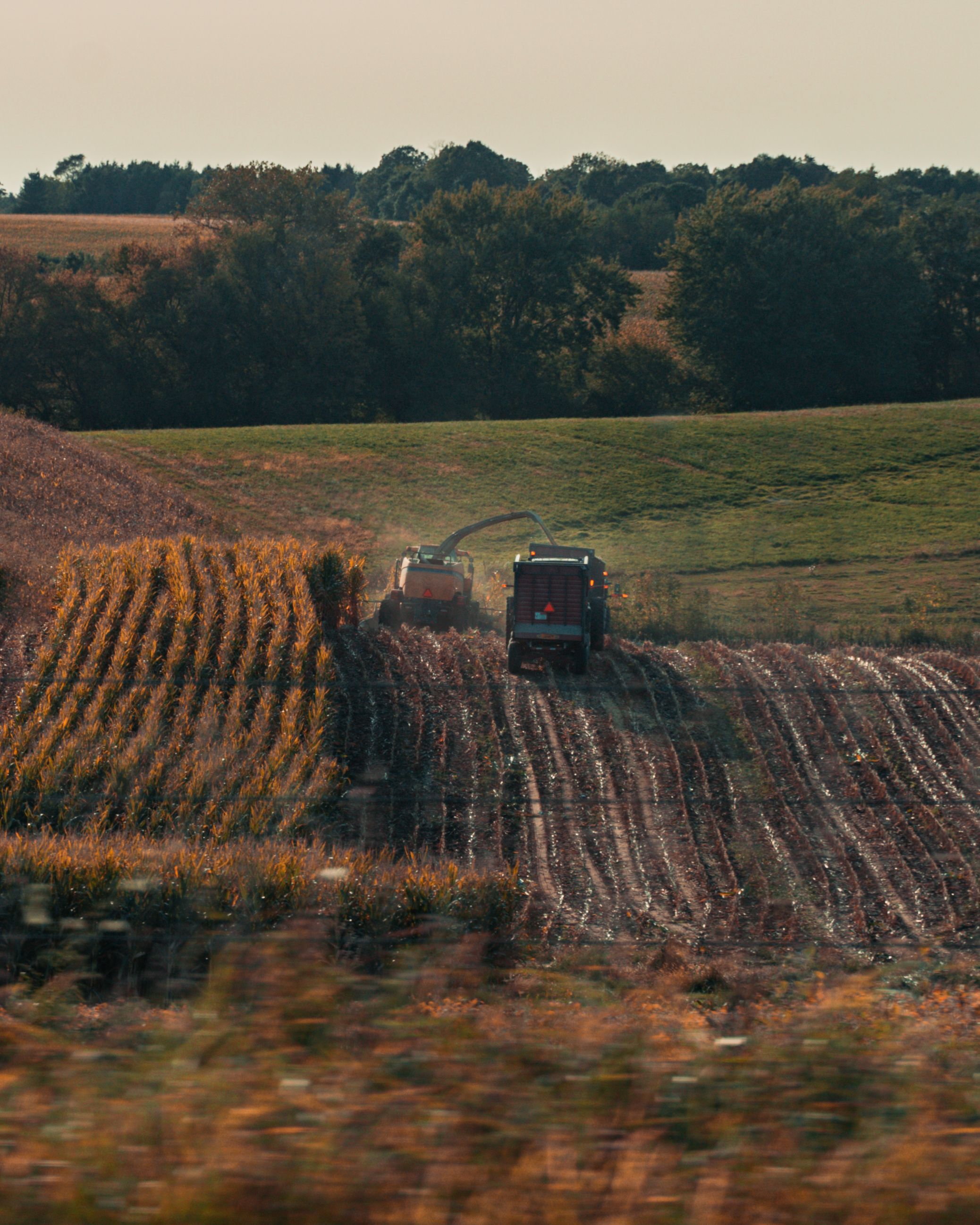
Organic farming and sustainable agribusiness are on a growth trajectory across Kenya. Data from the Ministry of Agriculture indicates increased adoption of organic and smart farming, which complements traditional methods by improving soil health and crop resilience. Soil fertility remains a key challenge in parts of Kenya, with farmers increasingly turning to organic amendments and precision agriculture.
Vertical farming development in Kenya taps into this need by allowing high-density crop production that uses less soil and water, benefiting from controlled environments and cutting-edge technology. This farming model addresses urban food demand while conserving natural resources, aligning with global trends forecasting vertical farming's value to hit $33.8 billion by 2027.
Key Insights or Strategies

1. Deploy Vertical Farming Technologies: Hydroponics, Aeroponics, and Aquaponics
These soil-less farming techniques save water—up to 90% less compared to conventional methods—and optimize nutrient delivery. Kenyan farmers adopting this approach can grow diverse crops within limited spaces, producing high yields sustainably.
- Start with choosing the right vertical farming system based on crop type and space.
- Install drip irrigation and ensure nutrient solution recycling for water-use efficiency.
- Implement climate and digital sensors for precise control of moisture, light, and temperature.
- Train farm workers on system maintenance and monitoring to sustain production.
2. Utilize Water-Saving Irrigation Systems
Efficient water management is critical. Drip irrigation targets water delivery directly to plant roots, reducing evaporation and runoff.
Boost your yields with the Flantor Drip Irrigation Kit – available on Amazon .
This kit provides a smart and affordable way to automate watering with minimal wastage, perfect for vertical farms and smallholder operations.
3. Conduct Regular Soil and Nutrient Testing
While vertical farming often reduces reliance on soil, traditional farms growing organic produce benefit greatly from nutrient testing to optimize inputs.
- Use soil testing kits to determine pH and key nutrient levels.
- Adjust organic amendments based on test results to enhance fertility without chemical buildup.
- Combine test data with plant health observations for holistic management.
For accurate, easy testing, try this Soil pH & Moisture Tester Kit – available on Amazon .
Additionally, Explore sustainable organic farming solutions with Biofarm Kenya, which offers expert advice and organic inputs tailored to local conditions.
Case Studies, Examples, or Comparisons
Several Kenyan farmers have successfully pioneered vertical farming, especially in Nairobi and Kisumu, where urban space is a challenge. For instance, Ukulima Tech, a Kenya Climate Innovation Center client, uses organic vertical farming combined with aquaponics to produce healthier, eco-friendly vegetables and fish.
The Food and Agriculture Organization (FAO) reports that integrating fish farming with vertical vegetable production increases food security by diversifying farm outputs and income streams, supporting rural livelihoods.
Common Mistakes to Avoid
- Over-irrigation: Excess water causes root rot and wastes scarce resources. Use drip irrigation and monitor moisture carefully.
- Ignoring soil testing: Fertilizing without knowledge can lead to nutrient imbalances and poor yields.
- Poor ventilation in farms: Vertical farms require air circulation to prevent fungal diseases—plan airflow accordingly.
- Improper nutrient mixes: Using incorrect nutrient formulas in hydroponics can stunt growth—consult experts and test regularly.
Expert Tips or Best Practices
Kenyan farmers are encouraged to integrate organic material like compost to maintain soil structure and fertility in vertical farm sub-strates or traditional plots.
Maintain healthy soil with the Organic Compost Starter Mix , which accelerates composting and improves the organic matter quality.
Farmers should also leverage digital farm management tools for real-time monitoring and decision-making, increasing precision agriculture success.
For comprehensive support, Explore sustainable organic farming solutions with Biofarm Kenya for access to expert insights, quality inputs, and agribusiness networks.
Future Trends or Predictions
Looking ahead, vertical farming in Kenya is poised to integrate more AI-driven crop monitoring, enhancing early pest detection and yield predictions. Smart irrigation systems with automated sensors will become commonplace, optimizing water use further.
Technological advances will also enable better climate control in vertical farms, expanding the range of crops grown year-round with fewer environmental impacts. Partnerships between technology providers, agribusinesses, and farmers will be key to scaling these innovations.
Conclusion
Embracing vertical farming and sustainable agriculture techniques offers Kenyan farmers robust solutions aligned with The Most Profitable Farming Ideas in 2026. Innovations such as drip irrigation, soil testing kits, and organic compost can transform yields while supporting resource conservation.
Discover trusted organic farming tools on Amazon and learn more about sustainable solutions with Biofarm Kenya .
FAQs
1. What is vertical farming and how does it work in Kenya?
Vertical farming involves growing crops in vertically stacked layers, utilizing methods such as hydroponics and aeroponics. It allows urban farmers in Kenya to produce high yields with limited land and water. More info at FAO.2. How can I minimize water usage in my farm?
Implement drip irrigation and water recycling systems as recommended by the Ministry of Agriculture Kenya. These technologies deliver water efficiently, reducing waste. Visit Kenya Ministry of Agriculture for guidance.3. What organic fertilizers work best for Kenyan soils?
Organic compost, manure, and soil amendments rich in nitrogen, phosphorus, and potassium are effective. Soil testing helps tailor inputs. See recommendations from KEBS.4. How do I avoid common mistakes in irrigation and nutrient management?
Avoid overwatering, monitor soil moisture, and test soil regularly to adjust fertilizer use. Biofarm Kenya provides practical training; learn more at Biofarm Kenya.5. Are there successful examples of vertical farming in Kenya?
Yes, several farms like Ukulima Tech have demonstrated how vertical farming combined with aquaponics can improve productivity and sustainability. See case studies at the National Environment Management Authority.6. What are the future technologies shaping Kenyan agriculture?
AI crop monitoring, automated irrigation, and digital farm management are rapidly growing. These tools enable efficient, sustainable farming models tailored to Kenyan climates. Learn more via Biofarm Kenya.
Additional resources and updates on sustainable farming practices can be found at the Biofarm Kenya platform: Biofarm Kenya Partners.
For deeper insights and ongoing farmer support visit Biofarm Kenya.


0 Comments