

Estimated Reading Time: 11 minutes
TL;DR:
- The Vertical Farming Revolutionizes Crop Production is transforming agriculture in Kenya by maximizing space and resource efficiency.
- Indoor vertical farming in Kenya can save up to 90% water compared to traditional methods, vital for drought-prone areas.
- Adopting smart horticulture, hydroponics, aeroponics, and aquaponics boosts yields and helps ensure food security.
- Common mistakes in soil management and irrigation can reduce productivity, but modern soil testing kits and drip irrigation systems can help.
- Future trends in Kenya’s agriculture include AI-driven monitoring, smart irrigation, and expanding vertical farm technologies.
Key Takeaways:
- Integrate vertical farming techniques to optimize urban and limited land spaces for crop production.
- Utilize soil testing kits to monitor and manage soil fertility and balance nutrients effectively.
- Implement drip irrigation systems to save water while ensuring precise plant hydration.
- Take advantage of greenhouse kits to extend growing seasons and protect crops from weather variability.
- Engage with Biofarm Kenya to access sustainable organic farming solutions tailored for local needs.
Introduction
Sustainable agriculture in Kenya is undergoing a promising transformation as the focus shifts towards innovative methods to enhance food security and environmental sustainability. Among these, Vertical Farming Revolutionizes Crop Production by utilizing indoor farming techniques that optimize limited land space and conserve critical resources like water. With Kenya’s growing population and urbanization, traditional farming faces challenges such as land scarcity, climate variability, and soil degradation. Indoor farming presents a solution by enabling year-round crop production in controlled environments, thus supporting food systems resilience and boosting farmer incomes.
Background & Context
Kenya’s agriculture sector is pivotal to its economy, providing employment to over 70% of the rural population and accounting for nearly one-quarter of GDP. Yet, issues like soil nutrient depletion and erratic rainfall patterns threaten productivity. Organic farming approaches, which emphasize natural soil fertility restoration and minimizing external chemical inputs, are expanding in Kenya at approximately 13% annual growth. This aligns with rising consumer demand for organic products and sustainable practices.
According to the Ministry of Agriculture, the agribusiness sector is embracing innovations such as hydroponics and aquaponics, key components of indoor vertical farming systems. These approaches significantly enhance soil health, conserve water, and increase yield per unit area, addressing Kenya’s land and resource constraints effectively.
Key Insights or Strategies

1. Optimize Space with Vertical and Indoor Farming
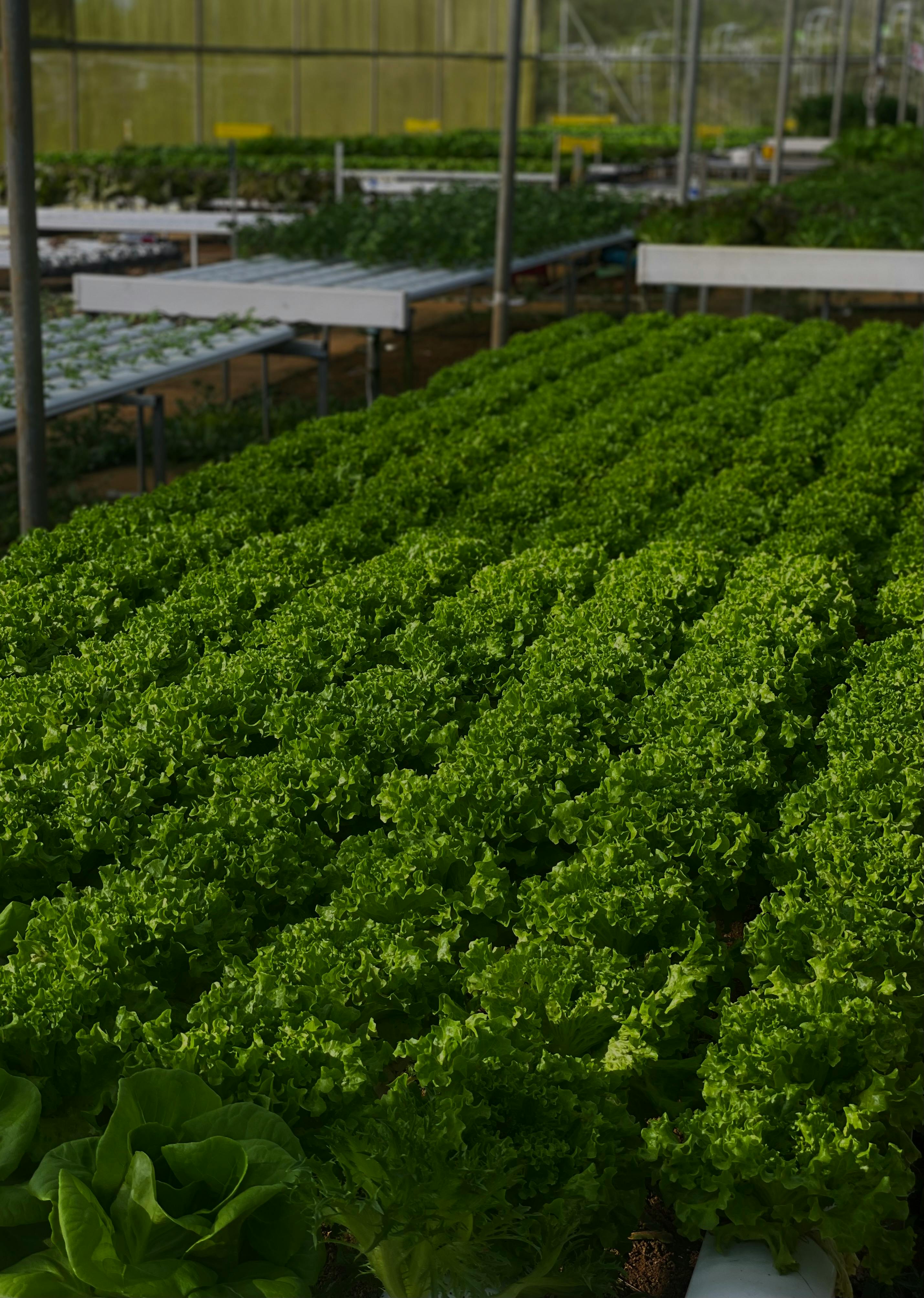
Growing crops in stacked layers within climate-controlled greenhouses or warehouses allows Kenyan farmers to:
- Utilize urban and peri-urban spaces that are otherwise unsuitable for traditional farming.
- Reduce land footprint while increasing total production volume.
- Control environmental factors to improve crop quality and reduce pest pressures.
Boost your vertical farm’s productivity with the Premium Soil Test Kit – available on Amazon. This tool offers 40 tests for key soil nutrients and pH, helping you maintain optimal growing conditions.
2. Efficient Water Use via Drip Irrigation
Kenya’s vertical farms can reduce water use by up to 90% using modern recirculation and drip irrigation systems. Drip irrigation delivers precise water amounts directly to roots, reducing waste and increasing yield.
- Install adjustable drip emitters suitable for plants’ varying water needs.
- Combine with rainwater harvesting for sustainable water management.
- Regularly monitor system integrity to prevent leaks and blockages.
Consider enhancing your irrigation setup with the CARPATHEN Drip Irrigation System Kit – available on Amazon, perfect for gardens and small farms.
Explore sustainable organic farming solutions with Biofarm Kenya to access best practices and technologies tailored to local conditions and crops.
Case Studies, Examples, or Comparisons
Innovators like Vertical Ponics in Nairobi are revolutionizing urban agriculture by integrating vertical farming and aquaponics systems. These farms demonstrate success in producing leafy greens and fish in cycles that optimize nutrient use and minimize environmental impact. Another example is Royal Seedlings in Murang'a County, which deploys vertical farming to address food insecurity by increasing production density and reducing dependency on seasonal rains.
According to the Food and Agriculture Organization (FAO), such innovations have led to yield increases of up to 50% compared to traditional methods while reducing water consumption drastically.
Common Mistakes to Avoid
- Neglecting Soil Testing: Without periodic soil nutrient analysis, farmers may either under-fertilize or over-apply amendments, harming crops or causing waste.
- Improper Fertilizer Use: Excessive or incorrect fertilizer types can degrade soil and water quality. Opt for organic fertilizers aligned with soil needs.
- Poor Irrigation Management: Overwatering or uneven distribution can lead to root diseases or water wastage. Drip irrigation systems require regular maintenance.
- Ignoring Pest Monitoring: Indoor farms reduce, but do not eliminate, pest risks. Integrated pest management must be practiced.
- Lack of Environment Control: Inconsistent temperature, humidity, and light reduce plant vigor and yield. Automation helps maintain optimal conditions.
Expert Tips or Best Practices
For Kenyan farmers stepping into indoor vertical farming, the following practical advice can enhance success:
- Start Small and Scale Wisely: Pilot your systems with key crops to understand resource needs and management before large-scale deployment.
- Use Certified Organic Inputs: Maintain soil and produce quality with organic compost and natural pest control. The Organic Compost Starter Mix can accelerate soil health improvement.
- Leverage Climate Data and Automation: Use affordable sensors and controllers to monitor irrigation and environment for consistent output.
- Engage Local Networks: Connect with agricultural extension services and platforms like Biofarm Kenya to stay updated with best practices and market opportunities.
Future Trends or Predictions
Kenya's indoor farming sector is poised for rapid evolution with advances including:
- AI and Machine Learning Crop Monitoring: Real-time data analysis to forecast diseases, optimize resource use, and improve yields.
- Smart Irrigation Systems: IoT-enabled devices delivering precise water and nutrient management remotely.
- Expansion of Vertical Farming Networks: Collaborative urban farms creating decentralized production hubs using renewable energy.
- Integration with Renewable Energy: Solar-powered farms reducing carbon footprint and operational costs.
These developments will help Kenya meet food security goals sustainably while empowering smallholders and urban producers alike.
Conclusion
The Vertical Farming Revolutionizes Crop Production in Kenya by addressing critical challenges of land scarcity, water shortages, and climate unpredictability. Indoor and vertical farming methods enhance efficiency, productivity, and food quality, supporting sustainable agribusiness growth. Farmers benefit greatly from using modern soil testing kits and drip irrigation systems to optimize inputs. Greenhouse kits also enable season extension and climate resilience. To maximize your farm’s potential, discover trusted organic farming tools on Amazon and learn more about sustainable solutions with Biofarm Kenya.
FAQs
1. What is vertical farming and how does it work in Kenya?
Vertical farming is the practice of growing crops in stacked layers indoors using hydroponics or aeroponics. In Kenya, it maximizes space and conserves water, enabling year-round food production even in urban areas. Read more at FAO.
2. Are indoor farms environmentally friendly?
Yes, indoor farms often use up to 90% less water and reduce pesticide use. Their controlled environments also lower carbon footprints over traditional open farming. NEMA Kenya explains sustainable practices.
3. How can I test soil quality for better crop production?
Using soil testing kits to measure pH, nitrogen, phosphorus, and potassium is essential. Regular testing guides proper organic fertilizer use and soil amendments. KEBS Kenya offers standards and guidance.
4. What are the advantages of drip irrigation?
Drip irrigation conserves water by delivering it directly to plant roots with minimal loss. It enhances crop yield and reduces labor and water costs. Learn more from Biofarm Kenya's resources.
5. Can small-scale farmers afford indoor farming technology?
Yes, scalable solutions like mini greenhouses or modular vertical farms make it accessible. Affordable soil testing kits and irrigation systems help reduce input costs. Biofarm Kenya supports smallholder innovations.
6. How do I start indoor vertical farming in Kenya?
Start with training on hydroponics or aeroponics, invest in basic equipment like soil testers and drip irrigation, and connect with local organic farming partners for guidance. Explore training and solutions with Biofarm Kenya.
Biofarm Kenya Organic Solutions | Food and Agriculture Organization (FAO) | National Environment Management Authority (NEMA) Kenya | Kenya Bureau of Standards (KEBS) | Premium Soil Test Kit | CARPATHEN Drip Irrigation System Kit | Organic Compost Starter Mix


0 Comments