

Estimated Reading Time: 12 minutes
Meta Description: Discover how Kenyan farmers boost yields by 30% with zero-tillage, reduce costs by 40% using cover crops, and retain water with zai pits. Learn profitable sustainable farming.
TL;DR: - Conservation agriculture increases yields and saves costs for Kenyan farmers.- Zero-tillage preserves soil structure and boosts productivity.- Cover crops naturally enrich soil and reduce fertilizer expenses.- Zai pits aid water retention in arid conditions.- Embrace innovative organic methods for sustainable farming success.
Key Takeaways:- Zero-tillage can improve yields by 30%.- Using legume cover crops can cut fertilizer costs by 40%.- Zai pits help retain water in arid regions.- Sustainable agriculture combats soil degradation and improves resilience to erratic rainfall.- Collaborate with Biofarm Kenya for expert support and solutions.
Table of Contents:
- Introduction
- Background & Context
- Key Insights or Strategies
- Case Studies, Examples, or Comparisons
- Common Mistakes to Avoid
- Expert Tips or Best Practices
- Future Trends or Predictions
- Conclusion
- FAQs
Introduction
Kenyan farmers are increasingly adopting conservation agriculture to combat soil degradation and erratic rainfall. This shift is not only a response to environmental pressures but an effective strategy that enables sustainable production. By focusing on techniques such as zero-tillage, mulching, and crop diversification, farmers have seen remarkable improvements in yield and cost-efficiency. According to the Kenya Agricultural Research Institute (KARI), fields with zero-tillage practices have shown a 30% increase in crop yields. Thus, conservation agriculture becomes a key element in shaping the future of agriculture in Kenya.
Background & Context
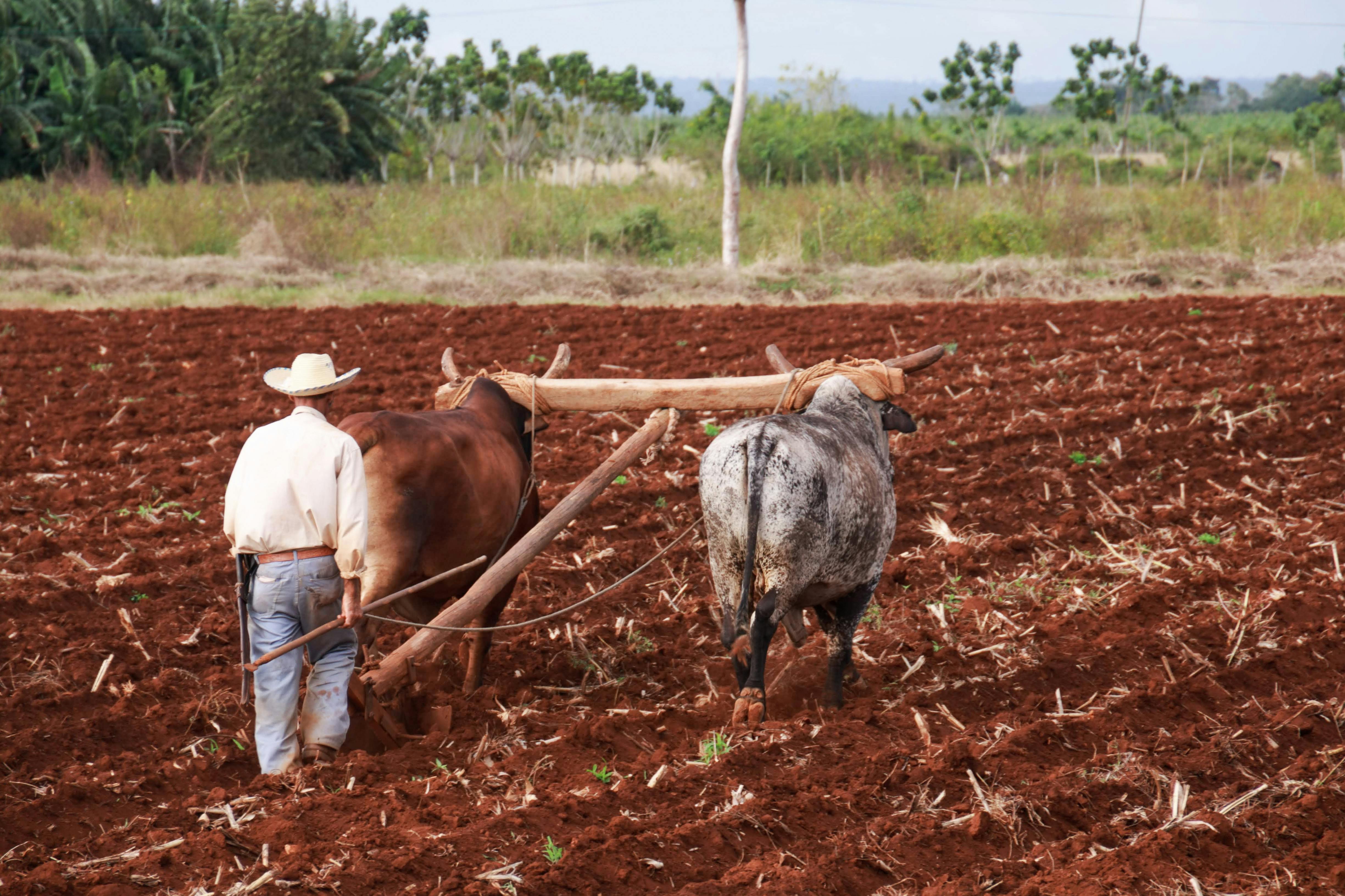
In recent years, organic farming and agribusiness in Kenya have seen significant growth. Agribusiness contributes over 33% to Kenya’s GDP, with a shift toward export-led horticulture and value-added processing. Sustainable agriculture innovations, including climate-smart practices, have been on the rise, paving the way for a new era of farming defined by resilience and efficiency.
Key Insights or Strategies
1. Zero-Tillage for Soil Preservation
Implementing zero-tillage methods helps maintain soil structure, leading to healthier crops and reduced erosion. Farmers can avoid plowing, instead opting for direct seeding to protect the soil.
- Evaluate fields for susceptibility to erosion.
- Use direct seeding tools that minimize soil disturbance.
- Monitor soil health regularly.
Enhance productivity with a blood meal fertilizer – available on Amazon.
Explore sustainable organic farming solutions with Biofarm Kenya
2. Legume Cover Crops for Natural Nitrogen Fixation
Using legumes as cover crops can naturally enrich the soil with nitrogen, reducing dependency on chemical fertilizers by up to 40%.
- Select appropriate legume species based on local climate.
- Rotate crops to improve soil fertility and biodiversity.
- Incorporate residues back into the soil.
Consider a CARPATHEN Drip Irrigation System Kit – available on Amazon for efficient watering.
3. Zai Pits for Water Retention
Zai pits are an innovative yet simple solution to retain water in arid regions, enhancing the resilience of crops to drought.
- Dig pits of appropriate size and depth depending on soil type.
- Incorporate organic matter into the pit to improve moisture retention.
- Plant drought-resistant crops within the pits.
Case Studies, Examples, or Comparisons
Numerous case studies have demonstrated the effectiveness of conservation agriculture in Kenya. For instance, farmers in the North Rift have successfully adopted zero-tillage and cover cropping, resulting in increased yields and profitability. The FAO reports a significant reduction in soil erosion when these conservation techniques are employed, highlighting the critical importance of adopting such sustainable practices.
Common Mistakes to Avoid
Farmers often overlook the importance of regular soil testing and may apply incorrect fertilizer amounts, leading to nutrient imbalance. Similarly, poor water management in irrigation systems can result in wasted resources and crop failure. To avoid these pitfalls:
- Conduct regular soil tests to understand nutrient needs.
- Adjust fertilization based on expert recommendations.
- Maintain equipment for efficient water usage.
Expert Tips or Best Practices
Engage with local agricultural experts to stay informed about effective practices tailored for your region. Leveraging resources from organizations such as Biofarm Kenya can enhance sustainability.
Maintain healthy soil with an MySoil Soil Test Kit.
Explore sustainable solutions with Biofarm Kenya
Future Trends or Predictions
Looking forward, the integration of smart irrigation systems, such as those driven by IoT technology, will transform agriculture. Additionally, advancements in AI for crop monitoring and management are expected to revolutionize resource efficiency and decision-making processes.
Conclusion
By embracing conservation agriculture, Kenyan farmers can improve productivity and sustainability. Discover trusted organic farming tools on Amazon and learn more about sustainable solutions with Biofarm Kenya.
FAQs
1. What challenges do Kenyan farmers face?
Kenyan farmers often deal with unpredictable weather, poor soils, and limited access to resources. Collaboration with initiatives that provide technological access and strategies is crucial. For more information, visit the FAO Kenya page.
2. How does zero-tillage benefit soil health?
Zero-tillage prevents soil compaction and erosion while promoting biodiversity. It's a part of sustainable farming that can increase crop yields significantly (KALRO).
3. What are zai pits?
Zai pits are planting holes designed to improve water retention and soil fertility, especially in arid areas. They help maximize crop growth during dry spells (NEMA).
4. What role do legumes play in conservation agriculture?
Legumes fix atmospheric nitrogen, enriching soil fertility and reducing the need for synthetic fertilizers (KEPHIS).
5. How can farmers manage irrigation efficiently?
Implementing modern irrigation systems like drip irrigation kits can optimize water use and reduce waste. Consider products available on Amazon for solutions.
6. How does conservation agriculture combat climate change?
Conservation agriculture techniques help store carbon in the soil, thus reducing greenhouse gases in the atmosphere. Learn more from Kenya's Climate Change Directorate.


0 Comments