

Estimated Reading Time: 12 minutes
TL;DR:
- Discover the most profitable farming ideas in 2026 in Kenya, focusing on sustainable and organic practices such as vertical farming, greenhouse farming, and regenerative agriculture.
- Leverage modern techniques like drip irrigation, soil testing, and greenhouses for higher yields and cost efficiency.
- Learn from local success stories and avoid common farming mistakes for optimal results.
- Utilize expert tips and innovative tools to sustain soil health, improve water usage, and harness technology for future-proof farming.
- Explore sustainable organic farming solutions with Biofarm Kenya and trusted farming tools on Amazon through recommended affiliate products.
Key Takeaways:
- Integrate vertical and greenhouse farming to maximize space and productivity.
- Use soil testing kits and organic fertilizers to maintain soil fertility and improve crop quality.
- Adopt efficient water management systems such as drip irrigation for sustainable farming.
- Avoid common pitfalls like overuse of chemical fertilizers and improper irrigation scheduling.
- Explore partnerships with platforms like Biofarm Kenya for access to sustainable farming expertise and resources.
Introduction
Kenya's agriculture sector remains a vital contributor to its economy, with agribusiness and organic farming gaining momentum as lucrative and sustainable pathways. Looking ahead to 2026, the Most Profitable Farming Ideas in 2026 center around innovative and eco-friendly approaches such as vertical farming and regenerative agriculture. These methods are not only boosting income but also preserving soil health and water resources, critical for Kenya's long-term food security. This article delves into these profitable ideas, backed by data and expert insights, to help Kenyan farmers and agripreneurs unlock higher yields with sustainability at the core.
Background & Context
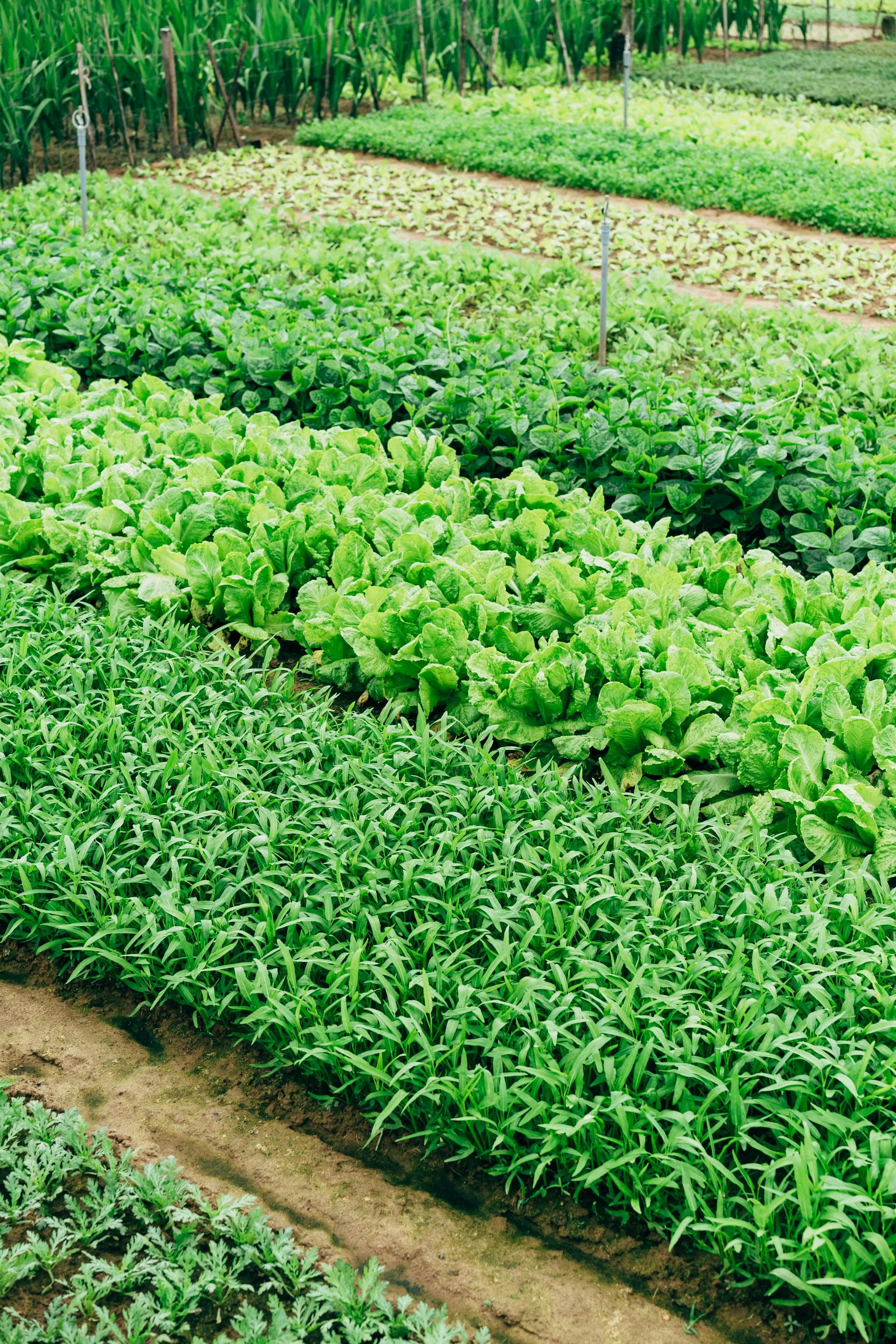
Agriculture in Kenya contributes over 33% to the country's GDP and employs more than 70% of the rural population. Over the past decade, the uptake of organic farming and sustainable agriculture practices has steadily increased. According to FAO reports, nearly 5% of Kenyan farmland is now under certified organic production — a figure expected to grow significantly by 2026 due to consumer demand for healthy, pesticide-free produce.
Soil fertility improvement, particularly through organic amendments, is key to maintaining productivity in Kenya’s diverse agro-ecological zones. The World Bank and Ministry of Agriculture note the rise in agroecological initiatives targeting soil conservation and organic farming techniques. Further, agribusiness growth is guided by both domestic markets and expanding export opportunities for crops like avocados, herbs, and vegetables.
Key Insights or Strategies

1. Embrace Vertical Farming for Space Optimization
Vertical farming involves growing crops in stacked layers or controlled environments, ideal for urban or small-scale farmers in Kenya's dense areas. It maximizes land use, reduces water usage by up to 70%, and minimizes pests.
- Set up vertical racks or hydroponic systems in small spaces or greenhouses.
- Use organic nutrients and integrated pest management to ensure healthy plants.
- Focus on high-value crops such as leafy greens, herbs, and strawberries which thrive in vertical setups.
Boost your vertical farming success with efficient resource management by using the Soil pH & Moisture Tester Kit – available on Amazon, which helps monitor optimal growing conditions for your crops.
2. Adopt Drip Irrigation to Improve Water Use Efficiency
Water scarcity is a prevalent challenge in many farming regions of Kenya. Drip irrigation delivers water directly to the plant roots, reducing water loss significantly compared to conventional irrigation.
- Install a drip irrigation kit tailored to smallholder farms to ensure effective water delivery.
- Schedule watering based on soil moisture levels and crop requirements to optimize use.
- Combine with mulching to retain soil moisture and reduce evaporation.
For farmers interested in quality irrigation solutions, consider the CARPATHEN Drip Irrigation System Kit – available on Amazon, which is designed for small garden beds and supports healthy vegetable production.
3. Utilize Soil Testing for Informed Fertilizer and Amendment Application
Regular soil testing informs farmers about nutrient levels, pH, and soil health, guiding appropriate organic fertilizer use and amendments for better crop yields.
- Conduct soil tests before each planting season to identify nutrient deficiencies.
- Apply organic fertilizers or mineral amendments based on test recommendations.
- Track soil changes to avoid over-fertilization, which can harm crops and the environment.
Enhance your soil management with the MySoil Soil Test Kit – available on Amazon, providing detailed nutrient and pH analysis for your farm.
Explore sustainable organic farming solutions with Biofarm Kenya, your partner for practical advice and sourcing quality organic inputs.
Case Studies, Examples, or Comparisons
Nyeri county is home to some of Kenya's leading greenhouse farmers who have successfully combined low-cost materials with effective farming techniques to achieve remarkable profits. For instance, a small greenhouse measuring 8m x 15m can yield between 2,000 and 3,000 kilograms of tomatoes annually, with higher profit margins compared to open-field cultivation. This is supported by reports from the Ministry of Agriculture and several agribusiness forums highlighting greenhouse farming as a viable commercial venture.
Another case comes from farmers in Embu who have adopted soil amendment strategies with organic and mineral inputs, significantly boosting soybean yields and reducing reliance on synthetic fertilizers, as documented in research studies authored in Kenya.
The Food and Agriculture Organization (FAO) also underscores the importance of sustainable agriculture adoption in East Africa, including organic practices and agroforestry, which help build resilience and market access.
Common Mistakes to Avoid
- Overuse of Chemical Fertilizers: Excessive synthetic input harms soil biology and may reduce long-term yields.
- Inadequate Soil Testing: Applying fertilizers without knowing soil condition leads to nutrient imbalances and waste.
- Poor Water Management: Over-irrigation or under-irrigation can stress plants; drip irrigation helps but needs monitoring.
- Ignoring Pest and Disease Management: Failing to introduce integrated pest management can expose crops to severe losses.
- Improper Greenhouse Ventilation: Without adequate airflow, plants in greenhouses may suffer fungal diseases.
Expert Tips or Best Practices
Maintain healthy, fertile soil by incorporating organic matter regularly. Use compost starters and organic fertilizers to improve soil structure and nutrient content while supporting beneficial microbes.
Consider the Organic Compost Starter Mix to jumpstart your composting process and produce rich amendment for your crops.
Efficient irrigation combined with good mulching reduces water needs and controls weeds. Regularly monitor soil moisture and conditions using testing kits for precise management.
For greenhouse farmers, implementing automated watering solutions can reduce labor and improve consistency. Biofarm Kenya provides resources and expert guidance to support farmers adopting these sustainable methods.
Explore sustainable organic farming solutions with Biofarm Kenya and connect with experts who understand local conditions and markets.
Future Trends or Predictions
Looking toward 2026 and beyond, Kenyan farmers are expected to increasingly adopt smart agriculture technologies including AI-driven crop monitoring and data analytics. These innovations help optimize input use and increase resilience to climate variability.
Vertical farming and greenhouse systems will continue growing in popularity, enabling year-round production in urban and peri-urban settings. Climate-smart practices like regenerative agriculture, which include soil restoration and carbon sequestration, will also be prioritized to meet sustainable development goals.
Water stewardship through precision irrigation systems and rainwater harvesting will become more critical as droughts become more frequent. Platforms such as Biofarm Kenya will enhance farmer access to these technologies and ecological farming knowledge.
Conclusion
The Most Profitable Farming Ideas in 2026 in Kenya are those that integrate sustainability with innovation. Vertical farming, greenhouse cultivation, drip irrigation, and informed soil management are key strategies to boost productivity and profitability. Avoiding common mistakes while adopting expert-recommended best practices will set farmers on a path to success.
Discover trusted organic farming tools on Amazon and learn more about sustainable solutions with Biofarm Kenya, your partner in creating resilient farms and thriving communities.
FAQs
1. What are the top profitable farming ideas for Kenya in 2026?
High-value horticultural crops like avocados, tomatoes, and herbs, alongside livestock enterprises such as dairy and poultry, and innovative methods like vertical and greenhouse farming are among the top profitable ideas. Sustainable practices that enhance soil and water efficiency are increasingly essential. For detailed guidance, see the Kenya Ministry of Agriculture.
2. How can I improve soil fertility sustainably?
Use organic compost, green manure, and soil amendments guided by periodic soil tests. Avoid excessive chemical fertilizers that degrade soil life. Biofarm Kenya offers resources to support sustainable soil health management. More info at FAO Organic Agriculture.
3. Is drip irrigation affordable for smallholder farmers?
Yes, many drip irrigation kits are designed for small farms and gardens, improving water efficiency and crop yields. Kits can be customized to fit your farm size. Explore options like the CARPATHEN Drip Irrigation System Kit on Amazon. For practical advice, visit Biofarm Kenya.
4. What are common mistakes in organic farming to avoid?
Common errors include neglecting soil testing, overwatering or underwatering, improper pest control, and neglecting crop rotation. Continuous education and expert guidance are key to successful organic farming — resources from the Kenya Bureau of Standards can be helpful.
5. How can greenhouse farming increase profitability?
Greenhouses provide controlled environments for year-round production, reducing pest damage and improving yield quality. Small-scale greenhouses have been shown to generate higher profits per unit area, as documented by the Ministry of Agriculture’s case studies.
6. What future trends should Kenyan farmers watch?
Smart agriculture technologies like AI crop monitoring, precision irrigation, vertical farming, and climate-smart regenerative agriculture will shape farming profitability and sustainability. Organizations like Biofarm Kenya keep farmers informed and connected with these innovations.


0 Comments