

Estimated Reading Time: 11 minutes
Profitable Farming Ideas 2026: Maximizing Agribusiness Growth in Kenya
For farmers and agribusiness entrepreneurs in Kenya, discovering profitable farming ideas 2026 is crucial for thriving in a competitive, evolving agricultural landscape. With sustainable agriculture gaining prominence and organic farming practices transforming local farms, this guide provides comprehensive insights into lucrative farming ventures, practical strategies, and tools to boost productivity and profitability.
Whether you're an established farmer, a new entrant, or an agripreneur seeking innovation, this article walks you through Kenya's emerging agribusiness opportunities, actionable farming methods, and expert advice to help your farm flourish in 2026 and beyond.
TL;DR
- Kenya's agribusiness growth is driven by organic farming and sustainable practices focused on soil health and crop diversification.
- Profitable crops like Hass avocados, dragon fruit, and poultry, alongside smart irrigation and greenhouse farming, offer high returns.
- Using soil testing kits and drip irrigation systems enhances yield quality and resource efficiency.
- Avoid common mistakes such as overuse of chemical fertilizers, poor irrigation planning, and insufficient soil monitoring.
- Future trends like AI-driven crop management and vertical farming will reshape Kenya's profitable farming landscape.
Key Takeaways
- Embrace organic and sustainable farming practices to improve soil fertility, reduce costs, and meet market demand.
- Invest in profitable cash crops and livestock tailored to Kenyan climatic and market conditions.
- Leverage technology such as drip irrigation kits and soil testing to maximize resource use and crop yields.
- Learn from local success stories to adapt strategies suited for regional challenges.
- Stay informed about emerging trends like smart farming and greenhouse technologies.
Table of Contents
Background & Context
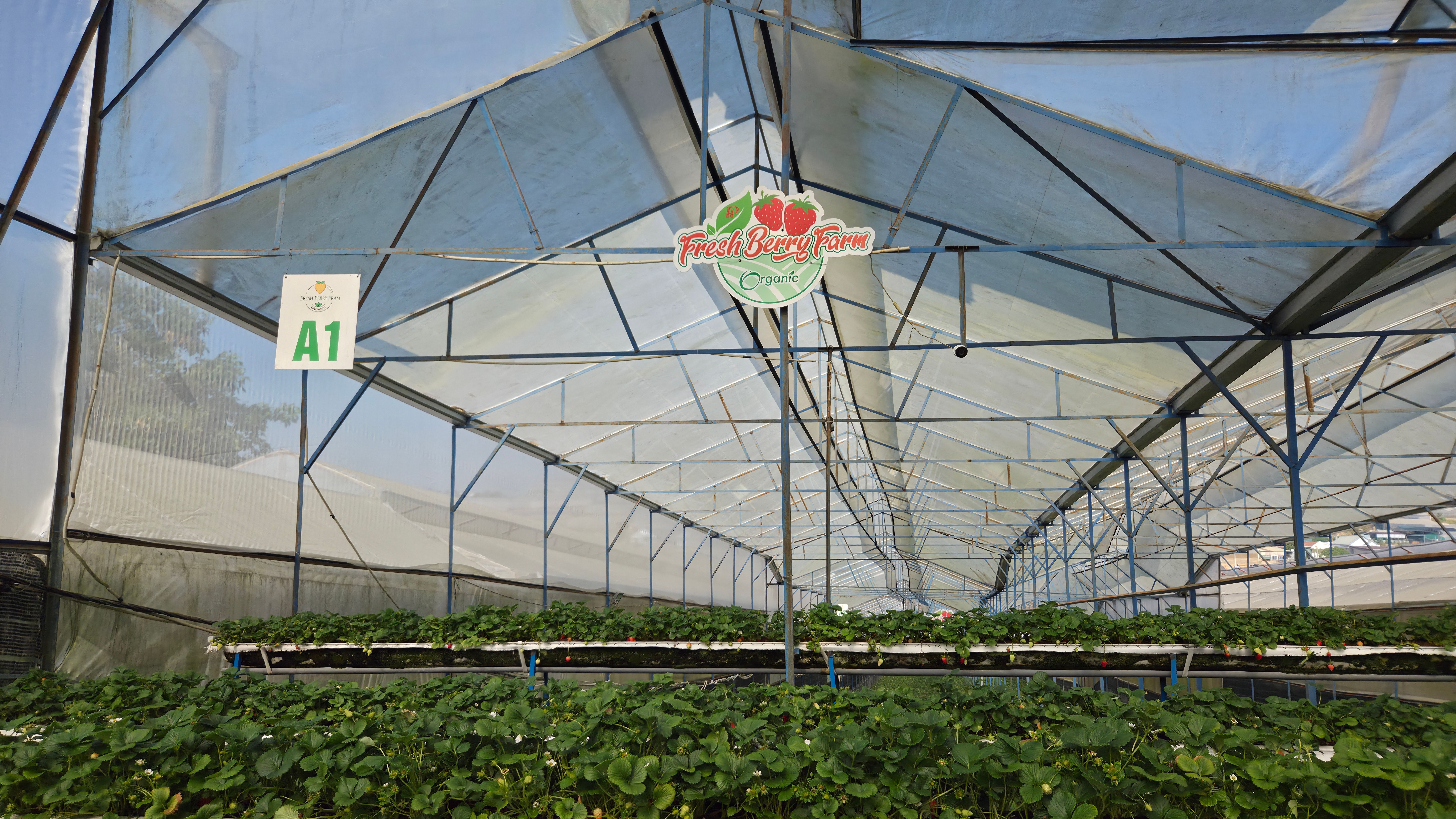
Kenya's agricultural sector forms the backbone of the national economy, contributing about 33% of GDP and employing over 40% of the population. In recent years, sustainable and organic farming has surged due to growing awareness of environmental protection and soil health preservation. The organic farming market in Kenya is projected to grow significantly, boosting demand for organic produce both locally and for export.
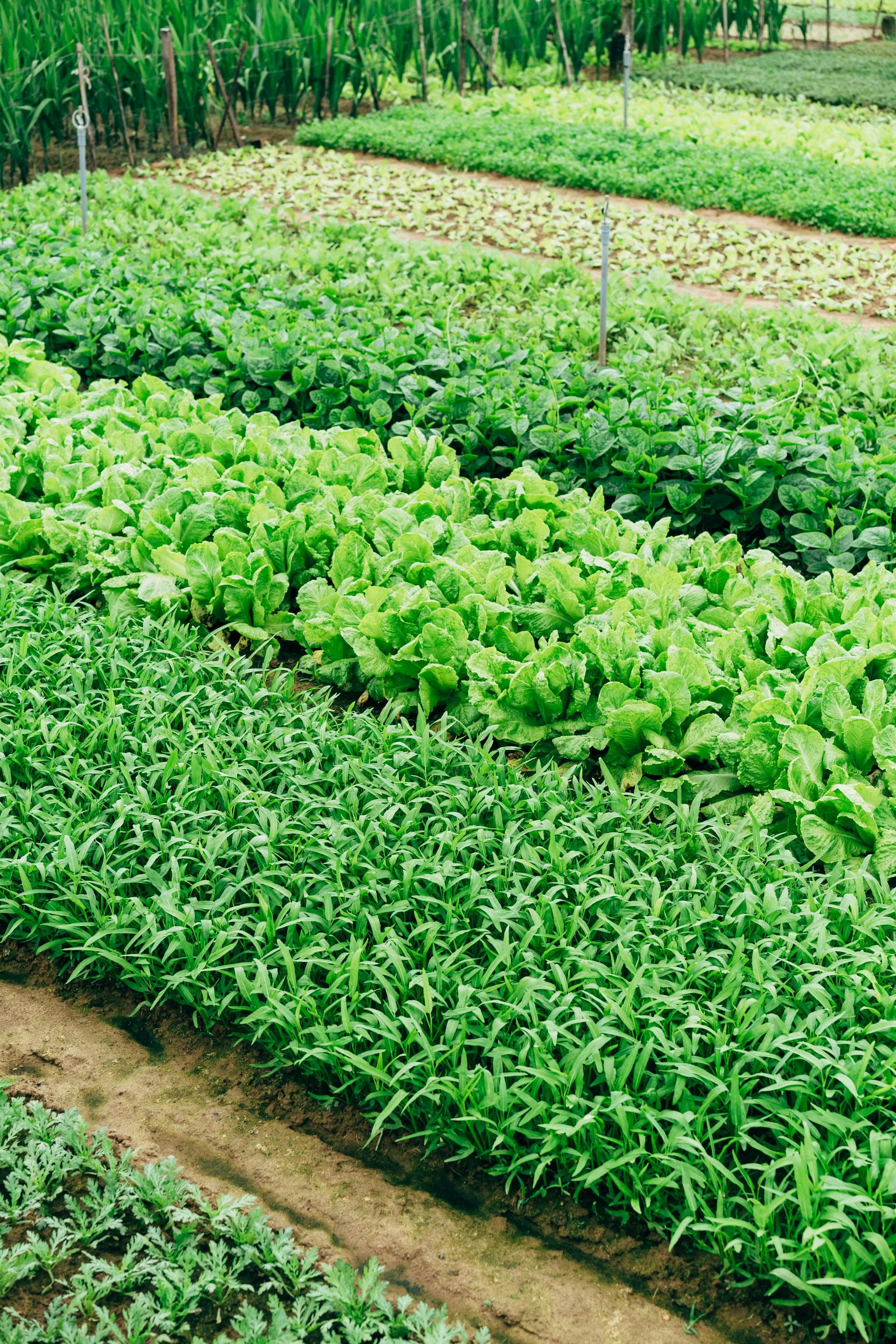
Soil fertility improvement is a priority for many Kenyan farmers as degraded soils hamper productivity. The adoption of organic fertilizers, crop diversification, and improved irrigation are transforming farms into more profitable and eco-friendly operations.
With government support and increasing agribusiness innovations, 2026 is shaping up to be a pivotal year for profitable farming in Kenya.
Key Insights or Strategies
1. Focus on High-Value Crops and Livestock
Kenyan farmers must pivot towards crops and livestock that promise higher returns:
- Grow Hass avocados and dragon fruit which have strong local and international markets.
- Invest in poultry farming for eggs and meat, benefiting from fast turnover and high demand.
- Consider dairy goats, a sustainable option for milk production and income supplementation.
These ventures balance profitability with local resource availability, climate suitability, and market demand, forming an essential farming portfolio in 2026.
2. Adopt Smart Irrigation and Soil Management Technologies
Efficient water use and soil health monitoring lead to improved yields and reduced costs:
- Use drip irrigation for precise water delivery, minimizing wastage.
- Regularly test soil nutrients and pH to optimize fertilizer application.
- Incorporate organic fertilizers to renew soil health over time.
Boost your yields with the Soil pH & Moisture Tester Kit – available on Amazon.
For space-efficient watering, consider the RainPoint Drip Irrigation System Kit – available on Amazon.
Explore sustainable organic farming solutions with Biofarm Kenya to enhance your farm’s output.
3. Use Greenhouse Farming to Extend Growing Seasons
Small-scale greenhouses protect plants from weather extremes and pests, enabling year-round production and crop diversification:
- Start with portable or mini-greenhouse kits for vegetables or herbs.
- Control temperature and humidity for optimal growth conditions.
- Reduce pesticide use and increase organic produce quality.
Check out the Portable Mini Greenhouse Kit – available on Amazon for an affordable, effective entry point into controlled environment farming.
Case Studies, Examples, or Comparisons
Consider the success of Kenyan farmers in the Rift Valley who adopted Hass avocado farming with organic methods. According to a report by the FAO Kenya, these farmers saw yield increases of up to 25% by integrating organic compost and drip irrigation.
Another example involves greenhouse vegetable producers in Nairobi’s peri-urban areas. Supported by NEMA, these farmers have increased productivity by 30% to 40%, producing tomatoes and herbs off-season and accessing premium markets.
Also, dairy goat producers in Eastern Kenya have realized improved milk yields and incomes by adopting improved breeds and organic feed supplements, aided by extension services from the Ministry of Agriculture.
Common Mistakes to Avoid
- Over-reliance on chemical fertilizers which degrades soil health. Use soil testing kits to apply balanced fertilization.
- Poor irrigation planning leading to water wastage or crop stress. Opt for drip irrigation or scheduled watering.
- Neglecting pest and disease management but relying heavily on chemical pesticides. Explore organic alternatives and integrated pest management.
- Ignoring local climate conditions when selecting crops, resulting in low yields or losses.
- Failing to diversify farming activities which increases risk exposure.
Expert Tips or Best Practices
To succeed in profitable farming in Kenya, keep these expert tips in mind:
- Regularly monitor soil health: Use reliable tools such as the Soil pH & Moisture Tester Kit to make informed nutrient management decisions.
- Choose organic compost: Maintain soil vitality with natural nutrient sources. The Organic Compost Starter Mix is an excellent aid for new composting projects.
- Implement drip irrigation for water efficiency: Consider kits like the RainPoint system to optimize water use and reduce labor.
- Join farmer networks and partnerships: Explore sustainable organic farming solutions with Biofarm Kenya and tap into expert support and community knowledge.
- Keep learning: Stay updated on agribusiness trends and pursue continuous training through agricultural extension services.
Future Trends or Predictions
Looking ahead to 2026 and beyond, several innovations will reshape Kenya’s farming profitability landscape:
- Smart irrigation systems: AI-driven, sensor-based watering that adapts to weather and soil moisture in real-time.
- Vertical farming: Urban and peri-urban farms maximizing space and resource use via stacked production systems.
- Digital crop monitoring: Use of drones and satellite data for early pest detection and yield forecasting.
- Climate-resilient seed varieties: Enhanced by biotechnology for drought or disease resistance.
- Blockchain for supply chains: Improving transparency and access to premium markets for organic and sustainable produce.
Conclusion
In summary, embracing profitable farming ideas 2026 in Kenya involves combining high-value crops and livestock, advanced irrigation, sustainable practices, and leveraging technology. Avoiding common pitfalls and learning from successful local models will position farmers to maximize productivity and income.
Discover trusted organic farming tools on Amazon to enhance your farm’s efficiency and quality. Also, learn more about sustainable solutions with Biofarm Kenya to access expert guidance and innovative farming products tailored to Kenyan agriculture.
FAQs
1. What are the most profitable crops to grow in Kenya in 2026?
Some of the most profitable crops include Hass avocados, dragon fruit, macadamia nuts, and specialty vegetables like tomatoes and herbs grown in greenhouses. These crops have high market demand locally and internationally. For more info, visit FAO Kenya.
2. How can I improve soil fertility sustainably?
Improving soil fertility sustainably involves regular use of organic fertilizers, crop rotation, intercropping, and soil testing to apply nutrients effectively. Composting is highly recommended. See guidelines at Kenya Ministry of Agriculture.
3. What are common mistakes to avoid in irrigation management?
Common errors include overwatering, inefficient water use, poor system maintenance, and lack of scheduling. Adopting drip irrigation and using moisture sensors can help. Check resources at NEMA Kenya.
4. How do organic farming practices benefit Kenyan farmers?
Organic practices reduce input costs, enhance soil health, minimize environmental impact, and open access to niche markets. They also promote long-term farm sustainability. Learn more at Biofarm Kenya.
5. Are greenhouses profitable for small-scale Kenyan farmers?
Yes, greenhouses extend growing seasons, reduce pest risks, and improve crop quality, leading to higher profits. Portable kits are ideal for small-scale farmers. For product info, explore Amazon greenhouse kits.
6. Where can I access training and support for profitable farming in Kenya?
Farmers can access training through agricultural extension services by the Kenya Ministry of Agriculture, local agribusiness hubs, and Biofarm Kenya’s partner network. Visit Biofarm Kenya partner programs for opportunities.


0 Comments