

Estimated Reading Time: 12 minutes
TL;DR:
- Exploring the most profitable farming ideas in 2026, with a focus on sustainable agriculture in Kenya.
- Short-cycle crops, drip irrigation, vertical farming, and organic practices boost yields and profitability.
- Common mistakes in soil and water management can reduce returns; expert tips help avoid them.
- Innovations like AI monitoring and smart irrigation promise even higher efficiency in the future.
- Biofarm Kenya offers trusted solutions and partnerships for sustainable organic farming growth.
Key Takeaways:
- Adopt short-cycle, high-demand crops like onions and French beans to increase profitability quickly.
- Use drip irrigation systems to conserve water while ensuring optimal crop hydration.
- Invest in soil testing kits and organic fertilizers to maintain soil fertility and health sustainably.
- Learn from Kenyan case studies demonstrating success with greenhouse farming and eco-innovations.
- Partner with Biofarm Kenya for access to sustainable farming solutions and expert support in East Africa.
Table of Contents:
- Introduction
- Background & Context
- Key Insights or Strategies
- Case Studies, Examples, or Comparisons
- Common Mistakes to Avoid
- Expert Tips or Best Practices
- Future Trends or Predictions
- Conclusion
- FAQs
Introduction
Sustainable agriculture has emerged as a vital approach to meet Kenya’s growing food demand while protecting the environment and maximizing farm profitability. In 2026, the most profitable farming ideas in Kenya prioritize organic practices, smart water management, and innovative farming methods such as vertical farming. This article explores tactical strategies, success stories, expert recommendations, and future trends to help Kenyan farmers increase yields, reduce costs, and build resilient agribusinesses.
Background & Context

Kenya’s agribusiness sector is expanding rapidly, with organic farming rising as a sustainable alternative that boosts soil fertility and crop quality. According to the Kenya National Bureau of Statistics, organic agriculture accounts for a growing share of agricultural production, supported by rising consumer demand locally and internationally.
The soil fertility challenges brought by conventional farming methods have driven many farmers to adopt organic fertilizers and crop rotation practices to maintain productivity. Reports show that organic soils often have higher microbial activity and nutrient retention, improving long-term farm viability.
The East African region also sees increasing investments in agri-tech and green innovations such as vertical farming and drip irrigation, transforming traditional subsistence farms into profitable agribusinesses.
Key Insights or Strategies
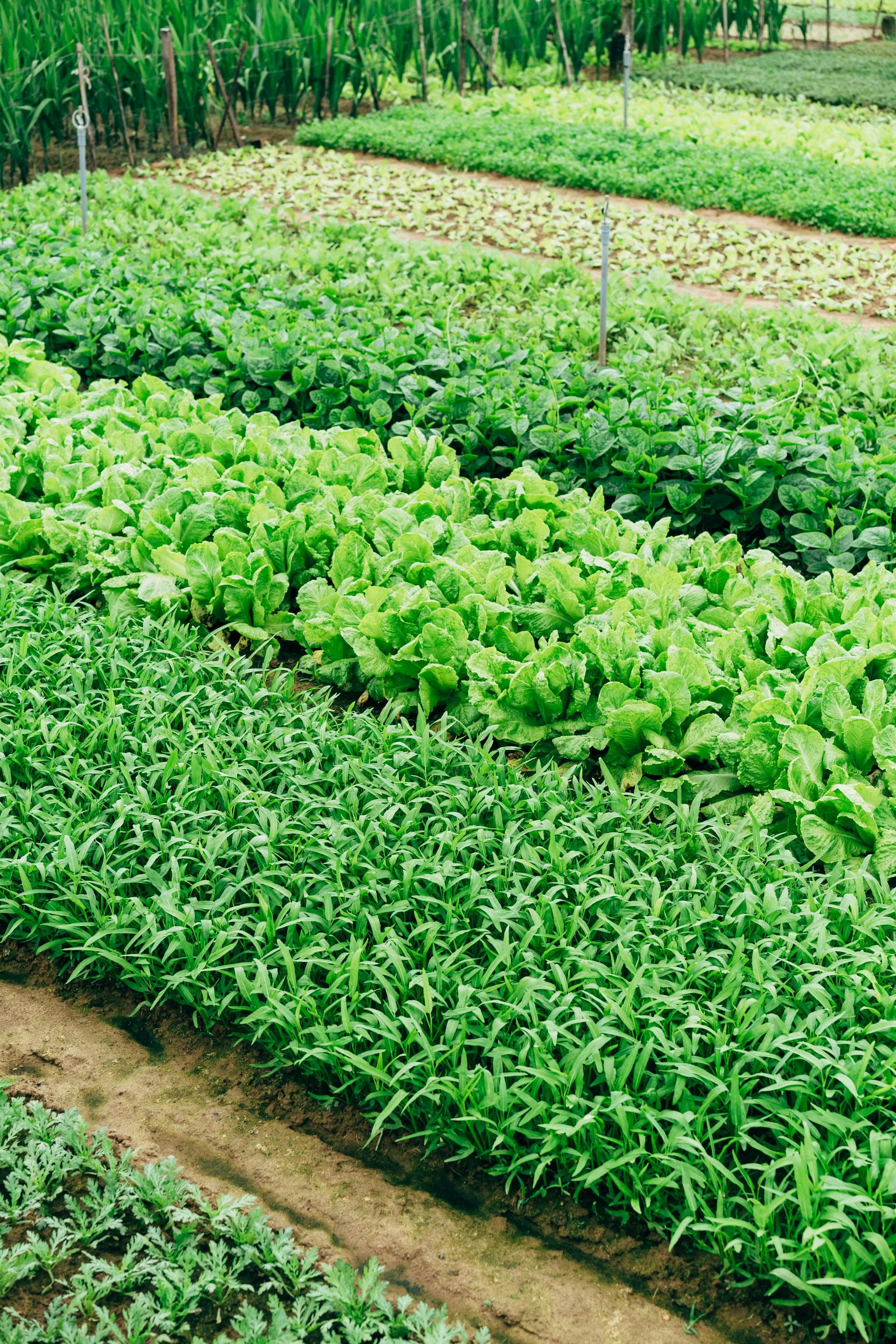
1. Cultivate Short-Cycle High-Value Crops
Short-cycle crops provide quick returns on investment and meet market demand effectively. Examples include bulb onions, fast maturing maize varieties, watermelons, mushrooms, and French beans. Prioritizing these crops enhances cash flow and reduces exposure to long wait periods.
- Select certified seeds adapted to local climatic conditions.
- Implement crop rotation to maintain soil health.
- Apply organic fertilizers to enhance nutrient availability.
- Monitor crop growth to time harvests optimally.
2. Implement Efficient Irrigation Techniques
Water scarcity challenges necessitate the use of water-saving irrigation methods like drip irrigation. Drip systems deliver water directly to the plant roots, reducing evaporation losses and enhancing water use efficiency.
- Install drip irrigation kits customized for farm size and crop type.
- Schedule irrigation based on soil moisture and weather data.
- Regularly maintain and clean emitters to ensure consistent flow.
Boost your yields with the Raindrip R560DP Drip Watering System – available on Amazon, an excellent option for precision irrigation that fits small to medium farms.
3. Regular Soil Testing and Amendments
Maintaining optimal soil health is essential for consistent crop production. Soil testing provides vital data on pH, nutrient levels, and organic matter content, enabling informed fertilizer application.
- Conduct soil tests at least twice a year using accurate soil testing kits.
- Apply organic fertilizers or compost based on test recommendations.
- Incorporate cover crops or green manure to improve soil structure.
For precise measurement of your soil's condition, consider the Premium Soil Test Kit – available on Amazon to better guide your soil amendment strategy.
Explore sustainable organic farming solutions with Biofarm Kenya for more tailored resources and support.Case Studies, Examples, or Comparisons
Farmers in Kenya’s Rift Valley region have successfully adopted greenhouse farming, increasing vegetable yields by over 50% compared to open-field cultivation, as per Ministry of Agriculture reports. These growers use drip irrigation and organic soil enhancers to optimize production.
The Food and Agriculture Organization (FAO) highlights that smallholder farmers utilizing vertical farming techniques experience year-round crop production, less pest incidence, and high space efficiency—valuable traits for densely populated Kenyan farming zones.
One successful farmer, Ms. Wanjiku from Kiambu County, integrated drip irrigation and organic fertilizers through Biofarm Kenya’s partnership, improving her tomato crop revenues sustainably.
Common Mistakes to Avoid
- Overusing chemical fertilizers: This depletes soil health and harms beneficial microbes. Opt for organic alternatives.
- Poor irrigation scheduling: Watering too frequently or insufficiently stresses plants and wastes water. Use soil moisture analytics.
- Ignoring soil testing: Guesswork in fertilizer application leads to nutrient imbalances and reduced yields.
- Failure to adopt pest management: Integrated pest management prevents crop losses more effectively than blanket pesticide use.
Expert Tips or Best Practices
Maintain soil vitality by integrating organic compost and crop residues. Using starter mixes adapted to Kenyan soils accelerates soil regeneration.
Consider the Organic Compost Starter Mix – available on Amazon, an excellent tool to boost microbial activity and fertility.
Keep irrigation efficient with drip systems that allow precise, low-volume watering. Combining this with mulching reduces evaporation and protects plant roots.
Regularly train and engage local agricultural experts for farm audits and adaptive management plans. Access innovative solutions and guidance via Biofarm Kenya partnerships to scale sustainable farming methods.
Future Trends or Predictions
The farming landscape in Kenya is heading towards smart agriculture, where AI-driven crop monitoring and predictive analytics enable real-time farm management. Vertical farming, particularly in urban areas, is expected to expand, driven by space and water constraints.
Smart irrigation systems with moisture sensors coupled to mobile apps will optimize water usage further. Crop genetics improvements through organic-compatible biotechnologies promise higher resilience and yields.
Overall, digital tools and green innovations will empower Kenyan farmers to increase food production profitably while conserving natural resources.
Conclusion
In 2026, the most profitable farming ideas in Kenya combine sustainable organic practices, quick-yield crops, and innovative technologies like drip irrigation and vertical farming. Avoiding common mistakes such as excessive chemical use and neglecting soil health is crucial for long-term success. Expert tips and tested solutions from Biofarm Kenya can help farmers achieve higher productivity and resilience.
Discover trusted organic farming tools on Amazon, and learn more about sustainable solutions with Biofarm Kenya.
FAQs
1. What are the best crops for quick profits in Kenya?
Short-cycle crops like bulb onions, fast maize varieties, French beans, and mushrooms are ideal for quick profits due to their rapid growth and strong demand. More information can be found on the FAO Kenya site.
2. How can I test and improve my soil quality?
Use reliable soil testing kits to measure pH and nutrient levels, and improve soil health using organic fertilizers and compost. See guidelines on the Kenya Bureau of Standards (KEBS) for organic farming standards.
3. Are drip irrigation systems suitable for smallholder farms in Kenya?
Yes, drip irrigation systems are highly effective for water conservation and targeted watering in smallholder farms. The Ministry of Agriculture offers advice on irrigation technologies here.
4. What are the environmental benefits of organic farming?
Organic farming improves soil biodiversity, reduces chemical runoff, and supports sustainable ecosystems. The National Environment Management Authority (NEMA) provides resources on sustainable agriculture policies here.
5. How can I start vertical farming in Kenya?
Start small with vertical farming kits or DIY setups focusing on leafy greens and herbs. Use nutrient-rich organic media and LED grow lights for best results. Biofarm Kenya offers expert support for vertical farm setups here.
6. What resources are available for Kenyan farmers to improve sustainability?
The Kenyan government, NGOs, and private sector players like Biofarm Kenya provide training, inputs, and market access to improve sustainability. Visit the Biofarm Kenya website for resources and partnership opportunities here.


0 Comments