

Estimated Reading Time: 12 minutes
TL;DR: The most profitable farming ideas in 2026 in Kenya emphasize sustainable and innovative approaches such as vertical farming and organic cultivation. Vertical farming offers high yields on small land, ideal for urban and smallholder farmers. Integrating soil health management, drip irrigation, and greenhouse technology maximizes crop productivity. Avoid common mistakes like poor nutrient management and inefficient irrigation to ensure success. Leverage modern tools alongside Biofarm Kenya's solutions for sustainable, profitable agribusiness.
Key Takeaways:
- Most profitable farming ideas in 2026 center on sustainable, tech-driven methods like vertical farming and organic agriculture.
- Vertical farming yields up to 10 times more per square meter and is ideal for urban and peri-urban areas in Kenya.
- Use soil testing kits and quality organic fertilizers for healthy, productive soil management.
- Adopt efficient drip irrigation systems and greenhouse kits to optimize water use and crop growth.
- Explore sustainable organic farming solutions with Biofarm Kenya to boost your farm's profitability.
Introduction
As Kenya moves towards sustainable agriculture, the search for the most profitable farming ideas in 2026 is shaping the future of agribusiness. Farmers are increasingly adopting innovative methods such as vertical farming, organic cultivation, and urban agriculture to boost productivity, optimize land use, and reduce environmental impact. These approaches focus not only on profitability but also on ecological stewardship and resource efficiency — critical in today’s changing climate and growing population.
Vertical farming, especially, promises a transformative leap in food production, allowing farmers to grow crops in vertically stacked layers and controlled environments. This method maximizes yields on small plots, making it suitable for Kenya's urban and peri-urban areas experiencing land pressure. Combining this with organic farming traditions supports healthier crops without harmful pesticides or chemicals.
Background & Context
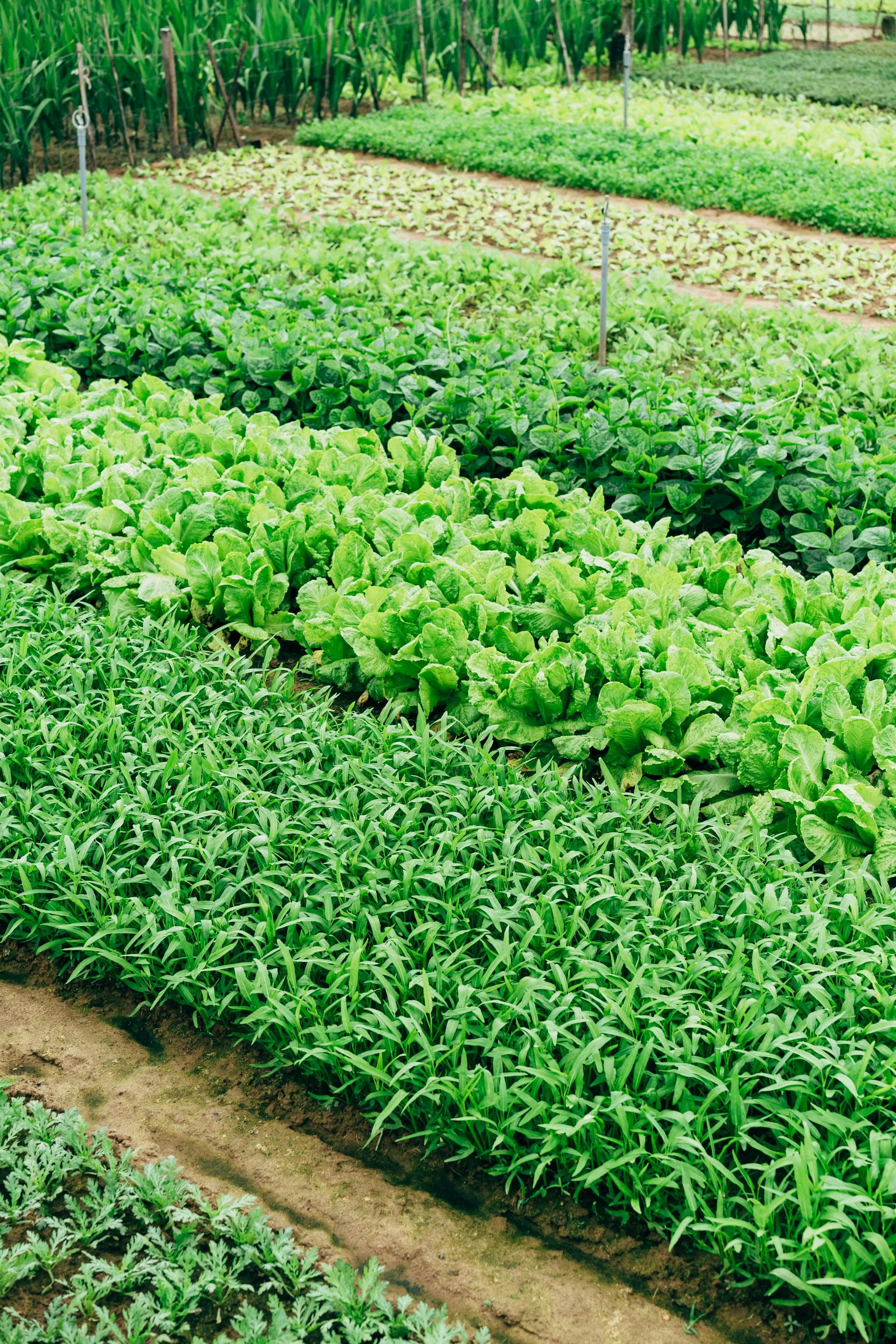
Kenya's agricultural sector is vital, employing over 75% of the rural population and contributing roughly 34% to the GDP (Ministry of Agriculture Kenya). In recent years, organic farming and climate-smart agribusiness techniques have gained momentum due to their sustainability and growing consumer demand for healthier, chemical-free produce.
Organic farming practices improve soil fertility and biodiversity, reduce reliance on synthetic inputs, and enhance long-term productivity. Soil health is a critical factor in productivity; for example, farmers using organic amendments like compost or farmyard manure often see better yields and resilience.
According to a 2023 FAO report, agribusiness growth in Kenya is being positively shaped by innovations such as vertical farming — a technique that can increase production density and reduce water usage by up to 70%. Urban and peri-urban agriculture is also on the rise, supplying fresh produce to expanding city populations and reducing food miles.
Key Insights or Strategies

1. Embrace Vertical Farming Systems
Vertical farming can increase crop yield substantially per unit area while reducing water and land usage. This method suits Kenya’s urban spaces where land is limited.
- Identify crops suited for vertical farming such as leafy greens, herbs, strawberries, and tomatoes.
- Set up multi-layer structures using affordable materials like PVC pipes or locally sourced wood.
- Install appropriate lighting and irrigation systems; drip irrigation can efficiently supply water.
- Use organic growing media and fertilizers to maintain soil and crop health.
- Monitor and control environmental factors such as humidity and temperature.
Boost your yields with the MySoil Soil Test Kit – available on Amazon, which helps assess soil nutrient levels crucial for vertical farm success.
2. Optimize Soil Fertility Using Organic Fertilizers
Healthy soil means healthy crops; organic fertilizers enhance microbial activity and provide balanced nutrients without chemical residues.
- Test your soil regularly to understand its nutrient profile.
- Use compost, farmyard manure, or organic liquid fertilizers like fish emulsion.
- Rotate crops and integrate nitrogen-fixing plants to improve fertility naturally.
- Avoid over-application to prevent nutrient leaching and environmental harm.
Consider the Drammatic® Organic™ Original Fertilizer – available on Amazon for a high-quality liquid option that supports vegetable and fruit growth sustainably.
3. Deploy Efficient Drip Irrigation Systems
Water management is critical for profitability and sustainability, especially in regions with water scarcity issues.
- Choose a drip irrigation kit that suits your farm size and crop types.
- Install timers and pressure regulators for consistent watering schedules.
- Regularly maintain and clean the system to prevent blockages.
- Combine drip irrigation with mulching to reduce evaporation and control weeds.
Explore kits such as the CARPATHEN Drip Irrigation System Kit – available on Amazon to enhance water use efficiency on your farm.
Explore sustainable organic farming solutions with Biofarm Kenya to integrate these strategies effectively on your farm.
Case Studies, Examples, or Comparisons
Many Kenyan farmers have successfully adopted innovative methods for increased profitability. For example, urban farmers in Nairobi’s informal settlements have transformed small, unutilized spaces into vertical gardens that produce vegetables both for home consumption and local markets (Borgen Project, 2023).
Another success story comes from multi-storey garden initiatives by Grekkon Limited in Kenya. Their climate-smart vertical farming units have enabled small-scale farmers to grow 180 to 250 plants in a compact space of 2m x 2m, improving access to fresh greens and income generation.
The FAO Kenya office also highlights the increasing adoption of drip irrigation and organic inputs among smallholder farmers, contributing to better yields and soil health resilience in the face of climate variability.
Common Mistakes to Avoid
- Poor Soil Management: Failing to test or amend soils leads to nutrient imbalances and lower yields. Always conduct regular soil analyses.
- Overuse of Chemical Fertilizers: Excessive use damages soil structure and can contaminate water sources. Emphasize organic inputs.
- Inefficient Watering: Flooding or infrequent watering stresses plants and wastes resources. Use drip irrigation and schedule watering carefully.
- Neglecting Crop Rotation: Growing the same crops repeatedly depletes nutrients and increases pests. Rotate crops and diversify.
- Ignoring Pest Management: Reliance on chemical pesticides can harm beneficial organisms; integrate organic pest control methods.
Expert Tips or Best Practices
To maximize success with the most profitable farming ideas in 2026, consider the following expert advice:
- Invest in quality soil test kits like the MySoil Soil Test Kit to tailor your fertilization plan effectively.
- Choose organic compost starters such as the Organic Compost Starter Mix for rapid, nutrient-rich compost production to enhance soil fertility.
- Use modular and scalable vertical farm kits or DIY systems to reduce startup costs but still gain the benefits of space optimization.
- Implement integrated pest management combining traps, biocontrol agents, and organic sprays.
- Leverage drip irrigation systems to minimize water use and improve crop health.
For comprehensive advice and access to top-quality organic inputs, explore sustainable organic farming solutions with Biofarm Kenya.
Future Trends or Predictions
Looking ahead, Kenyan agriculture is likely to be shaped by smart and sustainable innovations:
- Smart Irrigation Systems: IoT-enabled irrigation can optimize water use by monitoring soil moisture and weather conditions in real-time.
- Expansion of Vertical and Urban Farming: As urban populations grow, vertical farms will become more common, especially using renewable energy and hydroponics.
- AI-Driven Crop Monitoring: Artificial intelligence and drones can detect crop stress and disease early, improving yields and reducing losses.
- Organic Certification Growth: Increasing demand for certified organic foods will encourage more farmers to adopt eco-friendly practices.
Conclusion
In summary, the most profitable farming ideas in 2026 integrate sustainability, technology, and smart resource management to meet Kenya's evolving agricultural challenges and opportunities. Vertical farming stands out by significantly increasing yields on limited land while organic farming sustains soil and ecological health. Complement these strategies with soil testing kits, organic fertilizers, efficient drip irrigation systems, and small farm greenhouses to optimize production and profitability.
Discover trusted organic farming tools on Amazon and learn more about sustainable solutions with Biofarm Kenya.
FAQs
1. What is vertical farming and why is it profitable in Kenya?
Vertical farming is the practice of growing crops in stacked layers in controlled environments. It is profitable because it maximizes space, reduces water use, and enables year-round production. In Kenya’s urban and peri-urban areas where land is limited, it offers higher yields per square meter than traditional farming. For more info, visit FAO Urban Agriculture.
2. How can organic fertilizers improve soil health in Kenyan farms?
Organic fertilizers enhance soil structure, increase microbial activity, and release nutrients slowly, promoting sustainable fertility. Avoiding excessive chemicals prevents soil degradation and pollution. The Kenya Organic Agriculture Network (KOAN) provides guidelines at KOAN Official Site.
3. Why is soil testing important before planting?
Soil testing identifies nutrient deficiencies, pH imbalances, and contaminants. This ensures appropriate fertilizer application, prevents overuse, and improves crop yields. Reliable soil test kits can assist. Refer to Kenya Bureau of Standards (KEBS) for soil testing services.
4. What are the benefits of drip irrigation in Kenyan farming?
Drip irrigation delivers water efficiently directly to plant roots, reducing water waste and evaporation. It supports higher yields under water scarcity conditions typical in Kenya. The National Environment Management Authority (NEMA) supports water-efficient technologies, more info at NEMA Kenya.
5. How effective are small greenhouse kits for Kenyan smallholder farms?
Small greenhouse kits help regulate growing conditions, protect crops from pests and weather extremes, and extend growing seasons. They are particularly effective for seedling propagation and high-value vegetables. Learn more at Biofarm Kenya.
6. Where can Kenyan farmers access sustainable farming inputs and training?
BIOFARM Kenya offers organic farming inputs, training, and support services tailored for local conditions. Their partner programs facilitate access to quality products like organic fertilizers and irrigation kits. Visit Biofarm Kenya Partners to get started.


0 Comments