

Estimated Reading Time: 12 minutes
TL;DR: Vertical farming is emerging as one of the most profitable farming ideas in 2026, especially in Kenya where land and water scarcity present challenges. This innovative agricultural method maximizes space by stacking crops vertically using technologies like hydroponics, aeroponics, and aquaponics, drastically reducing water use while improving yields. Incorporating organic farming principles and sustainable irrigation practices boosts productivity and environmental friendliness. Kenyan farmers embracing these techniques with smart tools can achieve higher profitability and contribute to food security amid climate change.
Key Takeaways:
- Vertical farming offers a high-yield, space-efficient solution ideal for Kenyan urban and peri-urban farmers.
- Smart irrigation systems like drip irrigation minimize water consumption and improve resource use efficiency.
- Testing soil and using organic inputs improves soil health, crop nutrition, and farm sustainability.
- Integrating aquaponics combines fish and crop farming, optimizing nutrient cycles and profitability.
- Explore sustainable organic farming solutions with Biofarm Kenya to get expert support and high-quality inputs.
Profitable Vertical Farming Trends: Most Profitable Farming Ideas in 2026
Kenya’s agricultural landscape is rapidly evolving, and one of the standout innovations transforming farming profitability is vertical farming. As the pressure from climate change, urbanization, and limited arable land intensifies, vertical farming emerges as a solution that Kenyan farmers can leverage to boost yield without expanding farmland. This method is timely and aligns perfectly with the most profitable farming ideas in 2026, offering opportunities ranging from smart water use to organic crop production. Let’s explore how vertical farming is shaping Kenya’s future agricultural success.
Background & Context

Kenya has seen steady growth in organic farming and sustainable agribusiness ventures. According to the Ministry of Agriculture, the demand for organic produce is increasing by over 15% annually, driven by urban consumers who seek fresh, chemical-free foods. The growing population and shrinking farmland make traditional expansive farming less viable. Soil degradation remains a critical issue, with nearly 30% of Kenya’s arable land experiencing fertility decline due to poor practices. In this context, agricultural innovation is paramount.
Vertical farming responds directly to these challenges by growing crops in vertically stacked layers inside controlled environments, often employing soil-less systems such as hydroponics and aeroponics. This optimizes resource use and protects crops from erratic weather, pests, and diseases. The result is higher productivity per square meter and reduced water use—up to 90% less compared to conventional farming, a vital factor in water-scarce areas of Kenya.
Key Insights or Strategies
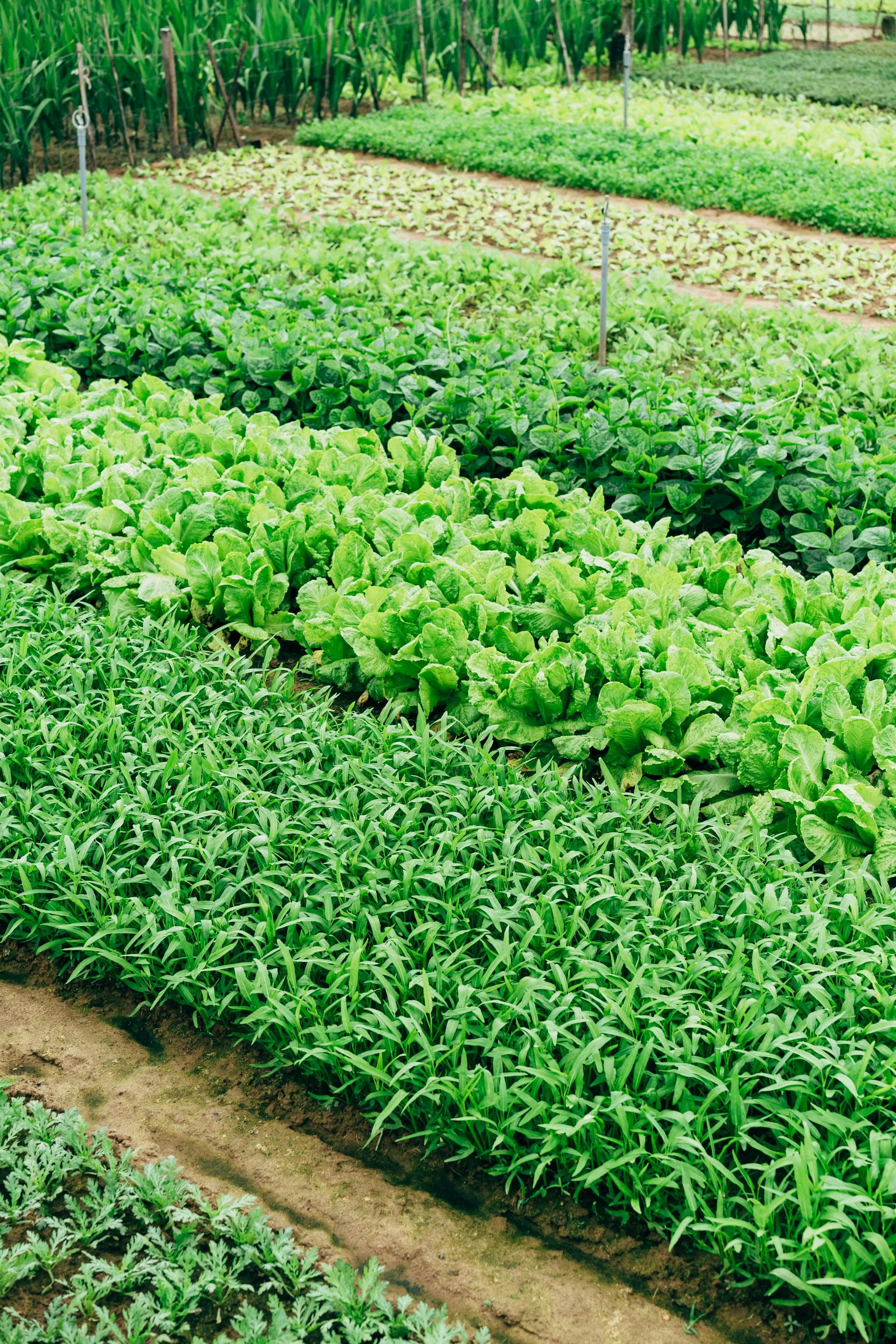
1. Implement Vertical Farming Techniques for Urban and Peri-Urban Areas
- Identify available vertical space such as rooftops, unused warehouses, or small plots where soil contamination or lack of space limits traditional farming.
- Choose appropriate vertical farming systems—hydroponics for leafy greens, aeroponics for nutrient-efficient growing, or aquaponics if fish farming integration is desired.
- Invest in LED grow lights to extend growing periods, especially during low-sunlight months.
- Maintain strict environmental control (humidity, temperature, ventilation) to optimize crop health and yield.
- Train farm workers on operational best practices and technology management.
Boost your yields with the Hydrofarm LED Grow Light System – available on Amazon.
2. Optimize Water Use with Drip Irrigation Systems
- Install efficient drip irrigation tools designed for greenhouse or vertical setups to deliver water directly to plant roots.
- Regularly monitor and adjust irrigation timing to prevent overwatering and water wastage.
- Combine drip irrigation with rainwater harvesting for sustainable water sourcing.
- Engage with local technical advisors to customize systems adapted to local climate and water quality.
For water-smart irrigation, consider the Raindrip Automatic Drip Irrigation Kit – available on Amazon.
3. Prioritize Soil Health with Regular Testing and Organic Inputs
- Use soil testing kits to regularly analyze nutrient levels and pH balances, despite many vertical farms being soil-less; soil health remains essential in integrated systems and outdoor farms.
- Adopt organic fertilizers and compost to build soil fertility sustainably and avoid chemical contamination.
- Implement biofertilizers and microbial inoculants to enhance nutrient uptake and plant resilience.
- Maintain crop rotation and polyculture principles where possible to reduce disease risks.
Improve soil precision with the MySoil Soil Test Kit – available on Amazon.
Explore sustainable organic farming solutions with Biofarm Kenya
Case Studies, Examples, or Comparisons
Several Kenyan farmers and enterprises have successfully adopted vertical farming with notable impact. In Nairobi, Farmonaut’s vertical farm integrates smart horticulture with aquaponics, producing fresh leafy greens year-round while raising tilapia fish using recirculated water. This method reduces water use by more than 80% compared to open-field farming and provides diversified income streams.
Royal Seedlings in Murang’a County uses tiered vertical farms to grow high-demand vegetables in controlled environments, significantly improving yields and market quality. The Food and Agriculture Organization (FAO) emphasizes vertical farming as key to Kenya’s food security by 2050, citing decreasing arable land and growing urban demand as major drivers.
These examples demonstrate the model’s scalability—from smallholder setups to commercial production—and its versatility in different agroecological zones within the country.
Common Mistakes to Avoid
- Poor system design: Choosing incompatible vertical farming technology for climate or crops leads to resource waste.
- Neglecting environmental controls: Failing to monitor temperature and humidity can stunt plant growth or invite pests.
- Inadequate irrigation management: Overwatering or poor irrigation system upkeep causes root diseases and water wastage.
- Ignoring soil testing: Many farmers overlook testing, leading to nutrient imbalances or toxicities in integrated systems.
- Improper fertilizer use: Excess chemical fertilizer damages soil microbes and reduces long-term farm sustainability.
Expert Tips or Best Practices
Farmers looking to maximize vertical farming profitability in Kenya should focus on system scalability and technology integration. Monitoring systems with sensors connected to mobile apps enable precise environmental control and swift intervention to protect crops.
Maintain healthy soil with Organic Compost Starter Mix,which builds natural fertility essential for sustainable plant growth.
Adopt a modular approach that allows expanding your farm gradually as you build skills and market demand. Partner with local organizations for training and market linkages.
Explore sustainable organic farming solutions with Biofarm Kenya, combining expertise with quality inputs to support your vertical farm journey.
Future Trends or Predictions
As technology advances, vertical farming in Kenya will increasingly incorporate artificial intelligence (AI) and Internet of Things (IoT) devices to monitor crop health and automate systems, reducing labor costs and boosting efficiency. Smart irrigation that dynamically adjusts water delivery based on real-time moisture data will further conserve water.
Biodegradable growing media and renewable energy-powered vertical farms will enhance sustainability. The blending of fish farming and horticulture through aquaponics is predicted to grow, offering dual income and lowering waste. Urban centers will likely see vertical farming hubs facilitating community food access and reducing carbon footprints.
Conclusion
In summary, vertical farming represents a transformative agricultural practice and ranks among the most profitable farming ideas in 2026—particularly in Kenya where resource constraints and urbanization shape the farming terrain. By leveraging innovative cultivation systems, efficient irrigation like drip kits, and organic inputs combined with thorough soil testing, farmers can improve yields, reduce costs, and contribute to food security under climate pressures.
Discover trusted organic farming tools on Amazon and learn more about sustainable solutions with Biofarm Kenya.
FAQs
1. What is vertical farming and how does it benefit Kenyan farmers?
Vertical farming is a method of growing crops in stacked layers using controlled environments and often soil-less techniques like hydroponics and aeroponics. It benefits Kenyan farmers by maximizing limited space, reducing water use by up to 90%, improving crop yields, and providing sustainable fresh produce in urban settings. For more information, visit the FAO Agriculture page.2. How can I start a vertical farm in an urban area in Kenya?
Identify available vertical spaces such as rooftops or unused buildings, select appropriate systems (hydroponics, aeroponics), invest in LED grow lights and environmental controls, and adopt efficient irrigation methods like drip irrigation. Training and linking with Kenya’s agricultural extension services will help. Check Kenya Ministry of Agriculture for resources.3. What organic fertilizers work best for vertical farming?
Organic compost, vermicompost, and biofertilizers are excellent choices. They improve soil health, support beneficial microbes, and provide balanced nutrients suitable for soil or soilless systems adapted for vertical farming. Biofarm Kenya provides quality organic fertilization solutions at their partner link.
4. How does drip irrigation improve water efficiency?
Drip irrigation delivers water directly to the plant roots slowly and steadily, minimizing evaporation and runoff. This targeted watering reduces overall water use and supports plant health by avoiding overwatering. Read more at the National Environment Management Authority (NEMA) Kenya.
5. What are common mistakes to avoid in vertical farming?
Common mistakes include poor system design, ignoring environmental controls, overwatering, not testing soils or solutions, and excessive use of synthetic fertilizers that damage soil biology. Prevent these by adopting best practices and seeking expert guidance from platforms like Biofarm Kenya.
6. What is the future outlook for vertical farming in Kenya?
Vertical farming is expected to grow rapidly with adoption of AI, IoT, and renewable-energy powered farms. Integration with aquaponics and smart irrigation will enhance productivity and sustainability. It is viewed as essential to Kenya’s 2050 food security goals. For updates, follow Biofarm Kenya innovations.
Explore sustainable organic farming solutions with Biofarm Kenya
Biofarm’s Organic Input Solutions
Sustainable Irrigation Technologies with Biofarm Kenya


0 Comments