

Estimated Reading Time: 13 minutes
TL;DR
- Vertical farming is emerging as one of the most profitable farming ideas in 2026 in Kenya, combining modern technology and space-efficient methods.
- Kenya’s agriculture sector benefits greatly from sustainable, organic farming practices that enhance soil health and yield better market prices.
- Key strategies include integrating aeroponics, hydroponics, and aquaponics with smart irrigation and digital monitoring tools.
- Successful Kenyan farmers adopting vertical farming report reduced water use, shorter crop cycles, and higher income from premium produce.
- Expert guidance and the right tools—such as soil testing kits and drip irrigation systems—are essential for maximizing profitability and sustainability.
Key Takeaways
- Adopt vertical farming technologies to use limited land efficiently, especially in urban and peri-urban areas.
- Incorporate organic and regenerative farming practices to rebuild soil fertility and reduce chemical inputs.
- Use precision farming tools such as soil testing kits and drip irrigation to optimize input use and crop health.
- Invest in quality irrigation systems for water conservation—critical in Kenya’s often water-scarce regions.
- Explore sustainable organic farming solutions with Biofarm Kenya to access local expertise and resources.
Table of Contents
Introduction
Kenya’s agricultural landscape is undergoing a significant transformation fueled by the increasing demand for sustainable and profitable farming solutions. Among the most innovative and promising advances is vertical farming, which is recognized as one of the most profitable farming ideas in 2026. This practice integrates technology with tradition to optimize space, reduce water usage, and improve crop yields. As Kenya’s population grows and urban areas expand, vertical farming offers a scalable solution to food insecurity and economic challenges faced by farmers across the country.
Organic farming, integrated with controlled environment agriculture such as vertical farms, is becoming the new frontier, combining environmental sustainability with profitability. This article explores the context, key strategies, success stories, and tools that Kenyan farmers can leverage to adopt and thrive in vertical and organic farming.
Background & Context
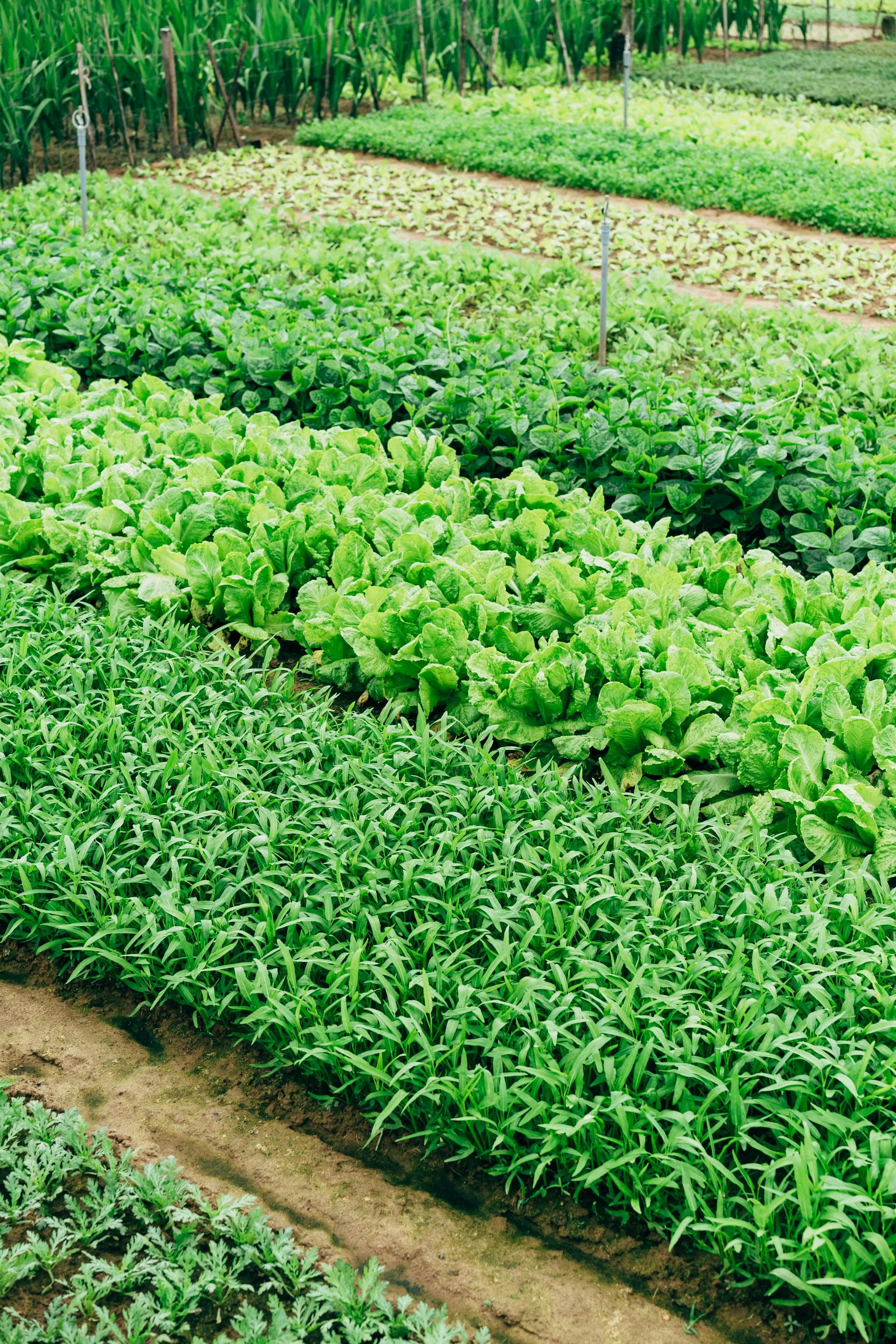
Agriculture remains a cornerstone of Kenya's economy, accounting for over 40% of employment and significant GDP contributions. Recent statistics from the Kenya National Bureau of Statistics (KNBS) indicate a steady growth in agribusiness sectors, including organic and sustainable agriculture. Organic farming in Kenya is gaining momentum, with more farmers embracing natural fertilizers and crop protection to boost soil health and productivity.
The rise of urban farming and limited arable land challenges have exposed the need for innovative farming techniques. Vertical farming, employing hydroponics, aeroponics, and aquaponics, uses less land and water while increasing production efficiency. Kenya’s agri-tech ecosystem supports this growth, especially in Nairobi and other urban hubs.
Reports highlight that vertical farms in Kenya use up to 90% less water than traditional farming, a critical advantage in regions prone to droughts and water shortages. Moreover, organic-certified produce fetches higher prices in local and export markets, enhancing farmer incomes and food security.
Key Insights or Strategies

1. Embrace Space-Efficient Vertical Farming Systems
- Utilize multi-layer growing racks or towers in greenhouses or indoor spaces to maximize crop output per square meter.
- Adopt hydroponic or aeroponic systems to grow crops without soil, reducing pests and diseases.
- Integrate aquaponics by combining fish farming with plant cultivation for a symbiotic, nutrient-rich environment.
- Monitor crop growth with digital tools and sensors to optimize the environment (humidity, temperature, light).
- Market premium organic vegetables and herbs cultivated through these sustainable methods to boost profitability.
Boost your yields with the Soil pH & Moisture Tester Kit – available on Amazon, which helps monitor soil conditions for optimal plant health.
2. Integrate Efficient, Water-Saving Irrigation
- Install drip irrigation systems to deliver water directly to plant roots, minimizing waste and evaporation.
- Combine irrigation with automated timers or sensor controls to optimize water use.
- Harvest and recycle water within vertical farming setups to enhance sustainability.
- Train staff on maintenance to avoid blockages or leaks that can lead to inefficiency.
- Seek local expertise to tailor irrigation solutions that match crop and regional needs.
Consider the CARPATHEN Drip Irrigation System Kit – available on Amazon for a comprehensive irrigation solution that suits small to medium-scale farms.
Explore sustainable organic farming solutions with Biofarm Kenya to access tools, training, and support specialized for Kenyan farmers.
Case Studies, Examples, or Comparisons
Several pioneering Kenyan farmers have successfully adopted vertical farming methods yielding notable benefits. For instance, a Nairobi-based vertical aeroponic farm reported a 40% increase in leafy vegetable production using hydroponic towers while reducing water consumption by half compared to conventional farms. Another success story involves fish growers integrating aquaponics for vegetable production that supplies upmarket Nairobi hotels, fetching premium prices.
The Food and Agriculture Organization (FAO) has endorsed these methods under Kenya’s urban agriculture programs, citing them as impactful for food security and youth employment. Similarly, Kenya's Ministry of Agriculture promotes climate-smart agricultural technologies such as smart irrigation and controlled environment farming to future-proof agriculture against climate variability.
Common Mistakes to Avoid
- Poor Soil or Water Monitoring: Neglecting regular soil and water testing leads to nutrient imbalances and reduced yields. Use soil test kits to stay informed.
- Improper Irrigation Management: Overwatering or under watering can stress plants. Drip irrigation combined with timers helps maintain consistent moisture levels.
- Ignoring Pest and Disease Management: Lack of integrated pest management causes crop damage. Organic pest control methods preserve ecosystem balance.
- Inadequate Training & Technical Knowledge: Farmers must be trained on vertical farming systems and technology to avoid costly errors.
- Ignoring Market Dynamics: Producing crops without market research can result in low profitability. Focus on high-demand organic crops.
Expert Tips or Best Practices
For farmers venturing into vertical farming in Kenya, start with a thorough understanding of your local climate and water availability. Begin small, perhaps with leafy vegetables like kale and spinach, which have proven demand. Ensure consistent monitoring of nutrient levels using a reliable soil testing kit such as the Premium Soil Test Kit – available on Amazon to maintain healthy soil conditions.
Use quality drip irrigation like the CARPATHEN Drip Irrigation System Kit to conserve water and optimize irrigation. Engage with local organizations and networks such as Biofarm Kenya for community support, training, and access to sustainable farm inputs.
Focus on organic inputs and holistic farm health to ensure long-term sustainability. Keeping detailed farm records and tracking crop performance aids in decision-making and scaling your operations profitably.
Future Trends or Predictions
Looking ahead, vertical farming in Kenya is set to merge with AI-driven crop monitoring and data analytics, further refining resource use and boosting yields. Smart irrigation systems with real-time soil moisture sensors linked to mobile apps are becoming more accessible.
Greenhouse technology combined with vertical farming will enable year-round production, reducing exposure to climate shocks. Additionally, the integration of renewable energy sources like solar power is expected to reduce operational costs and enhance sustainability.
Emerging policy support from Kenyan government and partnerships with international agri-tech innovators promise a vibrant future for vertical and organic farming startups and farmers alike.
Conclusion
Vertical farming represents a transformative opportunity for Kenyan agriculture as one of the most profitable farming ideas in 2026. Its space-efficient, resource-conserving technologies combined with organic and smart farming practices enable farmers to overcome land and water limitations while enhancing profitability and sustainability.
Armed with the right tools—like quality soil testing kits and efficient drip irrigation systems—farmers can optimize production and meet growing demand for fresh, healthy produce.
Discover trusted organic farming tools on Amazon and learn more about sustainable solutions with Biofarm Kenya.
FAQs
1. What is vertical farming and how does it benefit Kenyan farmers?
Vertical farming is a method where crops are grown in stacked layers, often indoors or in controlled environments, maximizing space and resource use. It benefits Kenyan farmers by enabling high yields on limited land and reducing water consumption. (Source: FAO)
2. How profitable is organic farming compared to traditional methods in Kenya?
Organic farming in Kenya has been shown to match or exceed conventional yields while fetching higher market prices due to demand for chemical-free produce. It improves soil health and reduces input costs long-term. (Source: Kenya Organic Agriculture Network)
3. What tools do Kenyan farmers need to start vertical farming?
Essential tools include soil testing kits for nutrient management, drip irrigation systems for water efficiency, grow lights if farming indoors, and digital monitors for environmental control. (Source: Biofarm Kenya)
4. Are there risks or common mistakes in vertical or organic farming?
Yes, risks include poor environmental control, inadequate knowledge, improper irrigation, and lack of market research. Proper training and use of technology mitigate these risks. (Source: National Environment Management Authority Kenya)
5. How can vertical farming address food security challenges in Kenya?
By producing more food per unit area with less water and less dependence on soil quality, vertical farming can increase urban food supply, reduce transport losses, and provide fresh produce year-round. (Source: Kenya Ministry of Agriculture)
6. What resources are available for Kenyan farmers interested in sustainable farming?
Farmers can access training, inputs, and support through networks like Biofarm Kenya, government extension services, and NGOs focused on regenerative agriculture. (Source: Biofarm Kenya)
Affiliate Products Mentioned:
External Authoritative Links:
- Food and Agriculture Organization (FAO)
- Kenya Organic Agriculture Network
- National Environment Management Authority (NEMA) Kenya
- Kenya Ministry of Agriculture
- Biofarm Kenya
Internal Biofarm Kenya Links:


0 Comments