

Estimated Reading Time: 12 minutes
TL;DR:
- Kenyan farmers can enhance soil health using nitrogen-fixing legumes like cowpeas and pigeon peas.
- Intercropping strategies and timing of legume pruning are vital for maximizing benefits.
- Continuous legume cultivation can outperform chemical inputs in soil productivity.
- Explore sustainable farming solutions with Biofarm Kenya.
- Discover useful products like drip irrigation systems and soil testing kits on Amazon.
Key Takeaways:
- Implement 2:1 legume-crop intercropping patterns to increase nitrogen fixation.
- Consider timing legume pruning to optimize mulch for soil enrichment.
- Continuous cultivation of legumes supports long-term soil fertility.
Background & Context
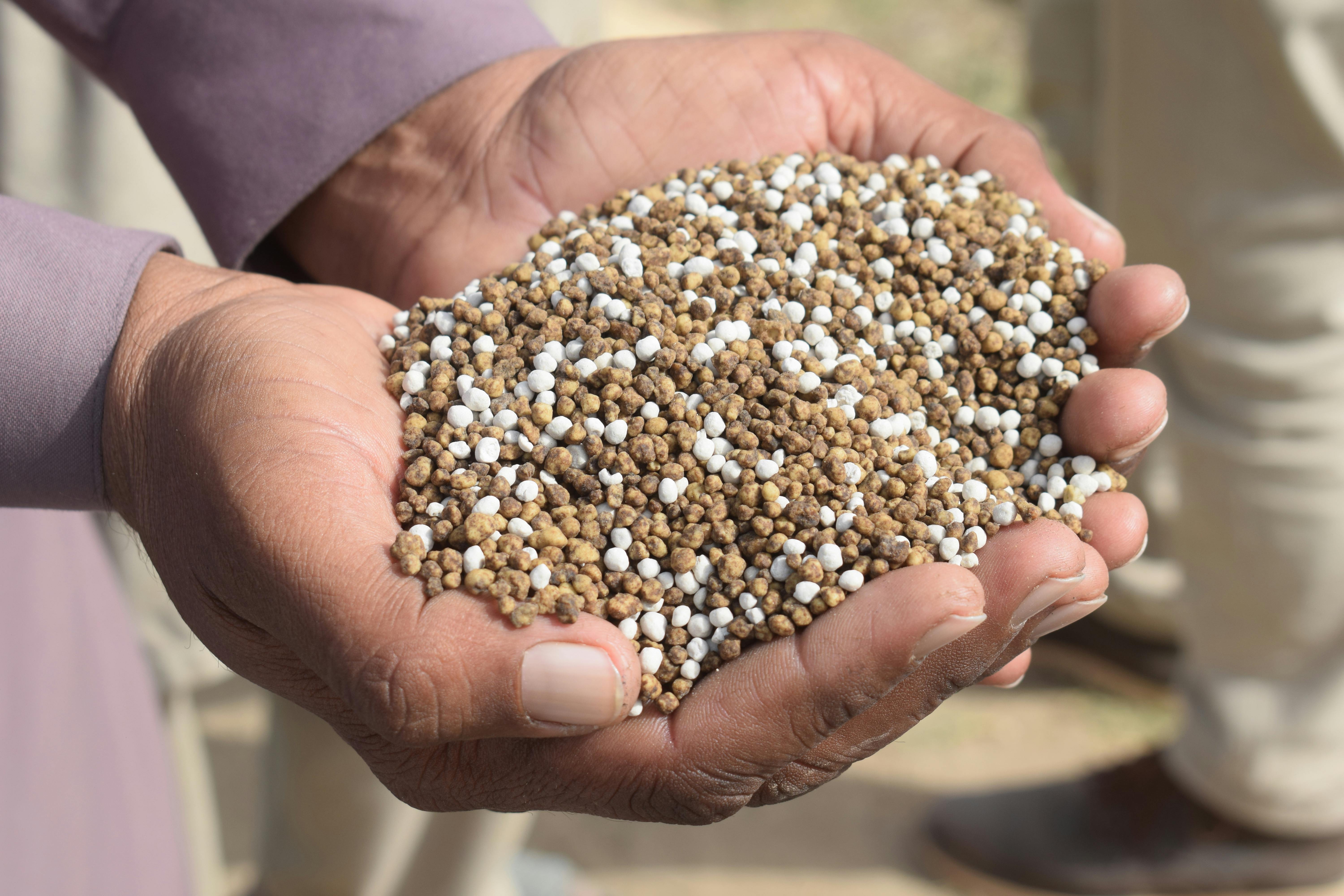
Sustainable agriculture in Kenya is becoming essential as farmers face rising fertilizer costs. With increasing interest in preserving soil health, Kenyan farmers are turning to nitrogen-fixing legumes as a cost-effective and soil-enriching solution. Focused efforts on organic farming, as promoted by organizations like Kenya Organic Agriculture Network (KOAN), demonstrate the impact of natural solutions. The use of legumes like cowpeas and pigeon peas can significantly improve soil fertility, offering a promising alternative to conventional fertilizers.
Key Insights or Strategies
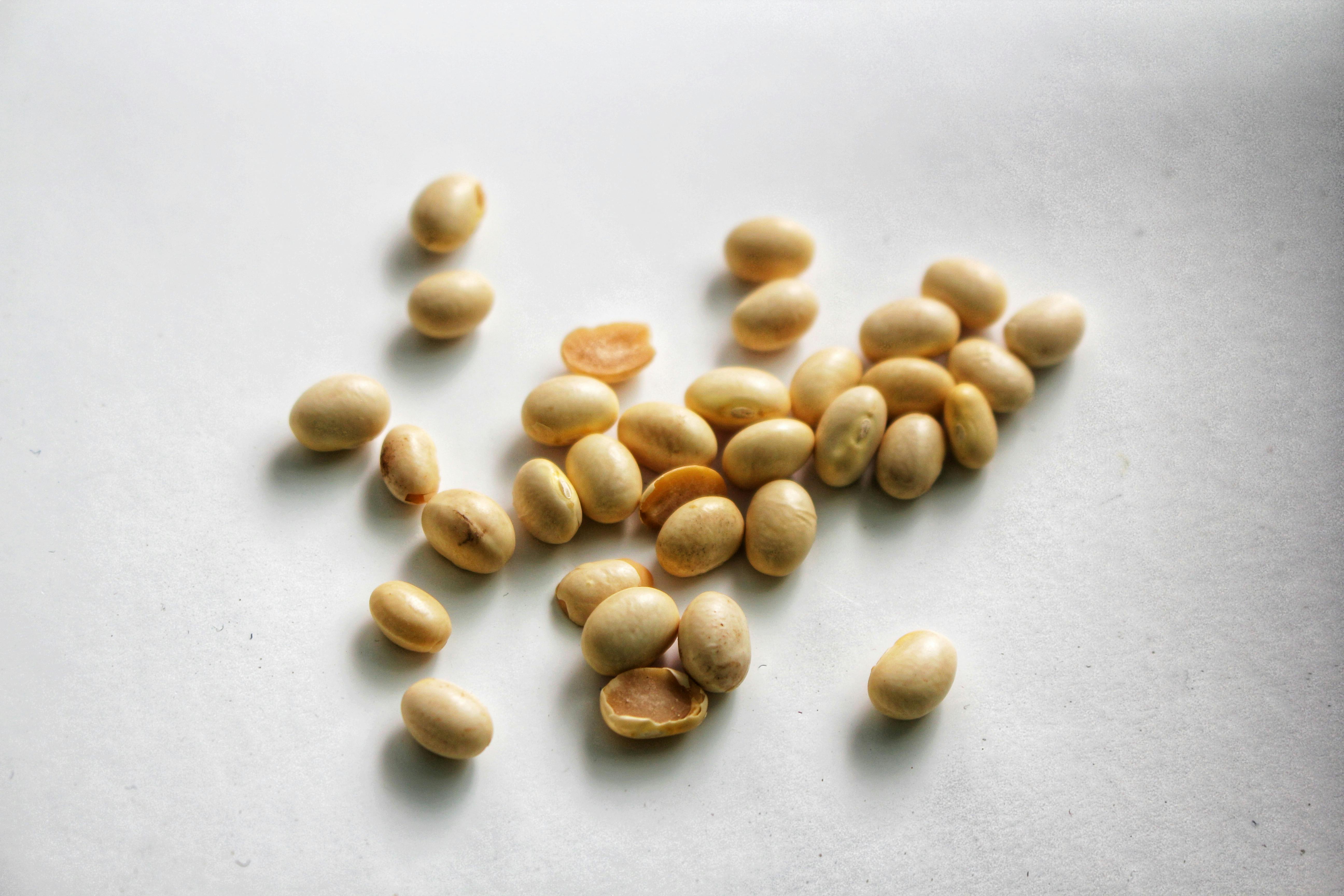
Utilizing Legume Intercropping
- Select legume species adapted to local conditions based on KALRO 2026 trials for optimal results.
- Implement a 2:1 legume-crop pattern to maximize nitrogen transfer, as per IFDC 2025 field studies.
- Time pruning to effectively use legume biomass as mulch for soil enrichment.
Boost your yields with the Soil pH & Moisture Tester Kit – available on Amazon.
Explore sustainable organic farming solutions with Biofarm Kenya.
Case Studies, Examples, or Comparisons
Farm Africa’s STRAK project in Embu has shown that regenerative agriculture increases yields and supports climate resilience. Farmers adopting this approach experienced an impressive transformation. For those seeking quality organic methods, referring to reports from the Food and Agriculture Organization (FAO) offers clear insights into effective practices.
Common Mistakes to Avoid
- Over-reliance on chemical fertilizers leading to soil degradation. Instead, opt for organic amendments.
- Ignoring soil testing. Regular assessments with tools like a Soil Testing Kit – available on Amazon, ensure nutrient levels are balanced.
- Poor irrigation practices. Adopting efficient systems such as the Drip Irrigation System Kit – available on Amazon
Expert Tips or Best Practices
Maintain healthy soil by regularly incorporating organic matter such as legume biomass. Consider integrating tools like the Mini Greenhouse Kit – available on Amazon for diversified crop production.
Explore sustainable organic farming solutions with Biofarm Kenya.
Future Trends or Predictions
Look forward to innovations such as AI-driven crop monitoring and smart irrigation techniques to further boost efficiency. Vertical farming is also on the rise, offering solutions for urban agriculture expansion.
Conclusion
In summary, Kenyan farmers can thrive by embracing nitrogen-fixing legumes as a sustainable solution to improve soil health and yield. Take a proactive approach by investing in organic farming tools available on Amazon and continue learning about sustainable farming solutions with Biofarm Kenya.
FAQs
- What is the best way to enhance soil fertility naturally?
Integrating nitrogen-fixing legumes into crop rotation can significantly enhance fertility. For further methods, visit the Agribusiness Global. - How does legume cultivation compare to chemical fertilizers?
Continuous legume cultivation improves long-term soil productivity. Reports by IFDC provide comparable insights. - Which legumes are suitable for Kenyan climates?
Cowpeas and pigeon peas are highly recommended. For specifics, consult KOAN. - How often should soil be tested?
Testing should occur at least once a year. Information on guidelines can be found at FAO Kenya. - What irrigation methods conserve water effectively?
Drip irrigation systems offer a highly efficient means of water conservation. Explore solutions on Amazon. - Are there training programs available for sustainable farming?
Yes, numerous programs are available through organizations such as the National Environment Management Authority (NEMA).


0 Comments