

Estimated Reading Time: 12 minutes
TL;DR:Kenyan dairy farmers can slash feed costs by 37% by replacing commercial concentrates with locally-sourced alternatives. Key steps include testing forage quality, introducing changes gradually, and using mineral supplements. Leveraging these sustainable practices maintains milk yields while reducing expenses.Key Takeaways:
- Replace 40-60% commercial concentrates with alternatives like napier grass and maize silage.
- Implement a gradual 21-day transition to prevent cow digestive distress.
- Utilize mobile labs to test forage for protein and mineral content.
- Supplement diets with 500g of mineral mix per cow daily for optimal health.
- Ensure proper farm management to maintain 95% of original milk yield.
- Introduction
- Background & Context
- Key Insights or Strategies
- Case Studies, Examples, or Comparisons
- Common Mistakes to Avoid
- Expert Tips or Best Practices
- Future Trends or Predictions
- Conclusion
- FAQs
Introduction
Kenyan dairy farmers are increasingly seeking cost-cutting methods amid rising feed prices. This guide trains farmers to replace 40-60% of commercial concentrates with locally-sourced alternatives like napier grass, maize silage, and kitchen waste without sacrificing milk yields. By embracing these strategies, farmers can achieve sustainability and resilience in their operations. The push for sustainable agriculture in Kenya is more crucial than ever, with experts from the Agriculture and Food Authority emphasizing the need for innovative solutions.
Background & Context
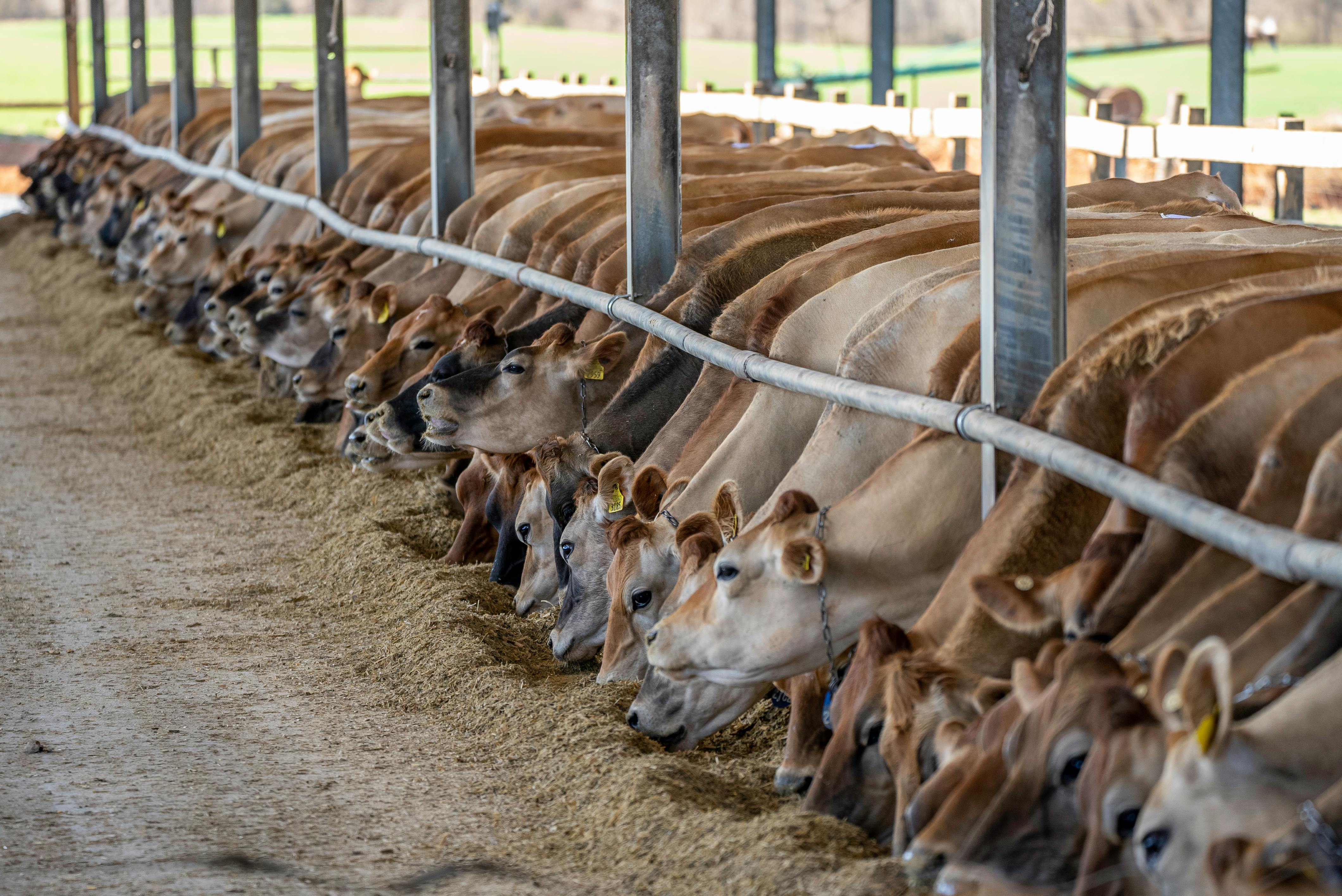
The agricultural sector in Kenya grew by 7% in 2023, driven by innovations in sustainable farming. A report by the Central Bank of Kenya highlights the role of sustainable practices in supporting economic growth. In the dairy industry, feed costs have become a major concern, prompting a shift towards local and organic alternatives.
Key Insights or Strategies
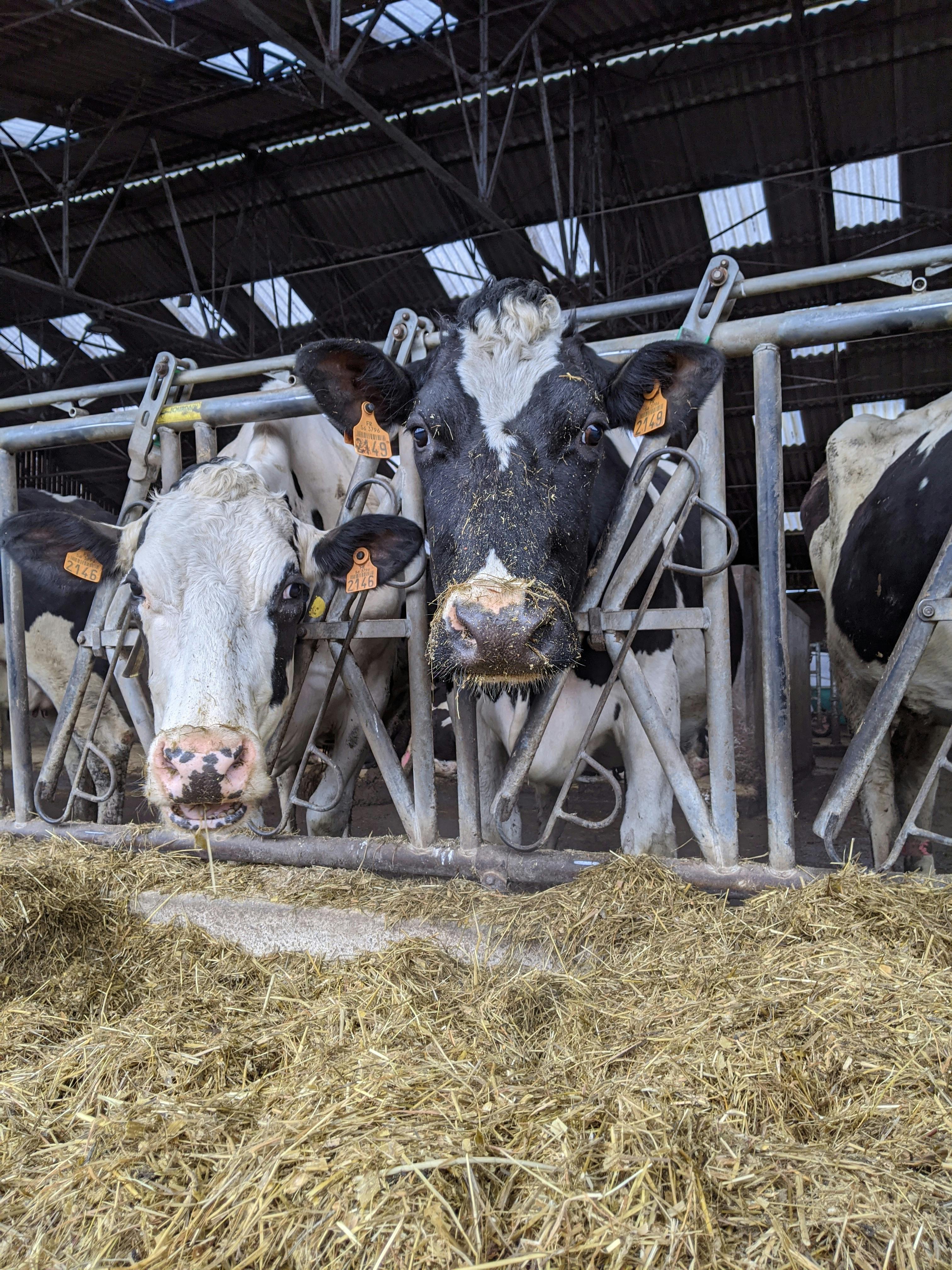
Insight 1: Forage Quality Testing
- Start by testing the quality of your forage using mobile lab services.
- Ensure protein/mineral balance to meet nutritional requirements.
- Use tools like the MySoil Soil Test Kit for accurate results.
Insight 2: Gradual Introduction of Alternatives
- Transition to alternative feeds over a 21-day period.
- Monitor cows closely to prevent digestive upsets.
- Adjust rations based on observed outcomes.
Insight 3: Mineral Supplementation
- Supplement with 500g of mineral mix daily per cow.
- Choose high-quality products to ensure effectiveness.
- Consider options like the Soil pH & Moisture Tester Kit for tracking nutrient levels.
Explore sustainable organic farming solutions with Biofarm Kenya
Case Studies, Examples, or Comparisons
The success story of a farmer in Embu, who reduced feed costs by 37% while maintaining 95% of milk yield using napier grass and maize silage, exemplifies the viability of this approach. According to the ABI Organics, using local resources not only cuts costs but also contributes to national food security.
Common Mistakes to Avoid
- Ignoring forage quality testing, leading to nutrient deficiencies.
- Rushing the transition phase, causing digestive issues in cows.
- Falling short on mineral supplementation, impacting milk production.
Expert Tips or Best Practices
Choose diversified fodder sources to improve diet richness. Implement technologies like Drip Irrigation Systems to optimize water use. Also, maintain soil fertility with Organic and Mineral Soil Amendments.
Explore sustainable organic farming solutions with Biofarm Kenya
Future Trends or Predictions
The integration of smart irrigation, AI-driven crop monitoring, and vertical farming will play a pivotal role in enhancing farm productivity. The 2023 update from UN Global Compact underscores the shift towards regenerative agriculture and net-zero emissions targets by 2030.
Conclusion
By adopting these strategic insights, Kenyan dairy farmers can enhance sustainability while cutting costs. Discover trusted organic farming tools on Amazon and learn more about sustainable solutions with Biofarm Kenya.
FAQs
- What are the benefits of replacing commercial concentrates?
Replacing commercial concentrates with locally-sourced alternatives reduces costs and dependence on imported feed, ensuring food security. Learn more from the Food and Agriculture Organization.
- How can I ensure forage quality in my farm?
Regular testing using soil kits like MySoil Soil Test Kit ensures the nutritional adequacy of forage. Refer to the Kenya Plant Health Inspectorate Service for guidelines.
- Why is mineral supplementation important?
It fills nutritional gaps not covered by forage, supporting optimal milk production. Find detailed recommendations from the National Environment Management Authority.
- What is the ideal transition period for introducing alternative feeds?
A gradual change over 21 days helps in preventing cow digestive issues, as advised by the Kenya Agricultural and Livestock Research Organization.
- Can I automate feeding processes?
Yes, with tools like automated feeders and smart irrigation systems available on Amazon.
- How does sustainable feeding impact climate change?
By reducing dependence on industrial concentrates, greenhouse gas emissions are minimized, contributing positively to climate efforts. For more, visit the UN Global Compact.


0 Comments