

Estimated Reading Time: 12 minutes
Vertical Farming Revolutionizes Agriculture with 30% Higher Yields
Kenya’s agricultural landscape is witnessing a vertical farming revolution that boosts yields by 30%, transforming the way farmers grow food amidst space and resource constraints. This innovative approach is rapidly gaining traction, combining technology and sustainable practices to increase productivity, efficient water use, and food security. For farmers, agribusinesses, and investors alike, vertical farming is proving to be a game-changer in Kenya’s sustainable agriculture sector.
TL;DR:
- Vertical farming in Kenya uses controlled environments and stacking techniques to produce 30% higher yields.
- This method consumes up to 90% less water compared to traditional farming.
- Adoption of vertical farming supports urban food security and boosts agribusiness profitability.
- Smart farming technologies like hydroponics and aquaponics integrate well with vertical farming.
- Farmers can leverage affordable tools such as soil testing kits and drip irrigation to optimize growth.
Key Takeaways:
- Implement vertical farming techniques to overcome land limitations and improve crop yields.
- Use water-efficient systems integrated with vertical farms to conserve vital resources.
- Adopt smart technologies such as hydroponic towers and soil testing kits for better crop management.
- Learn from case studies of successful Kenyan vertical farms to guide implementation.
- Avoid common mistakes like improper soil and irrigation management to maximize benefits.
Table of Contents
Background & Context Key Insights or Strategies Case Studies, Examples, or Comparisons Common Mistakes to Avoid Expert Tips or Best Practices Future Trends or Predictions Conclusion FAQsBackground & Context
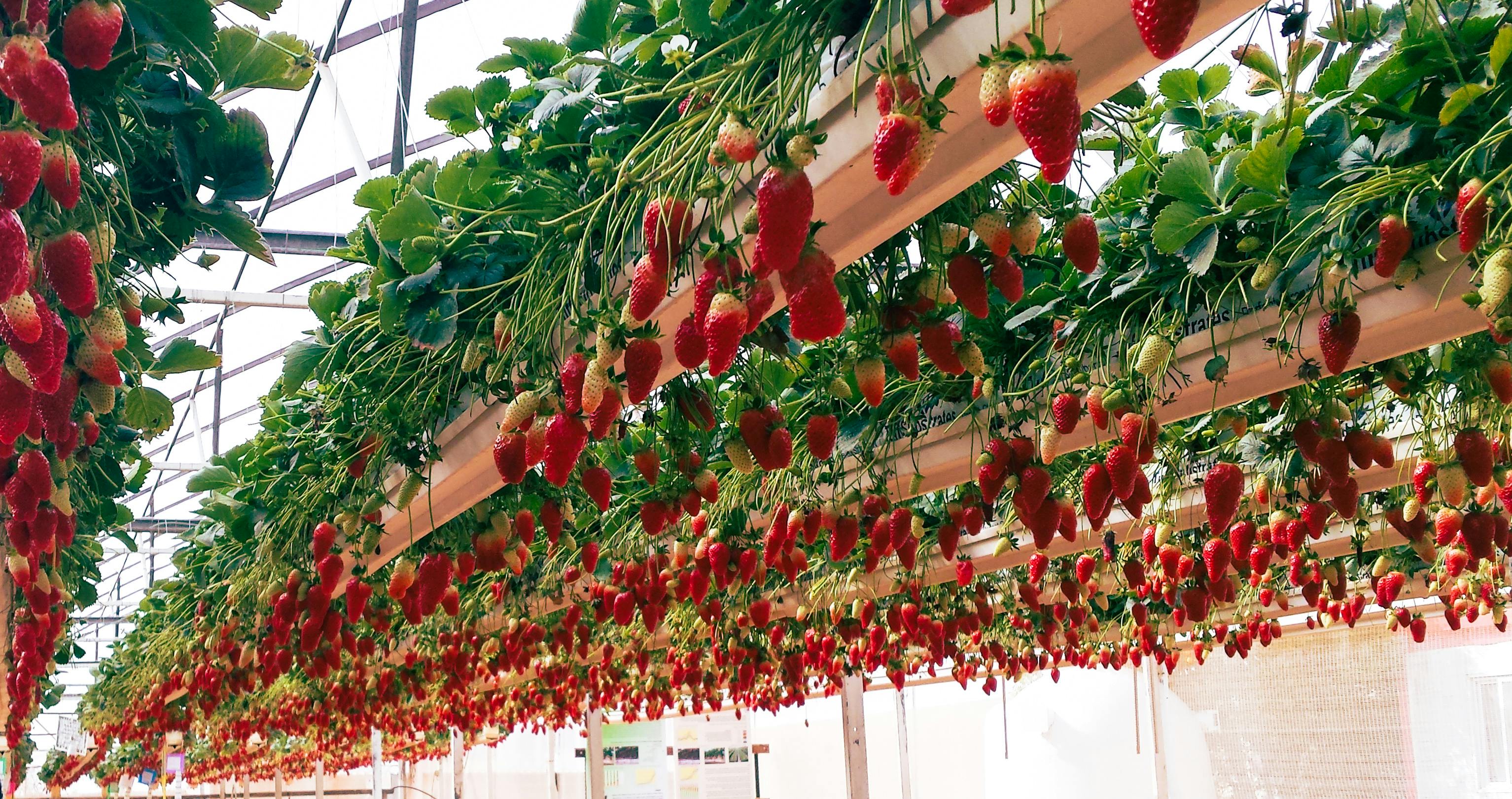
In Kenya, agriculture remains the backbone of the economy, contributing about 33% of GDP and accounting for over 70% of employment. However, challenges such as limited arable land, soil degradation, and inconsistent rainfall hamper productivity growth. Organic farming and sustainable agriculture have gained momentum as innovative solutions.
According to the 2024 Kenya Organic Data Survey by KOAN, organic farming acreage and numbers of farmers practicing organic techniques are steadily increasing across the country, underscoring a clear trend towards eco-friendly farming methods. Vertical farming offers a complementary solution by enabling farmers to grow crops in stacked layers within controlled environments; this method can significantly increase land use efficiency.
This sustainable approach aligns with Kenya’s goal to enhance food security, improve soil fertility, and reduce agriculture’s environmental footprint while meeting the rising demand for fresh produce both locally and internationally.
Key Insights or Strategies

1. Utilize Vertical Farming to Maximize Space and Yields
Vertical farming enables efficient use of urban and peri-urban spaces by growing crops in stacked layers inside warehouses, containers, or greenhouses. This method can yield up to 30% more produce compared to traditional farming within the same footprint.
- Choose suitable crops such as leafy greens, herbs, and tomatoes that thrive in controlled environments.
- Design vertical racks and shelving with proper lighting and ventilation for optimal plant growth.
- Incorporate hydroponics or aeroponics to grow plants without soil, improving growth rates.
- Monitor environmental conditions such as humidity, temperature, and CO2 levels digitally.
- Harvest at regular intervals, taking advantage of faster crop cycles due to controlled settings.
2. Adopt Water-Efficient Systems Like Hydroponics & Aquaponics
Vertical farms in Kenya use up to 90% less water than traditional open-field farming thanks to recirculating hydroponic and aquaponic systems.
- Set up closed-loop water systems that recycle nutrient-rich water for plant roots.
- Integrate fish farming (aquaponics) to create a symbiotic environment where fish waste fertilizes plants.
- Use drip irrigation and misting to deliver precise water quantities without waste.
- Track water usage data to identify areas for conservation and efficiency improvements.
- Train staff on water management practices and maintenance of systems.
3. Monitor and Manage Soil and Nutrient Health
Even in soil-based vertical farming, maintaining soil fertility and pH balance is critical for high yields and healthy crops.
- Test soil frequently using reliable tools to assess pH, nutrient levels, and moisture.
- Amend soil with organic fertilizers and composts to boost nutrient content sustainably.
- Rotate crops or use cover crops to improve soil health and structure.
- Keep track of inputs and harvest data to optimize nutrient management.
- Apply integrated pest management (IPM) techniques to reduce chemical usage.
Boost your yields with the Soil pH & Moisture Tester Kit – available on Amazon.
For efficient water management, consider the CARPATHEN Drip Irrigation System Kit – available on Amazon.
Explore sustainable organic farming solutions with Biofarm Kenya
Case Studies, Examples, or Comparisons
One inspiring example is the Eco Hydro Gardens in Nairobi, which uses hydroponic vertical farming to supply fresh leafy greens year-round to local markets. Their use of aeroponics and automated nutrient delivery has led to consistent, high-quality yields with minimal resource consumption.
The Kenya Organic Agriculture Network (KOAN) supports numerous smallholder farmers adopting vertical farming combined with organic practices, demonstrating increased food security and income diversification.
Internationally, Israel’s investment in vertical farming innovations offers key insights on how Kenyan farmers can adopt technology-driven agriculture to overcome climatic variability and urban land scarcity, as highlighted by the Israel Trade & Economic Office in Kenya.
Common Mistakes to Avoid
- Ignoring proper soil testing: Failing to regularly test and balance soil nutrients can lead to poor crop growth and yield loss.
- Poor water management: Overwatering or under-watering plants in vertical setups wastes water and stresses plants.
- Neglecting pest and disease control: Without integrated pest management, vertical farms risk infestations that spread quickly through confined spaces.
- Insufficient lighting or airflow: Lack of adequate light and ventilation can stunt plant development.
- Overlooking maintenance of irrigation and hydroponic systems: Mechanical failures or clogging reduce system efficiency.
Expert Tips or Best Practices
Experts recommend starting with small-scale vertical setups to understand system requirements before expanding. Consider these tips to succeed:
- Select crops suited for vertical farming considering local market demand.
- Regularly calibrate and maintain hydroponic or irrigation equipment to avoid nutrient imbalances.
- Use organic compost and natural pest repellents to maintain soil and plant health.
- Train farmworkers on system monitoring and troubleshooting to minimize downtime.
- Leverage local agricultural extension services and partners like Biofarm Kenya for ongoing support and resources.
Maintain healthy soil with Organic Compost Starter Mix – available on Amazon.
Explore sustainable organic farming solutions with Biofarm Kenya
Future Trends or Predictions
The future of agriculture in Kenya is poised for a blend of technology and sustainability. Upcoming trends include:
- Smart irrigation: IoT-enabled systems that automate watering schedules based on real-time soil moisture data.
- AI-driven crop monitoring: Use of drones and sensors to detect early stress or disease symptoms.
- Expansion of vertical farming: Increased use of urban spaces for food production using renewable energy systems.
- Integration with renewable energy: Solar-powered vertical farms lowering operational costs and carbon emissions.
- Enhanced organic inputs and biostimulants: To promote plant resilience and reduce synthetic chemical use.
Conclusion
Vertical farming is revolutionizing agriculture in Kenya by offering a solution that delivers 30% higher yields while saving water and optimizing land use. Integrating modern technologies like hydroponics and smart irrigation systems creates a sustainable pathway for food production, especially critical in urban areas and regions facing climate challenges.
Farmers and agribusinesses can boost productivity by adopting best practices such as regular soil testing, efficient irrigation, and use of organic inputs. For those seeking reliable farming tools, trusted products like the organic farming tools available on Amazon are a great investment.
To deepen your knowledge and access expert support, learn more about sustainable solutions with Biofarm Kenya.
FAQs
1. What is vertical farming and how does it work?
Vertical farming is a method of growing crops in stacked layers in controlled environments, often using hydroponics or aeroponics. This allows for efficient use of space and resources, producing higher yields with reduced water and land input. See more at FAO Sustainable Agriculture.
2. How much water does vertical farming save compared to traditional methods?
Vertical farming systems can reduce water use by up to 90% compared to traditional soil-based agriculture due to recirculating systems and precision watering. Details can be found on the NEMA official site.
3. Can vertical farming work for small-scale Kenyan farmers?
Yes, small and medium scale farmers in Kenya can adopt vertical farming using affordable setups like hydroponic towers or container farms. These systems can be modular and scalable. Insights available at Biofarm Kenya.
4. Which crops are best suited for vertical farming?
Leafy greens, herbs, microgreens, tomatoes, strawberries, and some spices thrive in vertical farms due to their size, growth cycle, and market demand. More crop suitability data can be found at FAO Kenya.
5. What are common mistakes in vertical farming and how to avoid them?
Common mistakes include poor water and nutrient management, inadequate lighting or airflow, and neglecting pest control. Avoid these by investing in monitoring equipment and following expert guidance from resources like the Agriculture and Food Authority (AFA).
6. How can Kenyan farmers access vertical farming training and technology?
Farmers can engage with organizations like Biofarm Kenya that provide training, access to sustainable inputs, and partnership opportunities. Visit Biofarm Kenya Partners for more information.
References & Resources:


0 Comments