

Estimated Reading Time: 15 minutes
TL;DR
Integrated Nutrient Management (INM) enhances soil health and yield. Combining organic and synthetic fertilizers balances soil nutrients and supports sustainability. Implement soil testing, composting, and precise application techniques.
Key Takeaways
- Use integrated nutrient strategies to balance soil nutrients.
- Conduct soil tests to identify nutrient needs.
- Blend organic and synthetic inputs for improved fertility.
- Prioritize sustainable farming practices with local solutions.
Table of Contents
- Background & Context
- Key Insights or Strategies
- Case Studies, Examples, or Comparisons
- Common Mistakes to Avoid
- Expert Tips or Best Practices
- Future Trends or Predictions
- Conclusion
- FAQs
Background & Context
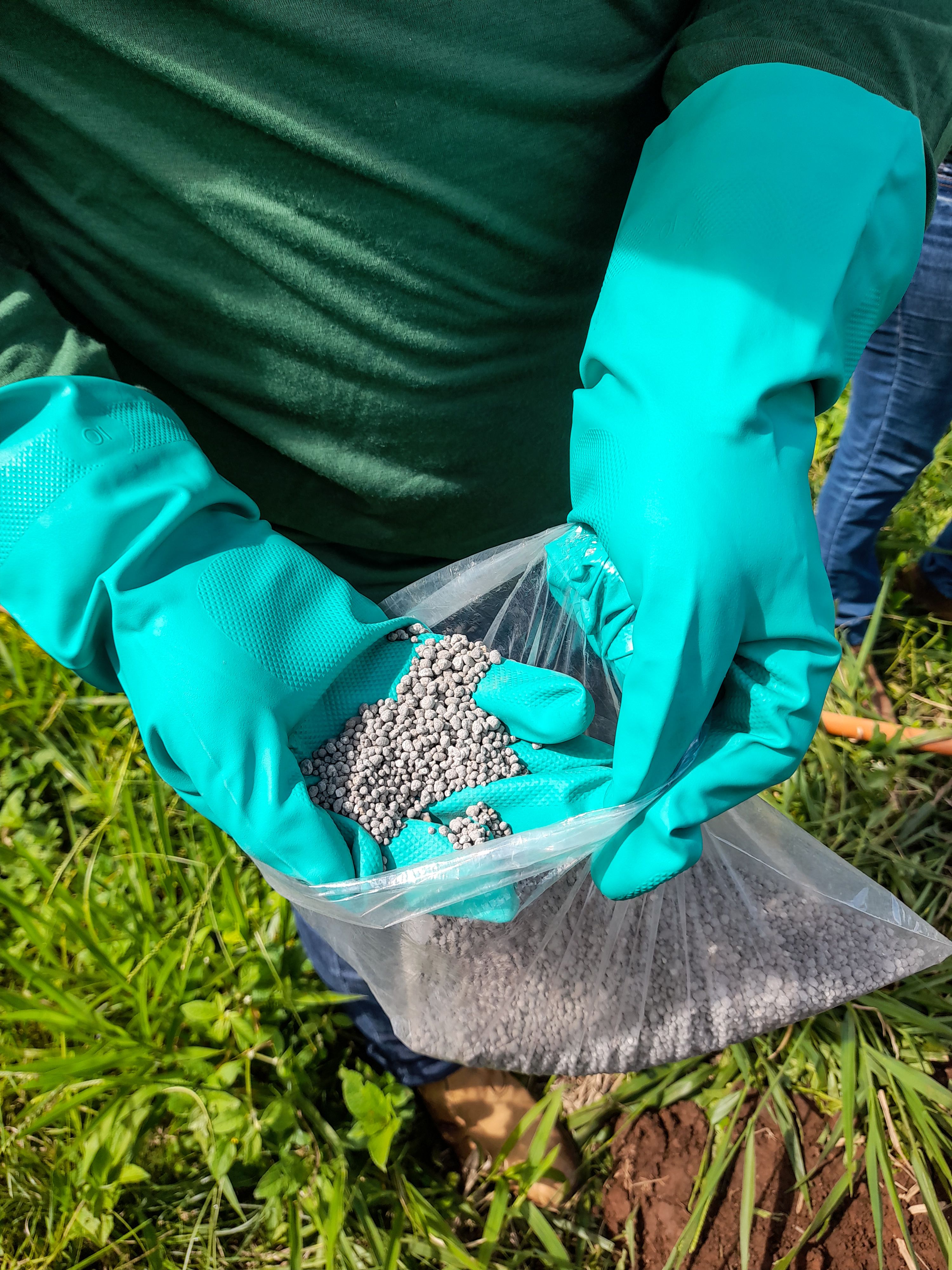
Kenyan farmers are increasingly seeking solutions to soil degradation amid climate stressors. Implementing Integrated Nutrient Management (INM) is critical for optimizing soil health and boosting yields sustainably. With extensive research highlighting the negative effects of over-relying on synthetic fertilizers, INM emerges as a proactive approach, effectively combining organic and synthetic inputs to replenish soil health and improve productivity.
Key Insights or Strategies
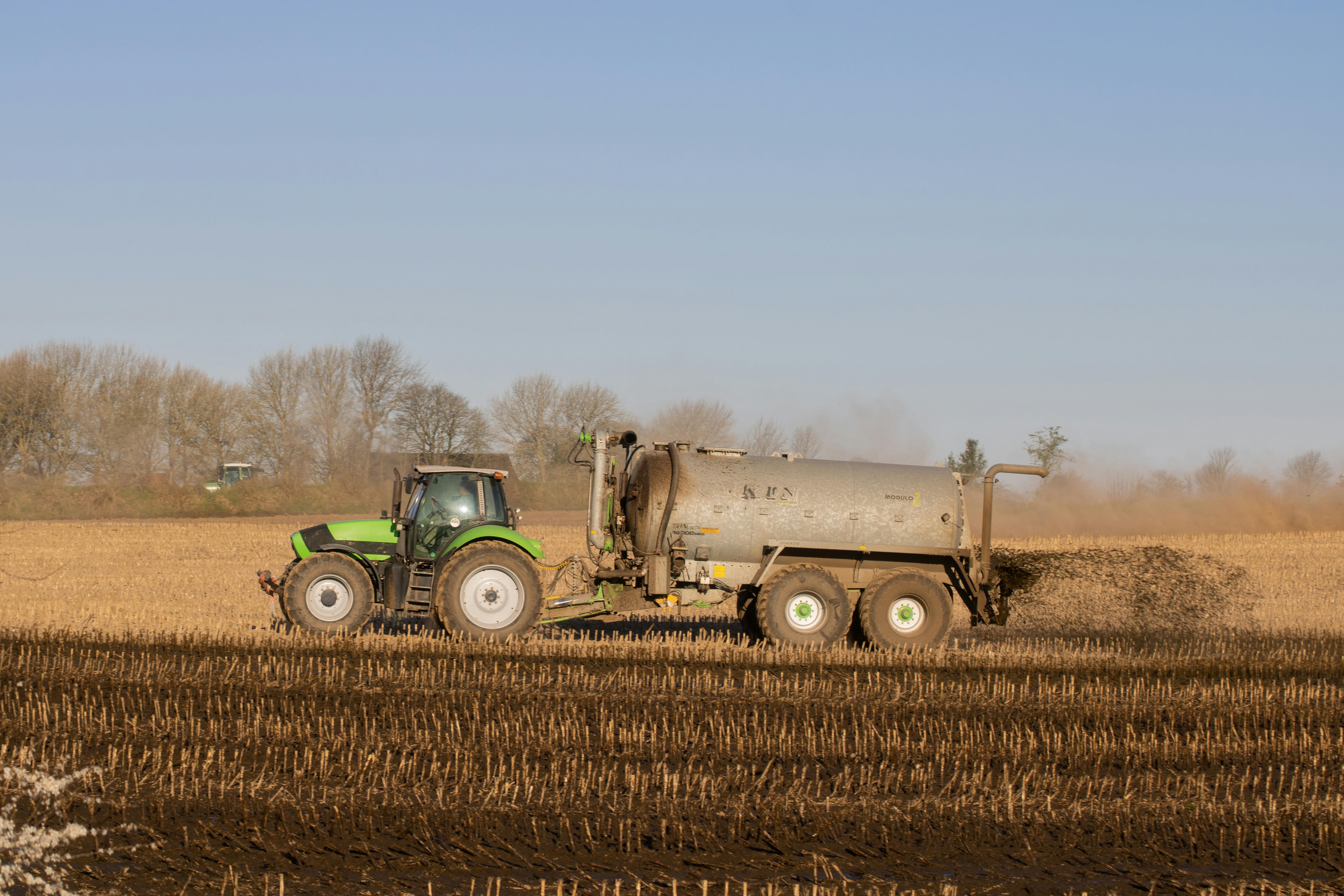
Understanding Soil Needs
To maximize the efficacy of nutrient management, it's essential to first understand your soil's specific needs:
- Conduct a thorough soil test to determine pH and nutrient deficiencies. Consider using the MySoil Soil Test Kit for comprehensive analysis.
- Based on the soil test, develop a nutrient management plan that integrates both organic and synthetic fertilizers.
Explore sustainable organic farming solutions with Biofarm Kenya
Blending Fertilizers
Strategically combining organic matter with synthetic fertilizers can improve soil health while supporting productivity:
- Use organic fertilizers such as compost or manure to improve soil structure and microbial activity.
- Employ synthetic fertilizers to provide precise nutrient supplements.
- Opt for OMRI-listed products like Drammatic® Organic™ Original Fertilizer.
Case Studies, Examples, or Comparisons
In recent years, several Kenyan farmers have transitioned to integrated nutrient management approaches, experiencing remarkable yield improvements and cost reductions. A study by the Ministry of Agriculture reveals that farms using a blend of organic and chemical fertilizers observed a 20% increase in maize yields.
Common Mistakes to Avoid
It's essential to avoid common mistakes in soil management that can impair productivity:
- Avoid over-applying fertilizers, which can lead to nutrient leaching.
- Ensure regular soil tests to prevent imbalanced nutrient applications.
- Use filtration systems like the CARPATHEN Drip Irrigation System Kit to optimize water and nutrient distribution.
Expert Tips or Best Practices
To maintain soil health and productivity, apply the following expert tips:
- Incorporate crop rotation and cover cropping to maintain soil organic matter.
- Utilize efficient irrigation systems like drip irrigation to conserve water and enhance nutrient uptake. Consider kits such as the Flantor Drip Irrigation Kit.
- Pursue training and technical advice from local partners. Discover more sustainable solutions with Biofarm Kenya.
Future Trends or Predictions
Future trends in Kenyan agriculture emphasize smart irrigation technologies, AI-driven crop monitoring, and vertical farming, all of which promise to enhance efficiency and sustainability in farming practices.
Conclusion
Integrated Nutrient Management is an invaluable strategy for restoring soil health and boosting farm productivity in Kenya. By harmoniously blending organic and synthetic nutrient sources, farmers can achieve balance, sustainability, and profitability. Discover trusted organic farming tools on Amazon and learn more about sustainable solutions with Biofarm Kenya.
FAQs
What is Integrated Nutrient Management (INM)?
Integrated Nutrient Management is an approach that combines organic and inorganic fertilizers to optimize soil fertility and productivity. For more information, visit the FAO website.
How can I test soil nutrient levels effectively?
Conducting regular soil tests with a comprehensive kit, such as the MySoil Soil Test Kit, ensures accurate analysis and nutrient management.
What are the benefits of drip irrigation in nutrient management?
Drip irrigation systems ensure even fertilizer distribution and reduce nutrient loss through leaching. Learn more when you visit NEMA.
Why should I use organic fertilizers?
Organic fertilizers help improve soil structure and enhance microbial activity, crucial for sustainable farming. The Organic Consumers Association offers extensive information.
How can INM improve the economic viability of farming?
INM reduces input costs and enhances yields, offering better long-term economic returns. The KARI study (2025) discusses these aspects in detail.
Where can I find sustainable farming resources in Kenya?
Biofarm Kenya provides valuable resources and tools for sustainable organic farming. Explore their offerings.


0 Comments