

Estimated Reading Time: 15 minutes
TL;DR: Switching to organic fertilizers is a cost-effective and sustainable alternative for Kenyan farmers. Implementing soil tests, using leguminous cover crops, and practicing composting are crucial steps in the transition. Explore products like organic fertilizers and soil testing kits to maximize yields while caring for the environment.Key Takeaways
- Conduct regular soil tests to understand nutrient demands.
- Integrate cover crops such as legumes to naturally enhance soil.
- Gradually replace synthetic fertilizers with organic composting methods.
- Utilize organic fertilizers to boost soil health sustainably.
- Background & Context
- Key Insights or Strategies
- Case Studies, Examples, or Comparisons
- Common Mistakes to Avoid
- Expert Tips or Best Practices
- Future Trends or Predictions
- Conclusion
- FAQs
Background & Context
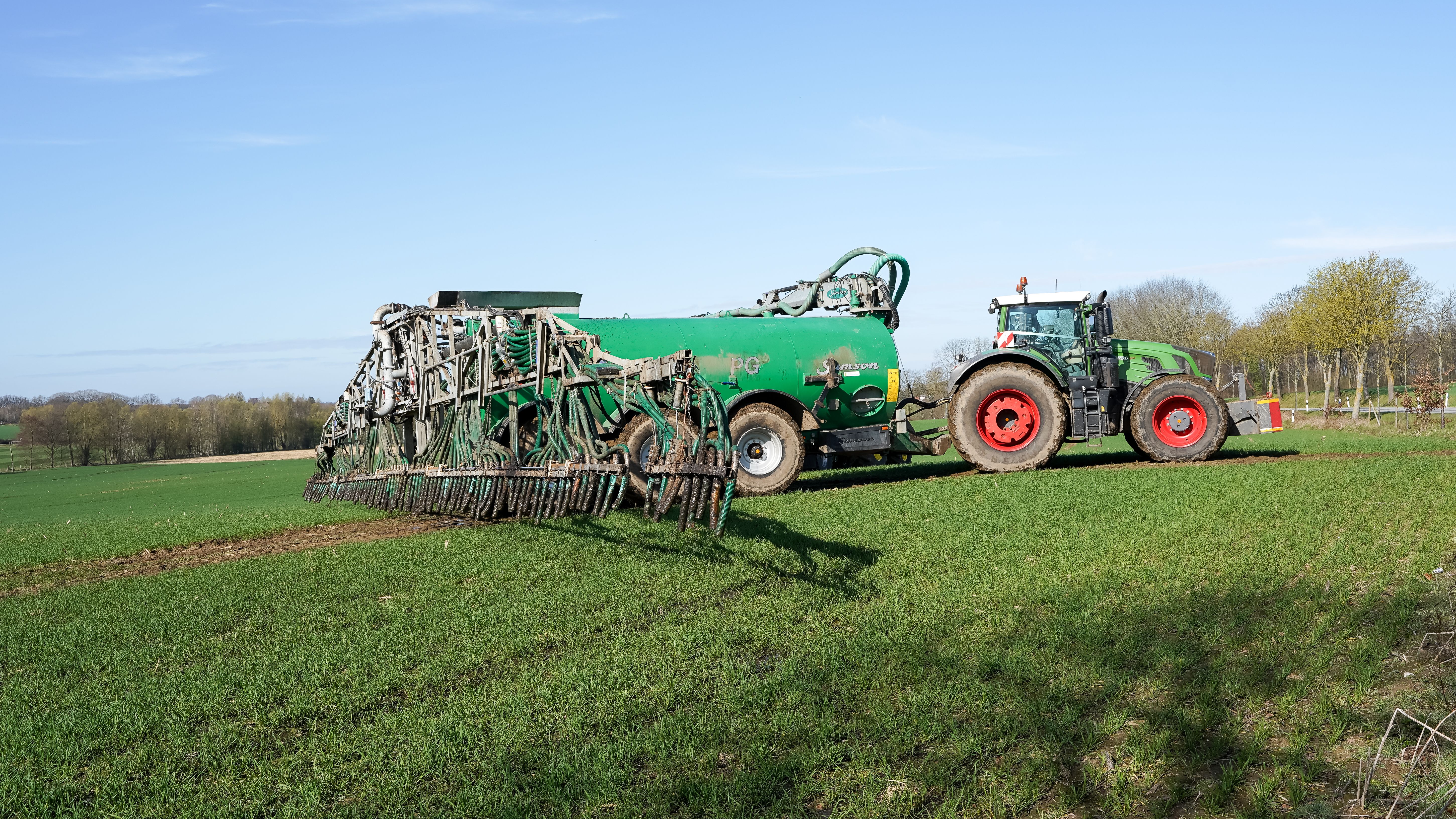 Kenya's agricultural sector is exploring sustainable solutions as traditional chemical fertilizers become less economically viable. The degradation of soils has prompted an increasing shift among Kenyan farmers towards organic alternatives. By adopting these methods, farmers are investing in the long-term health of their land and communities.
Key Insights or Strategies
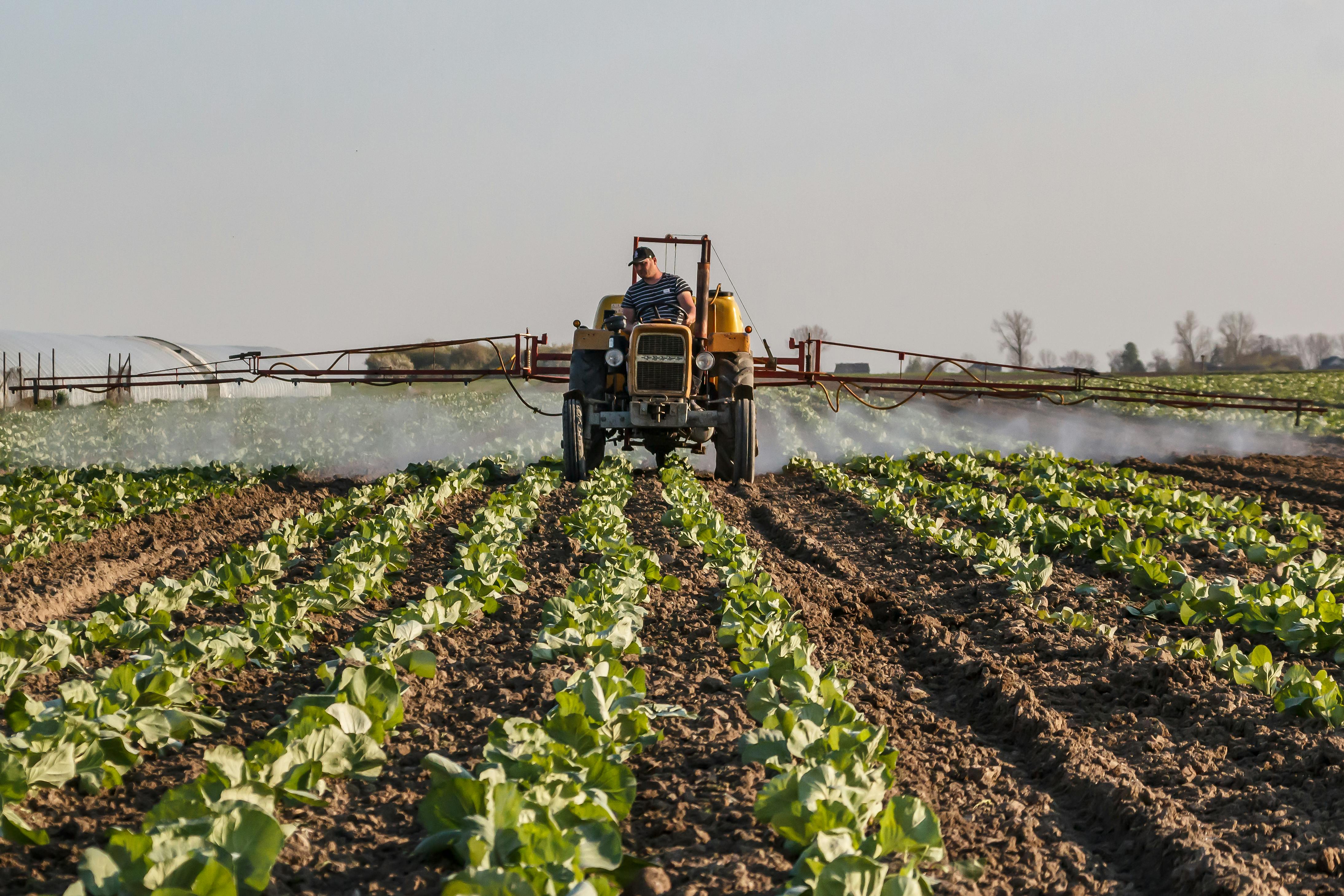
Conduct Soil Testing
- Identify current nutrient levels and deficiencies using soil testing kits such as the MySoil Soil Test Kit .
- Prepare an action plan based on test results to guide fertilizer application.
Integrate Legume Cover Crops
- Use leguminous plants like clover to naturally fix nitrogen in the soil.
- Consider KALRO's recommendations to increase maize yields by 30%.
Adopt Composting Techniques
- Set up composting units using organic waste to reduce reliance on chemical fertilizers by 50%, as shown by Jomo Kenyatta University trials.
- Consider purchasing the Key To Life Silver Bullet - Fertilizer to enrich soil naturally.
Case Studies, Examples, or Comparisons
Explore successful implementations of organic methods by Kenyan farmers in different regions. For instance, in remarkable shifts, farmers in Nandi County have improved their maize production by integrating cowpea cover crops, according to the WorldFish study.Common Mistakes to Avoid
- Overapplication of fertilizers due to unnecessary assumptions of soil needs. Always conduct soil tests.
- Neglecting the benefits of cover crops, which enhance soil naturally over time.
- Inconsistent composting. Ensure a regular supply of compostable materials for even results.


0 Comments