

Estimated Reading Time: 15 minutes
Meta Description: Discover how Kenyan farmers increase nutrient retention by 30% using biochar-compost blends. Learn low-cost soil improvement for degraded farmland.
TL;DR
- Biochar composting enhances soil nutrient retention by up to 30% more than standard methods.
- Steps: Produce biochar from maize waste, mix with compost, and apply to soils.
- Collaborate with programs like Biofarm Kenya for sustainable farming insights.
- Explore Amazon for organic farming tools and soil testing kits.
- Utilize Kenyan agribusiness strategies for improved yield and profitability.
Key Takeaways
- Incorporate biochar into compost to boost fertility.
- Adjust compost ratios based on soil testing results.
- Use drip irrigation systems for water efficiency.
- Seek guidance from local agricultural experts.
- Adopt eco-friendly farming techniques for sustainability.
Table of Contents
- Background & Context
- Key Insights or Strategies
- Case Studies, Examples, or Comparisons
- Common Mistakes to Avoid
- Expert Tips or Best Practices
- Future Trends or Predictions
- Conclusion
- FAQs
Background & Context

Kenyan farmers are increasingly seeking alternatives to traditional composting due to rising soil degradation and climate stress. This transformative approach integrates the use of biochar—an evidence-backed method that shows a 30% higher nutrient retention rate compared to conventional compost methods (KALRO 2025). The combination of biochar and compost forms a sustainable, effective solution for enhancing soil fertility, crucial for reversing the adverse effects of poor soil health.
Key Insights or Strategies
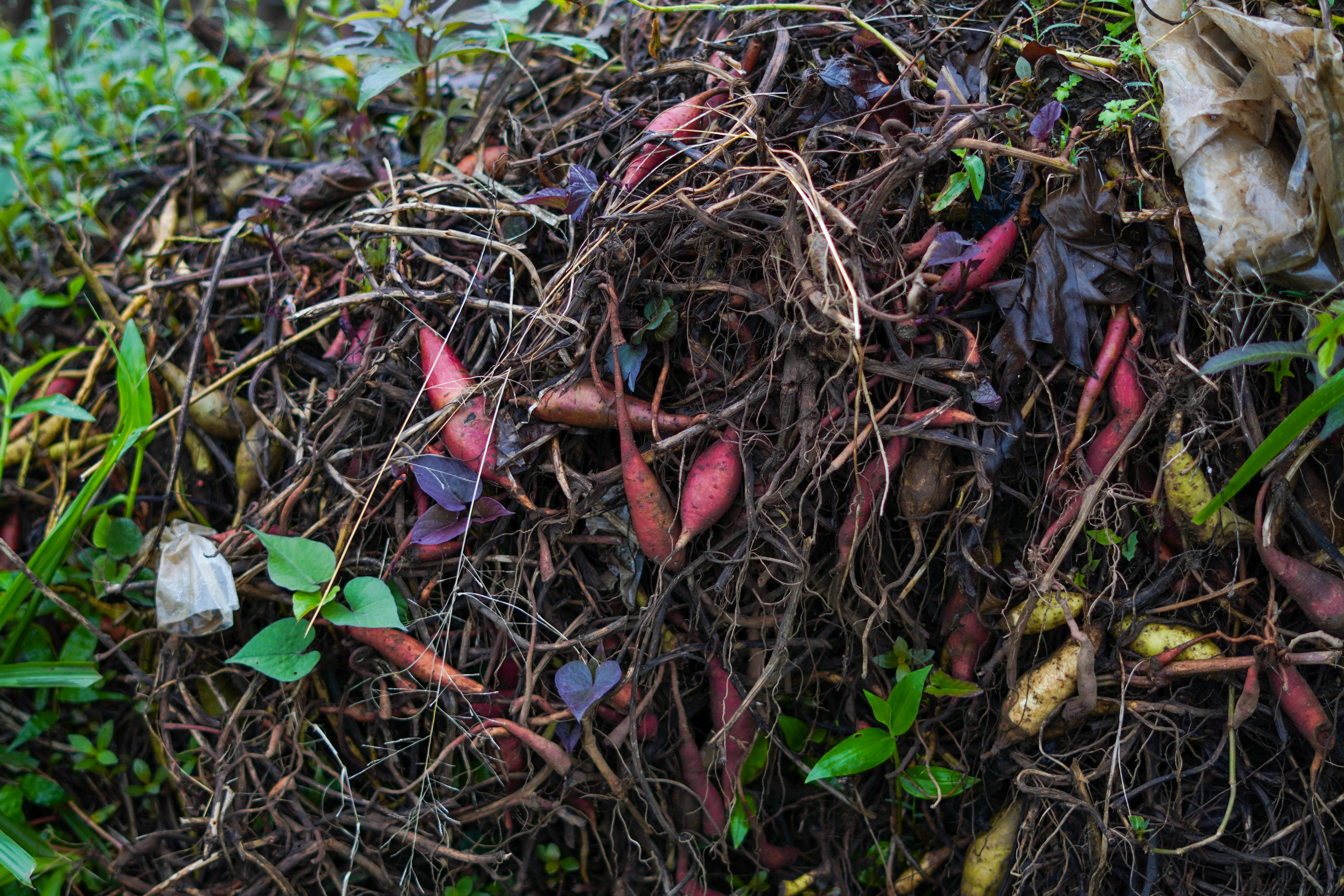
Producing Biochar
Create biochar using maize stalks through pyrolysis. This method involves heating biomass in the absence of oxygen. The result is a carbon-rich material that enhances nutrient retention.
Blending Biochar with Compost
- Mix 10-15% biochar with organic compost.
- Ensure thorough mixing to promote microbial activity.
Boost your yields with the Calcium Nitrate Fertilizer.
Explore sustainable organic farming solutions with Biofarm Kenya
Case Studies, Examples, or Comparisons
According to Farm Africa, biochar has been effectively used by small-scale farmers in Kenya to improve yields and restore degraded soils. These practices are part of broader efforts to adopt sustainable farming methods that are both economically viable and environmentally friendly.
Common Mistakes to Avoid
- Overfertilization can lead to nutrient runoff. Use balanced quantities of fertilizer products.
- Ignoring soil tests can lead to inappropriate compost customization. Always test your soil!
- Mismanagement of irrigation setups can waste water resources. Adopt efficient systems.
Expert Tips or Best Practices
Utilize soil testing kits like the MySoil Soil Test Kit to measure pH levels accurately and tailor compost accordingly.
Maintain healthy soil with Purple Cow Organics Soil.
Integrate expert counsel from organizations such as Biofarm Kenya to support sustainable practices: Explore sustainable solutions here.
Future Trends or Predictions
The future of agriculture in Kenya may see increased adoption of technologies like smart irrigation and AI-driven crop monitoring. These innovations promise to make farming more sustainable and efficient, addressing the pressing challenges of climate change and population growth.
Conclusion
Implementing biochar composting is an effective, evidence-based practice that responds to the pressing needs of soil improvement and sustainable farming in Kenya. Discover trusted organic farming tools on Amazon and learn more about sustainable solutions with Biofarm Kenya.
FAQs
- What is biochar?
Biochar is a stable solid, rich in carbon, and can endure in soil for thousands of years. It helps retain nutrients and water. Learn more at Nature. - How does biochar improve soil health?
Biochar improves soil health by increasing nutrient retention and stimulating beneficial microbial activity. For more information, visit FAO. - What percentage of biochar should be used in compost?
Research suggests a 10-15% mix with compost. This range optimizes benefits without negative impacts. Explore more at Farm Africa. - Why is soil testing important?
Soil testing helps determine the nutrient composition and pH balance, which are crucial for healthy plant growth. Check details at Biofarm Kenya. - Are there government incentives for sustainable farming in Kenya?
The Kenyan government supports sustainable farming through programs and incentives to promote eco-friendly agriculture. Visit NEMA for guidance. - How can farmers integrate technology into sustainable practices?
Farmers can adopt AI technology, smart irrigation, and climate-resilient crops to enhance efficiency. More insights at KEPHIS.


0 Comments