

Estimated Reading Time: 12 minutes
Boost Yields with IPM Strategies for Organic Farming
Learn how IPM boosts organic yields by 22% and cuts pesticide costs by 35%. Practical steps for sustainable pest control in farming.
Current trends show rising demand for organic produce and growing concerns over pesticide resistance. Farmers need actionable training on transitioning to integrated pest management (IPM) to cut costs and meet market demands. Key steps include: 1) Identifying pest thresholds before applying controls, 2) Using biopesticides and beneficial insects (e.g., neem oil, ladybugs), and 3) Implementing crop rotation to disrupt pest cycles. A 2026 study by the Kenya Agricultural and Livestock Research Organization (KALRO) found IPM adoption increased yields by 22% while reducing chemical costs by 35%.
TL;DR: - IPM boosts yields and cuts costs.- Use natural and sustainable pest control methods.- Focus on local agro-ecological adaptation.Key Takeaways:- Identify pest thresholds for effective management.- Incorporate beneficial insects to control pest population.- Utilize crop rotation as a strategic disruption method.Background & Context
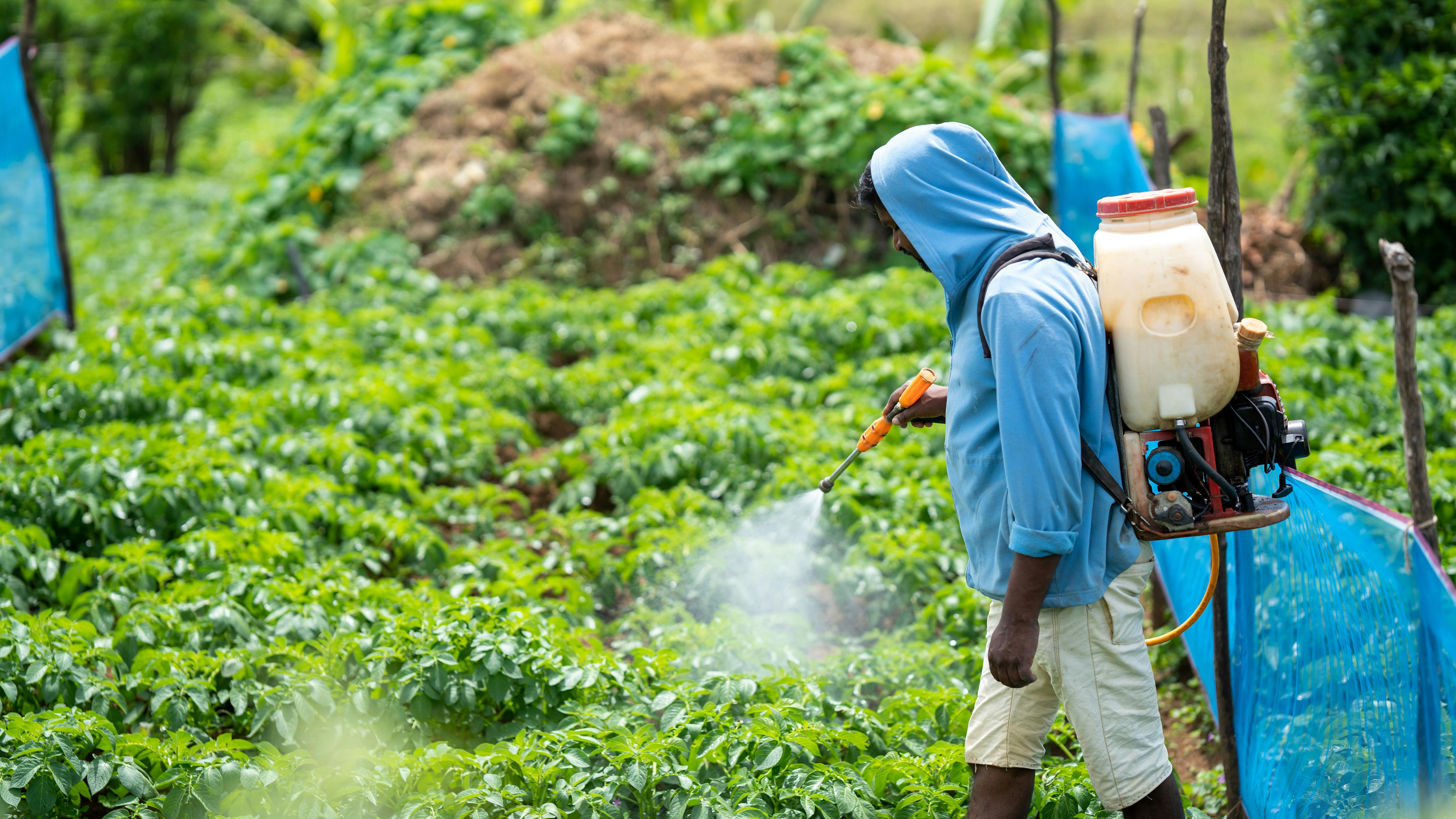
Kenya's agriculture sector is pivotal to its economy, employing a significant portion of the population. The push towards organic farming is bolstered by premium pricing, government support, and increasing demand from health-conscious consumers. Adopting sustainable practices, like those promoted by Biofarm Kenya, is essential for long-term soil fertility and productivity.
Key Insights or Strategies
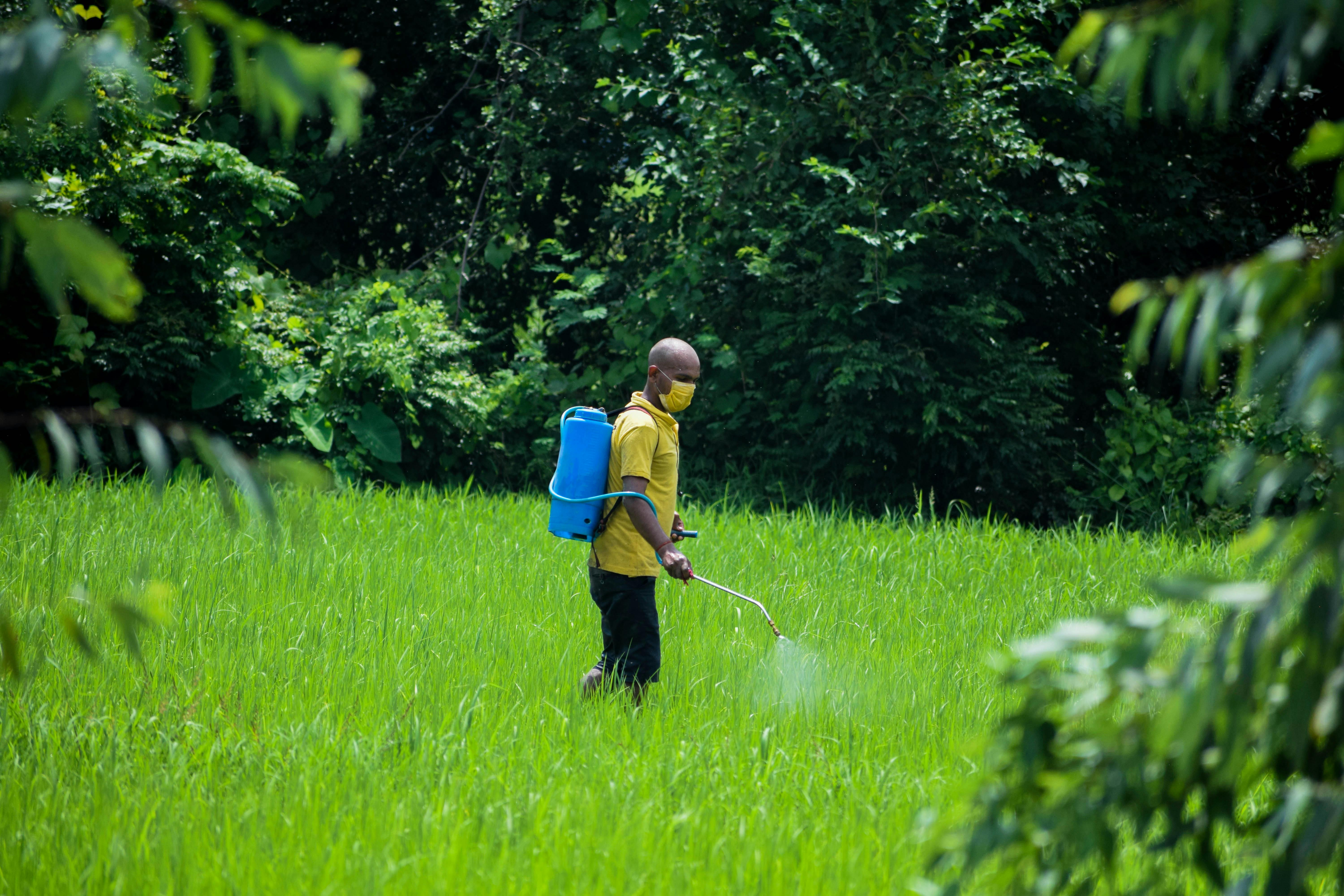
1. Identify Pest Thresholds
- Regularly monitor pest activity.
- Set thresholds to decide intervention levels.
- Use data to guide application of natural controls.
For precise soil assessment, consider the MySoil Soil Test Kit – Unlock Your Lawn & Garden Potential – available on Amazon.
2. Use Biopesticides and Beneficial Insects
- Employ neem oil for a natural pesticide solution.
- Introduce ladybugs to control aphids and mites.
- Rotate controls to prevent pest resistance.
3. Implement Crop Rotation
- Develop a rotation plan based on pest cycles.
- Include legumes to improve soil nitrogen content.
- Diversify crop types to disrupt pest habitats.
Explore sustainable organic farming solutions with Biofarm Kenya
Case Studies, Examples, or Comparisons
In Kenya, the adoption of greenhouse technology by smallholder farmers has shown substantial success. For instance, the use of
has enabled year-round vegetable production, significantly increasing yields and incomes. Approved techniques are cited in reports by the Kenya Agricultural and Livestock Research Organization (KALRO) and the Food and Agriculture Organization (FAO).Common Mistakes to Avoid
- Over-reliance on chemical fertilizers: Use balanced organic alternatives.
- Poor irrigation management: Implement efficient systems like drip irrigation.
- Ignoring local pest species: Focus on locally adapted pest management strategies.
Expert Tips or Best Practices
To maintain soil nutrition, use an organic humic and fulvic acid supplement. Additionally, consider:
- Tailor pest management to specific farming zones for effectiveness.
- Participate in community knowledge-sharing sessions organized by Biofarm Kenya.
- Connect with local experts for more tailored advice.
Future Trends or Predictions
The future of agriculture in Kenya is leaning towards innovations such as AI crop monitoring, which optimizes resource use, and vertical farming to maximize space and yield potential, especially in urban areas.
Conclusion
IPM strategies are essential for sustainable agriculture productivity in Kenya. By embracing biopesticides, beneficial insects, and innovative irrigation systems, farmers can enhance yields and profitability. Discover trusted organic farming tools on Amazon andlearn more about sustainable solutions with Biofarm Kenya.
FAQs
- Why is IPM important for Kenyan farmers? IPM reduces dependency on chemical inputs. See more at FAO.
- How does crop rotation benefit soil health? It prevents soil degradation and maintains fertility. Learn about soil health at NEMA.
- What crops are suitable for organic farming in Kenya?High-value crops like horticultural produce are recommended. Discover more at KALRO.
- How effective are biopesticides compared to synthetic ones?Biopesticides offer sustainable control with minimal environmental impact. Detailed comparisons can be found at ICIPE.
- What irrigation systems are best for organic farms? Drip irrigation is highly recommended. For more insights, visit Ministry of Agriculture.
- Where can I find reliable organic farming support? Join networks supported by Biofarm Kenya.


0 Comments