

Estimated Reading Time: 15 minutes
- Conservation agriculture boosts yields by 20-50% for Kenyan farmers.
- Techniques like no-till and organic compost improve soil health.
- Smart irrigation and crop rotation enhance water retention by 30%.
- Biofarm Kenya offers solutions for sustainable farming success.
- Adopt conservation practices to mitigate soil degradation and climate effects.
- Invest in efficient farming products to optimize agricultural processes.
- Collaborate with experts like Biofarm Kenya for best practices and resources.
Conservation Agriculture Boosts Kenyan Farm Yields
Kenyan farmers are increasingly adopting conservation agriculture (CA) to combat erratic rains and soil degradation. This guide trains farmers to implement CA techniques like minimum tillage, cover cropping, and crop rotation. Evidence shows CA improves water retention by 30% (KALRO, 2025) and boosts yields by 20-50% over three years. A key step is transitioning from chemical fertilizers to organic compost, reducing costs while restoring soil health. Farmers skeptical of 'no-till' practices will learn how it prevents erosion and enhances drought resilience.
Background & Context
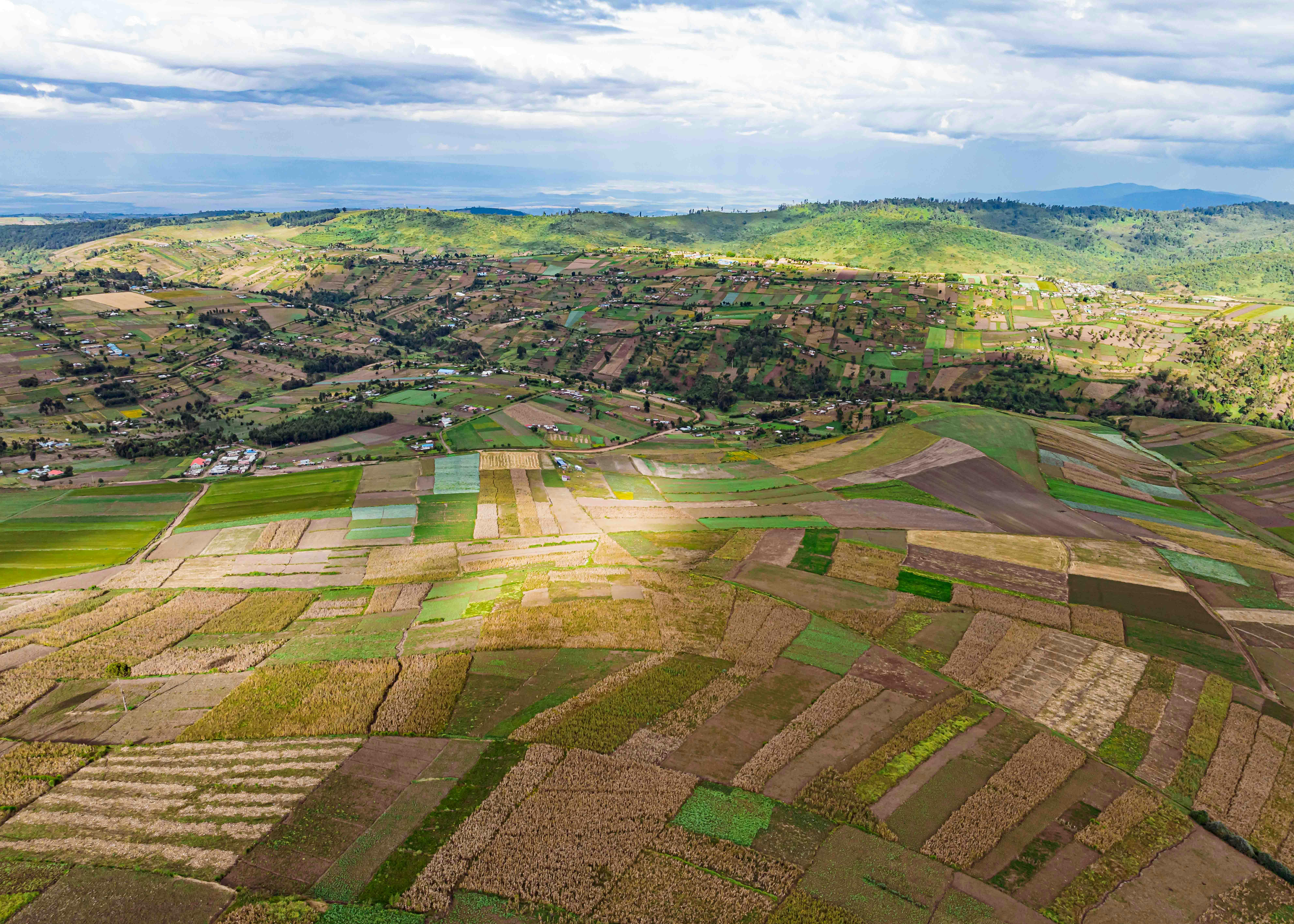
Sustainable agriculture in Kenya is crucial as farmers face unpredictable rainfall and shrinking arable land. Conservation agriculture is emerging as a powerful solution. With its core principles of minimal soil disturbance, permanent soil cover, and diversified crop rotation, CA is proven to significantly improve soil fertility and combat climate challenges.
Key Insights or Strategies

Insight 1: Implement No-Till Farming
- Prepare your land by minimizing soil disturbance.
- Cover the soil with organic mulch to retain moisture.
- Rotate crops to enhance soil biodiversity and health.
Insight 2: Transition to Organic Fertilizers
- Switch from chemical fertilizers to organic compost and biofertilizers.
- Utilize cover crop residues as green manure.
- Monitor soil health regularly with soil testing kits.
Case Studies, Examples, or Comparisons
A farm in Nakuru implemented no-till practices and reported a 35% increase in maize yields. The switch to organic compost not only reduced input costs significantly but also improved soil structure. According to studies, conservation agriculture is a response strategy to climate change, increasing resilience and food security.
Common Mistakes to Avoid
- Over-tilling: Can lead to soil compaction and erosion. Instead, use minimal disturbance techniques.
- Ignoring Crop Rotation: Leads to nutrient depletion. Practice rotating different crops each season.
- Improper Irrigation: Leads to water wastage. Consider installing efficient systems like the Flantor Drip Irrigation Kit – available on Amazon .
Expert Tips or Best Practices
For optimal soil health, maintain a continuous organic cover and layer with compost. To increase efficiency, consider installing greenhouse systems for protected cropping.
Maintain healthy soil with Organic Compost Starter Mix.Explore sustainable organic farming solutions with Biofarm KenyaFuture Trends or Predictions
Innovations such as AI-driven crop monitoring and smart irrigation systems are set to revolutionize Kenyan agriculture. Vertical farming and precision agriculture will minimize resource consumption while maximizing output.
Conclusion
Conservation agriculture is pivotal for sustainable farming in Kenya. By adopting practices like no-till and rotating crops, farmers can increase yields and enhance soil health. Discover trusted organic farming tools on Amazon and learn more about sustainable solutions with Biofarm Kenya.
FAQs
- What is conservation agriculture? Conservation agriculture involves practices like minimum tillage, crop rotation, and soil cover to improve environmental and economic sustainability.
- Why is conservation agriculture important in Kenya? It improves soil fertility, increases yield resilience against climate change, and conserves water. Learn more: World Bank Agriculture Overview
- How can farmers transition to organic fertilizers? Farmers can gradually replace chemical fertilizers with compost and biofertilizers made from plant residues. FAO Soils Management
- What are the benefits of no-till farming? No-till farming reduces erosion, retains moisture, and improves biodiversity. It is ideal for dry regions. Agriculture Website
- What's the role of crop rotation? Rotating crops prevents nutrient depletion, controls pests, and improves biodiversity. Penn State Extension
- How does smart irrigation technology work? Smart irrigation systems provide precise water delivery, reducing waste and improving yields. More information at Irrigation Association


0 Comments