

Estimated Reading Time: 12 minutes
TL;DR:
- Precision irrigation can cut water use by 40% and boost yields.
- Soil moisture testing and proper scheduling are key to efficiency.
- Avoid overwatering to prevent root rot and nutrient leaching.
- Adopting technology like smart sensors can enhance productivity.
- Explore solutions through Biofarm Kenya.
Key Takeaways:
- Implement soil moisture testing and smart scheduling.
- Opt for efficient irrigation technologies to reduce water use.
- Integrate sustainable practices to enhance resilience to climate change.
- Use readily available products to increase farming efficiency.
Table of Contents:
- Background & Context
- Key Insights or Strategies
- Case Studies, Examples, or Comparisons
- Common Mistakes to Avoid
- Expert Tips or Best Practices
- Future Trends or Predictions
- Conclusion
- FAQs
Background & Context
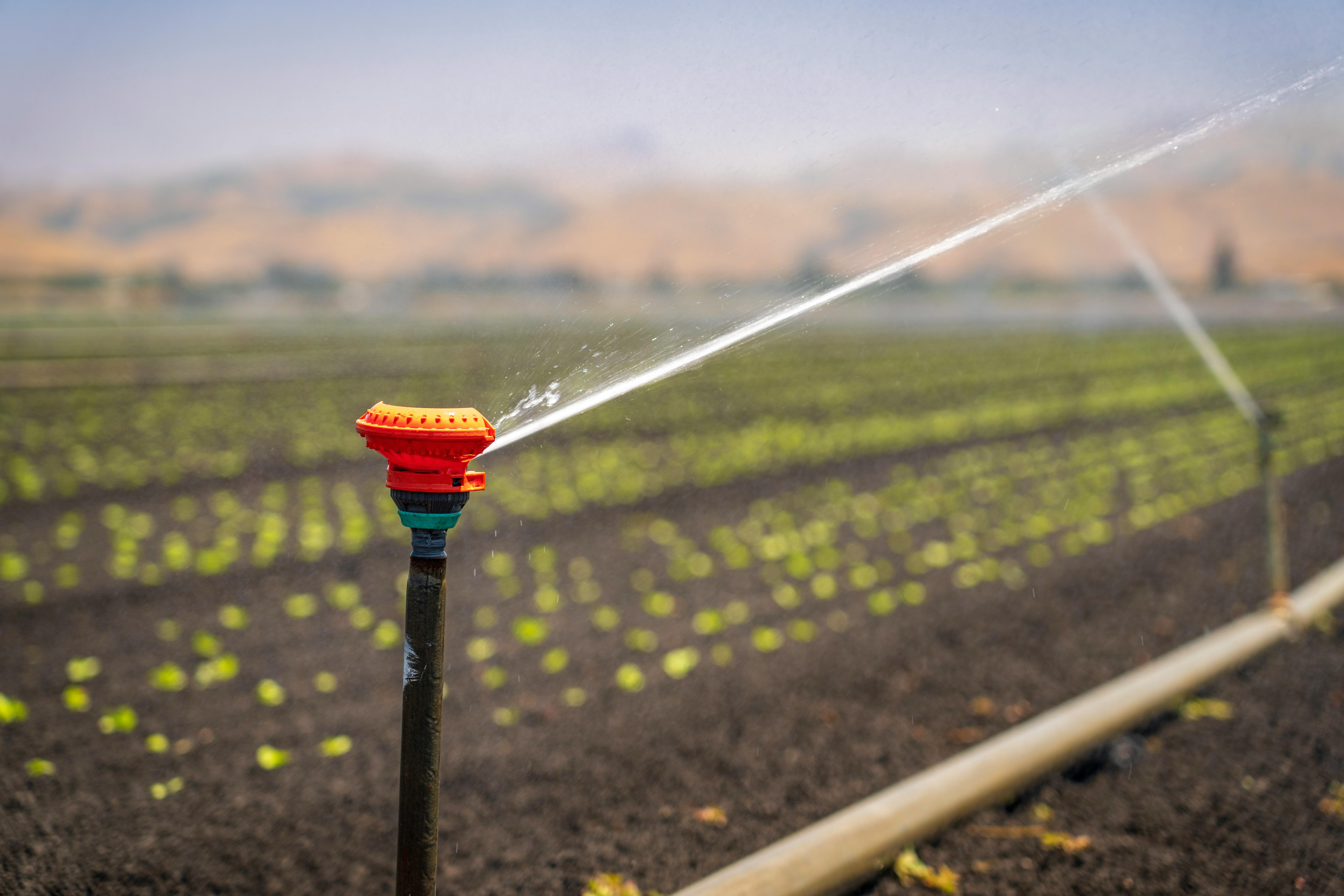
Kenyan farmers are increasingly seeking solutions to erratic rainfall and rising water costs. This guide trains farmers to adopt precision irrigation techniques, proven to reduce water use by 40% while boosting yields. Key steps include soil moisture testing using affordable tools like the MySoil Soil Test Kit, and scheduling irrigation based on crop growth stages, not intuition.
Key Insights or Strategies
Soil Moisture Testing
- Use a soil moisture meter to determine optimal watering times.
- Consider investing in the MySoil Soil Test Kit for comprehensive analysis.
Optimized Irrigation Scheduling
- Schedule watering based on crop needs and stages of growth.
- Embrace technologies that support smart irrigation systems.
- Explore sustainable solutions with Biofarm Kenya.
Case Studies, Examples, or Comparisons
The use of precision irrigation has revolutionized farming in parts of Kenya. For example, the integration of drip irrigation systems has proven beneficial. In a study by KALRO, overwatering was identified as a major issue, leading to root rot and nutrient leaching.
Common Mistakes to Avoid
- Overwatering can lead to root rot; always test soil moisture.
- Failing to update irrigation schedules can result in wasted water.
- Ignoring soil composition can lead to inefficient crop growth.
Expert Tips or Best Practices
Maintain healthy soil with an Organic Compost Starter Mix to improve nutrient quality. Plant drought-resistant crops, and always use efficient watering systems. Explore more solutions with Biofarm Kenya.
Future Trends or Predictions
Upcoming innovations like smart irrigation and AI-driven crop monitoring will further enhance productivity. Adoption of these technologies will be key to sustainable agriculture in Kenya.
Conclusion
Precision irrigation offers a pathway to sustainability for Kenyan farmers. With tools like the MySoil Soil Test Kit and drip irrigation systems, farms can thrive even amid changing climate conditions. Discover trusted organic farming tools on Amazon and learn more about sustainable solutions with Biofarm Kenya.
FAQs
- What is precision irrigation? Precision irrigation is a method designed to optimize water use efficiency using technologies such as soil moisture meters.
- How can smallholder farmers benefit from precision agriculture? By adopting precision techniques, farmers can increase yields and reduce water usage, as highlighted in FAO studies.
- What role does the Kenyan government play in supporting sustainable agriculture? The Ministry of Agriculture is actively promoting efficient farming practices, including precision irrigation.
- What products can enhance irrigation techniques? Products like the Organic Compost Starter Mix and MySoil Soil Test Kit support enhanced agricultural techniques.
- How does climate change impact irrigation in Kenya? Erratic weather patterns and droughts necessitate more efficient irrigation methods, reported by NEMA studies.
- What are the common challenges faced by Kenyan farmers in terms of sustainable agriculture? Resource limitation and access to technology are major barriers, according to numerous reports from Biofarm Kenya.


0 Comments