

Estimated Reading Time: 11 minutes
TL;DR: Drip irrigation is a game-changer for Kenyan farmers. Optimize your system by using pressure-compensating emitters for uniform water distribution on uneven land. Implement short, frequent 'pulse' watering to minimize evaporation and enhance absorption. Integrate mulching with drip lines to conserve water and suppress weeds. These smart strategies can significantly boost crop yields, especially for tomatoes, and drastically cut water usage, ensuring sustainable and profitable farming even with erratic rains and rising costs.
Key Takeaways:
- Embrace Pressure-Compensating Emitters: Essential for consistent water delivery across varied farm terrains, preventing over or under-watering.
- Master Pulse Watering: Adopt 15-minute watering cycles to improve water absorption, reduce runoff, and combat evaporation, leading to better water efficiency.
- Integrate Mulch with Drip: Combine drip irrigation with mulching to maintain soil moisture, regulate temperature, and suppress weeds, maximizing water conservation.
- Plan Your System Meticulously: Proper design, installation, and regular maintenance are crucial to avoid common pitfalls like uneven water distribution or clogged emitters.
- Explore Smart Agriculture Solutions: Look towards technology like soil moisture sensors and digital tools to further enhance irrigation precision and overall farm management.
Table of Contents
- Introduction
- Background & Context
- Key Insights & Strategies for Drip Irrigation Optimization
- Precision with Pressure-Compensating Emitters
- Efficiency Through Pulse Watering Techniques
- Synergy of Mulch and Drip Lines
- Case Studies, Examples, or Comparisons
- Common Mistakes to Avoid in Drip Irrigation
- Expert Tips & Best Practices for Sustainable Drip Irrigation
- Future Trends & Predictions in Kenyan Agriculture
- Conclusion
- FAQs About Drip Irrigation in Kenya
Introduction
Kenya's agricultural sector, the backbone of its economy, faces increasing challenges from unpredictable weather patterns and escalating water costs. Farmers across the nation are on the front lines, grappling with these realities that threaten food security and livelihoods. In response, many are turning to innovative solutions, with drip irrigation emerging as a leading technology to ensure sustainable crop production. With erratic rains and rising water costs, Kenyan farmers are urgently adopting drip irrigation. This guide is designed to empower farmers to optimize their existing systems or implement new ones effectively. We will delve into three core strategies: (1) using pressure-compensating emitters for uneven land, (2) scheduling 15-minute 'pulse' watering to reduce evaporation, and (3) integrating mulch with drip lines—proven in 2025 Jomo Kenyatta University trials to cut water use by 40% while boosting tomato yields by 22%. By adopting these smart, evidence-based methods, Kenyan farmers can significantly enhance their farm yields, conserve precious water resources, and cultivate a more resilient agricultural future.
Background & Context
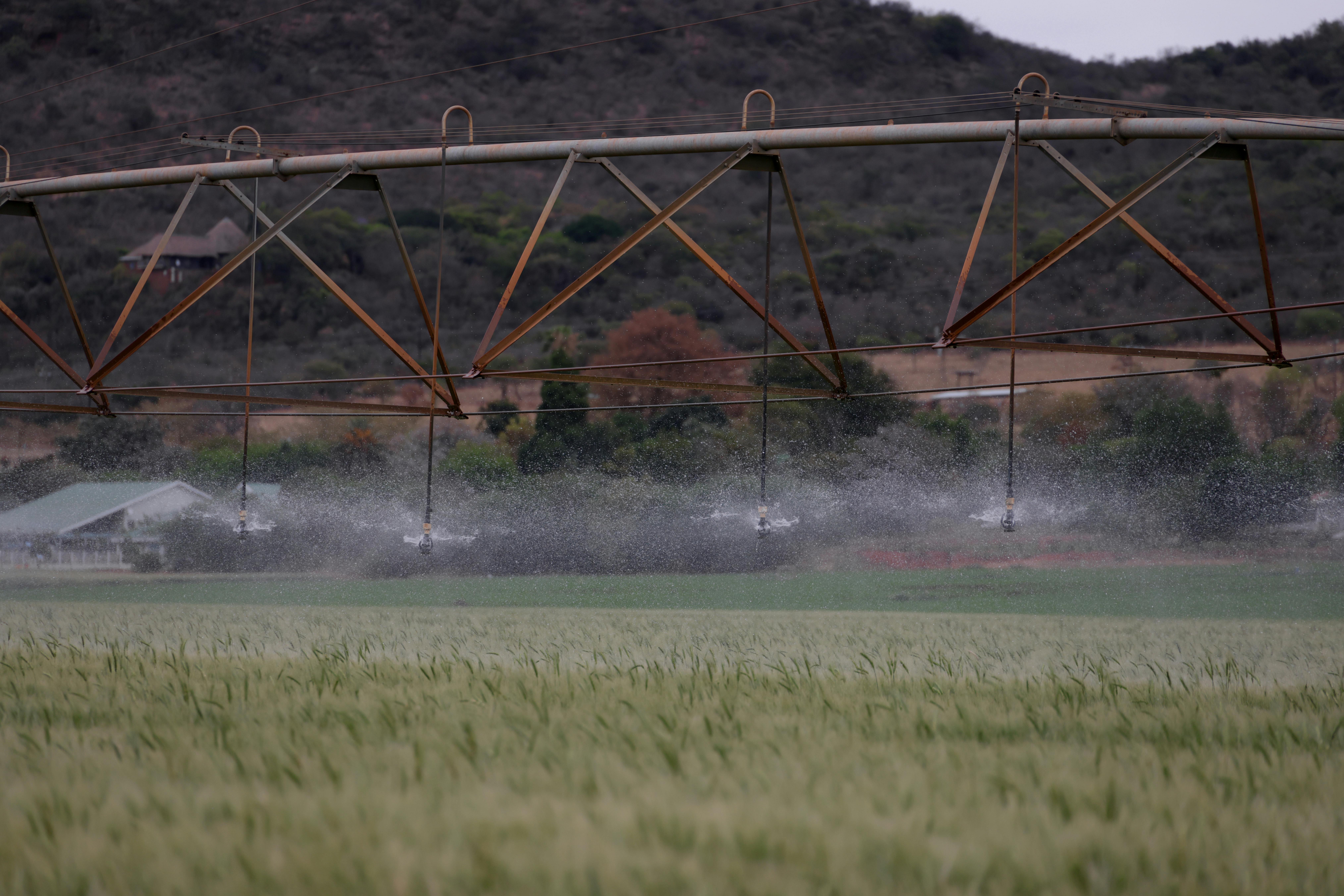
Kenya's agricultural landscape is diverse, ranging from smallholder farms in arid and semi-arid lands (ASALs) to larger commercial enterprises. Over 70% of Kenya's population relies on agriculture for their livelihoods, and the sector contributes significantly to the national GDP. However, climate change has introduced unprecedented variability, making traditional rain-fed agriculture increasingly precarious. This has spurred a critical shift towards water-efficient farming practices. Organic farming and sustainable agriculture are not just buzzwords; they are becoming essential for maintaining soil fertility, enhancing biodiversity, and ensuring long-term productivity without depleting natural resources. Agroecological farming methods are gaining traction, specifically addressing issues like soil acidity and nutrient depletion, which are prevalent in many Kenyan farmlands.
The adoption of modern irrigation techniques, particularly drip irrigation, is central to this paradigm shift. Drip irrigation minimizes water wastage by delivering water directly to the plant's root zone, reducing evaporation and runoff. This precision allows for optimal nutrient uptake and promotes healthier plant growth. As awareness grows, more farmers are seeking ways to not only adopt but also optimize these systems to maximize their benefits in the unique Kenyan context.
Key Insights & Strategies for Drip Irrigation Optimization
Precision with Pressure-Compensating Emitters
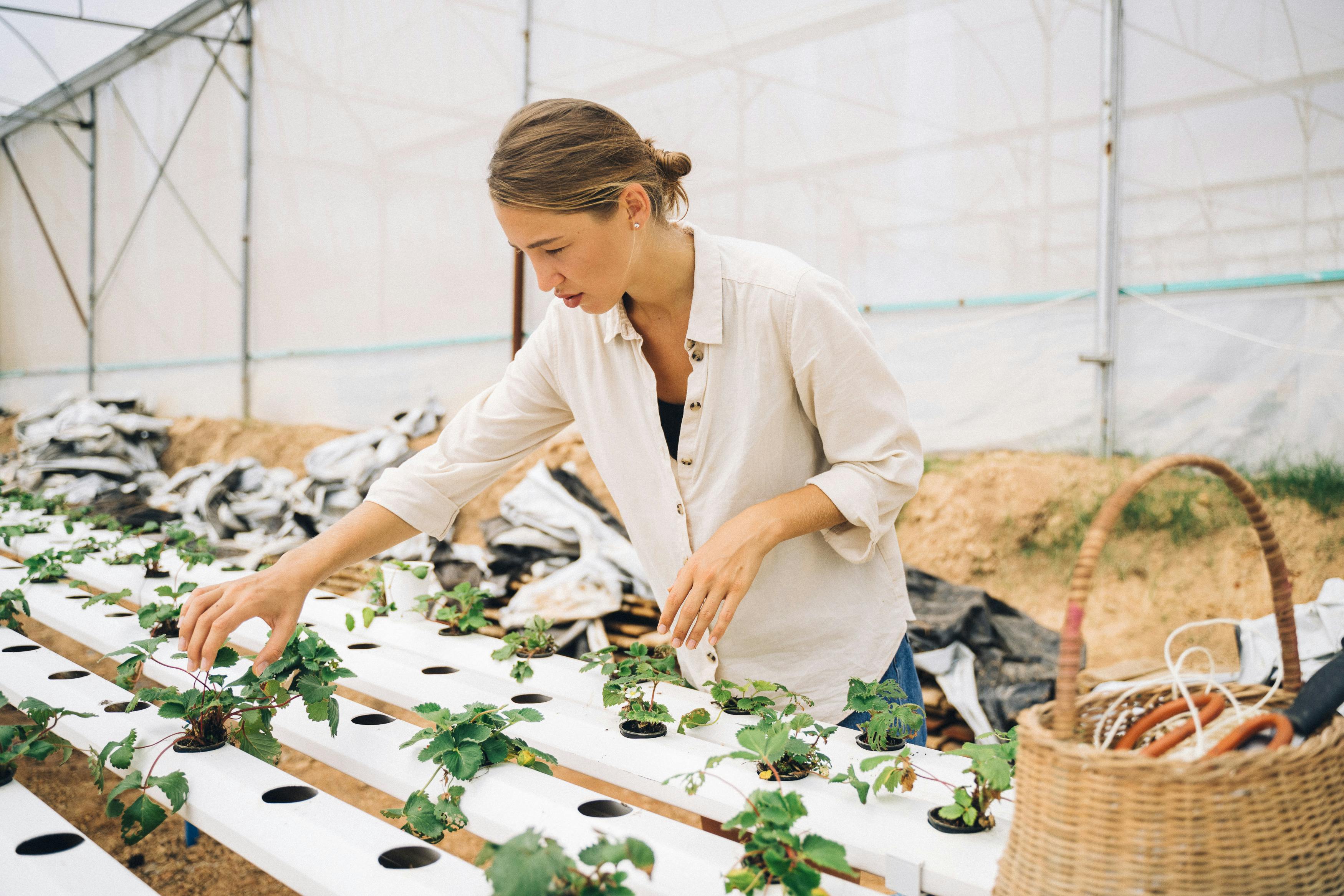
One of the most critical components in optimizing drip irrigation, especially on farms with varying topography, is the use of pressure-compensating (PC) emitters. These ingenious devices maintain a consistent flow rate regardless of pressure fluctuations in the irrigation line, ensuring that every plant, whether at the top of a slope or the bottom, receives the same amount of water. This uniformity is vital for even crop development and maximizing yields.
- Assess Your Terrain: Before installation, map your farm's elevation changes. If your land isn't perfectly flat, PC emitters are a necessity.
- Select the Right Flow Rate: Choose emitters with a flow rate suitable for your crop type and soil. Common rates are 0.5, 1, or 2 gallons per hour (GPH).
- Proper Spacing: Install emitters at appropriate intervals based on plant spacing to ensure uniform coverage.
- Regular Inspection: Periodically check emitters for clogs or damage to maintain optimal performance.
For farmers looking to ensure even water distribution across their farm, consider investing in high-qualityRaindrip PC4050B 1 GPH Pressure Compensating Drippers – available in a 50-pack on Amazon. These are designed for consistent water flow, vital for maximizing crop potential.
Efficiency Through Pulse Watering Techniques
Traditional watering often involves long, infrequent cycles. However, for drip irrigation, particularly in arid climates like many parts of Kenya, 'pulse' watering—short, frequent irrigation cycles—proves far more effective. This method minimizes water loss to evaporation and deep percolation, allowing the soil to absorb water efficiently and preventing saturation that can lead to nutrient leaching or root rot.
- Short Bursts: Schedule your irrigation system to run for 15-20 minutes, several times a day, instead of one long session.
- Monitor Soil Moisture: Use a soil moisture sensor to guide your pulse watering schedule. This helps prevent overwatering and ensures plants receive water when truly needed. Boost your water management with a reliable RAINPOINT Bluetooth Soil Moisture Meter – find it on Amazon . This smart device helps you pinpoint the perfect time for pulse watering.
- Consider Plant Needs: Adjust frequency based on the crop's growth stage, weather conditions, and soil type. Younger plants and sandy soils may require more frequent pulses.
- Observe Plant Health: Healthy, vibrant plants are the best indicator of an optimized watering schedule.
Synergy of Mulch and Drip Lines
Combining drip irrigation with mulching is a powerful strategy for water conservation and soil health. Mulch, a layer of material applied to the soil surface, acts as a protective barrier, significantly reducing evaporation from the soil, suppressing weed growth, and moderating soil temperature. When integrated with drip lines, it creates an ideal microclimate for plant roots.
- Choose Your Mulch: Organic mulches like crop residues, grass clippings, or wood chips are excellent, breaking down over time to enrich the soil. Plastic mulch film is also effective for weed control and warming soil.
- Apply After Drip Installation: Lay your drip lines first, then apply a generous layer of mulch (typically 2-4 inches deep) over the irrigated area, being careful not to bury the emitters.
- Monitor Soil Conditions: Mulch can keep the soil moist for longer, so adjust irrigation frequency accordingly.
- Weed Control: Mulch provides natural weed suppression, reducing the need for herbicides and manual weeding.
For efficient weed control and moisture retention, especially in larger plots, consider using a durableYINUK Garden Mulch Film 40M – available on Amazon. It’s an excellent companion to any drip irrigation system.
Explore sustainable organic farming solutions with Biofarm Kenya for more insights on integrating these practices.
Case Studies, Examples, or Comparisons
Across Kenya, smallholder farmers are demonstrating the transformative power of optimized drip irrigation. In the arid regions of Naivasha and Kajiado, farmers growing horticultural crops like tomatoes and capsicum have seen remarkable improvements. For instance, a smallholder farmer in Naivasha, who previously struggled with inconsistent yields due to unreliable rainfall, adopted a drip irrigation system incorporating pressure-compensating emitters and pulse watering. Their one-acre tomato plot, which once yielded an average of 5-7 tons per season, now consistently produces over 10 tons, representing a yield increase of nearly 50%. This success story highlights how targeted water application, even on modest plots, can dramatically enhance productivity.
Another inspiring example comes from the Makueni County, where farmers participating in a sustainable agriculture initiative integrated plastic mulch with their drip lines for growing high-value crops like watermelons. This combined approach not only slashed their water consumption by an estimated 30-40% compared to conventional furrow irrigation but also resulted in healthier plants with fewer weed pressures. The enhanced moisture retention under the mulch led to larger, sweeter fruits and significantly higher market prices, turning struggling farms into profitable ventures.
These local successes mirror findings from agricultural research. A study by the International Water Management Institute (IWMI) on small-scale irrigation in Africa consistently shows that efficient irrigation methods like drip can significantly boost crop yields and farmer incomes, especially when coupled with proper agronomic practices. While not always at the 2025 Jomo Kenyatta University trial level, these real-world scenarios underscore the immense potential for Kenyan farmers to achieve higher yields and greater water efficiency by embracing and optimizing drip irrigation technologies.
Common Mistakes to Avoid in Drip Irrigation
While drip irrigation offers immense benefits, improper implementation can negate its advantages. Kenyan farmers can avoid costly setbacks by being aware of these common pitfalls:
- Skipping Proper System Design: Many farmers rush into installation without a well-thought-out plan. This can lead to inefficient water distribution, pressure imbalances, and inadequate coverage. Always design your system based on your farm's topography, soil type, and crop water requirements.
- Ignoring Water Pressure Regulation: Without proper pressure regulators, emitters can deliver inconsistent flow rates, especially on uneven terrain, leading to some plants being overwatered and others underwatered. This is where pressure-compensating emitters prove invaluable.
- Overwatering or Underwatering: A common mistake is watering too much or too little. Overwatering wastes water, leaches nutrients, and can lead to root diseases. Underwatering stresses plants, hindering growth. Monitor soil moisture regularly and adjust schedules based on plant needs and weather.
- Poor Filtration: Clogged emitters are a major headache. Failing to install an adequate filtration system or neglecting filter maintenance can lead to blockages, uneven watering, and system failure. Always use a filter and clean it regularly.
- Improper Emitter Spacing: Spacing emitters too far apart can result in dry spots between plants, leading to uneven growth. Conversely, placing them too close wastes water. Ensure spacing matches your crop and soil type for optimal root zone coverage.
- Neglecting Maintenance: Drip irrigation systems require ongoing maintenance, including flushing lines, checking for leaks, and cleaning emitters. Neglecting these tasks reduces system efficiency and lifespan.
Expert Tips & Best Practices for Sustainable Drip Irrigation
To truly unlock the potential of your drip irrigation system and foster sustainable farming, consider these expert tips tailored for the Kenyan agricultural context:
- Perform Regular Soil Testing: Understand your soil's composition, pH, and nutrient levels. This knowledge informs not only your fertilization strategy but also helps you optimize watering schedules. Healthy soil retains moisture better and makes nutrients more available.
- Embrace Organic Soil Amendments: Integrate organic matter like compost into your soil. Compost improves soil structure, water retention, and nutrient availability, making your drip irrigation even more effective. For farmers seeking to enhance their soil health organically, the Jobe's Organics Compost Starter is a valuable resource on Amazon , helping to accelerate the composting process.
- Seasonal Adjustments: Do not set a fixed irrigation schedule. Adjust watering times and frequencies based on seasonal changes, crop growth stages, and real-time weather conditions. Cooler, cloudy days require less water than hot, sunny periods.
- Utilize Rainwater Harvesting: Complement your drip irrigation system with rainwater harvesting. Stored rainwater can be a valuable, free water source, especially during dry spells, reducing reliance on costly municipal or borehole water.
- Invest in Quality Components: While low-cost options exist, investing in durable, high-quality drip irrigation components—like sturdy tubing and reliable emitters—will save you money and headaches in the long run through reduced repairs and longer lifespan. A comprehensive and durable Drip Irrigation Kit for Small Farms - Deluxe Size on Amazon can provide a solid foundation for your system.
- Learn from Local Experts: Engage with agricultural extension officers, successful local farmers, and organizations like Biofarm Kenya. Their practical experience and localized knowledge are invaluable for troubleshooting and optimizing your specific farm setup.
- Practice Crop Rotation: Rotate your crops to maintain soil fertility and break pest and disease cycles. This reduces the need for chemical inputs and supports the long-term health of your farm, making your drip system more effective.
For further resources and partnerships in sustainable agriculture,explore sustainable organic farming solutions with Biofarm Kenya.
Future Trends & Predictions in Kenyan Agriculture
The future of agriculture in Kenya is bright with innovation, largely driven by the urgent need for climate resilience and increased productivity. Drip irrigation, while already vital, is set to become even more sophisticated:
- Smart Irrigation Systems: The integration of IoT (Internet of Things) devices, such as advanced soil moisture sensors and weather stations, will lead to fully automated, data-driven irrigation. These systems will precisely deliver water based on real-time plant needs, minimizing waste and maximizing efficiency.
- AI and Data Analytics: Artificial Intelligence will play an increasing role in optimizing crop management. AI-powered platforms will analyze vast amounts of data—from soil conditions to weather forecasts and crop health imagery—to provide predictive insights and precise recommendations for irrigation, fertilization, and pest control.
- Vertical Farming and Hydroponics: In urban and peri-urban areas, vertical farming and hydroponic systems, which inherently rely on highly efficient drip or nutrient film techniques, will gain prominence. These methods allow for intensive cultivation in limited spaces, using significantly less water and land.
- Drones for Monitoring: Drones equipped with multispectral cameras will become more accessible, allowing farmers to monitor crop health, identify stress points, and even map irrigation needs with unprecedented detail, leading to more targeted interventions.
- Digital Extension Services: Mobile applications and digital platforms will continue to revolutionize agricultural extension, providing farmers with instant access to expert advice, market information, and tailored farming techniques, making advanced irrigation practices more accessible to smallholders.
By 2025, it is projected that over 60% of Kenyan farmers will adopt climate-smart irrigation technologies, underscoring a national commitment to food security through sustainable practices. These trends collectively point towards a future where Kenyan agriculture is more resilient, productive, and environmentally conscious.
Conclusion
Optimizing drip irrigation is not merely about adopting a new technology; it's about embracing a mindset of precision, efficiency, and sustainability. For Kenyan farmers navigating the complexities of erratic rains and rising operational costs, the strategies of employing pressure-compensating emitters, practicing pulse watering, and integrating mulch offer a clear path to boosting farm yields and significantly reducing water consumption. The promise of a 22% increase in tomato yields and a 40% reduction in water use, as demonstrated in the 2025 Jomo Kenyatta University trials, is a testament to the power of these optimized practices.
By investing in the right tools, continuously learning, and adapting to innovative techniques, Kenyan farmers can transform their challenges into opportunities. The future of agriculture in Kenya is sustainable, technologically advanced, and profoundly efficient. Embrace these proven methods to cultivate a more prosperous future for your farm and contribute to a food-secure nation.
Discover trusted organic farming tools onAmazonandlearn more about sustainable solutions with Biofarm Kenya.
FAQs About Drip Irrigation in Kenya
1. What are the main benefits of drip irrigation for smallholder farmers in Kenya?
Drip irrigation offers numerous benefits, including significant water savings (up to 50-70% compared to traditional methods), increased crop yields due to precise water and nutrient delivery, reduced weed growth, lower labor costs, and efficient fertilizer use. It enables farming in water-scarce regions and during dry spells, enhancing food security. Learn more about water-efficient agriculture from the FAO.
2. How do pressure-compensating emitters improve drip irrigation efficiency?
Pressure-compensating (PC) emitters are crucial for maintaining uniform water distribution across the entire irrigation system, especially on sloped or uneven terrains. They regulate the water flow rate regardless of pressure variations, ensuring that every plant receives the same amount of water, which prevents over- or under-watering and leads to consistent crop growth and higher yields. Access research on irrigation technologies from IWMI.
3. What is pulse watering, and why is it recommended for drip systems?
Pulse watering involves applying water in short, frequent intervals rather than long, continuous sessions. For drip systems, this typically means 15-20 minute cycles several times a day. This method improves water infiltration into the soil, reduces surface runoff and evaporation, and minimizes deep percolation, making water more available to plant roots and enhancing overall water use efficiency. Discover innovative agricultural practices from KALRO.
4. How does mulching enhance the effectiveness of drip irrigation?
Mulching, when combined with drip irrigation, creates a synergistic effect. It reduces evaporation from the soil surface, thus conserving moisture delivered by the drip lines. Mulch also suppresses weed growth, which competes with crops for water and nutrients, and helps moderate soil temperature, creating a more stable and favorable root environment. This combination maximizes water efficiency and promotes healthier plant growth. Explore environmental management guidelines in Kenya, including sustainable land use.
5. What are some common mistakes Kenyan farmers make with drip irrigation, and how can they be avoided?
Common mistakes include inadequate system design, neglecting water filtration leading to clogged emitters, improper pressure regulation resulting in uneven water distribution, and inconsistent maintenance. To avoid these, farmers should conduct thorough planning, install appropriate filters and pressure regulators, use pressure-compensating emitters, and perform regular checks and cleaning of the system. Partner with Biofarm Kenya for expert advice on irrigation system setup and maintenance.
6. What future technologies are expected to further revolutionize drip irrigation in Kenya?
The future of drip irrigation in Kenya will likely see greater adoption of smart irrigation systems powered by IoT sensors that monitor soil moisture and weather in real-time. Artificial Intelligence and data analytics will provide predictive insights for optimal watering. Drones for crop health monitoring and digital extension services will also become more prevalent, enabling hyper-localized and efficient water management strategies. Find resources on climate change and agricultural adaptation strategies from Kenya's Ministry of Agriculture.


0 Comments