

Estimated Reading Time: 11 minutes
TL;DR: Kenyan smallholder farmers can significantly boost yields and reduce costs by adopting conservation agriculture. This involves no-till farming to preserve soil moisture, cover crops to enhance fertility and cut fertilizer use, and mulching to suppress weeds and save labor. A 2024 KALRO study confirms these methods increase yields by 30% and reduce fertilizer costs by 40%. Farmers are encouraged to start with a portion of their fields to observe the benefits first-hand.
Key Takeaways:
- Embrace no-till farming to protect soil structure, prevent erosion, and conserve vital moisture, especially in drought-prone regions of Kenya.
- Integrate cover crops, such as nitrogen-fixing legumes, to naturally enrich your soil, reduce reliance on costly synthetic fertilizers, and improve overall soil health.
- Implement mulching practices to effectively control weeds, minimize water evaporation, and significantly cut down on manual labor hours.
- Start small by dedicating 20% of your farm to conservation agriculture practices to safely experiment and witness tangible results before full-scale adoption.
- Utilize resources from KALRO and Biofarm Kenya to gain expert guidance, practical training, and access to sustainable farming solutions tailored for the Kenyan context.
Table of Contents
- Introduction
- Background & Context
- Key Insights & Strategies
- No-Till: Preserving Soil's Lifeblood
- Cover Crops: Nature's Fertilizer Factory
- Mulching: The Ultimate Weed & Water Saver
- Case Studies, Examples, or Comparisons
- Common Mistakes to Avoid
- Expert Tips & Best Practices
- Future Trends & Predictions
- Conclusion
- FAQs
Introduction
The agricultural landscape in Kenya is at a crossroads. Erratic rainfall patterns, soil degradation, and increasing input costs are pressing challenges for millions of smallholder farmers. In response, Kenyan smallholder farmers are increasingly seeking water-efficient, soil-enhancing practices amid erratic rainfall. This guide trains farmers to adopt conservation agriculture (no-till, cover cropping, mulching) to boost yields by 30% while reducing labor. Evidence from a 2024 KALRO study shows: 1) No-till preserves soil moisture and reduces erosion in drought-prone areas, 2) Cover crops like legumes fix nitrogen, cutting fertilizer costs by 40%, and 3) Mulching suppresses weeds, saving 100+ labor hours/acre annually. Farmers skeptical of 'traditional plowing' must test these methods on 20% of fields first to see results. This transformative approach promises not just higher yields but also greater resilience against climate change, fostering a truly sustainable future for Kenyan agriculture.
Background & Context
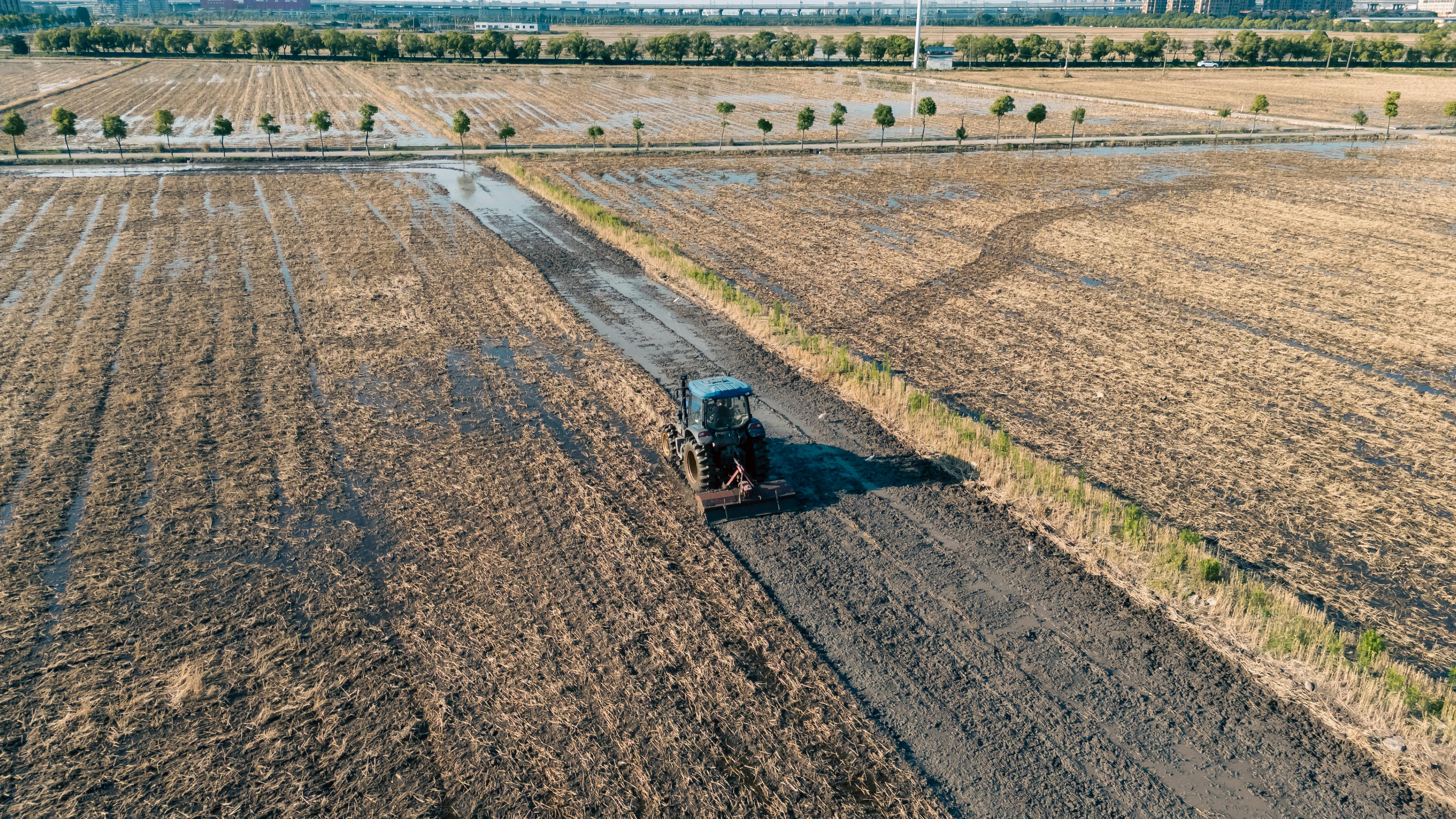
Kenya's agricultural sector is the backbone of its economy, contributing significantly to the GDP and providing livelihoods for over 70% of the rural population. However, decades of conventional farming practices, including intensive tilling and monoculture, have led to widespread soil degradation, nutrient depletion, and increased vulnerability to drought. The need for a paradigm shift towards sustainable methods like organic farming and agribusiness growth is more urgent than ever.
Organic farming in Kenya has seen remarkable growth, with over 150,000 farmers now adopting these methods. This shift is driven by a growing awareness of environmental sustainability, consumer demand for healthy produce, and the long-term economic benefits. Conservation agriculture, a key component of sustainable farming, offers a viable pathway to regenerate soil health, improve water use efficiency, and secure food production in a changing climate. The principles of minimum soil disturbance, permanent soil cover, and crop diversification are not just theoretical concepts but practical solutions yielding tangible results on the ground.
Key Insights & Strategies
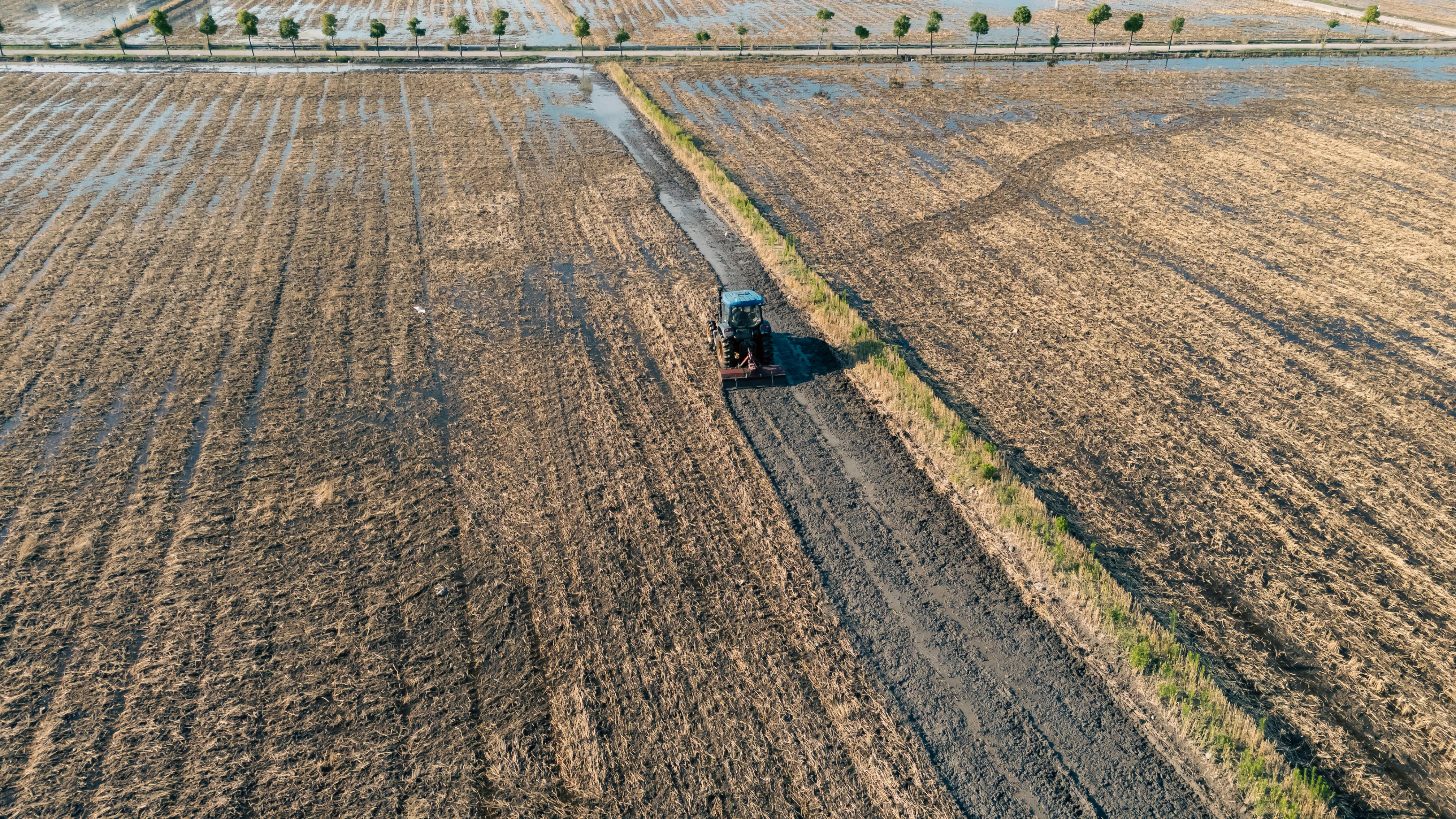
No-Till: Preserving Soil's Lifeblood
No-till farming, or minimal soil disturbance, is the cornerstone of conservation agriculture. By avoiding plowing and harrowing, farmers protect the soil's intricate structure, enhance its water-holding capacity, and prevent erosion – a critical advantage in Kenya's semi-arid regions. This practice fosters a thriving ecosystem of microorganisms, leading to healthier, more fertile soil over time. A study from the University of Pretoria in 2023 highlighted that conservation agriculture, including no-till, has statistically significant positive impacts on farm production variables, such as farm yield, for smallholder farmers in Kenya.
- Identify suitable fields: Start with fields that are less prone to severe weed infestations or heavy compaction.
- Cease plowing: Gradually reduce or eliminate conventional tillage practices.
- Use appropriate tools: Invest in direct planters or jab planters that can sow seeds directly into undisturbed soil.
- Monitor soil health: Regularly check soil moisture levels and observe changes in soil structure. Boost your yields with the SONKIR Soil pH Meter, MS02 3-in-1 Soil Moisture/Light/pH Tester Gardening Tool Kits – available on Amazon, a valuable tool for understanding your soil's needs.
Cover Crops: Nature's Fertilizer Factory
Cover crops are non-cash crops grown specifically to protect and enrich the soil. Leguminous cover crops like desmodium or mucuna, for instance, fix atmospheric nitrogen, naturally fertilizing the soil and significantly reducing the need for expensive synthetic nitrogen fertilizers. Beyond nitrogen fixation, cover crops suppress weeds, reduce soil erosion, and add organic matter, improving soil fertility and structure. The benefits extend to a 40% reduction in fertilizer costs, as proven by the 2024 KALRO study.
- Select appropriate cover crops: Choose cover crops based on your climate, soil type, and primary cash crop rotation.
- Plant cover crops: Sow cover crops after harvesting your main crop or intercrop them with your main crop.
- Manage termination: Decide whether to cut, graze, or naturally terminate cover crops before planting the next cash crop.
- Observe benefits: Notice the reduction in weed pressure and the improved vigor of your main crops. Consider using Down To Earth All Natural Fertilizers Organic Vegetable Garden - Plant Food – available on Amazon to complement your cover crop efforts and ensure optimal nutrient balance.
Mulching: The Ultimate Weed & Water Saver
Mulching involves covering the soil surface with organic materials such as crop residues, straw, or wood chips. This simple yet effective practice acts as a protective blanket, preventing water evaporation, suppressing weed growth, and regulating soil temperature. Mulching can save over 100 labor hours per acre annually by reducing the need for manual weeding, freeing up valuable time for other farm activities. It also slowly decomposes, adding organic matter back into the soil, further enhancing its fertility.
- Gather organic materials: Collect readily available crop residues, grass clippings, or other organic materials.
- Apply mulch evenly: Spread a layer of mulch around your crops, ensuring it doesn't smother young plants.
- Maintain mulch layer: Replenish the mulch as it decomposes to ensure continuous soil protection.
- Witness water savings: Observe how long your soil retains moisture compared to unmulched areas.
To further explore and implement these sustainable strategies, explore sustainable organic farming solutions with Biofarm Kenya.
Case Studies, Examples, or Comparisons
Across Kenya, smallholder farmers are experiencing the tangible benefits of conservation agriculture. In parts of Western Kenya, a study published in the International Journal of Physical and Social Science highlighted how conservation agriculture practices, including reduced tillage and organic resource application, positively impacted maize productivity and soil structure in semi-arid conditions. Farmers who embraced these methods reported not only increased yields but also improved soil resilience against drought. For example, Margaret, a farmer in a World Renew program, saw her maize yield on a small plot increase from 20 kg to significantly more after adopting conservation agriculture, as documented by World Renew.
Another inspiring example comes from the efforts to promote climate-smart agriculture. Organizations like the Food and Agriculture Organization (FAO) actively support initiatives that integrate conservation agriculture with other sustainable practices such as agroforestry and improved seed varieties. These projects demonstrate that by working with nature, Kenyan farmers can achieve both environmental sustainability and economic prosperity. The Ministry of Agriculture, Livestock, Fisheries and Cooperatives in Kenya also continues to advocate for these practices, recognizing their potential to transform the nation's food security landscape.
Common Mistakes to Avoid
While the benefits of conservation agriculture are clear, common pitfalls can hinder success. Understanding and avoiding these mistakes is crucial for any Kenyan farmer embarking on this journey.
- Inadequate Soil Analysis: Many farmers fertilize without first conducting a soil analysis. This can lead to applying the wrong nutrients or incorrect quantities, wasting resources and potentially harming the soil. Always know what your soil needs before adding inputs.
- Poor Residue Management: Removing all crop residues after harvest is a common mistake that deprives the soil of vital organic matter and leaves it exposed to erosion and moisture loss. Instead, leave residues to act as natural mulch.
- Ignoring Cover Crop Selection: Choosing cover crops haphazardly without considering local climate, soil type, and the subsequent cash crop can lead to poor establishment or competition. Research and select species that are well-suited to your specific farming system.
- Inconsistent Application of Practices: Conservation agriculture is a system; adopting only one component (e.g., no-till) without the others (cover crops, mulching) may not yield optimal results. Embrace the integrated approach for maximum benefit.
- Over-reliance on Chemical Inputs: While reducing chemical use is a goal, some farmers transition to organic practices without proper pest and disease management strategies, leading to crop losses. Develop integrated pest management (IPM) plans.
- Improper Irrigation Techniques: Even with water-saving conservation agriculture, inefficient irrigation can undermine efforts. Over-watering or uneven distribution wastes water and can leach nutrients. Precision irrigation is key.
Expert Tips & Best Practices
Adopting conservation agriculture requires a shift in mindset and practices. Here are expert tips for Kenyan farmers to maximize their success:
- Start Small and Learn: Don't convert your entire farm at once. Designate a 20% portion of your fields to experiment with conservation agriculture practices. This allows you to learn, observe results, and build confidence without risking your entire harvest.
- Understand Your Soil: Before implementing any new practice, get to know your soil. Conduct regular soil tests to understand its pH, nutrient levels, and organic matter content. This will guide your cover crop selection and any necessary amendments.
- Integrate Livestock: If feasible, integrate livestock into your farming system. Controlled grazing can help manage cover crops and add natural fertility through manure, further enhancing the benefits of conservation agriculture.
- Water Smartly: Even with mulching, efficient water use is paramount. Consider investing in a MIXC 230FT Quick-Connect Drip Irrigation System Kit – available on Amazon to deliver water directly to the root zone, minimizing waste and maximizing absorption, particularly for small gardens.
- Learn from Local Successes: Connect with other farmers in your community who are successfully practicing conservation agriculture. Share experiences, challenges, and solutions. Local knowledge is invaluable.
- Utilize Biofarm Kenya Resources: Biofarm Kenya is committed to supporting farmers in their transition to sustainable practices. Explore sustainable organic farming solutions with Biofarm Kenya for workshops, resources, and expert advice tailored to your needs.
Future Trends & Predictions
The future of agriculture in Kenya is poised for significant transformation, with technology and innovation playing increasingly vital roles in driving sustainability and productivity. Several emerging trends will shape how Kenyan farmers cultivate their land:
- Smart Irrigation Systems: The adoption of smart irrigation technologies, including sensor-based systems and automated controls, will become more prevalent. These systems optimize water usage by delivering precise amounts of water based on real-time soil moisture data and weather forecasts, crucial for a water-scarce region.
- AI-Driven Crop Monitoring: Artificial intelligence (AI) and machine learning are revolutionizing crop monitoring. Drones and satellite imagery, coupled with AI analytics, can detect early signs of pest infestations, disease outbreaks, and nutrient deficiencies, allowing for targeted interventions and reduced losses.
- Vertical Farming and Controlled Environment Agriculture (CEA): As urbanization increases and arable land decreases, vertical farming and CEA offer solutions for growing crops in stacked layers indoors, often without soil. While currently more capital-intensive, these methods provide consistent yields, efficient resource use, and year-round production, especially for high-value crops in urban or peri-urban areas.
- Biotechnology and Climate-Resilient Seeds: Advancements in biotechnology will lead to the development of more drought-tolerant, pest-resistant, and nutrient-efficient crop varieties specifically adapted to Kenya's diverse agro-ecological zones. This will enhance food security and reduce reliance on external inputs.
- Digital Platforms for Farmers: The proliferation of mobile technology will continue to empower farmers with access to market information, weather advisories, financial services, and extension support through user-friendly digital platforms.
- Regenerative Agriculture: Building on conservation agriculture, regenerative agriculture emphasizes restoring soil health, enhancing biodiversity, and sequestering carbon. This holistic approach will gain traction as farmers increasingly seek to not only sustain but actively improve their land.
Conclusion
The journey towards sustainable and productive agriculture in Kenya is both a challenge and an immense opportunity. Conservation agriculture, through its core principles of no-till, cover cropping, and mulching, offers a proven path for smallholder farmers to boost their yields, drastically cut input costs, and build resilience against the unpredictable impacts of climate change. The evidence from KALRO and numerous farmer success stories across the nation underscores the transformative power of these practices.
Embracing conservation agriculture isn't just about adopting new techniques; it's about investing in the long-term health of our soil, securing food for future generations, and fostering a prosperous farming community. By starting small, continuously learning, and leveraging available resources, Kenyan farmers can confidently step into a future where their land thrives and their harvests flourish.
Discover trusted organic farming tools on Amazon and learn more about sustainable solutions with Biofarm Kenya.
FAQs
Q1: What are the three main principles of conservation agriculture?
A1: The three main principles of conservation agriculture are minimal soil disturbance (no-till), permanent organic soil cover (mulching with crop residues or cover crops), and crop diversification (crop rotation). These principles work synergistically to improve soil health, conserve water, and enhance agricultural productivity. Learn more about the core principles from the FAO.
Q2: How does no-till farming help Kenyan smallholder farmers?
A2: No-till farming significantly benefits Kenyan smallholder farmers by preserving soil moisture, reducing erosion, and improving soil structure. This is crucial in drought-prone areas as it makes farms more resilient to erratic rainfall, leading to more stable yields and less labor for soil preparation. Explore the advantages of no-till farming with Biofarm Kenya.
Q3: What types of cover crops are best suited for Kenya?
A3: For Kenya, effective cover crops often include nitrogen-fixing legumes like desmodium, mucuna (velvet bean), and lablab. Cereal cover crops like oats or millet can also be beneficial for biomass production. The best choice depends on your specific region, soil type, and main cash crop rotation. Find specific recommendations from KALRO.
Q4: How much can conservation agriculture reduce fertilizer costs?
A4: A 2024 KALRO study indicated that incorporating cover crops, particularly legumes that fix nitrogen, can reduce fertilizer costs by as much as 40%. This is because these cover crops naturally enrich the soil with nitrogen, diminishing the need for synthetic inputs. Discover more ways to cut farm costs with Biofarm Kenya.
Q5: Is conservation agriculture suitable for all crops in Kenya?
A5: Conservation agriculture principles are generally adaptable to most crops grown in Kenya, including maize, beans, potatoes, and various vegetables. However, specific implementation details might vary depending on the crop and local conditions. It's always advisable to conduct small-scale trials first. Consult environmental guidelines from NEMA for sustainable practices.
Q6: Where can I get training and support for adopting conservation agriculture in Kenya?
A6: Several organizations in Kenya provide training and support for conservation agriculture. KALRO (Kenya Agricultural and Livestock Research Organization) offers research-backed guidance, while NGOs and local agricultural extension services often conduct farmer field schools. Biofarm Kenya is also a key partner, offering resources and solutions. Access training programs and support from Biofarm Kenya.
External Authoritative Links:
- FAO - Conservation Agriculture Overview
- KALRO - Cover Crops for Soil Fertility
- NEMA - Environmental Management
- University of Pretoria - Impact of conservation agriculture on smallholder farmer...
- International Journal of Physical and Social Science - Effect of Conservation Agriculture on Maize Production
- World Renew - Conservation Agriculture in Kenya: An Agronomist Reflects
Internal Biofarm Kenya Links:



0 Comments