

Estimated Reading Time: 9 minutes
TL;DR: Legume rotation is a game-changer for Kenyan agriculture. This sustainable practice dramatically boosts farm profits, enriches soil health, and significantly reduces the need for expensive chemical fertilizers. By incorporating drought-tolerant legumes like cowpeas and pigeonpea into 2-year rotation cycles, farmers can increase yields by up to 25% while building more resilient farming systems. Embrace organic mulching, regular soil testing, and modern farming technologies for enhanced efficiency and long-term success. Biofarm Kenya offers essential resources to help farmers transition to these profitable and environmentally friendly methods.
Key Takeaways:
- Strategic Legume Selection for Kenyan Climates
- Optimizing Rotation Cycles for Maximum Benefit
- Integrated Soil Fertility Management (ISFM)
Increase Kenya Farm Profits with Legume Rotation
The agricultural landscape of Kenya, a lifeline for millions, stands at a critical juncture. For generations, farmers have worked the land, but rising costs of chemical fertilizers and the increasing frequency of climate-related challenges are threatening livelihoods and food security. The urgent need for sustainable, cost-effective, and resilient farming practices has never been clearer. It’s in this context that Kenyan farmers are increasingly seeking sustainable alternatives to expensive chemical fertilizers. Training on legume-based crop rotation offers a cost-effective solution, boosting soil nitrogen by 30% (ICRISAT 2024). Key steps include selecting drought-tolerant legumes like cowpeas, maintaining 2-year rotation cycles, and integrating organic mulch. This method reduces fertilizer dependency while increasing yields by 25% in semi-arid regions. This article delves into how adopting legume crop rotation can significantly increase farm profits, enhance soil fertility, and build a more sustainable future for agriculture across Kenya.
Background & Context: The Imperative for Sustainable Farming in Kenya
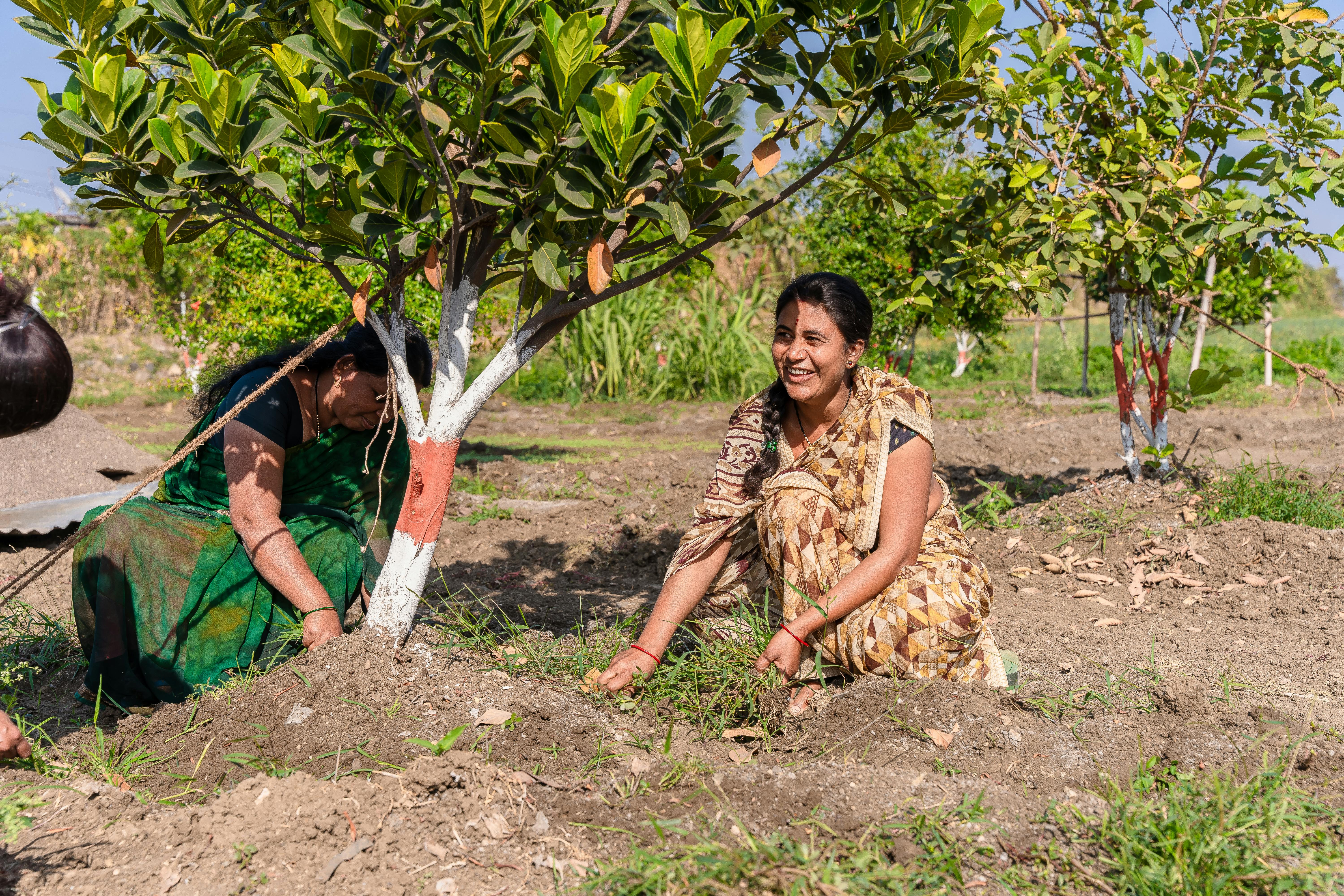
Kenya's agricultural sector, contributing over 30% to the nation's Gross Domestic Product (GDP), faces immense pressure. While it remains the backbone of the economy, conventional farming methods have often led to depleted soils, increased reliance on costly external inputs, and environmental degradation. The escalating prices of synthetic fertilizers, often imported, place a heavy financial burden on smallholder farmers, many of whom constitute the majority of Kenya's agricultural workforce.
The shift towards sustainable agriculture is not merely an environmental choice; it’s an economic necessity. Over 150,000 farmers across Kenya are already embracing organic methods, recognizing the long-term benefits for their land and their pockets. Data from various agricultural bodies, including the Kenya Agricultural and Livestock Research Organization (KALRO), consistently highlights that poor soil health is a primary constraint to productivity. Addressing this requires a fundamental change in how we manage our precious soil resources. Practices that maintain soil health, conserve water, and reduce dependency on chemicals are vital for the continued growth and resilience of agribusiness in Kenya.
Key Insights & Strategies: Mastering Legume Crop Rotation

Legume crop rotation is a time-tested agricultural practice with profound benefits, particularly for Kenyan farmers operating in diverse climatic zones. By understanding and strategically implementing this method, farmers can unlock significant improvements in soil health, reduce input costs, and ultimately, boost their yields and profits.
Strategic Legume Selection for Kenyan Climates
The success of legume rotation hinges on selecting the right crops for your specific agro-ecological zone. Kenya boasts a rich diversity of legumes, many of which are inherently drought-tolerant and well-adapted to local conditions. Integrating these into your farming system can provide robust benefits even in challenging environments.
Optimizing Rotation Cycles for Maximum Benefit
Effective crop rotation is not just about planting different crops; it's about strategic sequencing over time to maximize the ecological benefits and break pest and disease cycles.
Integrated Soil Fertility Management (ISFM)
Legume rotation is most effective when integrated into a broader strategy for soil fertility management that combines organic inputs with judicious use of mineral fertilizers.
For a deeper dive into sustainable organic farming practices and to access valuable resources, Explore sustainable organic farming solutions with Biofarm Kenya.
Case Studies, Examples, or Comparisons: Success Stories from Kenyan Farms
The impact of legume rotation is not merely theoretical; it's being demonstrated on farms across Kenya. Organizations like One Acre Fund have extensively documented the tangible benefits for smallholder farmers. Their research in Kenya showed that farmers who adopted maize-legume rotation saw a remarkable 44-56% increase in maize profit compared to those practicing continuous maize monoculture. This profit surge is a direct result of higher yields and reduced fertilizer expenses.
In semi-arid regions of Eastern Kenya, farmers experimenting with pigeonpea and cowpea rotations have reported visible improvements in soil structure and water infiltration. These legumes, known for their deep root systems, not only fix nitrogen but also help to break hardpans, making the soil more permeable and resilient to drought. The Ministry of Agriculture, Livestock, Fisheries and Cooperatives in Kenya often advocates for such practices through their extension services, citing improved food security and economic stability in pilot communities.
Furthermore, comparisons with conventional farming highlight the long-term sustainability. While chemical fertilizers offer quick boosts, they often degrade soil over time, leading to diminishing returns and increased input needs. Legume rotation, supported by credible sources like the Food and Agriculture Organization (FAO), builds natural soil fertility, creating a virtuous cycle where each rotation enhances the land's productive capacity, rather than depleting it.
Common Mistakes to Avoid in Crop Rotation & Soil Management
While legume rotation offers immense benefits, improper implementation can undermine its potential. Kenyan farmers should be aware of common pitfalls to ensure they reap the full rewards of this sustainable practice:
Expert Tips & Best Practices for Enhanced Farm Productivity
To truly maximize the benefits of legume rotation and achieve sustainable profits, Kenyan farmers can adopt several expert tips and best practices. These locally relevant strategies are designed to optimize resource use, enhance soil health, and increase overall farm resilience.
Future Trends & Predictions: The Evolution of Kenyan Agriculture
The future of Kenyan agriculture is poised for significant transformation, driven by innovation and a renewed commitment to sustainability. As global climates shift and populations grow, the integration of advanced technologies and data-driven approaches will become increasingly crucial for ensuring food security and profitability.
Smart farming technologies are emerging as key enablers, particularly for smallholder farmers. The adoption of satellite technology for precision agriculture allows farmers to monitor crop health, soil conditions, and moisture levels remotely, enabling more targeted interventions. Drones are increasingly being utilized for spraying, monitoring crop growth, and even detecting early signs of pests and diseases, optimizing resource use and reducing labor costs. AI-driven crop monitoring systems will further enhance this, providing predictive analytics for optimal planting, irrigation, and harvesting times.
Climate-smart agriculture, which integrates productivity, adaptation, and mitigation, will remain a central theme. This includes developing and deploying more drought- and disease-resistant crop varieties, improving water harvesting techniques, and promoting agroforestry. Vertical farming and protected cultivation (greenhouses) are also gaining traction, particularly in peri-urban areas, offering high-yield, resource-efficient production in limited spaces.
The ongoing emphasis on organic and regenerative agriculture will continue to shape consumer demand and market opportunities. As awareness of health and environmental impacts grows, the market for sustainably produced food, including produce from legume-rotated fields, is expected to expand, providing premium opportunities for forward-thinking Kenyan farmers.
Conclusion: Cultivating a Profitable & Sustainable Future
Legume crop rotation is more than just a farming technique; it’s a foundational pillar of sustainable and profitable agriculture in Kenya. By embracing this age-old wisdom, enriched by modern scientific understanding, Kenyan farmers can significantly reduce their reliance on expensive chemical fertilizers, improve soil health, and boost crop yields by substantial margins. The documented benefits – from increased maize profits to enhanced soil nitrogen and improved drought resilience – paint a clear picture of a more secure and prosperous farming future.
The journey towards sustainable agriculture is continuous, requiring commitment, knowledge, and the right tools. By strategically selecting legumes, optimizing rotation cycles, integrating organic matter, and adopting modern technologies, farmers can transform their fields into thriving ecosystems that yield both abundant harvests and healthy profits. The future of farming in Kenya is green, organic, and driven by smart, sustainable choices. Discover trusted organic farming tools on Amazon and learn more about sustainable solutions with Biofarm Kenya.
Frequently Asked Questions (FAQs)
Q1: What are the main benefits of legume crop rotation for Kenyan farmers?
A1: Legume crop rotation offers numerous benefits, including significantly boosting soil nitrogen through natural fixation, reducing the need for costly chemical fertilizers, improving soil structure and water retention, breaking pest and disease cycles, and ultimately increasing overall crop yields and farm profitability. For more insights, refer to ICRISAT's research on legume seed systems.
Q2: Which drought-tolerant legumes are best suited for semi-arid regions in Kenya?
A2: For semi-arid regions in Kenya, highly recommended drought-tolerant legumes include cowpeas, pigeonpea, green gram (mung bean), and tepary bean. These crops not only thrive in challenging conditions but also contribute significantly to soil fertility. Learn more about drought-resistant crops from Agriculture.co.ke.
Q3: How often should crop rotation be practiced for optimal results?
A3: For optimal results, a 2-year rotation cycle is generally recommended, where a legume crop is followed by a non-legume cash crop like maize or wheat. This allows sufficient time for nitrogen accumulation and benefits to transfer to the subsequent crop, while also disrupting pest and disease lifecycles. Consulting local agricultural extension services can provide tailored advice for specific farm conditions.
Q4: Can legume rotation completely replace chemical fertilizers?
A4: While legume rotation significantly reduces the dependency on synthetic nitrogen fertilizers by boosting soil nitrogen by up to 30% (ICRISAT 2024), it may not completely replace all chemical fertilizers, especially for other nutrients like phosphorus and potassium. An Integrated Soil Fertility Management (ISFM) approach, combining organic inputs with targeted mineral fertilizers based on soil tests, is often the most sustainable and productive strategy. For more on ISFM, check out Growing Africa's insights.
Q5: What are common challenges in adopting legume rotation and how can they be overcome?
A5: Common challenges include limited access to quality legume seeds, lack of technical knowledge on optimal rotation practices, and initial resistance to change. These can be overcome through farmer training programs, access to certified drought-tolerant seeds, peer-to-peer learning networks, and consistent support from agricultural organizations like Biofarm Kenya and NGOs such as Farm Africa, which empower smallholder farmers with sustainable practices. For more on organic farming challenges, see Kimbumbu Garden's article.
Q6: How does legume rotation contribute to climate change resilience in Kenya?
A6: Legume rotation enhances climate change resilience by improving soil health, which leads to better water retention and reduced erosion, crucial during erratic rainfall patterns. The use of drought-tolerant legumes ensures crop survival in drier periods. Furthermore, healthy soils enriched with organic matter sequester carbon, contributing to climate change mitigation efforts. This aligns with broader climate-smart agriculture initiatives in Kenya. More details on climate-smart agriculture can be found at TraceX Technologies.


0 Comments