

Estimated Reading Time: 9 minutes
TL;DR: Kenyan farmers can significantly boost yields and soil health by adopting strategic maize-legume crop rotation. This guide provides practical steps, addresses common challenges, and highlights essential tools for successful implementation. By alternating legumes like beans or pigeon peas with maize, farmers can naturally enrich soil nitrogen, reduce pest pressure, and achieve up to 30% yield gains, ensuring long-term profitability and sustainable farming.
Key Takeaways:
- Implement a maize-legume crop rotation system to enhance soil nitrogen naturally and improve overall soil structure.
- Utilize intercropping techniques to maximize land use efficiency and diversify crop outputs.
- Regularly monitor soil health and pest levels to preemptively address issues and optimize rotation cycles.
- Invest in basic soil testing and organic amendments to support a thriving crop rotation system.
- Explore available government and organizational support to facilitate the transition to sustainable farming practices.
Table of Contents
- Introduction
- Background & Context
- Key Insights or Strategies
- Case Studies, Examples, or Comparisons
- Common Mistakes to Avoid
- Expert Tips or Best Practices
- Future Trends or Predictions
- Conclusion
- FAQs
Introduction
In Kenya's dynamic agricultural landscape, the pursuit of sustainable and profitable farming practices is more critical than ever. Kenyan farmers are increasingly seeking crop rotation strategies to combat soil depletion and pests, challenges that frequently undermine productivity and income. This guide trains farmers to implement a maize-legume (e.g., beans, pigeon peas) rotation system, a historically proven method now revitalized with modern agricultural insights. Such a system effectively improves soil nitrogen, reduces pest pressure, and increases long-term productivity, offering a viable path to agricultural resilience.
Beyond simply rotating crops, this comprehensive guide delves into the practical application of intercropping layouts to maximize space and outlines crucial monitoring for nematode risks in continuous legume systems. By understanding and applying these strategies, farmers can move beyond traditional monoculture challenges. Recent field trials in Western Kenya demonstrate up to 30% yield gains in rotated plots, providing compelling evidence of the profitability that awaits farmers who embrace these methods.
Background & Context
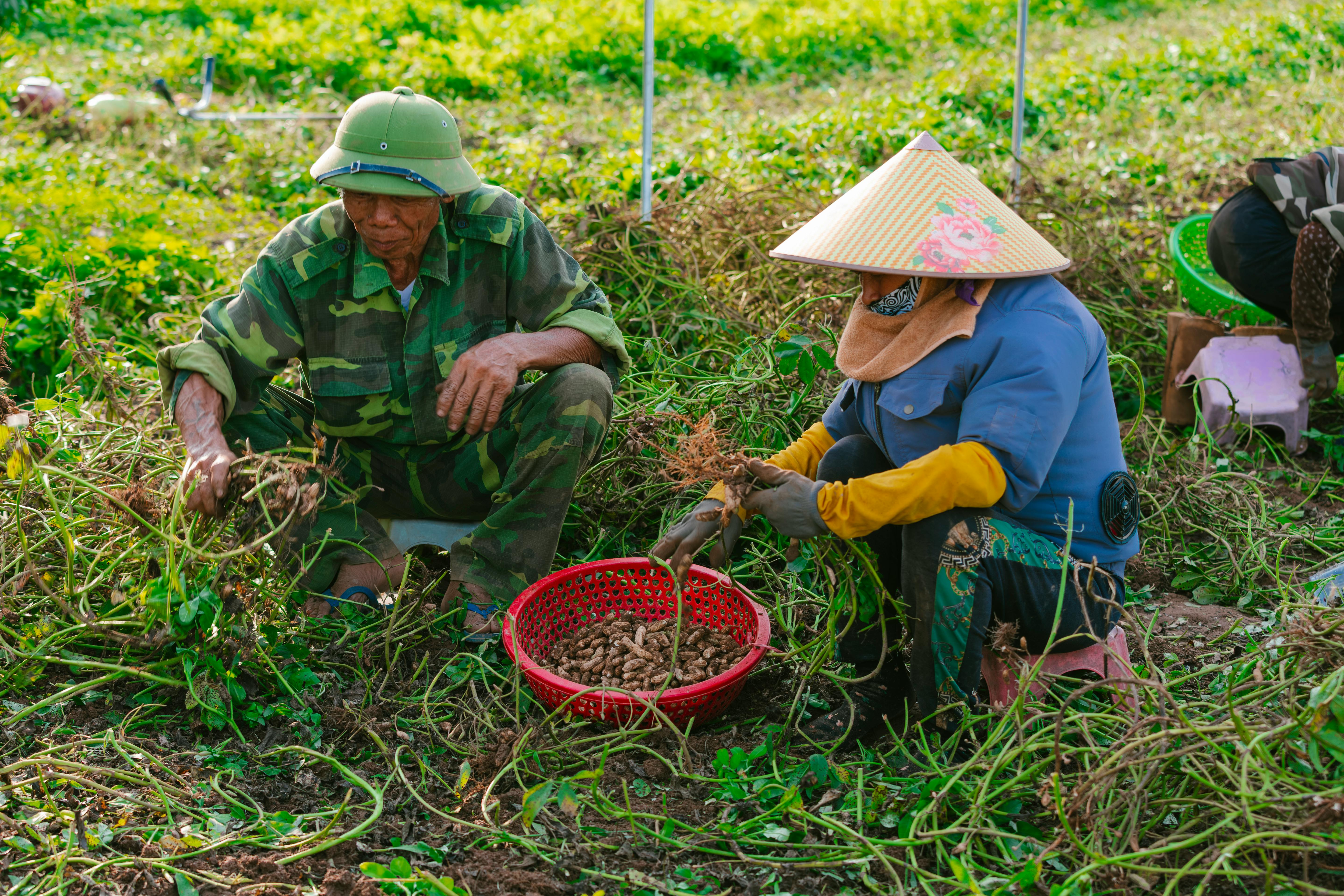
Kenya’s agricultural sector, the backbone of its economy, faces persistent challenges including erratic weather patterns, soil degradation, and escalating pest and disease incidence. These factors significantly impact food security and farmer livelihoods. Traditional farming practices, often involving continuous cultivation of a single crop like maize, have exacerbated these issues, leading to nutrient depletion and increased reliance on costly chemical inputs.
The shift towards organic farming and sustainable agriculture practices is gaining momentum across East Africa, driven by a growing awareness of environmental protection and the long-term economic benefits. Crop rotation stands out as a fundamental practice within this movement. It is a natural process that leverages ecological principles to restore soil vitality, rather than depleting it. By diversifying crops over time, farmers can break pest and disease cycles specific to certain plants, improve nutrient cycling, and enhance overall biodiversity on their farms. This approach not only safeguards the environment but also builds a more resilient and profitable farming future for Kenyan farmers.
Key Insights or Strategies

The Power of Maize-Legume Rotation
The core of profitable crop rotation for Kenyan farmers lies in the strategic pairing of maize with legumes. Legumes, such as beans, cowpeas, and pigeon peas, have a unique ability to fix atmospheric nitrogen into the soil through a symbiotic relationship with soil bacteria. This natural nitrogen enrichment reduces the need for synthetic nitrogen fertilizers, a significant cost saving for farmers.
Actionable Steps:
- Select Appropriate Legumes: Choose legumes that are well-adapted to your local climate and soil type. Common choices include common beans, green grams, cowpeas, and pigeon peas, all of which thrive in various Kenyan regions.
- Alternate Planting Seasons: Plant legumes in alternating seasons with maize. For instance, if you plant maize during the long rains, consider a legume crop during the short rains, or vice-versa, allowing the soil to recover and replenish nutrients.
- Incorporate Residues: After harvesting legumes, incorporate their crop residues back into the soil. This adds organic matter, improving soil structure, water retention, and microbial activity.
To accurately gauge your soil's current nutrient levels and pH, which is crucial for successful rotation, consider using a reliable tool. The Luster Leaf Rapitest Soil Test Kit – available on Amazon provides quick and easy results, helping you make informed decisions about your crop choices and amendments.
Optimizing Land Use with Intercropping
Intercropping, the practice of growing two or more crops in proximity on the same land, is another vital strategy that complements crop rotation. It maximizes space utilization and enhances ecological benefits.
Actionable Steps:
- Design Smart Layouts: Implement intercropping layouts, such as alternating rows of maize with rows of beans or pigeon peas. This maximizes space and allows for the simultaneous benefits of pest deterrence and nutrient sharing.
- Consider Plant Spacing: Ensure adequate spacing between intercropped plants to avoid competition for light, water, and nutrients. Proper spacing promotes healthy growth for both crops.
- Monitor for Competition: Regularly observe your intercropped plots for signs of competition. Adjust planting densities or varieties in subsequent seasons if one crop is significantly outcompeting the other.
For farmers looking to establish strong, healthy crops from the start, enriching the soil with organic matter is paramount. Using an effective compost accelerator can significantly speed up this process. The Jobe's Organics Compost Starter 4-4-2 – available on Amazon can help create nutrient-rich compost faster, providing your plants with the best possible start.
Explore sustainable organic farming solutions with Biofarm Kenya.
Case Studies, Examples, or Comparisons
The success stories of Kenyan farmers adopting crop rotation are a testament to its effectiveness. In Western Kenya, for example, numerous smallholder farmers have reported significant improvements in their farm productivity and income after transitioning from continuous maize cultivation to maize-legume rotation systems. Trials conducted by organizations like the International Maize and Wheat Improvement Center (CIMMYT) have shown that integrating legumes like groundnuts and soybeans into rotation schemes can lead to impressive yield increases for subsequent maize crops, often exceeding 30%. This is largely attributed to improved soil nitrogen, better soil structure, and reduced incidence of maize streak virus and stalk borers.
One notable example is the widespread adoption of pigeon pea intercropping with maize in semi-arid regions. Pigeon peas, being drought-tolerant legumes, provide a dual benefit: a food crop for the household and nitrogen fixation for the soil, benefiting the following maize season. Farmers have observed reduced reliance on synthetic fertilizers and a healthier crop stand. This approach not only boosts yields but also enhances household food security and income diversification, proving that small changes can lead to monumental results.
According to research published by the International Institute of Tropical Agriculture (IITA), such integrated soil fertility management practices are crucial for sustainable intensification of agriculture in Sub-Saharan Africa, with Kenya being a prime example of successful implementation. These findings underscore the scientific backing and practical viability of crop rotation for local farmers.
Common Mistakes to Avoid
While the benefits of crop rotation are clear, farmers can sometimes fall into common pitfalls that hinder its success. Understanding these errors is the first step towards avoiding them and ensuring a productive rotation cycle.
One prevalent mistake is failing to adequately plan the rotation sequence. Simply switching crops without considering their specific nutrient needs, pest susceptibilities, or root depths can negate the benefits. For instance, rotating a heavy nitrogen feeder with another heavy feeder without an intervening legume crop will quickly deplete soil nutrients. Always plan for a diverse sequence that includes nitrogen-fixing legumes.
Another common error is neglecting soil testing. Without knowing the current pH and nutrient profile of your soil, you might apply inappropriate fertilizers or select crops that are not best suited for your specific conditions. Regular soil tests help tailor your rotation plan and amendment strategies.
Farmers also sometimes overlook the risk of specific pests and diseases that might affect crops within the same family, even if they are different species. Continuous legume planting, for example, can increase the risk of nematode build-up. It's crucial to diversify beyond just maize-legume within a season, ensuring broader crop family rotation to break such cycles effectively. Finally, not incorporating crop residues back into the soil robs it of valuable organic matter, diminishing the long-term benefits of improved soil structure and fertility.
Expert Tips or Best Practices
Maximizing the benefits of crop rotation requires a thoughtful approach tailored to your farm's specific needs and local conditions. Here are some expert tips to guide Kenyan farmers towards even greater profitability and sustainability.
First, always prioritize soil health. This means more than just rotating crops; it involves a holistic approach to soil management. Consider incorporating organic matter through compost and manure regularly. This improves soil structure, water retention, and microbial life, making your soil more resilient and productive. For those actively managing their composting, the right tools can make a significant difference. Maintain healthy soil with Organic Compost Starter Mix – available on Amazon, ensuring your soil always receives the best organic nutrients.
Secondly, embrace integrated pest and disease management (IPDM) as an essential component of your rotation strategy. Crop rotation naturally disrupts pest cycles, but combining this with other organic practices, such as using beneficial insects, selecting resistant crop varieties, and proper field sanitation, will yield superior results. When targeted interventions are needed for organic pest control, a reliable sprayer is invaluable. The Polyte One Hand Pressure Sprayer – available on Amazon is an excellent choice for applying organic solutions precisely and efficiently.
Lastly, stay informed and connect with agricultural extension services or fellow farmers. Learning from successful local case studies and adapting techniques to your farm is invaluable. Continuous learning, experimentation with new legume varieties, and keen observation of your farm's ecosystem will refine your crop rotation system over time, leading to sustained success.
Explore sustainable organic farming solutions with Biofarm Kenya to discover more resources and partnerships.
Future Trends or Predictions
The future of farming in Kenya is bright with innovation, promising even greater efficiency and sustainability, particularly for crop rotation systems. One significant trend is the adoption of smart irrigation systems. These systems, often incorporating sensors and AI, can precisely monitor soil moisture and deliver water only when and where it's needed. This dramatically reduces water waste and optimizes conditions for different crops within a rotation, ensuring each plant receives its ideal hydration without overwatering or nutrient leaching.
Another emerging trend is the use of AI-driven crop monitoring and precision agriculture. Drones and satellite imagery, combined with artificial intelligence, can analyze crop health, identify pest infestations early, and predict yield with remarkable accuracy. This data-driven approach allows farmers to make more informed decisions about crop placement, fertilizer application, and pest control within their rotation, further enhancing efficiency and reducing input costs. Imagine knowing exactly which section of your field needs more nitrogen before visible signs of deficiency appear!
Furthermore, advancements in agroecology and climate-smart agriculture will continue to shape farming practices. This includes the development of more resilient and climate-adapted crop varieties, improved intercropping techniques designed for specific microclimates, and enhanced biological pest control methods. These innovations will further strengthen the maize-legume rotation model, making it even more robust against environmental stresses and better equipped to deliver consistent, profitable yields for Kenyan farmers.
Conclusion
Embracing profitable crop rotation, particularly the maize-legume system, is not merely a farming technique; it's a strategic investment in the future of Kenyan agriculture. This guide has equipped you with the knowledge to understand the benefits, implement key strategies, avoid common pitfalls, and leverage expert tips for success. By committing to these proven practices, farmers can significantly improve soil health, mitigate pest and disease risks, and achieve remarkable yield increases, as demonstrated by up to 30% gains in rotated plots. The long-term profitability and environmental sustainability offered by crop rotation far outweigh any initial labor costs, establishing a foundation for enduring agricultural prosperity.
Discover trusted organic farming tools on Amazon and learn more about sustainable solutions with Biofarm Kenya.
FAQs
1. What are the primary benefits of crop rotation for Kenyan farmers?
Crop rotation offers multiple benefits, including improved soil fertility through natural nitrogen fixation (especially with legumes), reduced pest and disease pressure by breaking their life cycles, enhanced soil structure and water retention, and increased overall crop yields. It also minimizes the need for chemical fertilizers and pesticides, leading to healthier produce and cost savings. For more details on sustainable practices, refer to the FAO's Integrated Soil Fertility Management guidelines.
2. How does maize-legume rotation specifically improve soil fertility in Kenyan farms?
Maize-legume rotation is highly effective because legumes host nitrogen-fixing bacteria in their root nodules. These bacteria convert atmospheric nitrogen into a form usable by plants, naturally enriching the soil. When legumes are harvested or their residues are incorporated, this fixed nitrogen becomes available for the subsequent maize crop, significantly reducing the demand for external nitrogen fertilizers. Research from ResearchGate on legume-maize rotations in Western Kenya provides further scientific evidence.
3. What are some effective legume choices for crop rotation with maize in Kenya?
In Kenya, several legumes are well-suited for rotation with maize due to their adaptability and benefits. Popular choices include common beans (e.g., kidney beans, navy beans), cowpeas, green grams (mung beans), and pigeon peas. Pigeon peas are particularly beneficial in semi-arid areas due to their drought tolerance. These legumes not only fix nitrogen but also provide additional food and income for farmers. For regional suitability, consult resources like CIMMYT's regional agricultural guides.
4. How can smallholder farmers overcome the initial challenges of implementing crop rotation in Kenya?
Initial challenges can include lack of knowledge, access to diverse seeds, and perceived labor costs. Overcoming these requires farmer training, access to agricultural extension services for guidance on planning and implementation, and joining farmer cooperatives for shared resources and learning. Starting with small plots to experiment and observe results can build confidence. Organizations like Kenya's Ministry of Agriculture, Livestock, Fisheries and Cooperatives offer support and resources.
5. What role does crop rotation play in pest and disease management in Kenyan agriculture?
Crop rotation is a crucial non-chemical method for pest and disease management. Many pests and diseases are specific to certain crops and remain in the soil or on crop residues. By rotating crops, especially with non-host plants, farmers break the life cycles of these pathogens and pests, preventing their buildup in the soil. This reduces infestation levels and the need for synthetic pesticides. The International Institute of Tropical Agriculture (IITA) provides extensive information on integrated pest management, including crop rotation.
6. Are there government support programs or resources for Kenyan farmers adopting sustainable crop rotation practices?
Yes, the Kenyan government, through the Ministry of Agriculture, Livestock, Fisheries and Cooperatives, often promotes sustainable agricultural practices including crop rotation. Programs and resources may include farmer field schools, provision of improved seed varieties, and technical advisory services. Additionally, organizations like the Kenya Agricultural and Livestock Research Organization (KALRO) conduct research and disseminate findings on best practices. Farmers are encouraged to visit their nearest agricultural extension office or explore initiatives from Biofarm Kenya for partnership opportunities.


0 Comments