

Estimated Reading Time: 9 minutes
TL;DR: Zero-tillage with compost is a game-changer for Kenyan farmers. By avoiding soil disturbance and enriching the land with homemade compost, you can significantly boost crop yields and drastically cut down on expensive farm inputs. This guide shows you how to implement these sustainable practices using readily available local materials, ensuring long-term soil health and a more profitable farm.
Key Takeaways:
Table of Contents
Introduction
In Kenya, the agricultural landscape is continually evolving, with farmers increasingly seeking methods that are both economically viable and environmentally sustainable. Recent data shows rising demand for affordable, eco-friendly soil management practices. Traditional farming often involves extensive tilling, which can degrade soil structure, increase erosion, and deplete organic matter over time. However, a transformative solution is gaining traction: 'zero-tillage with compost'. This guide trains farmers to adopt 'zero-tillage with compost' techniques, effectively reducing synthetic fertilizer dependency and fostering resilient soil.
This innovative approach not only safeguards our precious topsoil but also enriches it, leading to healthier crops and substantial cost savings. By focusing on minimal soil disturbance and the consistent application of nutrient-rich compost, Kenyan farmers can achieve remarkable results. A 2024 study by Kenya’s Ministry of Agriculture found this method boosts yields by 20% while significantly cutting input costs, proving its immense potential for sustainable agricultural growth across the nation.
Background & Context
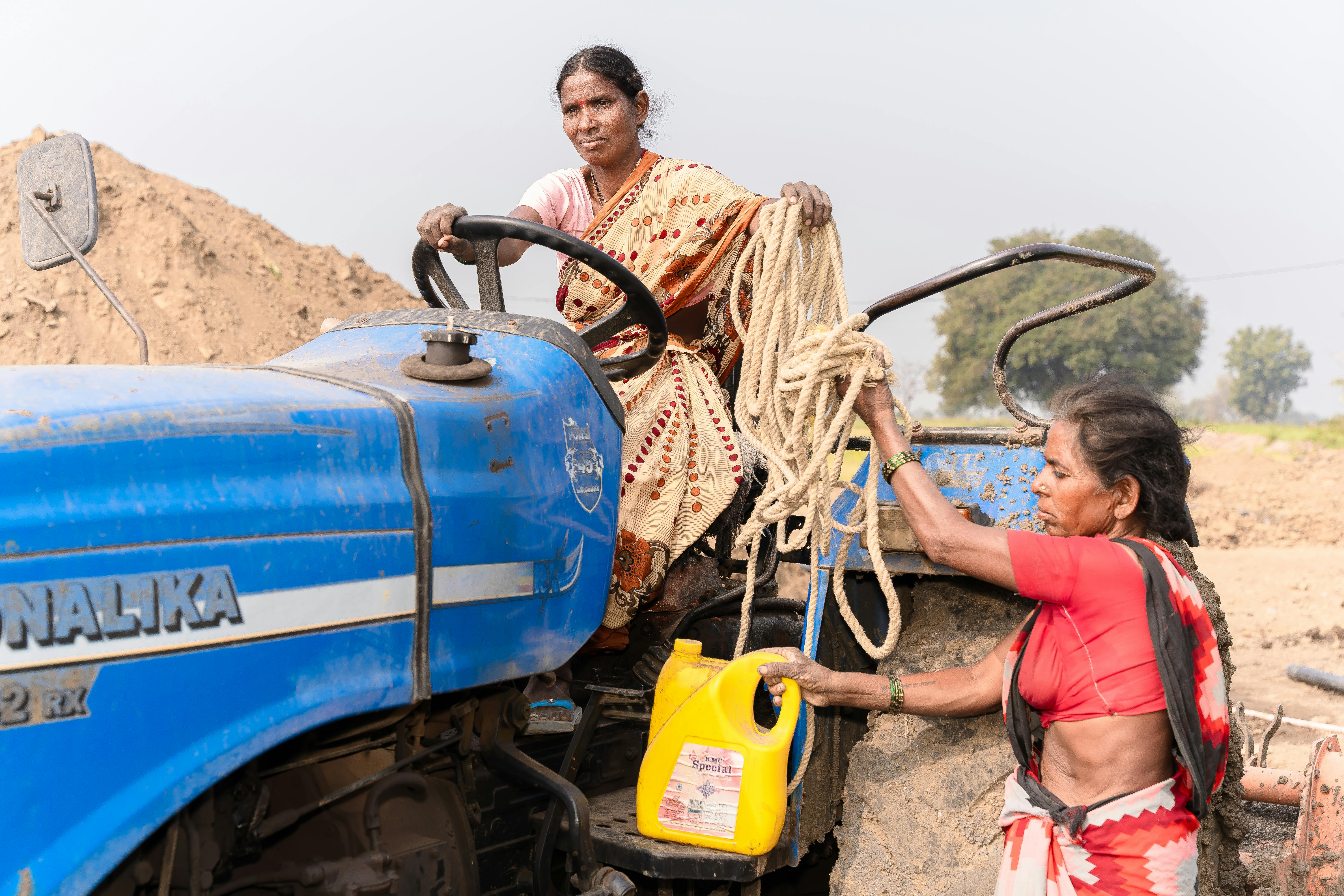
Kenya's agricultural sector is the backbone of its economy, contributing significantly to the GDP and providing livelihoods for a majority of the population. However, it faces pressing challenges, including soil degradation, climate change impacts, and rising costs of synthetic inputs. The imperative for sustainable agriculture has never been stronger.
Organic farming in Kenya is not just a niche; it's a growing movement. According to data from the Kenya National Bureau of Statistics and various agricultural reports, there's a clear trend towards adopting practices that enhance soil fertility naturally. Smallholder farmers, in particular, are at the forefront of this shift, driven by the need for cost-effective solutions and a desire to produce healthier food. Embracing methods like zero-tillage and compost application directly addresses these challenges, offering a pathway to robust food security and environmental stewardship.
Key Insights & Strategies
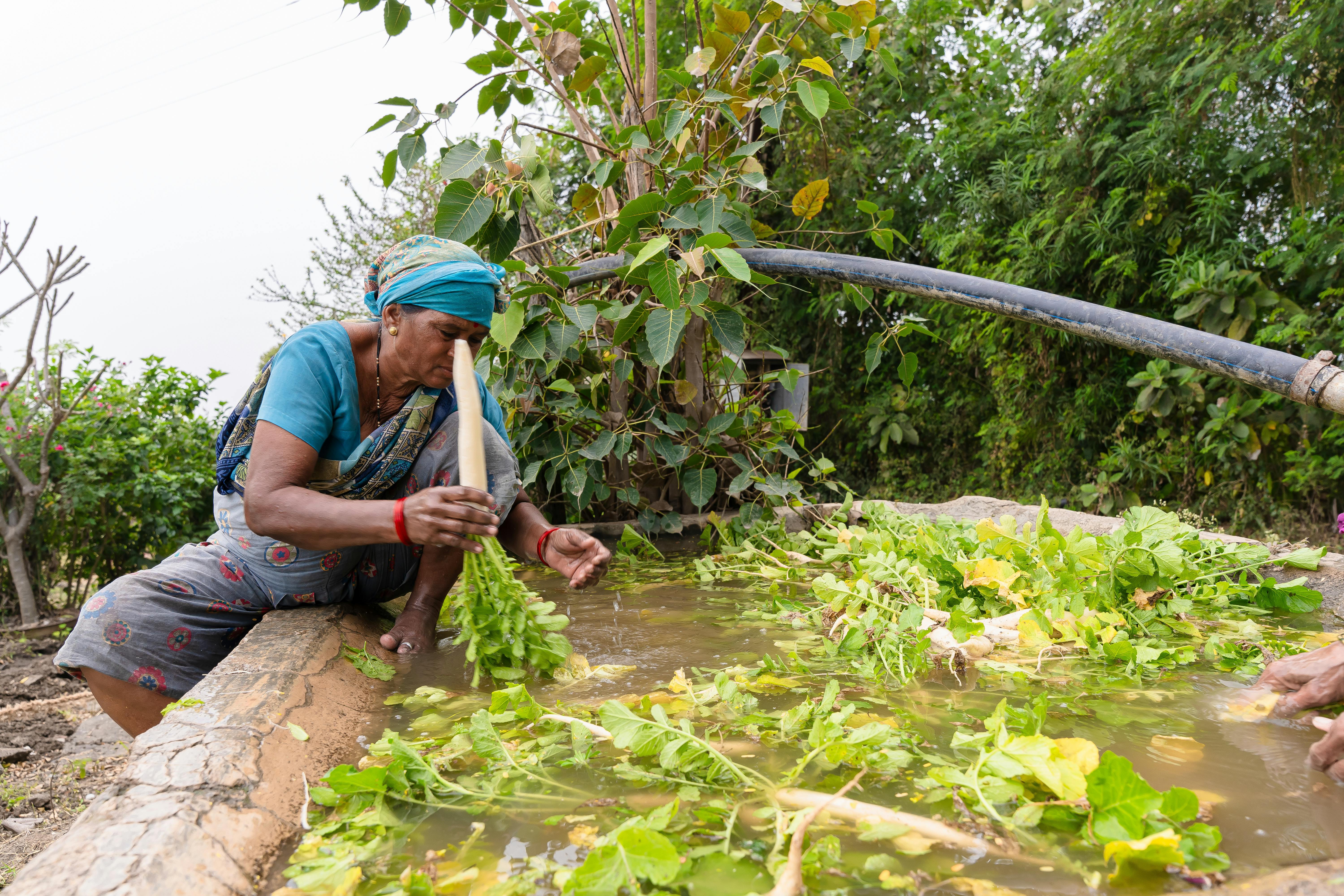
Embracing the Zero-Tillage Foundation
Zero-tillage, also known as no-till farming, involves growing crops without disturbing the soil through ploughing or harrowing. This practice maintains the soil's natural structure, reduces erosion, enhances water infiltration, and improves organic matter content. For Kenyan farmers, this means less labour, reduced fuel costs, and a healthier soil ecosystem that supports beneficial microorganisms.
To truly understand your starting point and monitor progress, a reliable soil testing kit is invaluable. Boost your yields with the Luster Leaf 1663 Rapitest Soil Test Kit – available on Amazon, helping you tailor your compost and crop rotation strategies effectively.
Compost Mastery: Building High-Nitrogen Gold
Compost is the cornerstone of fertility in zero-tillage systems. It enriches the soil with vital nutrients, improves its structure, and boosts its water-holding capacity. Building high-nitrogen compost from locally available materials is crucial for quick decomposition and nutrient release, fulfilling key steps for reducing synthetic fertilizer dependency.
For farmers looking to accelerate their composting process, consider using a specialized starter. The Jobe's Organics Compost Starter Biozome Granular Fertilizer – available on Amazon can significantly enhance microbial activity and shorten decomposition time, especially for high-nitrogen compost from locally available materials (maize stalks, cow manure).
The Power of Strategic Crop Rotation
Implementing crop rotation is another vital component, working synergistically with zero-tillage and compost to fix soil nutrients naturally. This practice involves planting different crops in a sequence on the same land over several seasons. It helps in nutrient cycling, pest and disease management, and weed suppression.
Mulching: Your Farm's Best Friend
Using mulching is an indispensable practice for retaining moisture and suppressing weeds, particularly in zero-tillage systems. A layer of organic material on the soil surface brings a multitude of benefits.
For sustainable and efficient farming practices in Kenya, explore sustainable organic farming solutions with Biofarm Kenya, your trusted partner in agribusiness.
Case Studies, Examples, or Comparisons
Across Kenya, innovative farmers are showcasing the tangible benefits of integrating zero-tillage with compost. Consider the success story of a cooperative in Bungoma County, where smallholder maize farmers transitioned from conventional ploughing to direct seeding with generous applications of compost made from maize stalks and cow manure. Their initial challenges with weed management were overcome through consistent mulching and strategic crop rotation. Within two seasons, they reported an average yield increase of 25% and a remarkable 30% reduction in fertilizer and labour costs.
Another compelling example comes from Kitale, where a group of vegetable farmers adopted zero-tillage and established community composting sites. By focusing on building high-nitrogen compost from market waste and farm residues, they not only improved their soil health but also diversified their income streams by selling surplus compost. Their experience underscores the local availability of materials, making the 'zero-tillage with compost' method highly adaptable and economically sensible for various regions in Kenya.
These real-world applications resonate with findings from authoritative bodies. For instance, the Food and Agriculture Organization (FAO) has long advocated for conservation agriculture practices, including zero-tillage, citing its efficacy in combating land degradation and enhancing agricultural resilience, particularly in Sub-Saharan Africa. The FAO's emphasis on local adaptation and farmer-led innovation aligns perfectly with the success stories emerging from Kenyan farms embracing these sustainable techniques.
Common Mistakes to Avoid
While 'zero-tillage with compost' offers immense benefits, success hinges on careful implementation. Avoiding common pitfalls can save time, effort, and resources:
Expert Tips & Best Practices
Maximizing the benefits of zero-tillage with compost requires a nuanced approach, tailored to the specific conditions of your Kenyan farm. Here are some expert tips to guide you:
For more in-depth guidance and resources tailored to the Kenyan agricultural context, explore sustainable organic farming solutions with Biofarm Kenya.
Future Trends or Predictions
The trajectory of Kenyan agriculture is undeniably moving towards more sustainable, efficient, and technologically integrated practices. Zero-tillage with compost is a foundational element of this future, paving the way for advanced innovations:
These trends highlight a future where agriculture in Kenya is not only productive but also resilient, environmentally conscious, and economically empowering for farmers.
Conclusion
Embracing zero-tillage with compost is more than just a farming technique; it’s a commitment to the long-term health of our land, our livelihoods, and our nation's food security. By adopting these methods – building high-nitrogen compost from locally available materials, implementing strategic crop rotation, and utilizing mulching – Kenyan farmers can significantly boost yields by 20% and cut input costs, as validated by recent studies. This approach fosters robust, fertile soils that are resilient to environmental stresses and less dependent on external inputs. The journey towards sustainable agriculture is a continuous one, but with these proven practices, Kenyan farmers are well-equipped to cultivate a greener, more prosperous future.
Discover trusted organic farming tools on Amazon and learn more about sustainable solutions with Biofarm Kenya.
FAQs
Q1: What exactly are the long-term benefits of zero-tillage farming?
A: Zero-tillage farming offers numerous long-term benefits, including improved soil structure and aggregation, increased organic matter content, enhanced water infiltration and retention, reduced soil erosion, and greater biodiversity of soil microorganisms. Over time, this leads to more resilient and fertile soil, capable of supporting consistent crop yields with fewer external inputs. For more details on conservation agriculture, refer to the Food and Agriculture Organization (FAO) website.
Q2: How can I ensure my compost is high in nitrogen using local Kenyan materials?
A: To create high-nitrogen compost from local materials in Kenya, focus on incorporating a good proportion of 'green' materials. Excellent local sources include fresh animal manure (especially cow and chicken manure), fresh grass clippings, green crop residues (like chopped maize stalks before they dry out completely), and kitchen waste. Layer these with 'brown' materials such as dry leaves and dried maize stalks, maintaining a good moisture level and turning the pile regularly to aerate it. You can find practical guides on composting on the Biofarm Kenya blog.
Q3: Is zero-tillage suitable for all types of crops grown in Kenya?
A: While zero-tillage is widely applicable, its suitability can vary slightly depending on the specific crop and local soil conditions. It works exceptionally well for most cereals (maize, wheat, sorghum), legumes (beans, peas), and many vegetable crops. However, root crops that require significant soil penetration for development might need careful management or specific varieties adapted to undisturbed soils. Always assess your specific crop needs and consult local agricultural extension services for tailored advice.
Q4: What is the most effective way to manage weeds in a zero-tillage system?
A: Effective weed management in zero-tillage primarily relies on mulching and cover crops. A thick layer of organic mulch suppresses weed germination by blocking sunlight. Cover crops compete with weeds for resources and can also suppress them through allelopathy. Additionally, strategic crop rotation can disrupt weed cycles, and in cases of stubborn perennial weeds, targeted spot-spraying with organic herbicides or careful hand-weeding may be necessary, especially in the initial years. Learn more about integrated pest and weed management from the Kenya Agricultural and Livestock Research Organization (KALRO).
Q5: How does crop rotation contribute to reducing synthetic fertilizer dependency?
A: Crop rotation significantly reduces reliance on synthetic fertilizers by naturally enhancing soil fertility. Leguminous crops (like beans, groundnuts) fix atmospheric nitrogen into the soil, making it available for subsequent crops. Rotating different plant families also helps in accessing nutrients from various soil depths, improving nutrient cycling, and reducing the build-up of specific nutrient deficiencies. This biological process means less need for external nutrient inputs. The Biofarm Kenya product range offers tools to support diversified cropping systems.
Q6: Where can I find reliable data on organic farming and zero-tillage success in Kenya?
A: Reliable data on organic farming and zero-tillage success in Kenya can be found through various authoritative sources. The Kenya Ministry of Agriculture and Livestock Development frequently publishes reports and studies. The Kenya National Bureau of Statistics (KNBS) provides agricultural census data. Organizations like KALRO (Kenya Agricultural and Livestock Research Organization) and the FAO (Food and Agriculture Organization) often conduct and document research specific to conservation agriculture in East Africa. Additionally, local agricultural NGOs and universities often have case studies and farmer success stories. For localized insights and support, connect with Biofarm Kenya.


0 Comments