

Estimated Reading Time: 12 minutes
TL;DR: Over-reliance on legumes in Kenyan crop rotation is depleting vital soil minerals like zinc and phosphorus, threatening farm productivity. A dynamic crop rotation system, combining legumes with mineral-rich fertilizers and pH correction, can boost yields by 35%. Key steps involve accurate soil testing, strategic application of phosphate rock, and integrating calcium-heavy crops. This guide offers practical strategies for sustainable soil health and increased harvests for Kenyan farmers.
Key Takeaways:
Table of Contents
- Introduction: Revolutionizing Kenyan Agriculture with Dynamic Crop Rotation
- Background & Context: The Silent Crisis Beneath Our Feet
- Key Insights & Strategies for Soil Rejuvenation
- Case Studies: Success Stories in Kenyan Sustainable Farming
- Common Mistakes to Avoid in Crop Rotation
- Expert Tips & Best Practices for Dynamic Crop Rotation
- Future Trends: Innovation in Kenyan Sustainable Agriculture
- Conclusion: A Fertile Future for Kenyan Farms
- FAQs: Your Questions Answered on Dynamic Crop Rotation
Introduction: Revolutionizing Kenyan Agriculture with Dynamic Crop Rotation
For generations, Kenyan farmers have relied on the rhythmic dance of crop rotation to sustain their land and livelihoods. This time-honored practice, vital for soil health and yield stability, is now facing a critical challenge. Recent studies show over-reliance on legumes in crop rotation without proper mineral balancing is depleting soil zinc and phosphorus in Kenyan farms. This silent crisis threatens the very foundation of our agricultural productivity and food security. The diminishing returns from once-fertile land are a stark reminder that traditional methods, while valuable, must evolve.
This guide trains farmers to implement a dynamic crop rotation system, a sophisticated approach that combines the nitrogen-fixing power of legumes with strategic mineral supplementation and soil pH correction. By understanding and addressing specific nutrient imbalances, farmers can move beyond simple rotation to truly regenerate their soil. We will explore how key steps, including meticulous soil testing for nutrient ratios, applying phosphate rock alongside legumes, and rotating with calcium-heavy crops like kale, are crucial to restoring balance and boosting farm yields.
The good news is that this innovative approach promises significant returns. Data from Jomo Kenyatta University (2025) reveals this method boosts yields by 35% versus traditional practices, offering a tangible path to a more prosperous and sustainable future for Kenyan agriculture. Join Biofarm Kenya as we delve into the principles and practices of dynamic crop rotation, empowering you to cultivate healthier soils and achieve unprecedented harvests.
Background & Context: The Silent Crisis Beneath Our Feet

Kenya’s agricultural sector is the backbone of its economy, contributing significantly to the GDP and employing a large portion of the population. However, decades of intensive farming, coupled with limited access to comprehensive soil management knowledge, have taken a toll on soil health. The once-fertile lands are showing signs of fatigue, with declining yields and increased vulnerability to pests and diseases. A primary concern for many Kenyan farms is the insidious depletion of essential micronutrients.
Specifically, an over-reliance on legume-heavy crop rotation schemes, while beneficial for nitrogen fixation, has inadvertently accelerated the depletion of zinc and phosphorus. These two elements are critical for plant growth, root development, flowering, and overall crop vigor. Their scarcity leads to stunted growth, reduced photosynthetic efficiency, and ultimately, lower nutritional content in harvested produce. This issue is compounded by soil acidity, common in many parts of Kenya, which locks up existing nutrients, making them unavailable to plants.
Sustainable agriculture in Kenya is not just a buzzword; it's an imperative. Farmers are increasingly seeking methods that enhance productivity without compromising environmental integrity. Organic farming practices, including responsible crop rotation, are gaining traction as viable solutions to these pressing challenges, promising a future where both soil and community thrive.
Key Insights & Strategies for Soil Rejuvenation
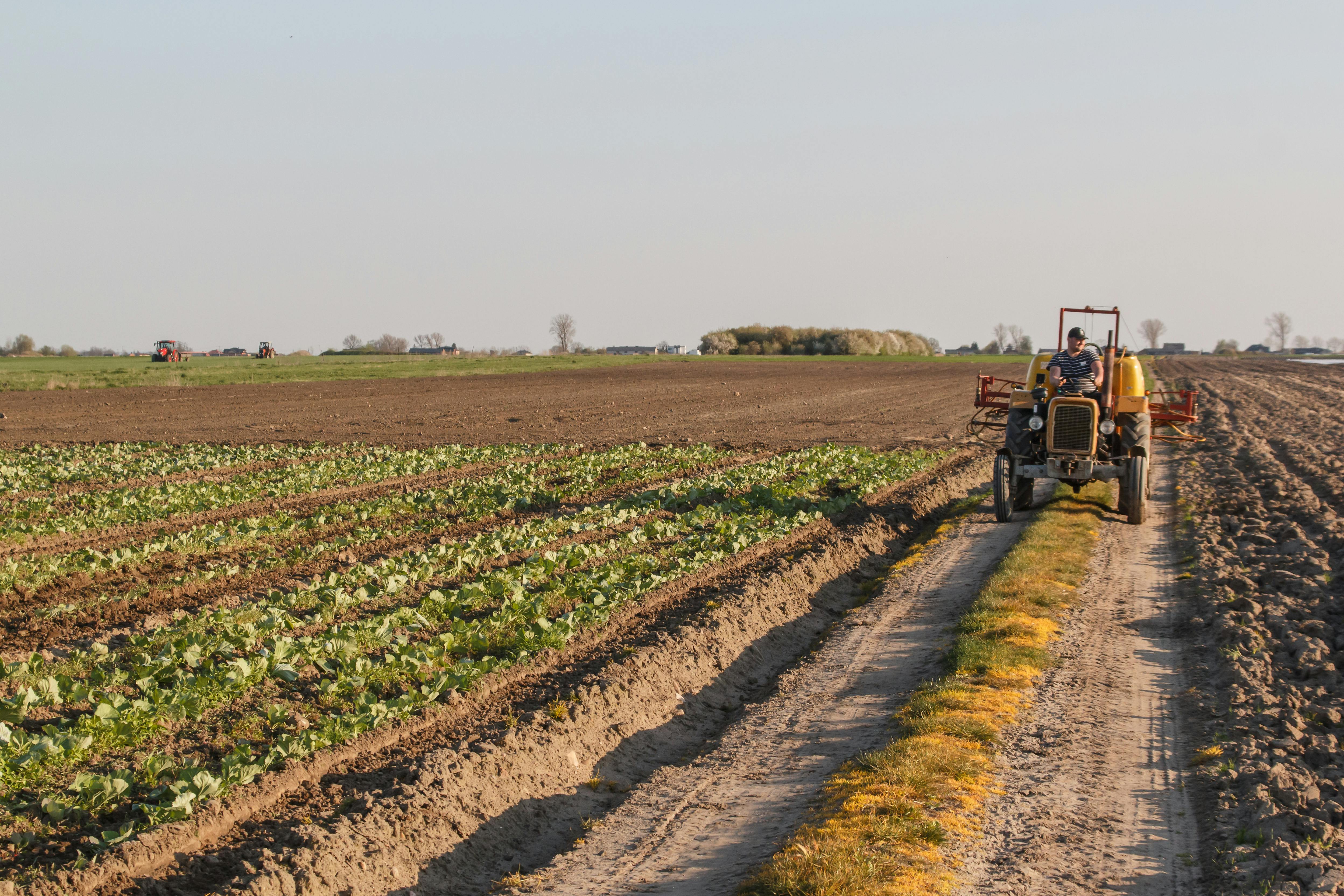
Implementing a dynamic crop rotation system requires a strategic approach, moving beyond simple alternating crops to a method that actively restores soil balance. Here are key insights and actionable strategies to revitalize your Kenyan farm.
Understanding Your Soil's Story: The Power of Testing
Before any intervention, knowing your soil's precise nutrient profile and pH level is paramount. Blindly applying fertilizers can exacerbate imbalances. Soil testing provides a roadmap, identifying deficiencies in zinc, phosphorus, and other vital minerals.
- Collect soil samples from various parts of your farm.
- Send samples to a certified agricultural laboratory for comprehensive analysis.
- Interpret results to understand specific nutrient ratios and pH.
- Based on the analysis, tailor your crop rotation and fertilization plan.
Boost your yields with the Sonkir Soil pH Meter, 3-in-1 Soil Tester Kit for Moisture, Light & pH – available on Amazon . This essential tool helps you quickly assess your soil's health on the spot, allowing for immediate, informed decisions on nutrient management.
Balancing Legumes with Mineral-Rich Fertilizers
While legumes are excellent for fixing atmospheric nitrogen, they also draw heavily on other soil nutrients. To counteract zinc and phosphorus depletion, integrate mineral-rich organic fertilizers into your rotation.
- Apply natural phosphate rock during the legume phase or before phosphorus-demanding crops.
- Consider organic micronutrient blends that specifically contain zinc.
- Incorporate well-rotted compost and farmyard manure to provide a broad spectrum of nutrients and improve soil structure.
- Ensure even distribution to prevent nutrient hot spots.
For farmers looking to enrich their soil naturally, consider Down To Earth Organic Rock Phosphate – available on Amazon . This slow-release phosphorus source is excellent for long-term soil health and a perfect complement to legume rotations.
Strategic Crop Sequencing for Nutrient Restoration
The sequence of crops is critical in a dynamic system. Beyond just nitrogen, think about nutrient uptake and release.
- Follow legumes with shallow-rooted, nutrient-scavenging crops to utilize residual nitrogen efficiently.
- Introduce calcium-heavy crops like kale, spinach, or indigenous vegetables to restore calcium levels and improve soil pH over time.
- Rotate with deep-rooted crops that can access nutrients from lower soil profiles, bringing them to the surface.
- Include cover crops in fallow periods to protect soil, suppress weeds, and add organic matter.
Explore sustainable organic farming solutions with Biofarm Kenya to learn more about tailored crop rotation plans and access expert advice specific to your farm's needs.
Case Studies: Success Stories in Kenyan Sustainable Farming
Across Kenya, pioneering farmers are demonstrating the tangible benefits of adopting dynamic crop rotation and sustainable agricultural practices. Their successes serve as powerful examples for the wider farming community.
The Organic Transformation of Mama Nanjala's Farm
In Kakamega County, Mama Nanjala, a smallholder farmer, faced declining maize yields due to continuous cultivation and suspected soil depletion. After attending a Biofarm Kenya workshop on soil health, she implemented a dynamic rotation. She started by soil testing, revealing low phosphorus and zinc. Her new plan included rotating maize with local legumes, followed by kale, and integrating phosphate rock and homemade compost. Within two seasons, her maize yields increased by 25%, and her kale was noticeably more vibrant. She now also practices intercropping with traditional herbs, enhancing biodiversity and pest control. This holistic approach significantly improved her farm's resilience and profitability, inspiring neighbors to adopt similar practices.
Harnessing Drip Irrigation in the Semi-Arid East
In Kitui County, where water scarcity is a constant challenge, the Kituo cha Kilimo Cooperative adopted a combination of dynamic crop rotation and efficient irrigation. They rotated drought-tolerant grains with hardy legumes and introduced indigenous vegetables. Crucially, they invested in drip irrigation systems, drastically reducing water usage while ensuring precise nutrient delivery. The cooperative also worked with the Ministry of Agriculture, Livestock and Fisheries Kenya to access soil testing services and guidance on appropriate organic amendments. This integrated approach stabilized their yields even during dry spells and improved soil organic matter. The Ministry of Agriculture continues to support such initiatives, promoting climate-smart agriculture across the country.
These examples underscore that with commitment, knowledge, and the right tools, Kenyan farmers can overcome soil health challenges and cultivate thriving, sustainable farms.
Common Mistakes to Avoid in Crop Rotation
While crop rotation is a powerful tool, certain pitfalls can negate its benefits. Being aware of these common mistakes can help Kenyan farmers optimize their practices for maximum impact.
Ignoring Soil Testing
One of the most frequent errors is implementing a rotation plan without first understanding the specific needs of your soil. Without a soil test, you might rotate crops but still fail to address underlying nutrient deficiencies or pH imbalances, leading to continued depletion. Always start with a comprehensive soil analysis.
Over-Reliance on a Single Crop Type
As highlighted by recent studies, an excessive focus on legumes for nitrogen fixation, without considering the draw on other minerals, is a critical mistake. This can lead to the very zinc and phosphorus depletion we are trying to avoid. Ensure your rotation includes a diverse range of crop families with varying nutrient demands and root depths.
Neglecting Organic Matter
Many farmers overlook the importance of continually replenishing soil organic matter. Crop residues, compost, and manure are not just waste; they are vital for improving soil structure, water retention, and nutrient availability. Failing to incorporate these can lead to compact soil and reduced microbial activity, hindering the overall effectiveness of your rotation.
Improper Timing and Sequence
The order and timing of crops matter. Planting heavy feeders consecutively, or not allowing sufficient time for soil recovery, can strain the land. Forgetting to plant cover crops during fallow periods leaves the soil exposed to erosion and nutrient leaching. Plan your sequence carefully, considering each crop's contribution to the soil ecosystem.
Inadequate Pest and Disease Management
While crop rotation naturally helps break pest and disease cycles, it's not a standalone solution. Farmers sometimes assume rotation alone will solve all pest problems, neglecting integrated pest management (IPM) strategies. Regular monitoring, promoting beneficial insects, and using organic pest control methods remain essential alongside rotation.
Expert Tips & Best Practices for Dynamic Crop Rotation
To truly harness the power of dynamic crop rotation, Biofarm Kenya experts recommend these practical and locally relevant tips, ensuring your farm thrives.
Tip 1: Adopt a Longer-Term Rotation Plan
Instead of a simple two-crop rotation, aim for a three to five-year plan. This longer cycle allows for greater diversity and more thorough soil recovery. For instance, a rotation could involve a cereal (maize/sorghum), followed by a legume (beans/cowpeas), then a root crop (potatoes/carrots), and finally a leafy green (kale/cabbage), with cover crops integrated when fields are fallow.
Tip 2: Prioritize pH Correction
Acidic soils are prevalent in many Kenyan regions and significantly reduce the availability of zinc and phosphorus. After soil testing, apply agricultural lime as recommended to raise the pH to optimal levels (6.0-7.0) for most crops. This small investment yields significant returns in nutrient uptake.
Tip 3: Embrace Green Manure and Cover Cropping
Don't leave your soil bare. Plant cover crops like crotalaria, sunn hemp, or even specific grasses during fallow seasons. These 'green manures' protect the soil from erosion, suppress weeds, and when tilled back into the soil, add vital organic matter and nutrients, improving soil structure and fertility.
To supercharge your organic matter, maintain healthy soil with Dr. Earth Final Stop Organic Compost Starter – available on Amazon . This product accelerates the composting process, turning your organic waste into nutrient-rich soil food faster.
Tip 4: Integrate Livestock (If Applicable)
If you keep livestock, integrate them into your farming system. Controlled grazing on cover crops or fallow fields can naturally fertilize the soil with manure. Additionally, farmyard manure, when properly composted, is an invaluable source of organic matter and balanced nutrients for your rotation.
Consider optimizing your water use with a reliable Rain Bird Drip Irrigation Watering Kit – available on Amazon . Efficient water delivery minimizes nutrient runoff and ensures your crops receive moisture precisely where and when they need it, crucial for dynamic rotation success.
Tip 5: Seek Local Expertise and Community Learning
Connect with agricultural extension officers, local farming cooperatives, and organizations like Biofarm Kenya. Share experiences, learn from successful neighbors, and attend workshops. Collective knowledge is a powerful tool for adapting dynamic crop rotation to local conditions.
Explore sustainable organic farming solutions with Biofarm Kenya for workshops, resources, and a network of farmers dedicated to advanced agricultural practices.
Future Trends: Innovation in Kenyan Sustainable Agriculture
The future of Kenyan agriculture is ripe with innovation, promising even more efficient and sustainable farming practices. These emerging trends will complement and enhance dynamic crop rotation, leading to a new era of productivity.
Smart Irrigation and Water Management
Beyond traditional drip systems, smart irrigation utilizes sensors and data analytics to precisely monitor soil moisture and crop needs. This technology can optimize water use, especially crucial in water-stressed regions, ensuring crops receive exactly the right amount of water, reducing waste and enhancing nutrient uptake.
Vertical Farming and Urban Agriculture
As urbanization continues, vertical farming and controlled-environment agriculture are gaining traction. These systems allow for high-density crop production in limited spaces, often with minimal water and land. While not replacing traditional farming, they offer solutions for local food security and specialized crop production in urban centers.
AI-Driven Crop Monitoring and Precision Agriculture
Artificial intelligence and drone technology are revolutionizing crop monitoring. AI-powered analytics can detect early signs of pest infestations, nutrient deficiencies, or disease outbreaks, allowing farmers to intervene precisely and quickly. This data-driven approach will make dynamic crop rotation even more targeted and effective, tailoring interventions to specific areas of a farm.
Biofortification and Indigenous Crop Revival
There's a growing focus on cultivating crops that are naturally rich in essential nutrients, like zinc and iron, through biofortification. Simultaneously, the revival of indigenous Kenyan crops, which are often highly nutritious and well-adapted to local conditions, offers diverse options for robust rotation plans and enhanced food security.
These trends, alongside the fundamental principles of dynamic crop rotation, paint a promising picture for a resilient, productive, and sustainable agricultural landscape in Kenya.
Conclusion: A Fertile Future for Kenyan Farms
The journey towards truly sustainable and productive agriculture in Kenya begins beneath our feet, with the health of our soil. Addressing the critical issue of zinc and phosphorus depletion, exacerbated by an over-reliance on traditional legume-heavy rotations, is not just a recommendation—it's an economic and ecological imperative. By embracing a dynamic crop rotation system, Kenyan farmers can proactively restore vital mineral balance, improve soil structure, and significantly boost their yields. The evidence, including findings from Jomo Kenyatta University (2025), clearly demonstrates a path to increased productivity by as much as 35% when these innovative methods are adopted.
The principles are clear: meticulous soil testing, strategic integration of mineral-rich inputs like phosphate rock, intelligent sequencing of diverse crops including calcium-heavy vegetables, and a commitment to continuous organic matter replenishment. These are not merely adjustments; they are a transformative approach to farming that honors the land while securing livelihoods. As we look to the future, the integration of smart technologies and a renewed focus on indigenous crops will further empower our farming communities.
Empower your farm with knowledge and the right tools. Discover trusted organic farming tools on Amazon and learn more about sustainable solutions with Biofarm Kenya . Together, we can cultivate a more fertile, resilient, and prosperous future for Kenyan agriculture.
FAQs: Your Questions Answered on Dynamic Crop Rotation
1. What is dynamic crop rotation?
Dynamic crop rotation is an advanced farming practice that goes beyond simply alternating crops. It involves strategically planning crop sequences over several years, considering each crop's nutrient uptake, root structure, and ability to improve soil health. The goal is to balance nutrient removal with nutrient replenishment, prevent pest and disease buildup, and enhance overall soil fertility and biodiversity. For more detailed information on crop rotation principles, refer to resources from the Food and Agriculture Organization of the United Nations (FAO) .
2. How does crop rotation help with soil nutrient depletion in Kenya?
In Kenya, traditional crop rotation often leads to depletion of specific nutrients like zinc and phosphorus, especially with an over-reliance on legumes. Dynamic crop rotation combats this by introducing non-leguminous, mineral-accumulating crops (like kale), applying targeted organic fertilizers such as phosphate rock, and correcting soil pH. This diversified approach ensures a balanced nutrient cycle, preventing the exhaustion of vital elements and improving long-term soil productivity. Learn more about soil health in Kenya from Kenya Agricultural & Livestock Research Organization (KALRO) .
3. Which crops are best for crop rotation in Kenya to restore zinc and phosphorus?
To restore zinc and phosphorus in Kenyan soils, consider rotating legumes with crops known for their specific nutrient benefits. Calcium-heavy leafy greens like kale, spinach, and traditional African vegetables can help restore overall mineral balance. Additionally, incorporating cereals like millet or sorghum (which have different nutrient demands) in sequence with legumes and root crops, along with organic amendments, contributes to a balanced nutrient profile. Soil testing is crucial to identify precise needs before selecting crops.
4. What is the role of soil testing in dynamic crop rotation?
Soil testing is the foundational step for any effective dynamic crop rotation system. It provides an accurate picture of your soil's current nutrient levels, organic matter content, and pH. This data allows farmers to precisely identify deficiencies (like low zinc or phosphorus) and excesses, enabling them to make informed decisions on which crops to plant, which organic fertilizers to apply, and how to amend soil pH, preventing guesswork and optimizing resource use. Biofarm Kenya offers guidance on accessing reliable soil testing services.
5. How can smallholder farmers implement dynamic crop rotation affordably?
Smallholder farmers can implement dynamic crop rotation affordably by focusing on readily available resources. This includes utilizing local organic materials for compost and manure, planting diverse indigenous crops that are well-adapted and require fewer external inputs, and employing simple soil testing kits or community-shared testing services. Phased implementation, starting with small plots, and learning from local agricultural extension services or farmer groups, can also make the transition manageable. Biofarm Kenya's partner network offers resources for affordable sustainable practices at Biofarm Kenya Partners .
6. What are the benefits of phosphate rock in Kenyan agriculture?
Phosphate rock is a natural, slow-release source of phosphorus, a vital nutrient for plant energy transfer, root development, and flowering. In Kenyan agriculture, where phosphorus depletion is a concern, applying finely ground phosphate rock can gradually enrich the soil without the rapid runoff associated with some synthetic fertilizers. It also helps buffer soil pH, making other nutrients more available. Its sustained release benefits crops over a longer period, making it a sustainable choice for long-term soil fertility management. Ensuring responsible use aligns with National Environment Management Authority (NEMA) guidelines for environmental sustainability.
References & Further Reading
- Food and Agriculture Organization of the United Nations (FAO) Kenya
- Ministry of Agriculture, Livestock and Fisheries Kenya
- Kenya Agricultural & Livestock Research Organization (KALRO)
- National Environment Management Authority (NEMA) Kenya
- Jomo Kenyatta University of Agriculture and Technology (JKUAT) - Department of Horticulture and Food Security
- Kenya Bureau of Standards (KEBS)


0 Comments