

Estimated Reading Time: 11 minutes
Table of Contents
Introduction: Cultivating Abundance Through Diversity
In Kenya, the rhythm of life often beats to the drum of agriculture. For generations, farmers have worked the land, striving to feed their families and contribute to the nation's food security. However, traditional farming methods, particularly monoculture, have increasingly led to pressing challenges: declining soil fertility, persistent pest outbreaks, and unpredictable yields. These issues threaten livelihoods and sustainable food production. Against this backdrop, Kenyan farmers are increasingly seeking alternatives to monoculture due to declining soil fertility and pest outbreaks, recognizing the urgent need for more resilient and productive farming systems.
This comprehensive guide is designed to empower farmers by training them to adopt smart intercropping strategies. Intercropping, the practice of growing two or more crops in proximity, offers a powerful solution to many modern agricultural dilemmas. By strategically pairing crops like maize with beans, or integrating desmodium in a 'Push-Pull' system, farmers can effectively break pest cycles, significantly improve nitrogen fixation in the soil, and crucially, boost overall yields by an impressive 20–30% (ICRISAT 2025). This guide will delve into practical steps, including optimal crop pairing strategies, effective spacing techniques, and integrated pest management approaches, all tailored for the Kenyan context. The benefits are clear and well-documented: evidence from 2025 KALRO (Kenya Agricultural and Livestock Research Organization) trials conclusively shows that intercropped farms utilized up to 30% less synthetic fertilizer while not only maintaining but often enhancing productivity. Join us as we explore how intercropping can transform your farm into a vibrant, sustainable, and highly productive ecosystem.
Background & Context: The Shifting Landscape of Kenyan Agriculture
Kenya's agricultural sector is the backbone of its economy, contributing over 25% to the Gross Domestic Product (GDP) and employing a significant portion of the population. Yet, it faces mounting pressure from climate change, land degradation, and the rising cost of inputs. Smallholder farmers, who constitute the majority, are particularly vulnerable. The reliance on monoculture—growing a single crop year after year—has exacerbated these problems, stripping the soil of vital nutrients and creating an ideal environment for specific pests and diseases to flourish.
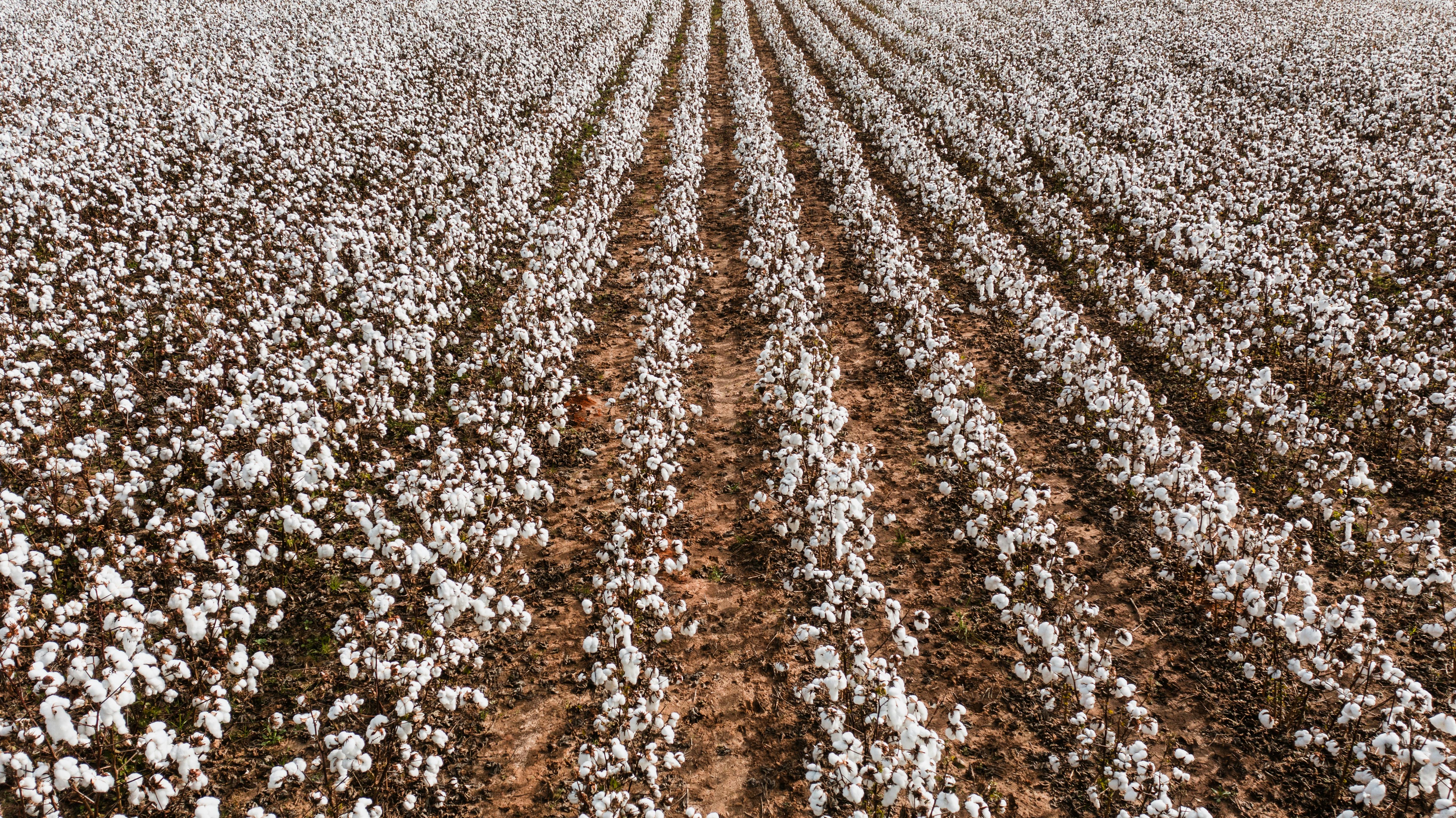
However, there's a growing movement towards sustainable agriculture, with organic farming gaining traction as farmers seek to rejuvenate their land and produce healthier food. Data from the Organic Agriculture Centre of Kenya (OACK) indicates a steady increase in certified organic farms and farmers adopting organic principles, driven by both market demand and a deeper understanding of ecological balance. Soil fertility, once taken for granted, is now a primary concern. Practices like composting, agroforestry, and intercropping are not merely trends but essential strategies for long-term viability. By integrating diverse plant species, farmers can harness natural processes to improve soil structure, enhance nutrient cycling, and create a more resilient agroecosystem.
Key Insights & Strategies for Successful Intercropping
Implementing intercropping effectively requires careful planning and an understanding of ecological principles. The goal is to create a symbiotic relationship between crops, where each plant contributes positively to the overall health and productivity of the system.
1. Intelligent Crop Pairing Strategies
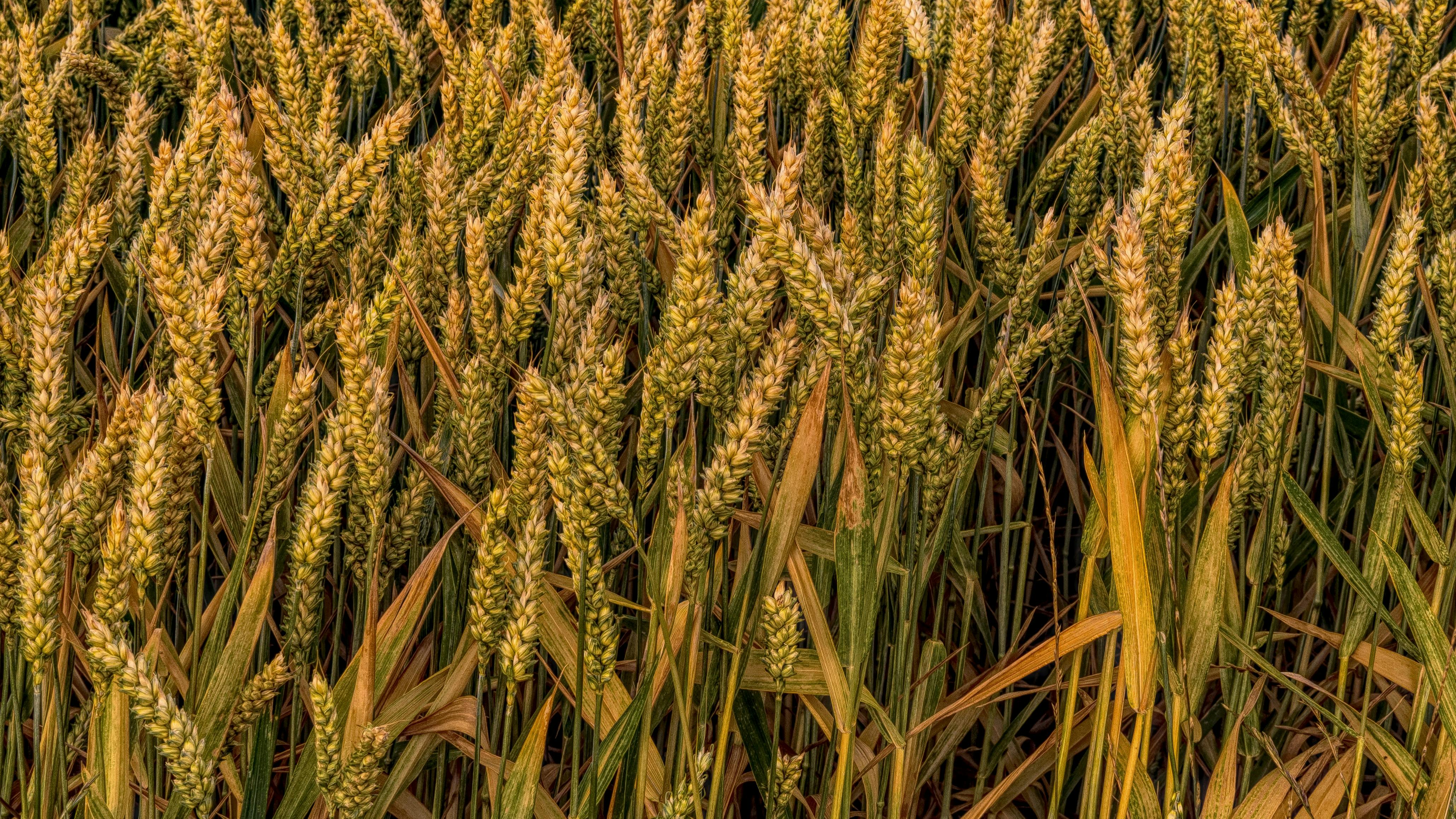
Choosing the right crop combinations is paramount. The best pairings involve crops with different growth habits, nutrient requirements, and pest deterrence capabilities.
- Maize and Legumes (Beans, Pigeon Peas, Cowpeas): This is perhaps the most classic and effective intercropping system in Kenya. Maize, a heavy nitrogen feeder, benefits immensely from nitrogen-fixing legumes like common beans. The beans, in turn, use the maize stalks for physical support and benefit from partial shade, suppressing weeds.
- Push-Pull Technology (Maize/Sorghum with Desmodium and Napier/Brachiaria Grass): Developed by ICIPE (International Centre of Insect Physiology and Ecology), this innovative strategy uses Desmodium as an intercrop to 'push' stemborer moths away from maize by emitting repellent odors. Napier or Brachiaria grass planted as a border crop 'pulls' the moths towards it, where they lay eggs, but the grass produces a sticky substance that traps the larvae, effectively killing them.
- Carrots and Onions: Onions deter pests that attack carrots, while carrots can help loosen the soil, benefiting the onions.
- Sukuma Wiki (Collard Greens) with other Vegetables: Intercropping Sukuma Wiki with fast-growing vegetables optimizes space and provides a diverse microclimate, reducing pest susceptibility.
To ensure your soil has the optimal foundation for these pairings, regular soil testing is crucial. Understanding your soil's pH and nutrient levels allows you to make informed decisions about amendments and crop rotation. For accurate and reliable readings, consider using a tool like the PooTe Accurate Soil pH Test Kit – available on Amazon, which provides fast and precise results.
2. Optimized Spacing and Planting Techniques
Proper spacing is crucial to prevent competition for light, water, and nutrients between intercropped plants.
- Row Intercropping: Plant crops in alternating rows. For maize-bean intercropping, plant one row of maize, then one or two rows of beans. Ensure enough space for light penetration for both crops.
- Strip Intercropping: Grow different crops in wide strips to allow for individual management while still benefiting from proximity.
- Relay Cropping: Plant the second crop into the field after the first crop has reached its reproductive stage but before it is harvested. This maximizes land use and extends the growing season.
- Staggered Planting: Plant crops with different maturity times. For instance, plant a fast-maturing vegetable alongside a slower-growing staple.
3. Integrated Pest and Disease Management
Intercropping naturally enhances biodiversity, which in turn supports natural pest control.
- Habitat for Beneficial Insects: Diverse plant mixes attract natural predators like ladybugs and parasitic wasps, which feed on common pests.
- Pest Deterrence: Certain plants emit compounds that repel pests from neighboring crops. Marigolds, for example, are known to deter nematodes and other harmful insects.
- Trap Cropping: As seen in the Push-Pull system, planting a 'trap crop' that is more attractive to pests can divert them away from your main crop.
- Disease Suppression: Increased plant diversity can create a less favorable environment for disease-specific pathogens, reducing their spread.
Maintaining healthy soil is a foundational step in organic pest control. Building up your soil's microbial life and organic matter helps plants become more resilient to pests. To kickstart this process, consider an organic compost starter like the Espoma CS4 Organic Compost Starter – available on Amazon, which accelerates decomposition and enriches your compost. Explore sustainable organic farming solutions with Biofarm Kenya for more resources on building healthy farm ecosystems.
Case Studies: Intercropping Success Stories in Kenya
The success of intercropping isn't just theoretical; it's being demonstrated on farms across Kenya, transforming livelihoods and promoting ecological resilience. These real-world applications underscore the potential of diverse cropping systems.
One compelling example comes from Western Kenya, where smallholder farmers adopting the maize-bean intercropping system have reported significant improvements. According to a 2023 report by the Food and Agriculture Organization (FAO) in Kenya, farmers participating in sustainable agriculture programs have seen their yields increase by an average of 25% when intercropping maize with climbing beans. This not only provided an additional food source but also enriched the soil with nitrogen, reducing the need for costly synthetic fertilizers. The added income from bean sales also provided a crucial economic buffer, improving household food security and income stability.
Another notable success is the widespread adoption of the Push-Pull technology, primarily in regions like Trans Nzoia, Busia, and Bungoma. Farmers who have integrated desmodium and Napier grass into their maize fields have witnessed dramatic reductions in stemborer infestations and Striga weed problems, two of the most devastating challenges for maize farmers. The International Centre of Insect Physiology and Ecology (ICIPE) has championed this technology, showing that farmers using Push-Pull can reduce stemborer damage by up to 80% and increase maize yields by 50-100% in Striga-infested areas (ICIPE, 2024). This innovation demonstrates how ecological understanding can lead to powerful, sustainable solutions, moving away from chemical dependence towards natural biological control.
In the drier parts of Eastern Kenya, particularly Kitui and Makueni counties, farmers are experimenting with drought-tolerant intercrops such as sorghum and pigeon peas. By planting these resilient crops together, they create a more diverse canopy that shades the soil, reduces water evaporation, and improves water retention. The deep root systems of pigeon peas also help to break up hardpans and bring nutrients from deeper soil layers to the surface, making them available for the shallower-rooted sorghum. This adaptive strategy has proven vital in maintaining productivity in the face of increasingly erratic rainfall patterns, offering a model for climate-resilient agriculture.
These case studies highlight that intercropping is not a one-size-fits-all solution but a flexible framework that can be adapted to various agro-ecological zones and farmer needs in Kenya. The common thread is a move towards diversified, resilient, and naturally productive farming systems.
Common Mistakes to Avoid
While intercropping offers immense benefits, certain pitfalls can hinder its success. Awareness and careful planning can help Kenyan farmers avoid these common errors.
- Poor Crop Selection: Intercropping with incompatible plants that compete excessively for light, water, or nutrients, or harbor similar pests, can lead to reduced yields for all crops. For example, pairing two heavy feeders like maize and sunflowers without adequate nutrient provision will stress both.
- Inadequate Spacing: Overcrowding is a common mistake. If crops are planted too close together, they will compete fiercely, resulting in stunted growth and lower yields. Proper spacing ensures each plant has access to sufficient resources and airflow, which is crucial for disease prevention.
- Neglecting Soil Health: Intercropping alone isn't a magic bullet if the underlying soil is depleted. Ignoring soil testing, organic matter replenishment, and balanced nutrient management will limit the potential benefits of crop diversity. The soil needs to be fed to feed the plants.
- Ignoring Pest and Disease Cycles: While intercropping helps manage pests, it's not foolproof. Failing to monitor for pest build-up, ignoring early signs of disease, or not understanding the life cycles of local pests can lead to significant crop losses, even in diversified systems.
- Insufficient Water Management: Different crops have varying water requirements. A common mistake is using a uniform irrigation approach for all intercropped plants, leading to over- or under-watering for some. Efficient water delivery is critical.
- Lack of Planning and Research: Jumping into intercropping without local knowledge or research on successful combinations for one's specific region and climate can lead to disappointing results. What works in one area of Kenya might not work in another without adaptation.
To correct these errors, farmers should:
- Research and Observe: Study recommended intercrop combinations for their specific region and observe successful practices of neighboring farmers.
- Plan Layout Carefully: Map out planting densities and row spacing beforehand, considering mature plant sizes and light requirements.
- Prioritize Soil Testing: Regularly test soil to understand its composition and nutrient deficiencies, then amend with organic fertilizers and compost.
- Implement Integrated Pest Management (IPM): Actively monitor crops, understand pest life cycles, and employ a combination of cultural, biological, and mechanical controls before resorting to organic sprays.
- Adopt Precision Irrigation: Utilize methods like drip irrigation, which delivers water directly to the plant roots, minimizing waste and ensuring optimal moisture levels for diverse crops. For small to medium-sized farms, investing in a reliable system can be transformative. The Drip Irrigation Kit for Small Farms – Deluxe, available on Amazon, offers a comprehensive solution for efficient water management.
Expert Tips & Best Practices for Maximizing Intercrop Benefits
To truly unlock the potential of intercropping, Kenyan farmers can adopt these expert tips and best practices, drawing on both traditional wisdom and modern agricultural science.
- Start Small and Experiment: Don't overhaul your entire farm at once. Begin with a small plot to test different intercrop combinations and observe their performance in your specific microclimate. This iterative approach allows for learning and adaptation.
- Focus on Legume-Cereal Intercropping: As highlighted, the synergy between cereals (like maize, sorghum) and legumes (beans, pigeon peas, cowpeas) is incredibly powerful. Legumes enrich the soil with nitrogen, benefiting the cereal, while the cereal provides structural support or partial shade. This reduces reliance on synthetic nitrogen fertilizers significantly.
- Incorporate Green Manures and Cover Crops: Even within an intercropping system, integrating green manures or cover crops during fallow periods or as living mulches can further boost soil organic matter, suppress weeds, and prevent erosion. This builds long-term soil health.
- Rotate Intercrop Systems: While intercropping itself provides diversity, rotating your intercrop combinations each season or year can prevent the build-up of specific pests and diseases, further improving soil health and nutrient cycling.
- Utilize Native Plant Knowledge: Leverage local knowledge about indigenous plants that can serve as companion crops, pest repellents, or attractants for beneficial insects. Traditional farming practices often hold valuable, context-specific insights.
- Invest in Quality Seeds and Healthy Seedlings: Strong, disease-free starting material is fundamental. Source seeds from reputable suppliers and ensure seedlings are robust before transplanting.
- Continuous Learning and Adaptation: Agricultural science is constantly evolving. Attend local agricultural workshops, read extension materials, and connect with other progressive farmers. Be open to adapting your strategies based on new information and your own farm's observations.
Effective pest control is a constant challenge for organic farmers. While intercropping naturally helps, additional measures might be needed for persistent crawling insects in your farm area. For such instances, a natural, physical deterrent like Garden Safe Diatomaceous Earth Insect Killer – available on Amazon can be a valuable tool, offering an organic approach to manage certain pests around your crop rows. Explore sustainable organic farming solutions with Biofarm Kenya to find resources and partnerships that support your journey towards ecological farming success.
Future Trends: Innovation in Sustainable Kenyan Farming
The future of Kenyan agriculture is increasingly intertwined with innovation, technology, and a deeper commitment to sustainability. Intercropping, while an ancient practice, is being revitalized and enhanced by modern advancements, promising even greater efficiency and resilience for farmers.
One major trend is the integration of Smart Irrigation Systems. As water scarcity becomes a more pressing issue, sensor-based technologies that monitor soil moisture and weather patterns will enable farmers to apply water precisely when and where it's needed. This precision reduces water waste significantly and ensures optimal moisture levels for diverse intercropped plants, each with its unique water requirements. Coupled with drip irrigation, smart systems can revolutionize water use efficiency. Imagine a farm where an automated system delivers the exact amount of water to your maize and beans, optimizing growth and conserving a precious resource. This technological leap ensures that every drop counts, making farming more productive and environmentally responsible.
Vertical Farming and Controlled Environment Agriculture (CEA) are gaining traction, especially in urban and peri-urban areas where land is limited. While not directly intercropping in the traditional sense, these systems can implement principles of plant synergy within stacked layers, maximizing yields in minimal space. They offer climate-resilient production, reducing dependence on unpredictable weather patterns.
The advent of AI-Driven Crop Monitoring and Analytics will empower farmers with unprecedented insights. Drones equipped with multispectral cameras can detect early signs of pest infestations, nutrient deficiencies, or disease outbreaks across large intercropped fields. AI algorithms can then analyze this data to provide precise, actionable recommendations, allowing farmers to intervene proactively and sustainably. This could mean identifying a specific patch where a companion crop isn't deterring pests as effectively as expected, or where a particular intercrop combination is showing signs of nutrient stress.
Furthermore, research into Advanced Biological Inputs is accelerating. This includes new strains of biofertilizers, improved microbial inoculants, and highly specific biopesticides derived from natural sources. These innovations will further reduce reliance on synthetic chemicals, boosting the natural pest resistance and nutrient cycling capabilities inherent in well-managed intercropping systems. The focus is shifting towards enhancing the plant's natural defenses and the soil's inherent fertility, rather than external chemical interventions.
Finally, the rise of Farmer Cooperatives and Digital Marketplaces will connect sustainable farmers with consumers seeking organically grown, ethically sourced produce. This direct link will provide better returns for farmers practicing intercropping and other sustainable methods, incentivizing the adoption of these beneficial practices. The future of Kenyan farming is not just about growing food, but growing it smarter, greener, and more profitably for the benefit of all.
Conclusion: A Diverse Future for Kenyan Farms
Intercropping stands as a beacon of hope and a practical solution for Kenyan farmers navigating the complexities of modern agriculture. This guide has illuminated how embracing diversity on the farm—through intelligent crop pairing, optimized spacing, and robust organic practices—can directly address critical challenges such as declining soil fertility, rampant pest outbreaks, and the ever-present need to boost yields sustainably. We've seen how strategic intercropping, like the classic maize-bean combination or the innovative Push-Pull system, not only enhances productivity by 20–30% but also significantly reduces the need for costly synthetic fertilizers, as demonstrated by the promising 2025 KALRO trials.
The journey towards sustainable and highly productive farming is continuous. It requires commitment, a willingness to learn, and the adoption of practices that work in harmony with nature. By incorporating intercropping into your farming repertoire, you are not just planting crops; you are cultivating resilience, enriching your soil, protecting your environment, and securing a more prosperous future for your farm and community. The blend of traditional ecological wisdom and modern agricultural insights offers a powerful path forward for Kenyan agriculture.
Discover trusted organic farming tools on Amazon and learn more about sustainable solutions with Biofarm Kenya. Empower your farm with knowledge and the right resources for a thriving, diverse future.
FAQs: Your Intercropping Questions Answered
Q1: What are the primary benefits of intercropping for Kenyan smallholder farmers?
A: Intercropping offers multiple benefits, including increased overall yield per unit area, improved soil fertility through nitrogen fixation by legumes, enhanced pest and disease control due to increased biodiversity, better weed suppression, and more efficient use of resources like water and sunlight. It also diversifies income streams and enhances farm resilience against climate shocks. Learn more about intercropping benefits from the FAO.
Q2: Which crops are best suited for intercropping in Kenya's different agro-ecological zones?
A: The best combinations vary by zone. In high-potential areas, maize and beans, maize and fodder crops (like desmodium for Push-Pull), or various vegetable combinations (e.g., sukuma wiki with onions) are common. In semi-arid regions, drought-tolerant options like sorghum with pigeon peas or cowpeas are highly effective. Always consider local climate, soil type, and crop growth habits. Consult KALRO for region-specific recommendations.
Q3: How does intercropping help reduce the need for synthetic fertilizers?
A: Leguminous crops, a common component in intercropping systems, have a symbiotic relationship with soil bacteria that convert atmospheric nitrogen into a form usable by plants (nitrogen fixation). This natural process enriches the soil with nitrogen, making it available for neighboring non-leguminous crops, thus significantly reducing or even eliminating the need for synthetic nitrogen fertilizers. Discover how nitrogen fixation benefits your farm with Biofarm Kenya.
Q4: What role does companion planting play in intercropping pest management?
A: Companion planting, a key aspect of intercropping, involves strategically placing certain plants together to deter pests, attract beneficial insects (predators of pests), or even mask the scent of vulnerable crops. For instance, planting marigolds can repel nematodes, while strong-smelling herbs like garlic or onions can confuse pests that target neighboring vegetables. This creates a natural defense mechanism, reducing reliance on chemical pesticides. Explore ICIPE's work on integrated pest management.
Q5: Are there any specific challenges or drawbacks to adopting intercropping in Kenya?
A: While beneficial, intercropping can present challenges such as increased labor requirements during planting and harvesting, potential competition between crops if not properly managed, and the need for greater knowledge in selecting compatible species and optimal spacing. It might also require a shift in mindset from conventional monoculture practices. However, with proper planning and training, these challenges are largely surmountable. Read about agricultural challenges and solutions in Kenya.
Q6: Where can Kenyan farmers find further training and resources on intercropping and sustainable farming?
A: Kenyan farmers can access valuable resources from organizations like KALRO (Kenya Agricultural and Livestock Research Organization), ICIPE (International Centre of Insect Physiology and Ecology), and local agricultural extension services. Non-governmental organizations promoting sustainable agriculture also offer training and support. Biofarm Kenya provides extensive resources, workshops, and partnerships. Explore sustainable organic farming solutions with Biofarm Kenya for hands-on training and community support.
Additional Resources from Biofarm Kenya:
- Biofarm Kenya Blog: Comprehensive Guide to Soil Health
- Biofarm Kenya Shop: Premium Organic Fertilizers
- Biofarm Kenya Blog: Natural Pest Control Methods for Your Farm
- Biofarm Kenya Resources: Drip Irrigation System Setup Guide
- Biofarm Kenya Workshops: Agroforestry for Increased Farm Productivity
- Biofarm Kenya Community: Local Farmer Success Stories


0 Comments