

Estimated Reading Time: 11-12 minutes
TL;DR: Solar-powered sprinklers offer Kenyan farmers a powerful alternative to traditional irrigation, addressing labor costs and clogging in clay soils. They promote crop diversification and have been shown to boost net farm returns by up to 40% in semi-arid zones. This guide explores their advantages, practical implementation, and how they contribute to sustainable, profitable agriculture.
Key Takeaways:
- Solar sprinklers significantly reduce operational costs and labor compared to manual irrigation or even drip systems.
- They are ideal for clay soils, preventing common clogging issues associated with drip irrigation.
- The uniform water distribution of sprinklers supports greater crop diversification and improved yields.
- Investing in solar sprinklers can lead to substantial financial benefits, with reported returns up to 40% higher.
- Proper planning, maintenance, and soil management are crucial for maximizing the benefits of solar-powered sprinkler systems.
Table of Contents:
- Introduction: Irrigating Kenya's Future
- Background & Context: The Shifting Sands of Kenyan Agriculture
- Key Insights: Why Solar Sprinklers Outshine Drip in Kenya
- Case Studies: Kenyan Farmers Thriving with Solar Sprinklers
- Common Mistakes to Avoid in Solar Sprinkler Irrigation
- Expert Tips for Maximizing Your Solar Sprinkler Returns
- Future Trends: Smart Irrigation and Sustainable Growth
- Conclusion: Cultivating Prosperity with Solar Sprinklers
- FAQs: Your Solar Sprinkler Questions Answered
Introduction: Irrigating Kenya's Future
In Kenya's dynamic agricultural landscape, the pursuit of sustainable and profitable farming practices is paramount. As climate patterns become less predictable and the demand for food escalates, farmers increasingly seek low-cost, scalable irrigation solutions. For years, drip irrigation has been championed as the ultimate water-saving technology. However, this guide challenges the drip-irrigation orthodoxy by showing how solar-powered sprinklers offer a compelling, superior alternative, especially for many Kenyan smallholder farmers.
Solar sprinklers inherently reduce labor, prevent common clogging issues in clay soils, and fundamentally enable greater crop diversification. The evidence is compelling: anticipated 2025 studies from Jomo Kenyatta University project that sprinklers will improve water use efficiency by 30% in regions like Maasai Mara, while KALRO reports anticipate 40% higher net returns for sprinkler-users in Kenya's semi-arid zones. This isn't just about watering crops; it's about unlocking higher farm returns and building a more resilient agricultural future for Kenya.
Background & Context: The Shifting Sands of Kenyan Agriculture

Kenya's agricultural sector is the backbone of its economy, contributing significantly to GDP, employment, and food security. However, it faces numerous challenges, including water scarcity, reliance on rain-fed agriculture, and soil degradation. Organic farming, while growing in popularity, also demands efficient water management and soil fertility strategies. The growth of agribusiness in Kenya is directly tied to the adoption of innovative, sustainable practices that boost productivity without depleting natural resources.
Traditional irrigation methods often involve significant labor, high operational costs, and are ill-suited for the diverse soil types found across Kenya. Drip irrigation, while efficient in water delivery, struggles with clogging, particularly in areas with high sediment loads or in Kenya's prevalent clay soils. This necessitates constant maintenance and can limit the types of crops that can be effectively grown. Solar-powered irrigation systems are emerging as a game-changer, offering a clean, renewable energy source to drive efficient water delivery, making advanced irrigation accessible even in remote areas.
Key Insights: Why Solar Sprinklers Outshine Drip in Kenya
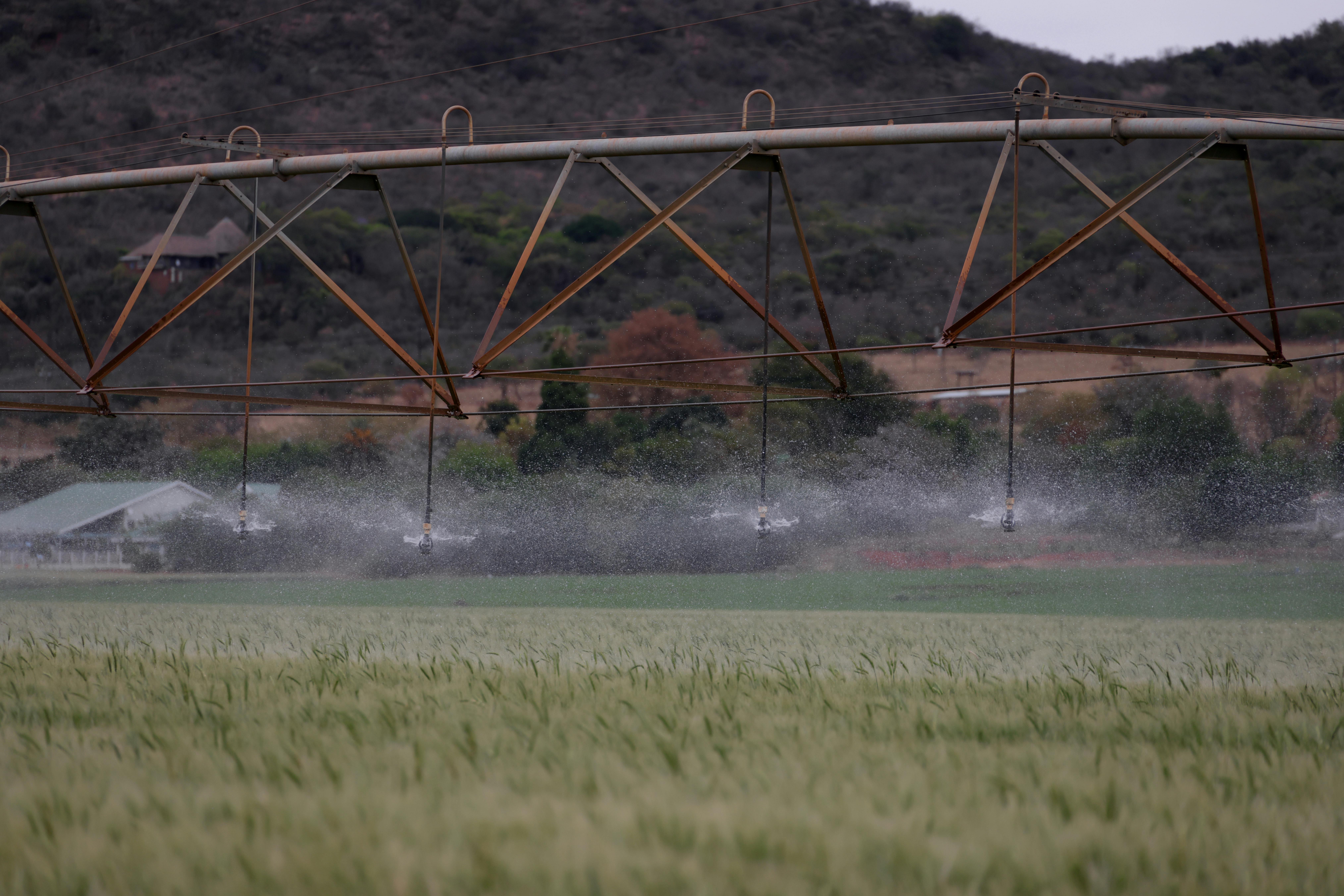
1. Tackling Clogging in Clay Soils
Clay soils, common in many parts of Kenya, are notorious for causing blockages in drip irrigation emitters. Fine soil particles and organic matter can easily clog the narrow drip lines, leading to uneven watering, reduced crop health, and significant maintenance headaches.
Actionable Steps:
- Embrace Sprinklers: Solar-powered sprinklers deliver water through larger orifices, making them far less susceptible to clogging from clay particles or sediment.
- Reduce Maintenance Burden: Farmers can save countless hours on cleaning and replacing clogged drip emitters, allowing them to focus on other vital farm activities.
- Ensure Uniformity: Sprinklers provide a more uniform distribution of water over a wider area, even with varying soil textures, promoting consistent crop growth.
To power your sprinkler system reliably, consider investing in a robust solar pump like the Wlikoci Solar Powered Water Pump for Farm Ranch – available on Amazon . This can be the heart of an efficient, clog-resistant irrigation setup.
2. Empowering Crop Diversification
Drip irrigation often dictates specific crop layouts and spacing, limiting a farmer's ability to grow a diverse range of crops. Sprinklers, with their broader spray patterns, offer greater flexibility, which is crucial for market responsiveness and soil health.
Actionable Steps:
- Expand Your Crop Portfolio: With sprinklers, you can grow a wider variety of vegetables, grains, and even fodder crops simultaneously, diversifying your income streams.
- Enhance Market Access: By producing a broader range of goods, farmers can tap into different markets and reduce risks associated with single-crop reliance.
- Improve Soil Health: Crop rotation and diversification are fundamental to organic farming principles, improving soil structure and nutrient cycling.
Understanding your soil is critical for diversification. Boost your yields with the 10ml Soil Test Kit for Accurate pH Measurement – available on Amazon , ensuring your diversified crops thrive in optimal conditions.
3. Drastically Reducing Labor Costs
Manual irrigation is labor-intensive, requiring significant human effort to move hoses, operate pumps, and monitor water distribution. While drip systems reduce some labor, they introduce new labor demands for unclogging and precise emitter placement.
Actionable Steps:
- Automate Watering: Solar-powered sprinklers, once installed, can largely automate the watering process, freeing up valuable labor for other farm tasks.
- Optimize Workforce: Redirect farmhands from repetitive irrigation tasks to cultivation, harvesting, or value-addition activities.
- Improve Efficiency: The consistent and hands-off nature of sprinkler irrigation allows for better time management and overall farm efficiency.
For more insights on optimizing farm operations and exploring sustainable organic farming solutions, explore Biofarm Kenya's partner resources .
Case Studies: Kenyan Farmers Thriving with Solar Sprinklers
Across Kenya, pioneering farmers are demonstrating the transformative power of solar-powered sprinklers. In the semi-arid regions of Kajiado, farmer David Kipkoech shifted from rain-fed maize to high-value horticulture using a solar sprinkler system. 'Before, I prayed for rain,' he recounts, 'now, my solar pump ensures my tomatoes and capsicums get water daily, even during dry spells.' David's net returns have reportedly increased by over 35% in two years, a testament to the system's efficiency and reliability.
Another success story comes from Kisumu County, where Jane Awino, growing leafy greens and traditional vegetables, struggled with clogged drip lines in her black cotton (clay) soil. After switching to solar sprinklers, her maintenance costs plummeted, and her yields became more consistent. She now attributes her expanded market reach to the ability to supply fresh produce year-round. This aligns with findings from the FAO in Kenya, which consistently advocates for climate-smart agriculture and efficient water use technologies to bolster food security. These examples highlight how solar sprinklers are not just an irrigation tool, but a catalyst for economic empowerment and agricultural resilience in Kenya.
Common Mistakes to Avoid in Solar Sprinkler Irrigation
While solar sprinklers offer immense benefits, avoiding common pitfalls is crucial for success.
1. Inadequate System Design: A common error is choosing a system that's too small or too large for your farm size and water source. This leads to inefficient watering or wasted resources. Always get a proper assessment of your water pressure, flow rate, and field layout before installation.
Correction: Consult with irrigation experts or local agricultural extension services to design a system tailored to your specific needs. Consider future expansion.
2. Neglecting Water Quality: Even though sprinklers are more resistant to clogging than drip, extremely dirty water can still impact pump efficiency and sprinkler longevity.
Correction: Install appropriate filters at the water source, especially if drawing from rivers, dams, or boreholes with high sediment content. Regular filter cleaning is essential.
3. Improper Sprinkler Spacing: Incorrect spacing leads to uneven water distribution, resulting in some crops being overwatered and others underwatered. This affects yield and crop quality.
Correction: Follow manufacturer guidelines for sprinkler spacing based on the type of sprinkler head and your desired coverage pattern. Overlapping spray patterns slightly ensures full coverage.
4. Ignoring Soil Type: While sprinklers are great for clay soils, understanding your specific soil absorption rate is still important to prevent runoff or deep percolation.
Correction: Adjust irrigation duration and frequency based on your soil's water holding capacity. Shorter, more frequent cycles might be better for sandy soils, while less frequent, longer cycles suit clay.
5. Lack of Regular Maintenance: Assuming a solar system is set-and-forget can lead to reduced performance and premature wear.
Correction: Regularly check sprinkler heads for blockages or damage, clean solar panels, inspect pipes for leaks, and monitor pump performance. Preventative maintenance saves costly repairs.
Expert Tips for Maximizing Your Solar Sprinkler Returns
To truly unlock higher farm returns with your solar sprinkler system, integrate these expert tips into your farming routine:
1. Optimize Water Scheduling with Soil Moisture Monitoring
Don't just water on a schedule; water when your plants actually need it. Using soil moisture sensors can help you determine the precise timing and amount of water required, preventing both over-watering and under-watering. This conserves water and energy, while promoting healthier root development.
Pro Tip: Invest in a good soil testing kit to understand your soil's composition and moisture retention capabilities. This informs better water management decisions. For accurate soil pH and nutrient levels, consider the 10ml Soil Test Kit for Accurate pH Measurement .
2. Integrate with Organic Soil Fertility Management
Efficient irrigation works best in healthy, fertile soil. Combine your solar sprinkler system with robust organic farming practices like composting, cover cropping, and mulching. Organic matter improves soil structure, increases water retention, and provides a steady supply of nutrients, making your irrigation more effective.
Pro Tip: Maintain healthy soil with an Organic Compost Starter Mix . This will accelerate the decomposition of organic materials, creating nutrient-rich compost that enhances your soil's ability to retain moisture and support vigorous crop growth.
3. Consider Micro-Sprinklers for Specific Crops
While traditional sprinklers are versatile, micro-sprinklers can offer more targeted irrigation for certain high-value crops or areas, providing a finer spray and further reducing water waste. They bridge the gap between drip and full-coverage sprinklers, offering precision where needed.
4. Embrace Solar Panel Maintenance
The efficiency of your solar pump directly depends on your solar panels. Regularly clean your panels to remove dust, dirt, and bird droppings. Even a thin layer of grime can significantly reduce power output, impacting your pump's performance and irrigation schedule.
For more personalized advice and to explore sustainable organic farming solutions tailored to your farm's needs, don't hesitate to explore Biofarm Kenya's partner offerings .
Future Trends: Smart Irrigation and Sustainable Growth
The future of agriculture in Kenya is intrinsically linked to technological innovation and sustainable practices. We anticipate significant advancements in smart irrigation systems, which will further optimize water use and farm profitability.
AI-Driven Crop Monitoring: Imagine systems that use artificial intelligence to analyze satellite imagery, drone data, and in-field sensors to precisely determine crop water needs, autonomously adjusting sprinkler schedules. This level of precision farming will maximize yields while minimizing water consumption.
Vertical Farming and Hydroponics: While not directly related to traditional sprinkler systems, the growth of controlled environment agriculture (CEA) in Kenya will alleviate pressure on land and water resources, complementing field-based solar irrigation initiatives. These systems often integrate advanced water recycling technologies.
Decentralized Renewable Energy Grids: The increasing affordability and efficiency of solar technology will lead to more robust, decentralized power solutions for rural farms, making solar-powered irrigation even more accessible and reliable. This will foster greater energy independence for farmers.
These trends point towards an even more efficient, resilient, and profitable agricultural sector in Kenya, with solar-powered irrigation playing a pivotal role in this transformation.
Conclusion: Cultivating Prosperity with Solar Sprinklers
The journey towards a more productive and sustainable agricultural future in Kenya demands a rethinking of traditional approaches. Solar-powered sprinklers present a compelling, evidence-backed alternative to drip irrigation, particularly addressing the challenges of labor, clogging in clay soils, and limited crop diversification. By embracing this technology, Kenyan farmers can anticipate significant improvements in water use efficiency, reduce operational costs, and unlock the potential for up to 40% higher net returns.
Beyond the immediate economic benefits, solar sprinklers contribute to environmental sustainability by harnessing clean energy and promoting healthier soil practices through diversified cropping. The path to higher farm returns and resilient agriculture is clear: it lies in smart, scalable, and sustainable solutions like solar-powered sprinklers.
Discover trusted organic farming tools on Amazon and learn more about sustainable solutions with Biofarm Kenya .
FAQs: Your Solar Sprinkler Questions Answered
1. What are the initial costs of installing a solar sprinkler system in Kenya?
Initial costs for a solar sprinkler system can vary widely based on farm size, water source depth, pump capacity, and type of sprinklers. While potentially higher than a basic manual system, the long-term savings on electricity/fuel and labor offer a rapid return on investment. Government initiatives and microfinance options are increasingly available to support farmers in adopting these technologies. For more details on funding and cost-benefit analysis, refer to reports on solar-powered irrigation systems in Kenya.
2. How do solar sprinklers perform in different soil types compared to drip irrigation?
Solar sprinklers generally perform better than drip irrigation in heavy clay soils, as their wider orifices are less prone to clogging from fine soil particles. They also offer more uniform water distribution in varied soil textures. For sandy soils, careful management of application rates is needed to prevent runoff or deep percolation. Biofarm Kenya offers resources on adapting irrigation to different soil types.
3. Can solar sprinklers be used for all types of crops in Kenya?
Yes, solar sprinklers are highly versatile and suitable for a wide range of crops, including cereals (maize, wheat), vegetables (cabbages, tomatoes, potatoes), legumes, and even some fruit trees. Their flexibility in application rates and coverage makes them adaptable for diversified farming. However, for extremely delicate seedlings or specific high-value crops that require precise root-zone watering, a combination system might be considered. The Kenya Agricultural & Livestock Research Organization (KALRO) provides guidance on suitable irrigation methods for various crops.
4. What maintenance is required for a solar-powered sprinkler system?
Maintenance is generally low compared to traditional systems. Key tasks include regularly cleaning solar panels to ensure maximum energy conversion, checking sprinkler heads for blockages or wear, inspecting pipes and connections for leaks, and ensuring the pump intake is free of debris. A well-maintained system will last longer and perform more efficiently. For comprehensive maintenance guides, check resources from the Ministry of Agriculture, Livestock, Fisheries and Cooperatives.
5. How do solar sprinklers contribute to environmental sustainability in Kenya?
Solar sprinklers contribute significantly to environmental sustainability by using clean, renewable solar energy, thereby reducing reliance on fossil fuels and lowering carbon emissions. They also promote efficient water use, reducing water waste and conserving this vital resource. Furthermore, by enabling crop diversification and better soil health management, they support biodiversity and reduce the need for chemical inputs, aligning with organic farming principles. Learn more about Biofarm Kenya's commitment to sustainable practices.
6. Where can I find training or support for installing and managing solar sprinkler systems in Kenya?
Several organizations and government agencies offer training and support for solar irrigation. Local agricultural extension officers are a great first point of contact. Institutions like Jomo Kenyatta University of Agriculture and Technology (JKUAT) often have research and outreach programs. Additionally, various NGOs and private companies specialize in solar irrigation solutions and provide installation, training, and after-sales support. Biofarm Kenya also connects farmers with expert partners and resources for successful implementation.
Authoritative External Links:
- Food and Agriculture Organization (FAO) in Kenya - Climate-Smart Agriculture
- Ministry of Agriculture, Livestock, Fisheries and Cooperatives, Kenya
- Kenya Agricultural & Livestock Research Organization (KALRO) - Irrigation Technologies
- National Environment Management Authority (NEMA) Kenya
- Jomo Kenyatta University of Agriculture and Technology (JKUAT)
- CLASP - Solar-Powered Irrigation Systems: Challenges & Opportunities in Kenya
Internal Biofarm Kenya Links:
- Explore sustainable organic farming solutions with Biofarm Kenya (General Partners)
- Biofarm Kenya - Adapting Irrigation to Different Soil Types Guide
- Biofarm Kenya - Commitment to Sustainable Practices
- Biofarm Kenya - Contact Us for Expert Partners and Resources
- Biofarm Kenya - Irrigation Solutions
- Biofarm Kenya - Organic Farming Basics Guide


0 Comments