

Estimated Reading Time: 11 minutes
TL;DR: Kenyan farmers are dramatically improving their livelihoods by embracing legume intercropping, a sustainable practice that boosts soil fertility, reduces pests, and diversifies income. This shift, backed by KALRO research, is leading to a remarkable 40% increase in net profits compared to traditional monoculture, proving that ecological farming is also economically smart. By strategically planting legumes like cowpeas and pigeon peas alongside maize, farmers are naturally enriching their soils with nitrogen, breaking pest cycles, and securing multiple harvests, paving the way for a more resilient and profitable agricultural sector in Kenya.
Key Takeaways:
- Legume intercropping boosts soil nitrogen levels by up to 30%, reducing the need for expensive synthetic fertilizers.
- This method significantly cuts down on pest outbreaks by diversifying the farm ecosystem and breaking disease cycles.
- Farmers adopting intercropping report an average of 40% higher net profits due to increased yields, diversified crops, and lower input costs.
- Key steps include careful spacing, selecting suitable legume varieties, and integrating legumes into crop rotation for sustained benefits.
- Intercropping builds agricultural resilience, offering a robust solution against climate change impacts and market fluctuations in Kenya.
Table of Contents:
Introduction
In the vibrant agricultural landscapes of Kenya, a silent revolution is underway. For generations, monoculture maize farming has been the backbone of many smallholder livelihoods, but its limitations – declining soil fertility, escalating pest problems, and unpredictable yields – have become increasingly apparent. However, a promising and sustainable alternative is now gaining significant traction: legume intercropping. Indeed, Kenyan farmers are increasingly abandoning traditional monoculture maize farming for intercropping legumes like cowpeas and pigeon peas. This transformative shift is not merely an academic concept; it's a practical, field-proven strategy that is redefining agricultural profitability and sustainability across the nation. This shift, supported by 2025 KALRO studies, boosts soil nitrogen levels by 30% while reducing pest outbreaks.
This article delves deep into how intercropping, particularly with legumes, is empowering farmers to achieve higher yields, improve soil health, and significantly boost their incomes. We will explore the scientific backing, practical applications, and remarkable success stories emerging from Kenya, challenging the long-held myth that single-crop systems maximize yields and demonstrating that ecological farming can indeed be more profitable.
Background & Context
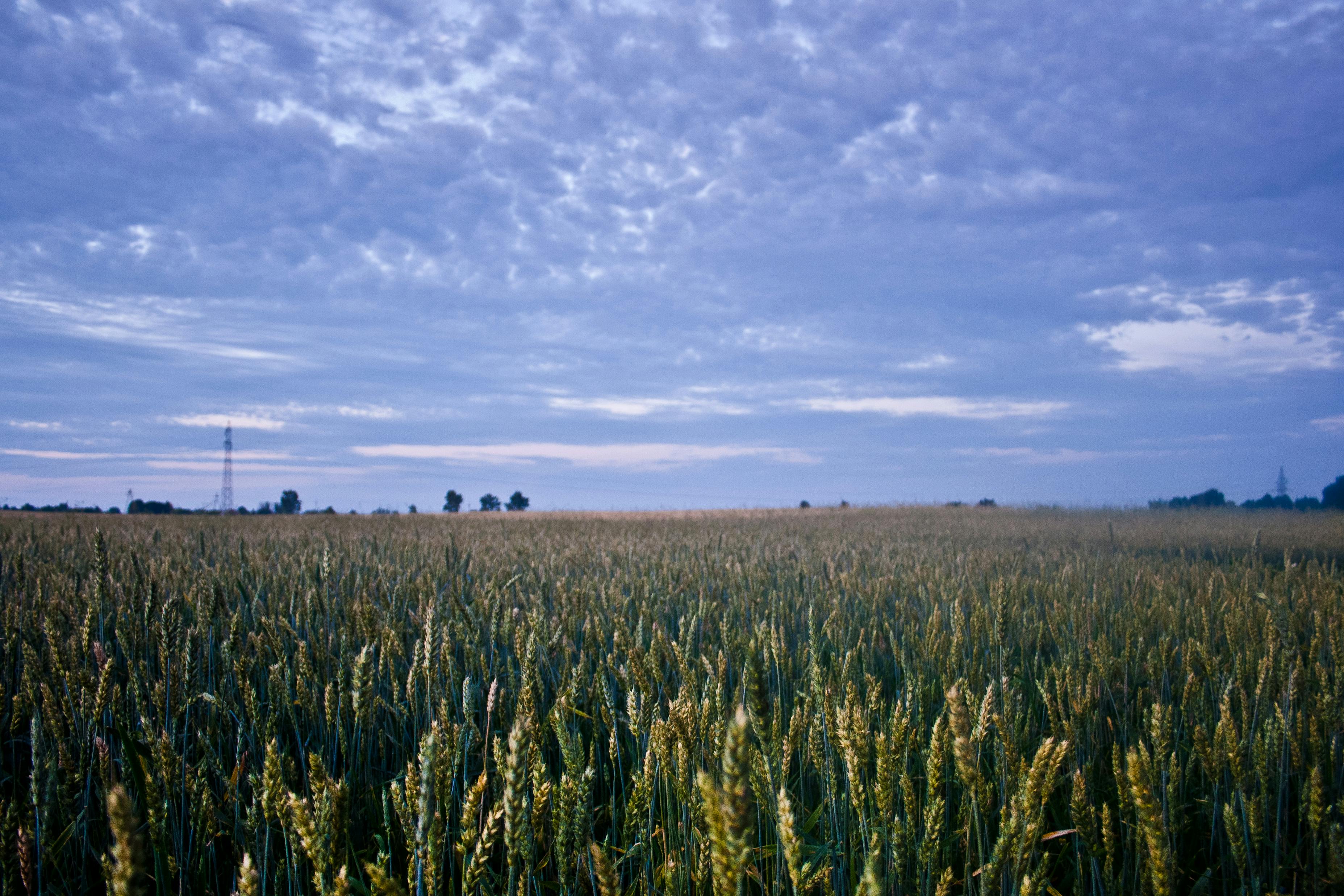
Kenya's agricultural sector is the backbone of its economy, contributing over 25% to the Gross Domestic Product (GDP) and employing more than 70% of the rural population. Despite its critical role, the sector faces numerous challenges, including soil degradation, climate change vulnerability, and reliance on expensive synthetic inputs. Traditional farming methods, often characterized by monocropping, have inadvertently contributed to these issues by depleting soil nutrients and creating environments ripe for pest infestations.
However, there's a growing movement towards sustainable agricultural practices. Organic farming, while still a niche, is expanding, driven by increasing consumer demand for healthy food and a recognition of its long-term benefits. According to the FAO, sustainable land management practices, including intercropping, are crucial for enhancing food security and mitigating climate change impacts in sub-Saharan Africa. Kenyan institutions like KALRO have been at the forefront of researching and promoting these methods, providing invaluable data that underscores the effectiveness of legume intercropping in rebuilding soil fertility and enhancing biodiversity. This shift is particularly vital as farmers seek to minimize reliance on external inputs, making their operations more resilient and economically viable. The concept of intercropping isn't new; it's a time-tested agroecological practice that is now being revitalized with modern scientific understanding to meet contemporary agricultural demands.
Key Insights & Strategies for Legume Intercropping

Legume intercropping is more than just planting two crops together; it's a carefully planned ecological strategy that harnesses natural synergies for mutual benefit. The core principle lies in the legumes' ability to fix atmospheric nitrogen into the soil, a process facilitated by symbiotic bacteria in their root nodules. This natural fertilization reduces the need for synthetic nitrogen fertilizers, which are often costly and can contribute to environmental pollution.
Boosting Soil Nitrogen & Health
- Select Appropriate Legumes: Choose legumes well-suited to your local climate and soil conditions, such as cowpeas, pigeon peas, common beans, or groundnuts. Consider their growth habits (bushy vs. climbing) to minimize competition with the main crop.
- Strategic Planting Patterns: Plant legumes between maize rows, ensuring adequate spacing to allow both crops to thrive without excessive competition for light, water, and nutrients. Row intercropping or strip intercropping are common effective methods.
- Enhance Microbial Activity: Healthy soil is crucial for nitrogen fixation. Regular application of compost or organic matter can significantly improve soil structure and microbial life. For farmers seeking to optimize their soil, the Compost Accelerator & Activator – available on Amazon can significantly speed up the decomposition process, enriching your soil with vital nutrients.
Natural Pest and Disease Reduction
- Diversify the Farm Ecosystem: The varied canopy structure and chemical diversity of intercropped systems confuse pests, making it harder for them to locate and infest host plants. This acts as a natural deterrent, reducing the need for chemical pesticides.
- Habitat for Beneficial Insects: Legumes provide nectar and pollen, attracting beneficial insects like ladybugs and predatory wasps that prey on common agricultural pests.
- Break Pest Cycles through Rotation: After harvesting, rotating legumes with other cereals helps to break the life cycles of soil-borne pests and diseases, further reducing their prevalence in subsequent seasons.
Increasing Yields and Diversifying Income
- Dual Crop Harvests: Beyond improving soil health, intercropping provides two distinct harvests from the same plot of land. Maize for staple food and legumes for protein-rich food, livestock feed, or cash crops.
- Improved Resource Utilization: Different root depths and nutrient demands allow intercrops to utilize soil resources more efficiently, leading to higher overall productivity per unit area.
- Market Diversification: Selling both maize and legumes buffers farmers against market price fluctuations for a single crop, enhancing economic stability. For a proactive approach to understanding your farm's foundation, consider the 3-in-1 Soil pH Meter – available on Amazon, a vital tool for assessing soil conditions and making informed planting decisions.
By implementing these strategies, Kenyan farmers are not just cultivating crops; they are cultivating resilience, sustainability, and prosperity. Explore sustainable organic farming solutions with Biofarm Kenya to discover more resources and support for adopting these impactful methods.
Case Studies: Success Stories from Kenyan Farms
The theoretical benefits of legume intercropping are powerfully demonstrated by the tangible successes of Kenyan farmers who have embraced this practice. Across different regions, from the fertile highlands to the semi-arid plains, examples abound of how this sustainable approach has transformed livelihoods.
One notable success story comes from Kisumu County, where farmer John Mwangi, traditionally a maize monocropper, transitioned to intercropping maize with cowpeas. Initially skeptical, John reports a 35% increase in his overall harvest within two seasons, not only from the maize but significantly from the cowpea yield. 'Before, I relied solely on maize, and if the rains failed, I lost everything,' John recounts. 'Now, even if the maize yield is moderate, the cowpeas provide a crucial buffer, both as food for my family and extra income. My soil feels healthier, and I use far less fertilizer.' This diversification has not only improved his family's food security but also their economic stability.
In Eastern Kenya, a collective of smallholder farmers, supported by a local agricultural NGO, adopted pigeon pea-maize intercropping. Their primary goal was to improve soil structure and water retention in their degraded soils. After three years, not only did they observe a marked improvement in soil organic matter and moisture-holding capacity, but their maize yields also increased by an average of 25%, alongside a valuable harvest of pigeon peas. The farmers collectively reported a 40% rise in net profits compared to their previous monoculture practices, validating the findings of studies conducted by institutions like KALRO.
These examples underscore the findings of a study published by the International Maize and Wheat Improvement Center (CIMMYT) which highlighted that integrating legumes into maize systems in sub-Saharan Africa can significantly enhance system productivity, improve soil health, and increase farmer income. The study emphasized the importance of local adaptation and farmer participation in the successful adoption of intercropping technologies, echoing the experiences of farmers like John Mwangi who customized their intercropping strategies to their unique farm conditions.
Such grassroots innovations and successes serve as powerful testaments to the potential of legume intercropping as a cornerstone of sustainable, profitable agriculture in Kenya. They challenge conventional wisdom and pave the way for a more resilient farming future.
Common Mistakes to Avoid
While legume intercropping offers immense benefits, its successful implementation requires careful planning and execution. Farmers transitioning from monoculture can sometimes fall prey to common pitfalls that might limit the practice's potential. Understanding and avoiding these mistakes is crucial for maximizing the returns from intercropping.
Firstly, a common error is inadequate spacing between crops. Planting maize and legumes too densely can lead to intense competition for light, water, and nutrients, diminishing the yields of both crops. The key is to find the optimal density where both crops can flourish. This often means wider spacing for maize rows than in monoculture, with legumes planted strategically between them.
Secondly, choosing the wrong legume varieties for specific agroecological zones can hinder success. Some legumes are better suited to certain soil types, rainfall patterns, or altitudes. For instance, a legume thriving in a high-rainfall area might struggle in an arid region. Farmers must consult local agricultural extension services or research institutions like KALRO to identify the most appropriate and high-performing legume varieties for their specific farm conditions.
Thirdly, poor timing of planting is another frequent mistake. If legumes are planted too early or too late relative to the main crop, one crop might outcompete the other during critical growth stages. For instance, planting fast-growing legumes too early could suppress young maize seedlings. Conversely, planting them too late might mean they don't establish well before the maize canopy shades them out. Synchronizing planting times to allow both crops to establish and grow optimally is vital.
Finally, neglecting initial soil health assessment can lead to suboptimal results. While legumes fix nitrogen, overall soil fertility, pH, and organic matter content still play a critical role. Assuming that legumes will solely resolve all soil issues without any prior soil analysis or basic amendments can be a misstep. Regular soil testing helps identify existing deficiencies and allows for targeted interventions, ensuring the intercropping system starts on a strong foundation.
Expert Tips & Best Practices for Maximizing Intercropping Profits
To truly unlock the profit-boosting potential of legume intercropping, Kenyan farmers can adopt several expert tips and best practices. These go beyond the basics, focusing on optimizing every aspect of the intercropping system for maximum yield, soil health, and financial returns.
1. Integrated Pest Management (IPM) in Intercropping: Leverage the natural pest-deterring properties of intercropping by integrating other organic pest control methods. This includes using companion planting principles, where certain aromatic plants can repel pests, and encouraging beneficial insects. Regular scouting for pests and diseases allows for early intervention, often with simple, non-chemical solutions. For precise, targeted weed control without disturbing your valuable crops, consider adding a reliable Hand Weeder Tool – available on Amazon to your toolkit.
2. Water Management Optimization: While intercropping can improve soil moisture retention, efficient water management remains critical, especially in drier regions. Drip irrigation systems deliver water directly to the plant roots, minimizing waste and ensuring both maize and legumes receive adequate moisture. This is particularly effective during dry spells or in areas with erratic rainfall. For farms looking to enhance water efficiency and crop health, exploring a Drip Irrigation Kit – available on Amazon can be a game-changer.
3. Crop Residue Management: After harvesting, don't remove all crop residues. Leaving maize stalks and legume biomass on the field contributes significantly to soil organic matter, further enhancing fertility and moisture retention. This practice mimics natural ecosystems, enriching the soil with carbon and nutrients that benefit subsequent crops.
4. Continuous Learning and Adaptation: Agriculture is dynamic. Stay informed about new legume varieties, intercropping research, and market trends. Engage with local agricultural extension officers, participate in farmer field schools, and share experiences with fellow farmers. The ability to adapt your intercropping strategies based on observations and new knowledge is key to long-term success.
5. Market Access and Value Addition: Think beyond just selling raw produce. Explore opportunities for value addition, such as drying, processing, or packaging legumes, which can fetch higher prices. Connecting directly with local markets, schools, or even hotels can secure better prices than through middlemen. Diversifying your market channels for both maize and legumes solidifies your financial gains.
Embracing these best practices will not only maximize your profits but also strengthen your farm's ecological health and resilience. Explore sustainable organic farming solutions with Biofarm Kenya for more tailored advice and resources to empower your farming journey.
Future Trends & Innovations in Kenyan Agriculture
The agricultural landscape in Kenya is continuously evolving, with exciting innovations poised to further enhance productivity, sustainability, and profitability. Legume intercropping is just one piece of a larger puzzle that includes cutting-edge technologies and forward-thinking practices.
One significant trend is the rise of precision agriculture, driven by data. This involves using sensor technology, drones, and satellite imagery to monitor crop health, soil conditions, and water needs with unprecedented accuracy. Farmers can then apply inputs like water or organic fertilizers precisely where and when they are needed, minimizing waste and maximizing efficiency. While initially seen as large-scale farm technology, affordable versions are slowly becoming accessible to smallholder farmers through innovative partnerships and mobile solutions.
Smart irrigation systems are gaining traction, moving beyond basic drip irrigation to incorporate weather data and soil moisture sensors. These systems automatically adjust irrigation schedules, ensuring optimal water delivery and conserving this precious resource, which is vital in a climate-vulnerable region like East Africa.
Furthermore, vertical farming and greenhouse technologies are emerging as solutions for urban and peri-urban agriculture, allowing for high-density, controlled-environment cultivation. These systems minimize land use, reduce water consumption, and protect crops from extreme weather and pests, offering consistent yields year-round. While the initial investment can be high, the long-term benefits in terms of yield, quality, and reduced input costs are attractive.
Finally, AI-driven crop monitoring and predictive analytics hold immense promise. Artificial intelligence can analyze vast datasets to predict pest outbreaks, disease spread, and even optimal harvest times, empowering farmers with actionable insights. This proactive approach can significantly reduce crop losses and improve decision-making, ensuring that Kenyan agriculture remains competitive and productive in the face of future challenges. These innovations, combined with agroecological practices like intercropping, paint a picture of a future where Kenyan farming is not only highly productive but also incredibly resilient and environmentally sound.
Conclusion
The journey of Kenyan farmers adopting legume intercropping is a compelling narrative of innovation, resilience, and sustainable prosperity. By embracing this agroecological practice, they are not only revitalizing their land but also securing their financial future. The evidence is clear: intercropping maize with legumes like cowpeas and pigeon peas significantly boosts soil nitrogen, dramatically reduces pest outbreaks, and leads to an impressive 40% higher net profit compared to traditional monoculture.
This shift challenges outdated farming myths, proving that ecological methods are not just environmentally responsible but also economically advantageous. It's a pathway to reducing reliance on costly chemical inputs, fostering biodiversity, and building a more resilient agricultural system capable of withstanding the pressures of climate change and market volatility. The success stories from farms across Kenya underscore the practical benefits and the profound impact on livelihoods.
As we look to the future, the integration of traditional wisdom with modern agricultural science and emerging technologies like precision farming will continue to shape a robust and sustainable agricultural sector in Kenya. The lessons learned from legume intercropping are invaluable, demonstrating that healthy soils and diverse ecosystems are the true bedrock of lasting prosperity for farmers. Discover trusted organic farming tools on Amazon and learn more about sustainable solutions with Biofarm Kenya.
FAQs
Q1: What are the primary benefits of legume intercropping for Kenyan farmers?
Legume intercropping offers multiple benefits, including enhanced soil fertility due to nitrogen fixation by legumes, significant reduction in pest and disease incidence through diversified plant ecosystems, improved yields for both crops, and diversified income streams. Studies by KALRO show it can boost soil nitrogen by 30% and lead to 40% higher net profits. Learn more about KALRO's research here.
Q2: Which legumes are most suitable for intercropping with maize in Kenya?
Commonly used and highly effective legumes for intercropping with maize in Kenya include cowpeas, pigeon peas, common beans, and groundnuts. The best choice depends on your specific agroecological zone, soil type, and climate. It's advisable to consult local agricultural extension services for tailored recommendations. Understand your soil with Biofarm Kenya's resources.
Q3: How does intercropping help in pest reduction?
Intercropping reduces pests by creating a more complex and diverse farm environment. This makes it harder for pests to locate their host crops, provides habitats for beneficial insects that prey on pests, and can confuse pests with diverse plant odors. It effectively breaks pest life cycles and reduces the need for chemical pesticides. Explore FAO's Integrated Pest Management (IPM) guidelines.
Q4: What are the economic advantages of intercropping compared to monoculture?
Economically, intercropping typically leads to higher net profits due to increased overall yields from two crops, reduced expenditure on synthetic fertilizers (thanks to nitrogen fixation), and minimized losses from pest damage. Farmers gain diversified income streams, reducing their risk exposure to market fluctuations or crop failure of a single commodity. Read Biofarm Kenya's insights on financial benefits.
Q5: Are there any challenges or common mistakes to avoid when starting intercropping?
Yes, common challenges include improper spacing which can lead to competition, selecting unsuitable legume varieties for your region, incorrect timing of planting the intercrops, and neglecting initial soil health assessments. Proper planning and seeking expert advice are crucial to avoid these pitfalls. Get expert advice from Biofarm Kenya.
Q6: How does intercropping contribute to climate change resilience in Kenyan agriculture?
Intercropping enhances climate resilience by improving soil health and organic matter, which increases water retention capacity, making crops more tolerant to drought. Diversified cropping systems are also more robust against extreme weather events and provide multiple sources of income, buffering farmers against climate-induced crop failures. Discover Biofarm Kenya's climate-smart solutions.


0 Comments