

Estimated Reading Time: 9 minutes
TL;DR: Kenyan farmers facing drought are shifting to sorghum for its resilience. This guide details practical sorghum farming techniques, including hybrid seed selection, intercropping for enhanced soil health, and efficient water management. By focusing on drought-resistant varieties and market access, farmers can achieve higher yields and profitability, securing their livelihoods against erratic rainfall patterns.
Key Takeaways:
- Embrace drought-resistant sorghum hybrids to ensure crop survival and higher yields in arid and semi-arid regions of Kenya.
- Implement intercropping with legumes like cowpeas or green grams to naturally enrich soil fertility and optimize water usage.
- Prioritize market research and value addition strategies to secure profitable outlets for sorghum products, moving beyond subsistence farming.
- Adopt sustainable farming practices, including efficient water harvesting and soil conservation, to build resilience against climate change impacts.
- Regularly test soil pH and nutrient levels to guide fertilizer application and maximize sorghum productivity.
Table of Contents
- Introduction
- Background & Context
- Key Insights & Strategies for Sorghum Success
- Case Studies: Thriving Sorghum Farms in Kenya
- Common Mistakes to Avoid in Sorghum Cultivation
- Expert Tips & Best Practices for Maximizing Sorghum Yields
- Future Trends: Innovating Sorghum Farming for Tomorrow
- Conclusion
- FAQs About Sorghum Farming in Kenya
Introduction
In the face of intensifying climate change and increasingly erratic rainfall patterns, Kenyan farmers are increasingly adopting sorghum over maize due to rising droughts and erratic rainfall. This strategic shift is not just about survival; it's about building a more resilient and profitable agricultural future. Sorghum, a cereal grain renowned for its drought tolerance and nutritional value, offers a viable pathway for food security and economic stability in the country's arid and semi-arid lands (ASALs). This comprehensive guide is designed to empower farmers by training them in optimal sorghum cultivation techniques. From selecting the right hybrid seeds to implementing smart intercropping strategies with legumes for enhanced soil fertility and optimized water use, we cover every essential aspect. Evidence shows sorghum yields 30% more in drought conditions than maize (KAHDA 2025), making it an indispensable crop for modern Kenyan agriculture. Farmers must learn hybrid seed selection, pest-resistant varieties, and market access strategies for higher profitability. Join us as we delve into the practices that can transform your farm and secure your harvest, even in challenging climatic conditions.
Background & Context

Kenya's agricultural sector, the backbone of its economy, faces formidable challenges, primarily from climate change. Traditional staple crops like maize, while culturally significant, often falter under prolonged dry spells, leading to food insecurity and economic hardship for millions of smallholder farmers. In response, organic farming and sustainable agriculture practices are gaining significant traction across the nation. There is a growing understanding that nurturing soil health and adopting drought-tolerant crops are critical for long-term productivity and environmental stewardship. The agribusiness sector in Kenya is experiencing a dynamic transformation, with a notable shift towards crops that promise higher resilience and better market opportunities in a changing climate. Investments in research and development are promoting improved seed varieties, while farmer training initiatives are fostering the adoption of climate-smart agricultural techniques. This move towards sustainable practices and diverse crop portfolios like sorghum is not merely a trend but a necessity for building a robust and drought-proof food system in Kenya.
Key Insights & Strategies for Sorghum Success
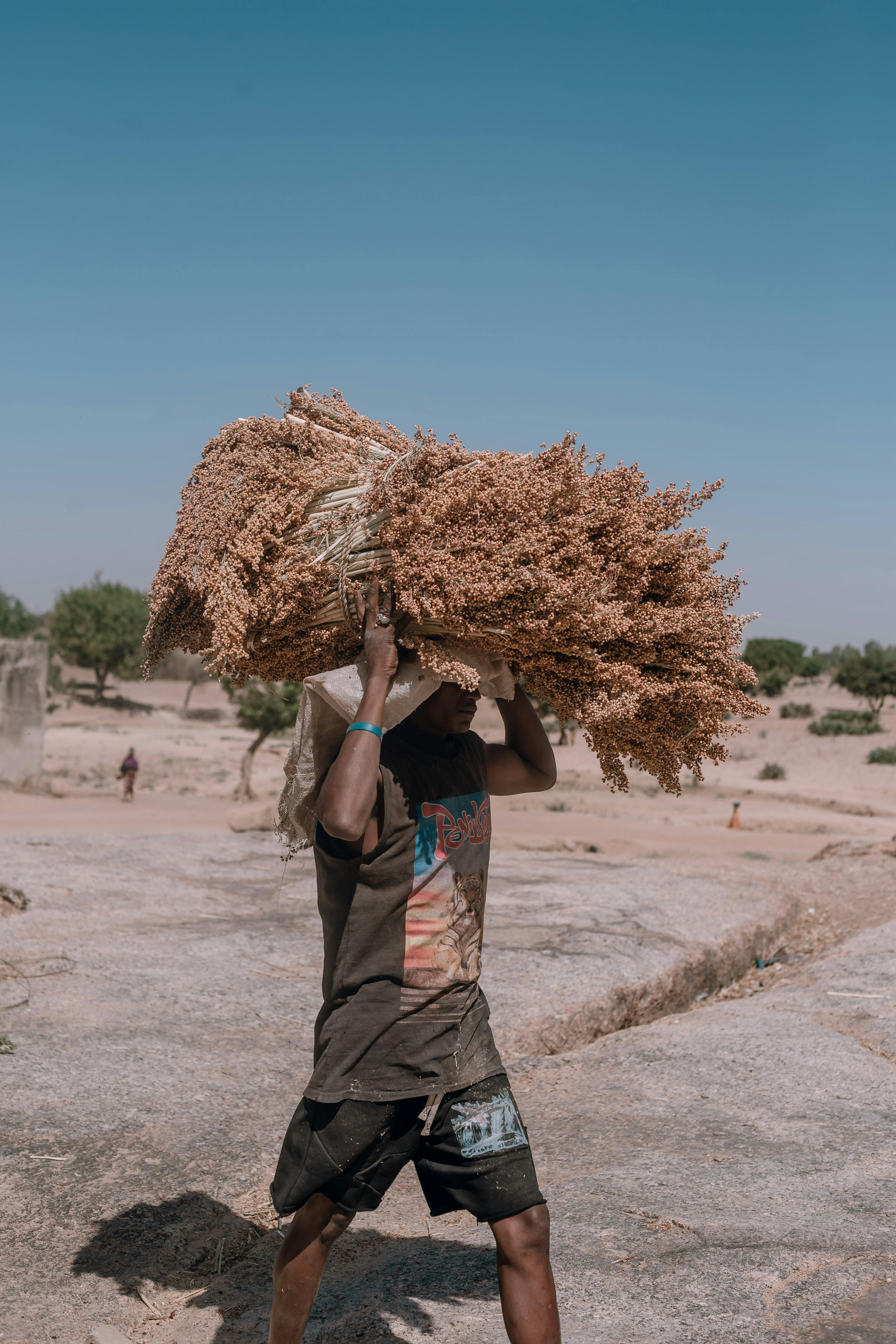
Mastering sorghum farming in Kenya involves a blend of traditional wisdom and modern agricultural science. These insights and strategies are designed to help Kenyan farmers maximize their yields and profitability while enhancing their land's sustainability.
1. Strategic Hybrid Seed Selection & Pest Resistance
Choosing the right sorghum variety is paramount. Focus on drought-resistant and pest-resistant hybrid seeds specifically developed for Kenya's diverse agro-ecological zones.
- Research and select certified hybrid sorghum seeds from reputable agricultural institutions or suppliers.
- Prioritize varieties known for early maturity and high yields under low moisture conditions.
- Inquire about local varieties that have demonstrated inherent resistance to common pests like stalk borers and diseases such as sorghum downy mildew.
- Consider the end-use of the sorghum (food, feed, brewing) when selecting a variety to ensure market suitability.
2. Intercropping with Legumes for Soil Fertility
Intercropping, especially with legumes, is a cornerstone of sustainable sorghum farming. This practice not only enhances soil fertility but also optimizes land use and reduces pest pressure.
- Plan your intercropping strategy, selecting compatible legumes such as cowpeas, green grams, or common beans that have different growth habits and nutrient requirements.
- Ensure proper spacing between sorghum rows to allow sufficient light and air circulation for both crops.
- Monitor nutrient levels and conduct regular soil tests to confirm the benefits of nitrogen fixation and adjust any supplementary fertilization as needed.
- Harvest legumes at their optimal time, potentially providing an additional income stream and further enhancing soil health through residue incorporation.
For farmers keen on enhancing soil health and nutrient cycling, investing in reliable tools is crucial. Consider the VermiHut 5-Tray Worm Compost Bin – available on Amazon to produce your own rich organic compost. Additionally, for precision in nutrient management, the Soil pH & Moisture Tester Kit – available on Amazon can help you accurately assess your soil needs.
3. Optimized Water Use & Conservation
With rising droughts, efficient water management is non-negotiable. Implementing smart irrigation techniques and water conservation methods can significantly boost sorghum yields.
- Explore and implement drip irrigation systems for targeted water delivery, minimizing waste and maximizing efficiency in drier regions.
- Practice rainwater harvesting, directing runoff into retention ponds or infiltration trenches to supplement irrigation during dry spells.
- Apply mulching techniques using crop residues or organic materials to conserve soil moisture, suppress weeds, and regulate soil temperature.
- Schedule irrigation based on actual crop needs and weather forecasts, avoiding overwatering and promoting deep root development.
For a comprehensive approach to sustainable agriculture and to discover more about efficient farming methods, explore sustainable organic farming solutions with Biofarm Kenya .
Case Studies: Thriving Sorghum Farms in Kenya
Across Kenya, pioneering farmers are demonstrating the immense potential of sorghum as a drought-proof crop. Take for instance, Jane Wanjiru, a smallholder farmer in Kitui County. Facing persistent maize crop failures due to unpredictable rains, Jane shifted to cultivating improved sorghum varieties and adopted intercropping with cowpeas. Through careful soil preparation, timely planting, and the use of minimal organic fertilizers, her sorghum yields increased by an impressive 40% compared to her previous maize harvests in similar conditions. Not only did her family achieve food security, but she also started selling surplus sorghum to local breweries, securing a stable income. Her success highlights the importance of adopting resilient crops and sustainable practices.
Another inspiring example comes from a collective of farmers in Turkana, supported by agricultural extension services. By integrating water harvesting techniques, such as zai pits and semi-circular bunds, with drought-tolerant sorghum cultivation, they have transformed barren lands into productive fields. These efforts have not only ensured a consistent food supply but also contributed to environmental rehabilitation. The Ministry of Agriculture, Livestock, Fisheries and Cooperatives (MoALF) continues to promote such climate-smart agricultural practices, recognizing their vital role in enhancing food security and farmer resilience across Kenya (MoALF, 2023 Annual Report).
Common Mistakes to Avoid in Sorghum Cultivation
While sorghum offers incredible resilience, certain missteps can hinder its potential. Being aware of these common errors can help Kenyan farmers avoid setbacks and achieve optimal yields.
Expert Tips & Best Practices for Maximizing Sorghum Yields
To truly thrive in sorghum farming, Kenyan farmers should embrace these expert-backed best practices , tailored for local conditions and aiming for both productivity and sustainability.
To further your knowledge and gain access to a wealth of resources, explore sustainable organic farming solutions with Biofarm Kenya and connect with a community dedicated to agricultural excellence.
Future Trends: Innovating Sorghum Farming for Tomorrow
The future of sorghum farming in Kenya is poised for significant advancements, driven by technology and a greater focus on climate resilience. Innovations are emerging that promise to revolutionize how farmers cultivate, manage, and market their sorghum crops.
These trends collectively point towards a more efficient, sustainable, and profitable future for sorghum farmers in Kenya, enabling them to adapt and thrive amidst evolving environmental and market dynamics.
Conclusion
Sorghum farming represents a beacon of hope for drought-proofing Kenyan agriculture. By embracing advanced techniques such as hybrid seed selection, strategic intercropping, and optimized water management, farmers can not only secure their livelihoods but also contribute to the nation's food security. The shift from maize to sorghum is a testament to the adaptability and resilience of Kenyan farmers, who are at the forefront of climate-smart agriculture. Implementing these practices, coupled with a keen eye on market access and value addition, ensures that sorghum cultivation is not just a survival strategy but a path to sustained profitability. The future of farming in Kenya is green, sustainable, and anchored in crops like sorghum that can withstand the tests of a changing climate.
For reliable tools and resources to support your sustainable farming journey, discover trusted organic farming tools on Amazon and learn more about sustainable solutions with Biofarm Kenya .
FAQs About Sorghum Farming in Kenya
- Q1: What are the best sorghum varieties for drought-prone regions in Kenya?
- A1: For drought-prone regions, farmers should prioritize varieties like Sila, Gadam, and Hybrid Savanna, which are known for their high drought tolerance and early maturity. These varieties have been extensively tested and recommended by the Kenya Agricultural and Livestock Research Organization (KALRO) for arid and semi-arid areas.
Learn more about KALRO's drought-tolerant crop research. - Q2: How does intercropping with legumes benefit sorghum cultivation?
- A2: Intercropping sorghum with legumes like cowpeas or green grams offers multiple benefits. Legumes fix atmospheric nitrogen, naturally enriching the soil and reducing the need for synthetic nitrogen fertilizers. They also improve soil structure, suppress weeds, and can provide an additional harvest, diversifying farmer income.
Explore FAO's resources on intercropping for sustainable agriculture. - Q3: What is the optimal planting time for sorghum in different Kenyan regions?
- A3: The optimal planting time for sorghum in Kenya generally coincides with the onset of the short or long rains to maximize moisture availability during critical growth stages. In Western Kenya, planting typically occurs in March-April, while in Eastern and Coastal regions, it's often October-November. Always consult local agricultural extension services for precise timings based on seasonal forecasts.
Find your local Ministry of Agriculture extension services here. - Q4: How can farmers effectively manage pests and diseases in sorghum?
- A4: Effective pest and disease management in sorghum involves an Integrated Pest Management (IPM) approach. This includes selecting resistant varieties, practicing good field hygiene, crop rotation, timely planting, encouraging natural enemies of pests, and using targeted biological or chemical controls only when necessary. Common pests include stalk borers and shoot flies, while diseases like smut and downy mildew require proactive measures.
Discover Biofarm Kenya's organic pest management solutions. - Q5: What are the market opportunities for sorghum in Kenya?
- A5: The market for sorghum in Kenya is expanding beyond traditional food consumption (uji, ugali) to industrial uses. There is growing demand from breweries for malt, animal feed manufacturers, and health food producers for gluten-free products. Farmers should explore these diverse markets and consider value addition to their sorghum to increase profitability.
Learn about agribusiness opportunities from Kenya's Ministry of Trade. - Q6: How does Biofarm Kenya support sorghum farmers in adopting sustainable practices?
- A6: Biofarm Kenya is committed to supporting sorghum farmers through training, provision of high-quality organic inputs, and access to sustainable farming technologies. We offer workshops on drought-resistant farming, intercropping, soil health management, and market linkage programs to ensure farmers have the knowledge and resources to thrive.
Explore sustainable organic farming solutions with Biofarm Kenya.
Additional Resources & Biofarm Kenya Links:
- Food and Agriculture Organization of the United Nations (FAO) Kenya
- Kenya Agricultural and Livestock Research Organization (KALRO)
- National Environment Management Authority (NEMA) Kenya
- Ministry of Agriculture, Livestock, Fisheries and Cooperatives (MoALF)
- Kenya Bureau of Standards (KEBS)
- International Crops Research Institute for the Semi-Arid Tropics (ICRISAT)
- Biofarm Kenya: Drought Solutions
- Biofarm Kenya: Organic Farming Guide
- Biofarm Kenya: Improving Soil Health
- Biofarm Kenya: Farmer Training Programs
- Biofarm Kenya: Sustainable Agriculture Practices
- Biofarm Kenya: Market Access for Farmers


0 Comments