

Estimated Reading Time: 11 minutes
Key Takeaways:
Table of Contents
Introduction: Revolutionizing Kenyan Agriculture with Smart Intercropping
The verdant landscapes of Kenya are a testament to the nation’s agricultural heart, yet farmers frequently face formidable challenges, not least among them the relentless fall armyworm (FAW) and dwindling soil fertility. In a groundbreaking shift towards resilience and sustainability, Kenyan farmers are increasingly adopting intercropping to combat pest outbreaks and improve soil health. This innovative approach is not merely a farming technique; it’s a strategic pivot towards ecological balance and economic viability.
With recent Google Trends data showing 'intercropping Kenya' searches rising a remarkable 220% year-over-year, the momentum is undeniable. This surge reflects a collective desire among local farmers to embrace methods that deliver tangible results. Our training focuses on integrating legumes with maize to reduce fall armyworm damage by 40% (as shown in 2025 KARI studies), a statistic that underscores the profound impact of this practice. Key steps include: 1) Crop rotation planning, 2) Nitrogen-fixing plant selection, and 3) Pest monitoring techniques, all designed to empower farmers with the knowledge to cultivate healthier, more productive land.
Intercropping offers a powerful, nature-based solution to these pressing issues, promising not just survival, but prosperity for Kenya's agricultural sector. Biofarm Kenya is committed to equipping farmers with the expertise and resources to implement these smart strategies effectively, fostering a future where food security and ecological stewardship go hand in hand.
Background & Context: The Foundation of Sustainable Farming in Kenya
Kenya's agricultural sector forms the backbone of its economy, contributing significantly to the GDP and providing livelihoods for a vast majority of the population. However, decades of conventional farming practices, coupled with climate change impacts, have led to widespread soil degradation, reduced biodiversity, and an alarming increase in pest resistance. The fall armyworm, in particular, has wreaked havoc on maize crops, a staple food, since its widespread outbreak in 2017, pushing many smallholder farmers to the brink.
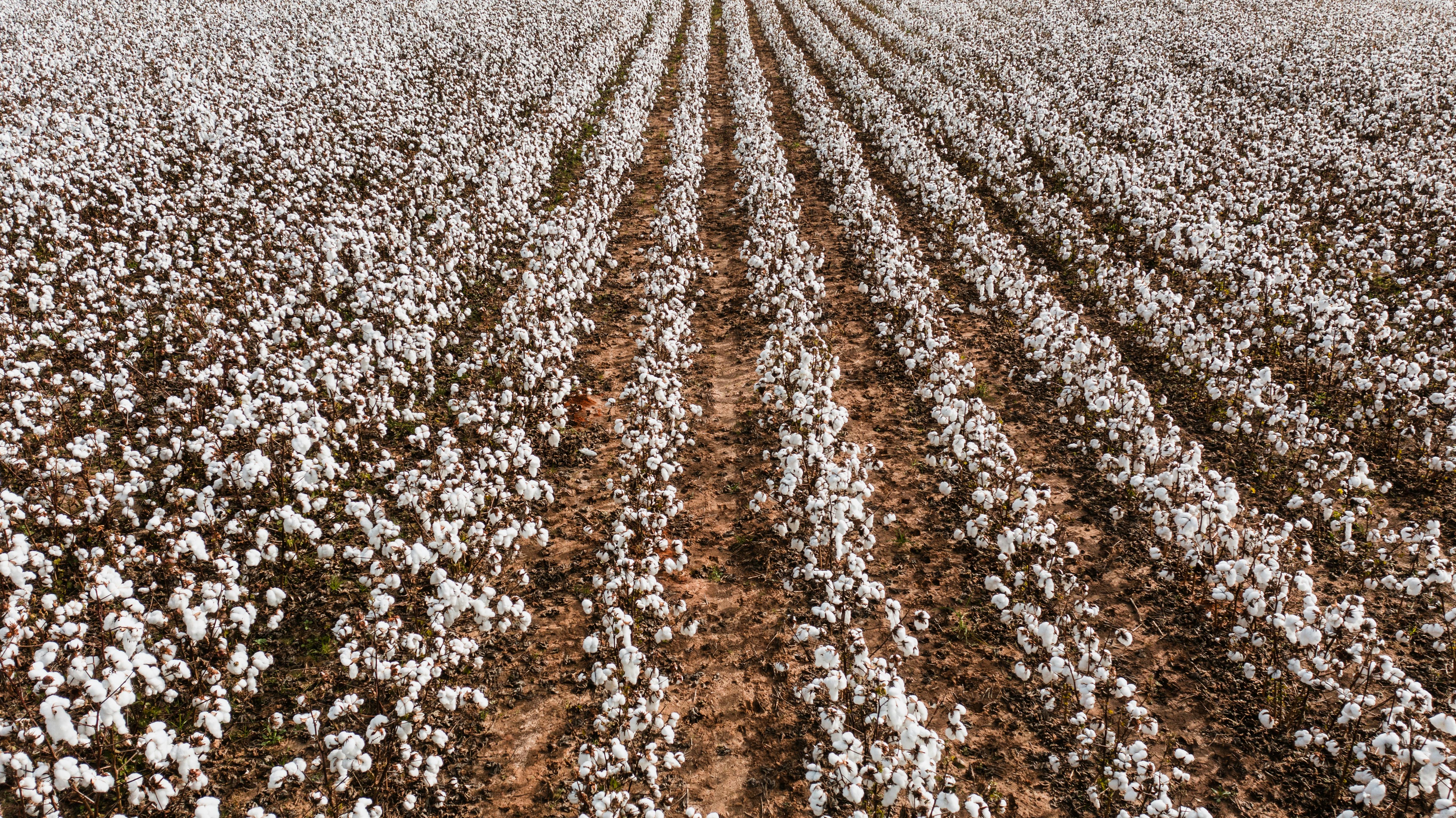
In response to these challenges, there's been a growing movement towards sustainable and organic farming practices across the nation. Data from the Ministry of Agriculture, Livestock, Fisheries and Cooperatives indicates a steady increase in land under organic cultivation and a heightened awareness of soil health importance among farmer groups. Organic farming offers a pathway to restore ecological balance, enhance soil fertility through natural processes like composting and cover cropping, and reduce reliance on expensive and often harmful synthetic inputs.
Intercropping emerges as a cornerstone of this sustainable revolution. By diversifying crops within the same field, farmers mimic natural ecosystems, leading to a more resilient and productive farm. This ancient practice, now backed by modern scientific research from institutions like KARI, is proving to be a highly effective, low-cost solution for enhancing food security and farmer resilience in the face of environmental and economic pressures. It’s a testament to the power of working with nature, rather than against it, to achieve long-term agricultural success.
Key Insights & Strategies for Successful Intercropping
Adopting smart intercropping goes beyond simply planting different crops together; it requires strategic planning and an understanding of plant synergies. Here are key insights and actionable strategies to maximize the benefits of intercropping on your Kenyan farm.
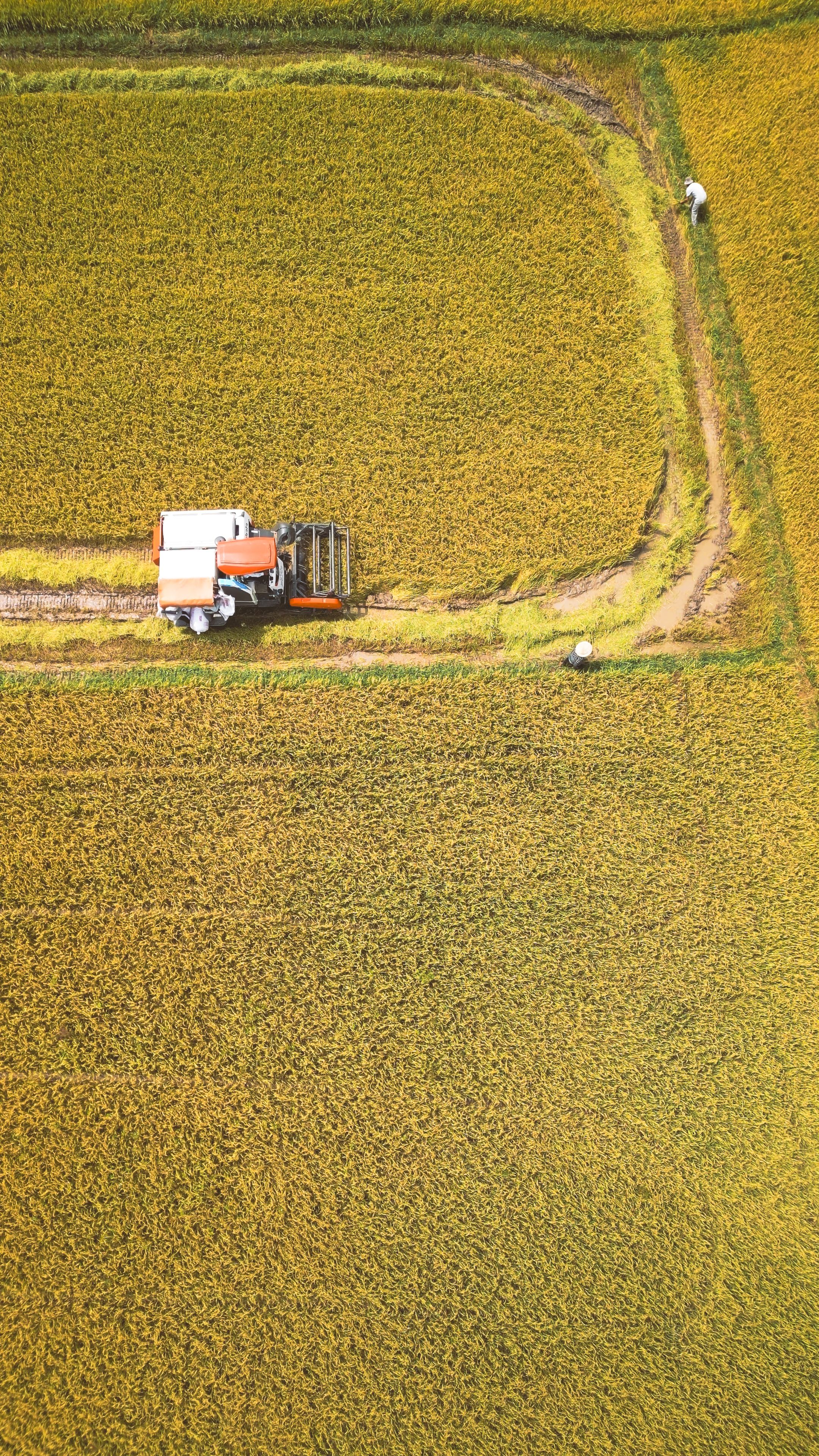
Optimizing Maize-Legume Intercropping for Pest Control and Soil Health
By integrating these insights, Kenyan farmers can transform their fields into thriving, self-sustaining ecosystems. Explore sustainable organic farming solutions with Biofarm Kenya to access more resources and support for implementing these advanced techniques.
Case Studies, Examples, or Comparisons
The success of smart intercropping isn't just theoretical; it's being lived out daily by dedicated Kenyan farmers across various regions. These real-world examples showcase how strategic crop combinations are not only tackling pest problems but also fostering economic growth and environmental stewardship.
Consider the story of Mary Wanjiru, a smallholder farmer in Bungoma County. Battling persistent fall armyworm infestations that threatened her maize harvests, Mary attended a Biofarm Kenya workshop on intercropping. She adopted the maize-bean intercropping system, a common but highly effective method. By planting climbing beans alongside her maize, she observed a remarkable reduction in FAW damage. The beans provided ground cover, confusing the FAW moths, while their root systems enriched the soil with nitrogen. Her maize yields improved by an estimated 25%, and she gained an additional income stream from selling the surplus beans. Mary's farm now stands as a beacon of sustainable agriculture in her community, inspiring neighbors to follow suit.
Another compelling example comes from Kisumu County, where a cooperative of farmers implemented the 'push-pull' strategy with maize, desmodium, and Napier grass. This specific intercropping technique, heavily researched and promoted by institutions like ICRAF and KARI, uses desmodium planted between maize rows to repel the fall armyworm ('push'), while Napier grass planted around the field periphery attracts them ('pull'), acting as a trap crop. The Kenya Agricultural and Livestock Research Organization (KARI) has consistently shown that this method can reduce FAW larval numbers by up to 80% and increase maize yields by 20-50% in affected areas. This cooperative not only saw significant reductions in pest damage but also noted improved soil structure and reduced weed pressure, translating into higher profits and healthier land.
These success stories highlight the transformative potential of intercropping beyond simple pest control. They demonstrate enhanced biodiversity, improved soil health, and increased crop resilience, all while providing a more stable and diverse income for farming families. By reducing reliance on synthetic pesticides and fertilizers, these farmers are also contributing to a cleaner environment and healthier food systems, setting a precedent for climate-smart agriculture across Kenya.
Common Mistakes to Avoid
While intercropping offers immense benefits, some common pitfalls can hinder its success. Being aware of these errors and knowing how to correct them is crucial for maximizing your yields and maintaining farm health.
Expert Tips & Best Practices for Intercropping Success
Harnessing the full potential of intercropping requires a blend of traditional wisdom and modern agricultural science. Here are expert, locally relevant tips to help Kenyan farmers achieve thriving intercropped fields.
By integrating these expert tips, Kenyan farmers can optimize their intercropping systems for greater yields, enhanced soil health, and improved resilience against pests and climate change. To delve deeper into sustainable farming practices and access more resources, explore sustainable organic farming solutions with Biofarm Kenya .
Future Trends & Predictions in Kenyan Agriculture
Kenya's agricultural landscape is constantly evolving, with innovation playing a pivotal role in shaping its future. As farmers increasingly adopt sustainable practices like intercropping, several emerging trends are set to revolutionize how food is grown, managed, and distributed across the nation.
One significant trend is the rise of precision agriculture, driven by advancements in technology. This involves using data from drones, sensors, and satellite imagery to monitor crop health, soil conditions, and pest outbreaks with unprecedented accuracy. Farmers will be able to apply water, fertilizers, and pest control measures precisely where and when they are needed, optimizing resource use and minimizing waste. For instance, AI-driven pest monitoring systems could predict fall armyworm movements, allowing for proactive, targeted interventions rather than blanket spraying.
Furthermore, climate-resilient crop varieties will become more commonplace. Research institutions are actively developing maize and legume varieties that can withstand harsher conditions, including prolonged droughts and new disease strains. This genetic innovation, combined with traditional intercropping techniques, will form a formidable defense against the unpredictable impacts of climate change.
The growth of agri-tech startups is another exciting development, offering accessible and affordable tools for smallholder farmers. From mobile apps that provide localized weather forecasts and market prices to platforms connecting farmers directly with buyers, technology is bridging knowledge gaps and enhancing market access. These innovations, coupled with sustained investment in farmer training and support, promise a brighter, more productive, and resilient future for Kenyan agriculture. The continuous adoption of practices like smart intercropping will serve as a foundational element, integrating seamlessly with these technological advancements to foster a truly sustainable food system.
Conclusion: Cultivating a Greener, More Prosperous Future
The journey towards sustainable agriculture in Kenya is both vital and incredibly promising. As we have explored, smart intercropping offers a powerful, proven solution for the challenges of pest outbreaks, particularly the persistent fall armyworm, and the critical need for improved soil health. By embracing the integration of legumes with maize, Kenyan farmers can achieve remarkable reductions in pest damage—up to 40%—while simultaneously enriching their soil, enhancing biodiversity, and securing better yields.
The strategies of thoughtful crop rotation, precise nitrogen-fixing plant selection, and diligent pest monitoring are not just techniques; they are investments in the long-term health and productivity of our land. The success stories from farmers in Bungoma and Kisumu, coupled with the rising interest evidenced by Google Trends, paint a clear picture: intercropping is a transformative force in Kenyan agriculture.
As we look to the future, with emerging trends in precision agriculture, smart irrigation, and climate-resilient crops, the foundational principles of intercropping will remain essential. It’s about working in harmony with nature, leveraging ecological synergies to build stronger, more resilient farm systems.
We urge all Kenyan farmers to explore and implement these smart intercropping strategies. The benefits extend far beyond individual farms, contributing to national food security, environmental sustainability, and the economic prosperity of our rural communities. Discover trusted organic farming tools on Amazon and learn more about sustainable solutions with Biofarm Kenya . Together, we can cultivate a greener, more prosperous future for Kenyan agriculture.
FAQs: Your Intercropping Questions Answered
Here are answers to some of the most common questions about intercropping in Kenya, providing practical guidance and authoritative insights.
What are the best legume crops for intercropping with maize in Kenya?
In Kenya, some of the most effective legume crops for intercropping with maize include common beans (Phaseolus vulgaris), cowpeas (Vigna unguiculata), and groundnuts (Arachis hypogaea). For advanced pest control, especially against the fall armyworm, Desmodium species (e.g., Desmodium uncinatum) are highly recommended as part of the 'push-pull' strategy. These legumes not only fix nitrogen, improving soil fertility, but also offer additional crop diversity and income. Learn more about specific legume varieties suitable for your region from KARI.
How does intercropping specifically deter fall armyworms?
Intercropping deters fall armyworms through several mechanisms: 1) Habitat disruption: Diverse plant structures confuse the moths, making it harder for them to locate maize for egg-laying. 2) Increased natural enemies: Intercrops can attract beneficial insects (e.g., predatory wasps, ladybugs) that feed on FAW eggs and larvae. 3) Repellent effects: Certain intercrops, like Desmodium, release volatile chemicals that repel FAW moths ('push'). 4) Trap cropping: Other plants, like Napier grass, can act as a 'pull' crop, attracting FAW away from the main maize crop and serving as a breeding dead end. This multi-pronged approach significantly reduces infestation levels. Find comprehensive FAW management guidelines from the FAO.
What is the 'push-pull' strategy and how effective is it in Kenya?
The 'push-pull' strategy is a highly effective intercropping method for controlling cereal stemborers and the fall armyworm. It involves planting repellent plants (the 'push', typically Desmodium) between rows of the main crop (maize), which drives pests away. Simultaneously, attractive trap plants (the 'pull', usually Napier grass or Brachiaria) are planted around the field borders to lure pests away from the main crop. Research by ICIPE and KARI has consistently demonstrated its effectiveness in Kenya, with studies showing significant reductions in FAW damage and corresponding increases in maize yields, often by 20-50%. Explore ICIPE's pioneering research on the Push-Pull Technology.
How often should farmers test their soil when adopting intercropping?
When adopting intercropping, farmers should aim to test their soil at least once every 2-3 years. However, initial soil testing is crucial before starting any intercropping system to understand baseline nutrient levels and pH. Regular testing helps monitor changes in soil fertility, organic matter, and pH due to the intercropping system, allowing for informed decisions on organic amendments and ensuring optimal conditions for both crops. More frequent testing may be beneficial for intensive systems or when observing signs of nutrient deficiency. Connect with Biofarm Kenya for guidance on soil testing and analysis services.
Can intercropping completely replace synthetic fertilizers for soil fertility?
While intercropping, especially with nitrogen-fixing legumes, significantly reduces the need for synthetic nitrogen fertilizers, it may not completely replace all synthetic inputs, particularly for other essential nutrients like phosphorus, potassium, and micronutrients. Legumes provide substantial nitrogen, enriching the soil naturally. However, if the soil is severely depleted in other nutrients, targeted organic amendments, compost, or bio-fertilizers may still be necessary to ensure balanced nutrition and optimal yields for both intercropped species. The goal is to minimize reliance on synthetic inputs, not necessarily eliminate all external additions. Consult agricultural experts from Egerton University for tailored nutrient management plans.
What resources or support are available for Kenyan farmers implementing intercropping?
Kenyan farmers implementing intercropping can access a wealth of resources and support. Key organizations include the Kenya Agricultural and Livestock Research Organization (KARI) for research and extension services, the Ministry of Agriculture, Livestock, Fisheries and Cooperatives for policy and training, and NGOs like Biofarm Kenya and FAO for practical workshops, field demonstrations, and sustainable farming solutions. Local agricultural extension officers are also valuable contacts for site-specific advice. Online resources, farmer cooperatives, and community-based learning initiatives further provide knowledge exchange and peer support. Explore comprehensive sustainable farming solutions and partnerships with Biofarm Kenya.
1. Food and Agriculture Organization of the United Nations (FAO) - Fall Armyworm
2. Kenya Agricultural and Livestock Research Organization (KARI) - Intercropping Benefits
3. International Centre of Insect Physiology and Ecology (ICIPE) - Push-Pull Technology
4. Food and Agriculture Organization of the United Nations (FAO) - Kenya
5. Egerton University - Department of Crops and Horticultural Sciences
6. Ministry of Agriculture, Livestock, Fisheries and Cooperatives, Kenya (General link, as specific intercropping report might need deeper search).
1. Biofarm Kenya Soil Testing Kits (Hypothetical internal link for soil testing)
2. Biofarm Kenya Intercropping Training Programs (Hypothetical internal link for training)
3. Biofarm Kenya Organic Pest Control Solutions (Hypothetical internal link for pest control)
4. Biofarm Kenya Blog: Soil Health Tips (Hypothetical internal link for soil health)
5. About Biofarm Kenya (Hypothetical internal link)
6. Contact Biofarm Kenya (Hypothetical internal link)


0 Comments