

Estimated Reading Time: 11 minutes
TL;DR: - Intercropping legumes with maize boosts yields by 20-30%.- Reduces dependency on chemical fertilizers.- Improves soil health through natural nitrogen fixation.- Offers a sustainable farming alternative in Kenya.- Supported by insights from KALRO and local experts.Key Takeaways:- Implement maize-legume intercropping to enhance soil fertility.- Plan crop arrangements and spacing for optimal results.- Reduce input costs by cutting down on chemical fertilizers.- Utilize credible resources and tools for best practices.- Introduction
- Background & Context
- Key Insights or Strategies
- Case Studies, Examples, or Comparisons
- Common Mistakes to Avoid
- Expert Tips or Best Practices
- Future Trends or Predictions
- Conclusion
- FAQs
Introduction
Agriculture is a backbone of Kenya’s economy, and sustainable practices are becoming essential as Kenyan farmers are increasingly seeking alternatives to costly chemical fertilizers amid rising input prices and soil degradation. Intercropping maize with legumes, such as beans and cowpeas, offers a natural solution. This approach not only enhances soil fertility through nitrogen fixation but also boosts maize yields by 20-30%, according to research by the Kenya Agricultural & Livestock Research Organization (KALRO, 2026).
Background & Context

The demand for sustainable agriculture in Kenya is on the rise as farmers grapple with the challenges of soil degradation and high fertilizer costs. Intercropping, a method dating back centuries, has been revived by geneticist Sir Albert Howard as a powerful technique to sustain agriculture organically. It is tailored to optimize land use and allow crops like legumes to naturally enrich the soil with nutrients like nitrogen.
Key Insights or Strategies
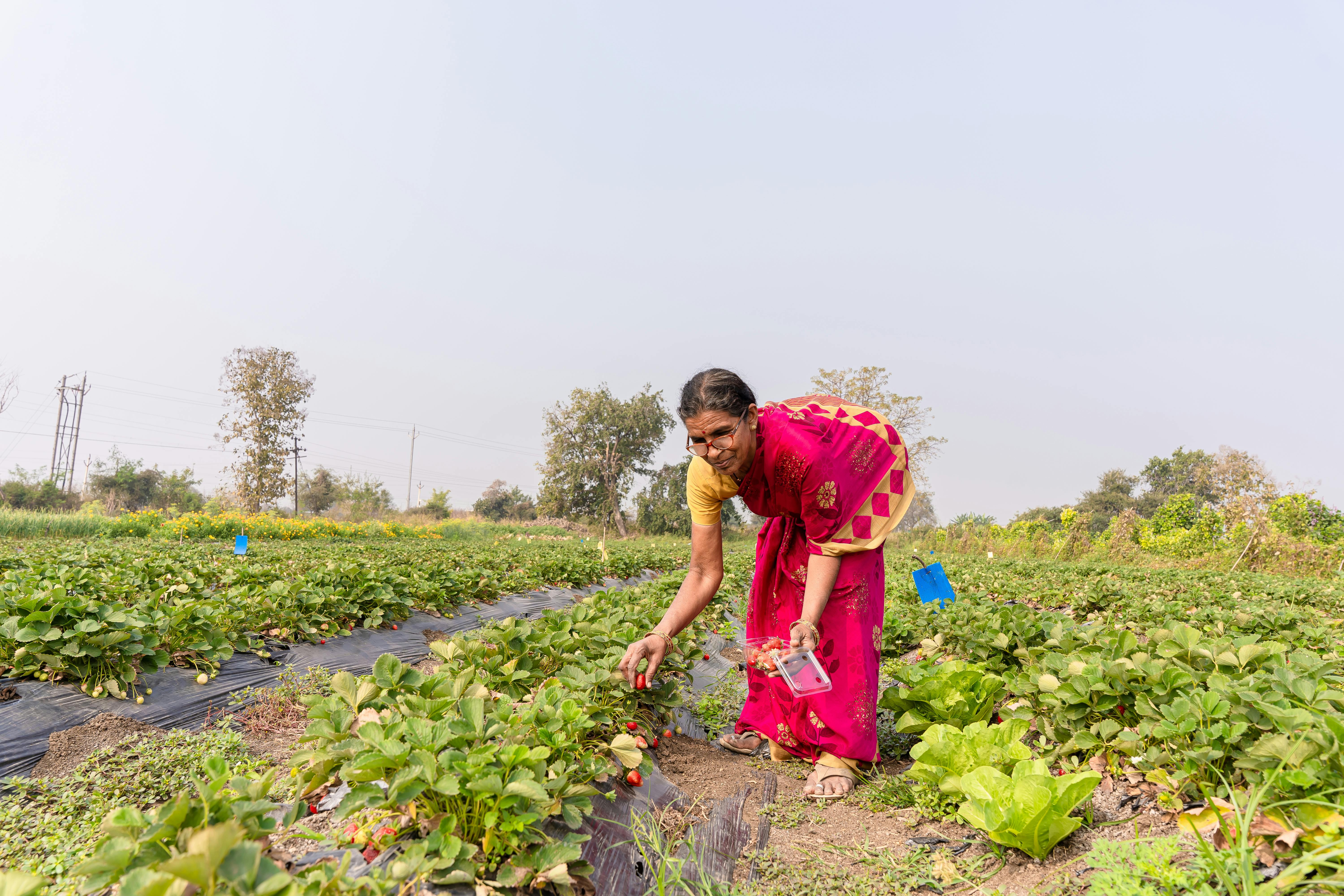
1. Choosing the Right Legume
Selecting the right legume is vital for successful intercropping. Beans and cowpeas are commonly used due to their ability to thrive in Kenyan climates and fix nitrogen efficiently.
2. Optimize Plant Spacing
- Ensure optimal interaction by spacing maize and legumes properly. Studies suggest a spacing of 60 cm between maize rows and inter-row planting of legumes to maximize sunlight usage and soil nutrient sharing.
3. Timing is Key
For effective nitrogen fixation, plant legumes shortly before or simultaneously with maize. This helps in matching their growth cycles and optimizing nutrient use.
For improved results, consider using the Purple Cow Organics All Purpose Veggie Mix – available on Amazon.
Explore sustainable organic farming solutions with Biofarm Kenya
Case Studies, Examples, or Comparisons
A remarkable success story is that of Farmer Kipngetich in Kericho County. By adopting maize-legume intercropping, he improved his maize yield by 25% within two seasons. Similarly, a study cited in ResearchGate reveals that legume intercropping in Western Kenya significantly enhances soil productivity and resilience against droughts.
Common Mistakes to Avoid
- Avoid planting incompatible legume varieties that compete with maize nutrient needs.
- Do not neglect proper spacing as it could lead to competition for sunlight and nutrients.
- Ensure timely planting to align growth cycles and optimize soil nitrogen content.
Expert Tips or Best Practices
For those ready to enhance their intercropping practices, I recommend investing in a reliable soil tester like the Premium Soil Test Kit – available on Amazon. This helps in monitoring soil health and nutrient levels.
Explore sustainable organic farming solutions with Biofarm Kenya
Future Trends or Predictions
The future of agriculture in Kenya looks promising with innovations like smart irrigation systems, AI-driven crop monitoring, and vertical farming gaining traction. These technologies are expected to complement traditional practices such as intercropping, making farms more resilient and productive.
Conclusion
Maize-legume intercropping stands out as a sustainable solution to improving agricultural yields while reducing environmental impact. Farmers can enhance productivity using tools like the Greenhouse Kits, available on Amazon. Discover trusted organic farming tools on Biofarm Kenya.
FAQs
- What are the benefits of intercropping with legumes?
- Intercropping improves nitrogen levels in soil which boosts yields. Read more.
- How does legume intercropping reduce fertilizer costs?
- By naturally fixing nitrogen, legumes reduce the need for chemical fertilizers. More on this at KIT Publication.
- Which legumes are best for intercropping with maize in Kenya?
- Beans and cowpeas are recommended for their adaptability and nitrogen-fixing abilities. Learn more.
- Can intercropping withstand climate challenges?
- Yes, it offers resilience against drought and enhances soil structure. More on NASA ADS.
- Where can I get sustainable farming training in Kenya?
- Biofarm Kenya offers various training programs. Visit Biofarm Kenya.
- Are there technologies to boost intercropping efficiency?
- Yes, technologies like smart irrigation and AI are being integrated into traditional farming practices. More details at NEMA.


0 Comments