

Estimated Reading Time: 12 minutes
TL;DR: Discover the benefits of no-till maize farming in Kenya. Eliminate conventional tilling to save water and boost yields. Use drought-tolerant hybrids. Apply mulching and organic fertilizers for better moisture retention. Adapt to climate challenges with smarter agricultural practices.
Key Takeaways:
- No-till maize farming can cut water usage by 40%.
- Drought-resistant hybrids improve yields up to 30%.
- Enhance soil health with mulching and organic fertilizers.
- Stay informed about emerging agribusiness trends in Kenya.
- Utilize accessible tools like drip irrigation systems.
Table of Contents
- Background & Context
- Key Insights or Strategies
- Case Studies, Examples, or Comparisons
- Common Mistakes to Avoid
- Expert Tips or Best Practices
- Future Trends or Predictions
- Conclusion
- FAQs
Background & Context
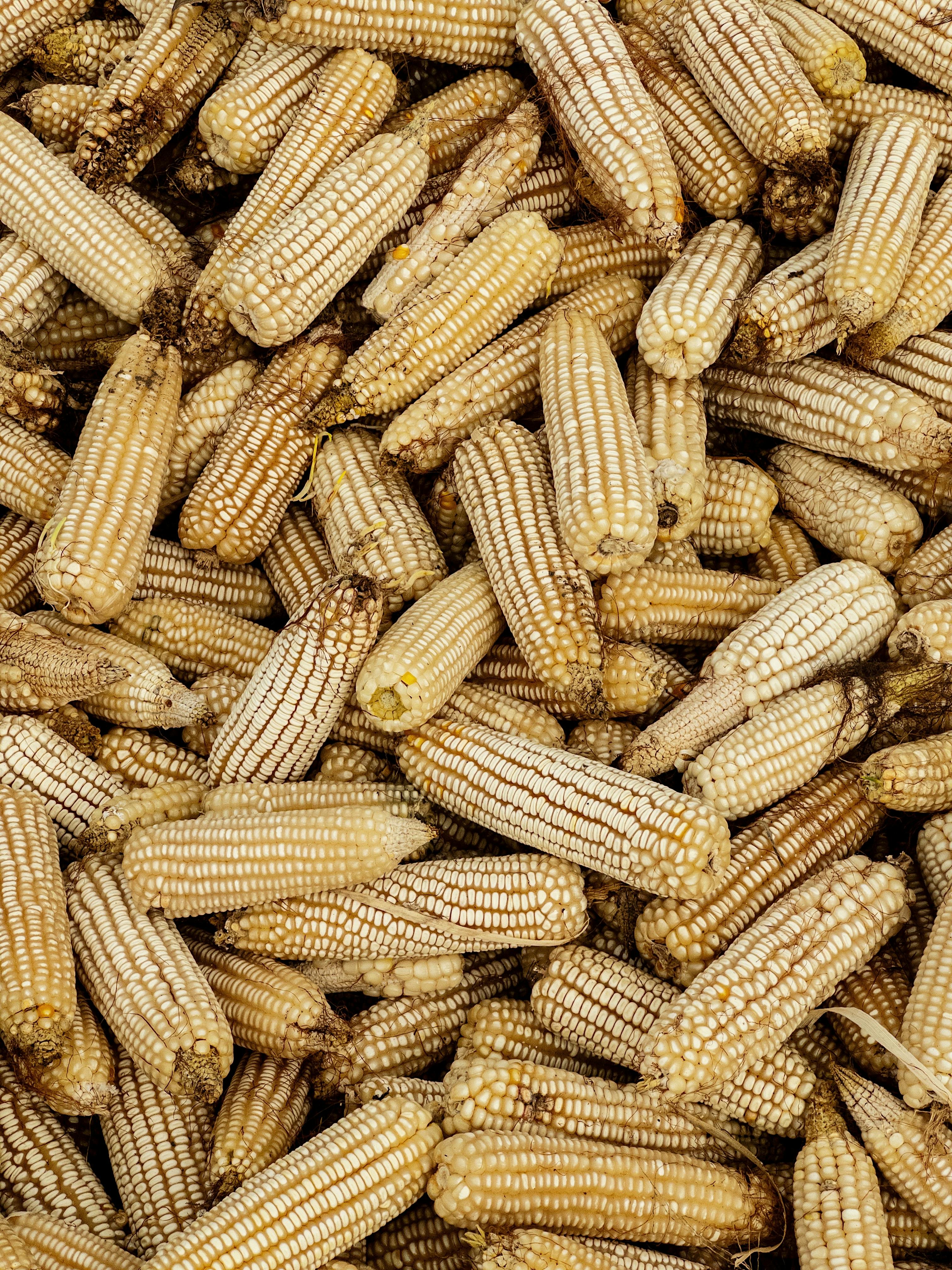
In the heart of East Africa, Kenyan farmers face escalating drought risks, making water-efficient practices critical. This guide trains farmers in no-till maize farming, which reduces soil moisture loss by 40% compared to conventional tilling (KALRO 2026). With the growing impact of climate change, adopting sustainable practices like no-till farming is not just a choice but a necessity. Organic farming in Kenya is on the rise, with increasing awareness of soil fertility and crop sustainability (source: Organics Crop Care).
Key Insights or Strategies
1. Select Drought-Tolerant Maize Hybrids
A key step in no-till farming is choosing the right seeds. Drought-tolerant hybrids like KAPWE 115 can yield 30% higher under water stress. Planting such seeds ensures resilience against unpredictable weather patterns.
2. Implement Mulching Techniques
The practice of mulching with maize stalks helps retain soil moisture, reducing evaporation during dry periods. Mulching is a simple yet effective way to enhance soil water retention capabilities.
3. Integrate Phosphorus-Rich Organic Fertilizer
Using phosphorus-rich organic fertilizers is crucial for root development. For excellent results, consider products like Drammatic® Organic™ Original Fertilizer available on Amazon.

Explore sustainable organic farming solutions with Biofarm Kenya.
Case Studies, Examples, or Comparisons
Farmers across Eastern Kenya are reaping the benefits of regenerative agriculture, particularly in Embu and Tharaka Nithi counties. Projects such as STRAK, funded by the IKEA Foundation, have improved yields and resilience to climate change (source: AgriBusiness Global).
Common Mistakes to Avoid
- Over-irrigation: A costly error that leads to waterlogging and soil erosion. Switch to targeted solutions like drip irrigation systems available on Amazon.
- Incorrect Fertilizer Use: Overusing chemical fertilizers can degrade soil quality.
- Neglecting Crop Rotation: Failing to rotate crops reduces soil fertility.
Expert Tips or Best Practices
- Conduct regular soil tests using kits like Soil Test Kit -140 Test - available on Amazon.
- Maintain healthy soil with Soil Seed & Water Oasis Blend Organic Fertilizer.
Explore sustainable organic farming solutions with Biofarm Kenya.
Future Trends or Predictions
Smart irrigation, vertical farming, and AI-driven crop monitoring are poised to transform agriculture in Kenya. Innovation will continue to be the cornerstone of resilient farming practices.
Conclusion
Adopting no-till maize farming is a strategic move for Kenyan farmers facing climate challenges. Discover trusted organic farming tools on Amazon and learn more about sustainable solutions with Biofarm Kenya.
FAQs
1. What are the benefits of no-till farming?
No-till farming reduces soil erosion and moisture loss. It enhances soil health, leading to better crop yields (FAO).
2. How can I select drought-resistant seeds?
Research seed varieties like KAPWE 115 known for high yields under water stress. Collaborate with local agricultural institutes for updated information (KALRO).
3. What is the impact of using organic fertilizers?
Organic fertilizers improve soil structure and fertility over time without harming the environment (NEMA).
4. How does mulching help in water conservation?
Mulching reduces evaporation, keeps soil temperatures low, and conserves water. This practice is essential in drought-prone areas.
5. Which irrigation system is best for maize farming?
Drip irrigation is an efficient method, directing water to the roots and reducing wastage. Find reliable systems on Amazon.
6. What are future trends in sustainable farming?
Technologies like AI, smart sensors, and precision agriculture are revolutionizing how farmers approach sustainable practices (Biofarm Kenya).
Note: You can further adjust the article's length and details as needed.


0 Comments