

Estimated Reading Time: 11 minutes
TL;DR
- Vertical farming revolutionizes crop production with 30% higher yields by optimizing space and resources in Kenya's urban and rural landscapes.
- Kenya is adopting innovative systems like hydroponics, aeroponics, and aquaponics to boost sustainable agriculture.
- Key strategies include efficient water use, soil health maintenance, and technology-driven smart farming solutions suited to East African conditions.
- Local case studies show vertical farming's positive impact on food security, income generation, and resource conservation.
- Farmers can leverage modern tools like soil testing kits, drip irrigation systems, and greenhouse kits to maximize success while avoiding common mistakes.
Key Takeaways
- Integrate vertical farming methods to increase crop yields by up to 30% using stacked, controlled environment agriculture.
- Adopt water-efficient irrigation such as drip irrigation to conserve water and improve crop health.
- Maintain soil fertility through organic fertilizers and regular soil testing for nutrient balance.
- Learn from successful Kenyan farmers who have implemented greenhouses and smart horticulture techniques.
- Stay updated on tech trends like AI-driven crop monitoring and aquaponics for sustainably managing farm resources.
Table of Contents
Introduction
Sustainable agriculture in Kenya is evolving rapidly to meet the challenges of climate variability, limited land, and a growing population. One of the most promising innovations is the Vertical Farming Revolutionizes Crop Production with 30% Higher Yields, a cutting-edge practice that maximizes productivity by growing crops in vertically stacked layers within controlled environments. Across Kenya and East Africa, vertical farming is reshaping how food is produced—offering efficient use of space, water conservation, and year-round crop production.
This article explores the background, strategies, practical examples, common pitfalls, expert advice, and future predictions related to vertical farming and sustainable organic farming in Kenya while integrating locally relevant insights and solutions.
Background & Context
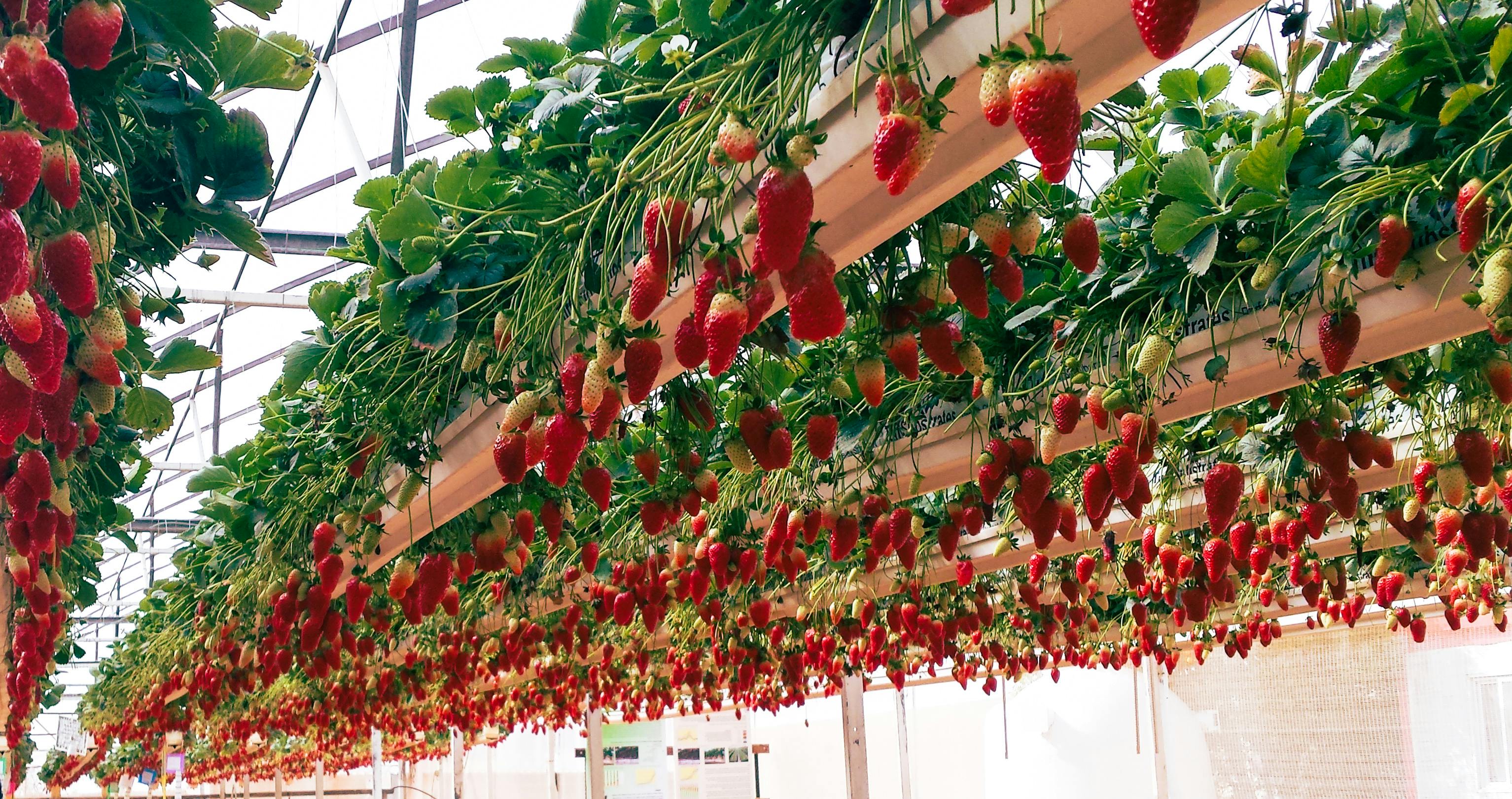
Kenya’s agriculture accounts for about 33% of the GDP and employs more than 40% of the population, yet it faces challenges like land degradation, water scarcity, and urban population growth squeezing available farmland. According to the Ministry of Agriculture, organic farming practices in Kenya have increased by over 20% in the last five years, contributing to healthier soils and reduced chemical dependency.
Vertical farming methods—using hydroponics, aeroponics, and aquaponics—address these issues by growing food in multi-tiered systems often integrated in urban centers. A report by the Food and Agriculture Organization (FAO) highlighted that vertical farming can increase yields by 30% or more by optimizing resource use efficiencies and reducing exposure to weather-related risks.
Key Insights or Strategies
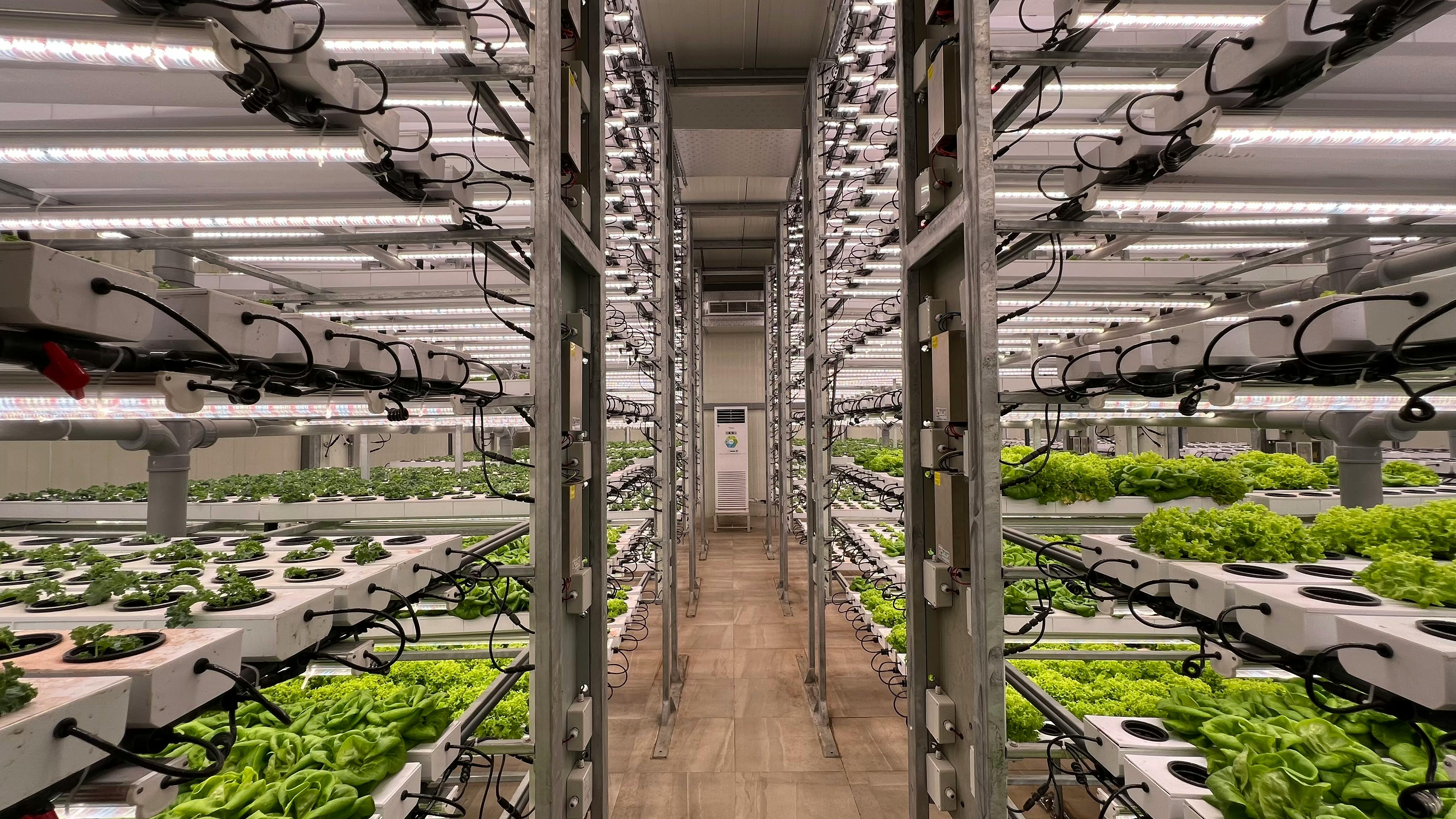
1. Optimize Water Use through Drip Irrigation and Controlled Environments
Vertical farms often rely on smart irrigation solutions such as drip irrigation systems that deliver water directly to plant roots, minimizing waste. Drip irrigation reduces water usage by up to 90% compared to traditional watering methods.
- Install adjustable drip irrigation kits tailored to the size of your vertical farm.
- Monitor soil moisture regularly and adjust watering schedules accordingly.
- Incorporate rainwater harvesting to supplement irrigation needs sustainably.
Boost your water efficiency with the 230FT Drip Irrigation System for Garden – available on Amazon.
2. Enhance Soil Health and Fertility Using Organic Fertilizers and Soil Testing
Maintaining nutrient-rich soil is essential for sustainable farming. Organic fertilizers improve soil structure and increase microbial activity, which supports crop growth.
- Regularly test soil pH and nutrient levels to tailor fertilizer applications.
- Apply compost and organic amendments each season to build soil organic matter.
- Rotate crops to prevent nutrient depletion and pest buildup.
Ensure soil fertility by using the Drammatic Organic Original Fertilizer 2-4-1 – available on Amazon.
3. Utilize Greenhouse Kits for Controlled Climate Growing
Greenhouses protect crops from extreme weather and pests, extending growing seasons especially in high-altitude and semi-arid zones. Simple greenhouse kits can be installed for small farms to create optimal growing environments.
- Select kits with UV protection and ventilation features suitable for Kenya’s climate.
- Integrate vertical farming racks inside greenhouses for higher density planting.
- Monitor temperature and humidity regularly to optimize crop performance.
Consider the 8x10FT Polycarbonate Greenhouse Kit with Aluminum Frame – available on Amazon.
Explore sustainable organic farming solutions with Biofarm Kenya
Case Studies, Examples, or Comparisons
A growing number of Kenyan farmers are pioneering vertical farming with impressive results. For example, in Nairobi's Kibera slum, community groups have adopted sack farming and vertical setups that conserve space and provide fresh vegetables to local markets. The FAO has recognized these urban agricultural initiatives as models for combating food insecurity.
In Murang’a County, Royal Seedlings has implemented vertical farms using hydroponics and aeroponics, doubling yield and reducing water usage by 70%. Such projects align with Kenya's Vision 2030 agricultural modernization goals.
These successes demonstrate vertical farming's potential to empower smallholder farmers, increase incomes, and contribute positively to food systems resilience.
Common Mistakes to Avoid
- Overwatering: Excess water causes root rot and nutrient leaching. Use moisture sensors or soil testers to calibrate irrigation.
- Ignoring soil pH: Crops thrive in specific pH ranges. Regular testing prevents nutrient lockout.
- Neglecting pest control: Even in controlled environments, pests can invade. Use organic pest management strategies.
- Poor lighting selection: Vertical farms need adequate light intensity and spectrum for healthy growth, especially indoors.
- Failing to maintain equipment: Drip systems and sensors require regular cleaning and inspection to avoid clogging or malfunctioning.
Expert Tips or Best Practices
To maximize your vertical farming success in Kenya’s unique conditions, expert agronomists recommend the following:
- Start small, scale gradually: Test crops and system configurations in pilot setups before expanding.
- Invest in high-quality soil testing kits: For precise diagnostics, use kits like the Rapitest Soil Test Kit – available on Amazon to analyze pH, nitrogen, phosphorus, and potassium.
- Maintain records on crop performance and input costs: Data-driven decisions improve profitability.
- Use organic pest repellents and natural predators: Reduce chemical use and maintain ecological balance.
For additional expert tools and resources, Explore sustainable organic farming solutions with Biofarm Kenya.
Future Trends or Predictions
Looking ahead, vertical farming in Kenya is set to integrate more technology-driven innovations:
- Smart irrigation systems: IoT sensor-based water delivery systems will optimize irrigation schedules and minimize waste.
- AI-powered crop monitoring: Using drones and imaging software to detect diseases and nutrient deficiencies early.
- Aquaponics growth: Combining fish farming with vertical vegetable production for nutrient recycling and diversified income.
- Renewable energy integration: Solar-powered vertical farms will reduce carbon footprints and energy costs.
These advances will make vertical farming even more adaptive, efficient, and sustainable for Kenya’s smallholder farmers and urban growers alike.
Conclusion
The Vertical Farming Revolutionizes Crop Production with 30% Higher Yields is not just a trend but a viable solution to food security and sustainable farming challenges in Kenya and East Africa. By integrating resource-efficient irrigation, soil health management, and climate-controlled greenhouses, farmers can vastly improve productivity and resilience.
Farmers interested in upgrading their farming techniques should consider trusted organic farming tools available on Amazon and learn more about sustainable solutions with Biofarm Kenya to ensure steady growth towards food security and ecological balance.
FAQs
What is vertical farming and how does it work in Kenya?
Vertical farming is a method of growing crops in stacked layers using controlled environment agriculture. In Kenya, it uses hydroponics, aeroponics, or soil-based systems to produce more food in urban and limited spaces. For authoritative information, visit the FAO vertical farming page.
How much water can vertical farming save compared to traditional farming?
Vertical farming combined with drip irrigation and recirculation systems can reduce water use by up to 90% compared to conventional farming methods, critical for water-scarce regions in Kenya. The Ministry of Water and Sanitation provides detailed guidelines here.
Are organic fertilizers effective in vertical farming systems?
Yes, organic fertilizers improve soil microbiome and nutrient availability essential for healthy crop growth. In Kenya, organic fertilizer use is encouraged to reduce chemical runoff. Learn more from the Kenya Organic Agriculture Network (KOAN).
What common mistakes should farmers avoid in vertical farming?
Overwatering, ignoring soil pH, poor lighting, and neglecting pest control are common mistakes. Regular monitoring and education can mitigate these errors. The Kenya Agricultural & Livestock Research Organization (KALRO) offers extension services here.
Can smallholder farmers afford vertical farming technology?
Yes, scalable and low-cost vertical farming kits are becoming more accessible in Kenya. Government and NGO programs assist with training and subsidies. Check Biofarm Kenya’s partnerships for affordable solutions here.
What future innovations will impact vertical farming in Kenya?
Trends include AI crop monitoring, IoT irrigation systems, aquaponics integration, and renewable energy use. These will further boost efficiency and sustainability. The National Environment Management Authority (NEMA) discusses green tech innovations here.


0 Comments