

Estimated Reading Time: 10 minutes
TL;DR:
- Vertical farming is among the most profitable farming ideas in 2026 for Kenya, boosting yields by using less land and water.
- Integrating organic practices with technology like drip irrigation optimizes crop health and sustainability.
- Key strategies include soil testing, efficient water use, and greenhouse adoption to improve productivity and profits.
- Successful Kenyan farmers show how innovation and sustainable practices lead to higher income and environmental benefits.
- Biofarm Kenya offers sustainable organic farming solutions and quality products supporting profitable farming ventures.
Key Takeaways:
- Adopt vertical farming and modern irrigation methods to maximize output on limited land.
- Regular soil testing is vital to maintain soil fertility and optimize fertilizer use.
- Greenhouses protect crops and extend growing seasons, increasing yield and profits.
- Avoid common mistakes such as overuse of fertilizers and poor water management.
- Leverage expert recommendations and trusted products to ensure sustainable farming success.
Table of Contents
- Introduction
- Background & Context
- Key Insights or Strategies
- Case Studies, Examples, or Comparisons
- Common Mistakes to Avoid
- Expert Tips or Best Practices
- Future Trends or Predictions
- Conclusion
- FAQs
Introduction
Kenya’s agricultural landscape is rapidly evolving, with more farmers seeking innovative approaches to increase productivity and income. Among the most profitable farming ideas in 2026, vertical farming stands out as a transformative method. This approach not only improves land efficiency but also supports sustainable agriculture by reducing water use and minimizing environmental impact. Coupled with organic farming principles and modern technologies, vertical farming offers a promising pathway for Kenyan farmers to boost profits and secure food security while preserving the environment.
Background & Context
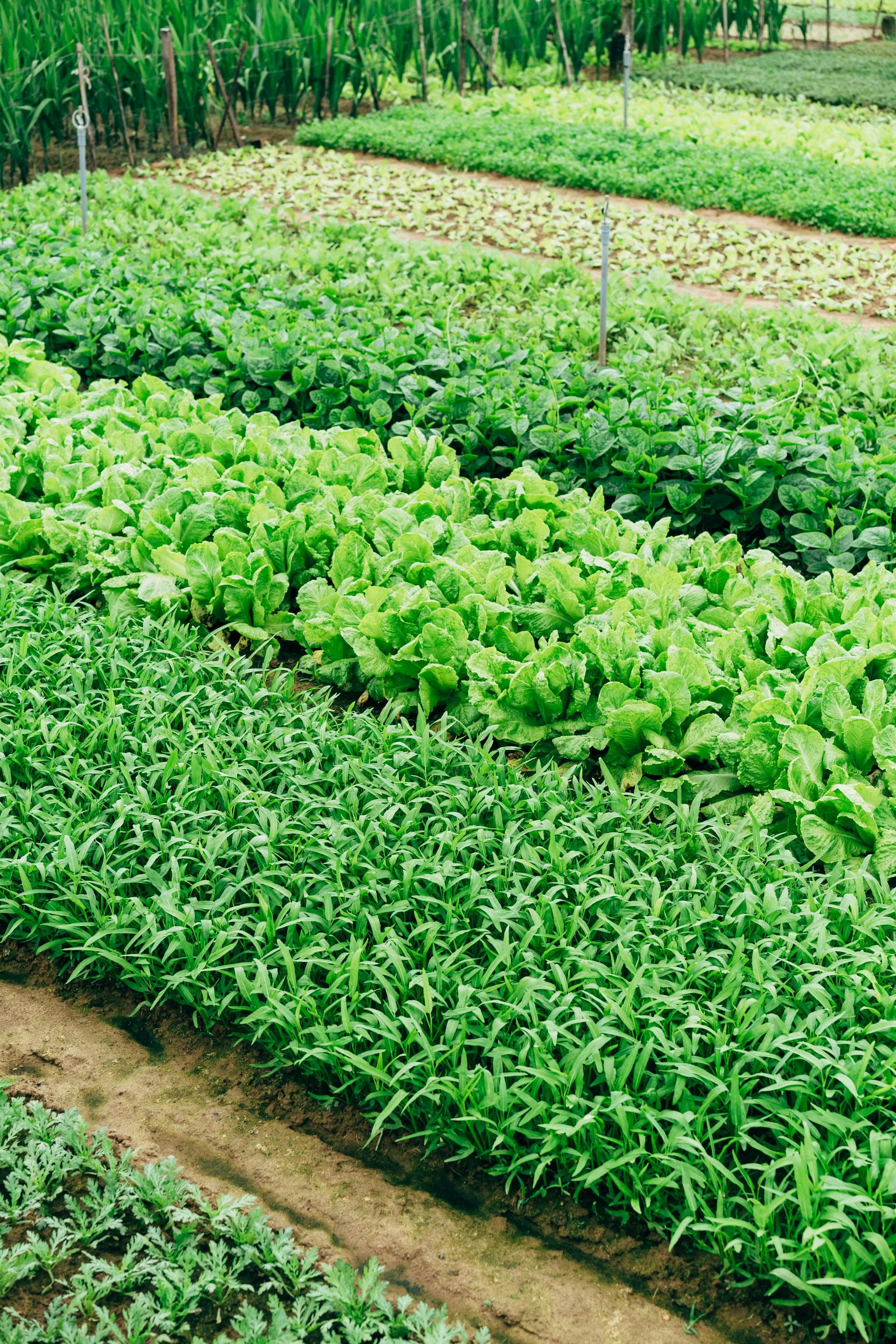
Kenya's agribusiness sector contributes significantly to the national economy, employing over 40% of the population and accounting for nearly a quarter of GDP. In response to land scarcity, climate variability, and growing demand for food, many farmers are turning to organic farming and sustainable practices. Organic farming now covers an increasing acreage, improving soil fertility through natural amendments and reducing chemical inputs.
Soil fertility challenges have historically limited crop yields, but adoption of soil testing and organic fertilizers is helping farmers optimize nutrient management. Additionally, innovations in controlled environment agriculture such as greenhouses and vertical farming are gaining traction, especially in urban and peri-urban areas where land is limited but demand is high.
According to Kenya’s Ministry of Agriculture, agribusiness growth is projected to increase with advancements in technology and sustainable farming techniques, positioning Kenya as a regional leader in eco-friendly food production.
Key Insights or Strategies

1. Harness Vertical Farming for Space and Resource Efficiency
Vertical farming enables stacking of multiple layers of crops indoors or in controlled environments, maximizing limited space.
- Choose fast-growing crops such as leafy greens, herbs, and strawberries that thrive indoors.
- Use hydroponic or aeroponic systems to grow without soil, reducing water usage by up to 90% compared to traditional methods.
- Implement energy-efficient LED lighting tailored to plant needs to optimize growth cycles.
2. Employ Soil Testing to Optimize Crop Nutrition
Understanding soil nutrient profiles allows precise fertilizer application, improving yields and reducing waste.
- Conduct comprehensive soil tests before planting to analyze pH, nitrogen, phosphorus, and potassium levels.
- Choose organic fertilizers suited to soil deficiencies to enhance fertility sustainably.
- Retest soil periodically to monitor changes and adjust nutrient management plans.
Boost your soil analysis efforts with the Premium Soil Test Kit – available on Amazon.
3. Install Efficient Drip Irrigation Systems
Drip irrigation delivers water directly to plant roots, reducing waste and promoting healthier crops.
- Select drip irrigation kits that suit farm size, such as the 50ft or 230ft systems with adjustable nozzles.
- Automate watering schedules using timers to ensure consistent moisture levels.
- Combine irrigation with fertigation to supply nutrients with irrigation water efficiently.
Consider the RAINPOINT Drip Irrigation System Kit – available on Amazon for reliable water management.
4. Utilise Greenhouses for Crop Protection and Year-Round Growth
Greenhouses create controlled climates that protect crops from pests and weather extremes, extending growing seasons.
- Choose small farm greenhouse kits made of polycarbonate or aluminum frames for durability.
- Use adjustable vents and shading screens to regulate temperature and humidity.
- Incorporate vertical farming setups within greenhouses to maximize space.
A good option is the 6x6FT Small Greenhouse Kit – available on Amazon.
Explore sustainable organic farming solutions with Biofarm Kenya
Case Studies, Examples, or Comparisons
Several Kenyan farmers have successfully adopted vertical farming and related technologies to increase their earnings. For example, an innovative farm in Nairobi has leveraged hydroponic vertical farming to produce leafy greens year-round, supplying local restaurants and supermarkets with high-quality produce. This method uses 70% less water and 90% less land compared to traditional farming, significantly cutting costs and environmental impact.
The Food and Agriculture Organization (FAO) supports such sustainable approaches, acknowledging that vertical farming and drip irrigation are key to increasing food production in urban areas with limited land availability. Similarly, Kenya's National Environment Management Authority (NEMA) encourages water-saving irrigation methods to protect natural resources.
Common Mistakes to Avoid
- Ignoring Soil Health: Failing to regularly test soil or relying heavily on chemical fertilizers depletes soil fertility long-term.
- Overwatering: Excessive irrigation leads to waterlogging, root diseases, and wasted resources.
- Poor Pest Management: Not using integrated pest management can cause crop losses and increase chemical exposure.
- Inadequate Climate Control in Greenhouses: Overheating or poor ventilation reduces crop yields.
- Neglecting Crop Diversity: Reliance on monoculture can increase vulnerability to pests and market fluctuations.
Expert Tips or Best Practices
To maximize profitability and sustainability in farming, Kenyan growers should:
- Combine vertical farming with organic nutrient management for robust plant health.
- Integrate soil testing kits such as the Yard Mastery Soil Test Kit to routinely monitor soil conditions.
- Adopt drip irrigation kits with automatic timers to conserve water while ensuring optimum hydration.
- Use organic compost starters like the Organic Compost Starter Mix to enrich soil naturally.
- Engage with Biofarm Kenya for expert guidance and access to sustainable products.
Explore sustainable organic farming solutions with Biofarm Kenya
Future Trends or Predictions
The future of farming in Kenya is poised for innovation. Smart irrigation systems incorporating sensors and AI will fine-tune water and nutrient delivery to crops. Vertical farming combined with renewable energy sources like solar panels will reduce operational costs and carbon footprint. Crop monitoring drones and AI analytics will enhance pest management and yield prediction accuracy. The urban farming movement is expected to expand, creating localized, fresh food sources near consumers.
Conclusion
Vertical farming represents one of the most profitable farming ideas in 2026 for Kenya, combining land-saving methods and sustainable practices to drive agri-business growth. By integrating organic nutrient management, soil testing, drip irrigation, and greenhouse technology, farmers can enhance productivity while preserving the environment. Using reliable tools and solutions, such as the Premium Soil Test Kit and the RAINPOINT Drip Irrigation System from Amazon, alongside resources from Biofarm Kenya, empowers farmers to succeed sustainably and profitably in the evolving agricultural landscape.
Discover trusted organic farming tools on Amazon and learn more about sustainable solutions with Biofarm Kenya.
FAQs
1. What makes vertical farming one of the most profitable farming ideas in 2026?
Vertical farming maximizes production per unit area, reduces water usage, and lowers dependence on arable land, making it profitable especially in urban and peri-urban Kenya. The method also enables year-round crop production. For more details see the FAO's report on vertical farming.
2. How can soil testing improve farm profitability?
Soil testing provides data on nutrient levels and pH, enabling farmers to apply the right type and amount of fertilizers, which optimizes crop growth and saves costs. The Kenya Bureau of Standards (KEBS) recommends regular soil testing for sustainable farming (KEBS official site).
3. What are the benefits of drip irrigation in Kenyan agriculture?
Drip irrigation conserves water by delivering it directly to roots, reduces weed growth, and improves nutrient application efficiency. NEMA encourages such water-saving technologies to protect Kenya’s water resources (NEMA).
4. Are greenhouse farming methods suitable for small-scale Kenyan farmers?
Yes, greenhouse kits for small farms are affordable and enable farmers to control environmental conditions, protect crops, and extend growing seasons, boosting yields considerably. Learn more from the Biofarm Kenya resources.
5. How does organic farming contribute to soil health in Kenya?
Organic farming practices use natural amendments to enhance soil fertility, improve biodiversity, and reduce harmful chemical residues, leading to healthier soils and sustainable crop production. FAO documents offer comprehensive guidance (FAO Organic Agriculture).
6. What are common mistakes to avoid in sustainable farming?
Common errors include ignoring soil tests, over-application of fertilizers, poor water management, and neglecting pest control. Correcting these can significantly improve yields and profitability. Biofarm Kenya provides expert advice to help farmers avoid these pitfalls (Biofarm Kenya tips).
References:
- FAO: Food and Agriculture Organization
- NEMA: National Environment Management Authority Kenya
- KEBS: Kenya Bureau of Standards
- Biofarm Kenya: https://biofarmkenya.link/partners
- Amazon Product Links as cited within the article


0 Comments