

Estimated Reading Time: 12 minutes
TL;DR: Discover how Kenyan farmers can significantly enhance soil health and efficiency with leguminous cover crops. Increase maize yields, reduce labor, and adopt best farming practices to combat erratic rainfall. Embrace sustainable solutions with practical insights and expert advice.
Key Takeaways:
Table of Contents:
Kenyan farmers are increasingly prioritizing soil health and labor efficiency amid erratic rainfall. This guide trains farmers to select and manage leguminous cover crops such as cowpeas and mucuna to break pest cycles, enhance nitrogen fixation, and reduce weeding time via mulch. Evidence from a 2025 KALRO study shows farms using cover crops saw 30% higher maize yields and 40% less labor for weeding compared to conventional fallow plots. Key steps include intercropping during off-seasons and using mechanical slasher tools for rapid biomass incorporation.
Background & Context
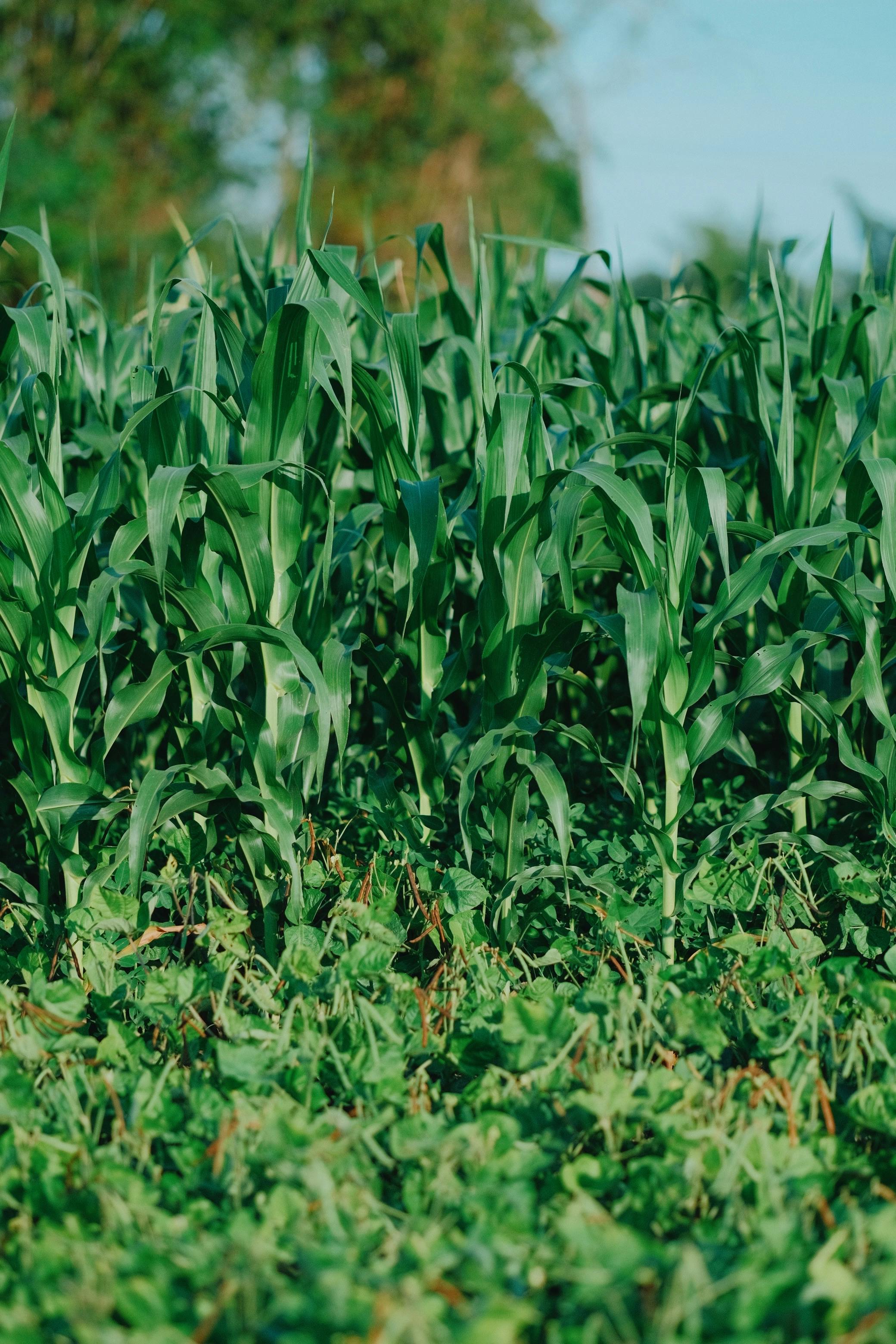
The shift towards sustainable agriculture in Kenya is gaining momentum as farmers recognize the importance of soil fertility and sustainable practices. Recent initiatives such as those by AGRA and the East Africa Vision 2050 emphasize conservation agriculture, agroforestry, and organic farming. These practices help in boosting agricultural productivity while ensuring ecological balance.
Read more about sustainable agriculture trends in East Africa at this informative resource.
Key Insights or Strategies
1. Selecting the Right Leguminous Cover Crops
Farmers should choose cover crops like cowpeas and mucuna, which enhance nitrogen fixation and improve soil health.
2. Reducing Labor Through Mulching
The use of mulch helps in reducing weeding labor significantly and maintains soil moisture.
For farmers seeking efficient irrigation, the Soil pH & Moisture Tester Kit – available on Amazon can optimize water usage.
Explore sustainable organic farming solutions with Biofarm KenyaCase Studies, Examples, or Comparisons
Jomo, a farmer from Eldoret, successfully integrated leguminous cover crops, improving his maize harvest by 30% in just one season. According to the Ministry of Agriculture, such practices have led to increased farm efficiencies and reduced environmental impacts.
Further details can be found in the report from Greenlife Agriculture.
Common Mistakes to Avoid
Expert Tips or Best Practices
Tip 1: Regular soil testing ensures nutrient balance and optimal plant health. Utilize tools like Rapitest Soil Test Kit to guide your amendments.
Tip 2: Mechanical slashers can aid in fast biomass incorporation, enhancing soil structure. Also visit Biofarm Kenya for sustainable tools.
Future Trends or Predictions
Looking forward, innovations such as smart irrigation systems and AI-driven crop monitoring are set to revolutionize Kenyan agriculture. The integration of vertical farming in urban areas is on the rise, promising sustainable solutions for food scarcity.
Conclusion
Embracing leguminous cover crops not only improves soil health but also elevates overall farm productivity. Kenyan farmers can significantly benefit from adopting these sustainable practices. Discover trusted organic farming tools on Amazon and learn more about sustainable solutions with Biofarm Kenya.
FAQs
Cover crops improve soil health, enhance nitrogen fixation, and help retain soil moisture. Learn more at FAO Crop Resources.How do I choose the right legume for my soil?
Conduct soil tests and consult with local agricultural experts for tailored advice. More details can be found at NEMA.What role does mulching play in farming?
Mulching helps in reducing weed growth, conserving moisture, and enhancing soil fertility. Explore effective strategies at Ministry of Agriculture.Can mechanical tools aid in faster incorporation of biomass?
Yes, tools like slashers can speed up biomass mixing into the soil, improving structure and nutrient distribution. Check local suppliers at Biofarm Kenya.How do drip irrigation systems work?
These systems deliver water directly to plant roots, optimizing water use and improving crop yields. Learn more at KEBS.What are the future trends in sustainable farming?
Emerging trends include AI in agriculture, vertical farming, and smart irrigation. Explore innovative solutions at F6S Companies in Kenya.


0 Comments