

Estimated Reading Time: 11 minutes
TL;DR: Vertical farming dominates as the most profitable farming idea in Kenya due to its efficiency, high yields, and sustainability. Innovations like hydroponics, aquaponics, and aeroponics use less water and land, making vertical farming ideal for urban and constrained spaces. Investment in technology and smart farming is transforming agriculture in Kenya with improved profitability and food security. Sustainable farming tools and solutions from Biofarm Kenya support smallholders to thrive in this new agricultural landscape.
Key Takeaways:
- Vertical farming offers up to 90% water savings and higher yields, critical for Kenya’s agricultural challenges.
- Hydroponics, aeroponics, and aquaponics drive smart horticulture, integrating fish farming for circular systems.
- Smart irrigation systems and soil testing kits improve resource efficiency and crop health in vertical farms.
- Urban vertical farming initiatives in Nairobi slums show successful models of poverty reduction and food security.
- Biofarm Kenya partners offer sustainable organic farming innovations and tools optimized for local farmers.
Table of Contents
Introduction
In Kenya’s evolving agricultural landscape, sustainable and profitable farming methods are critical for food security and rural livelihoods. Among emerging innovations, vertical farming dominates as the most profitable farming idea, transforming how farmers grow crops in urban and space-limited environments. This technology-driven approach integrates modern techniques like hydroponics, aquaponics, and aeroponics to maximize yield using minimal land and water. With Kenya's agriculture facing challenges including limited arable land, erratic weather, and resource scarcity, vertical farming offers a resilient, sustainable solution that empowers small and large-scale farmers alike.
Background & Context
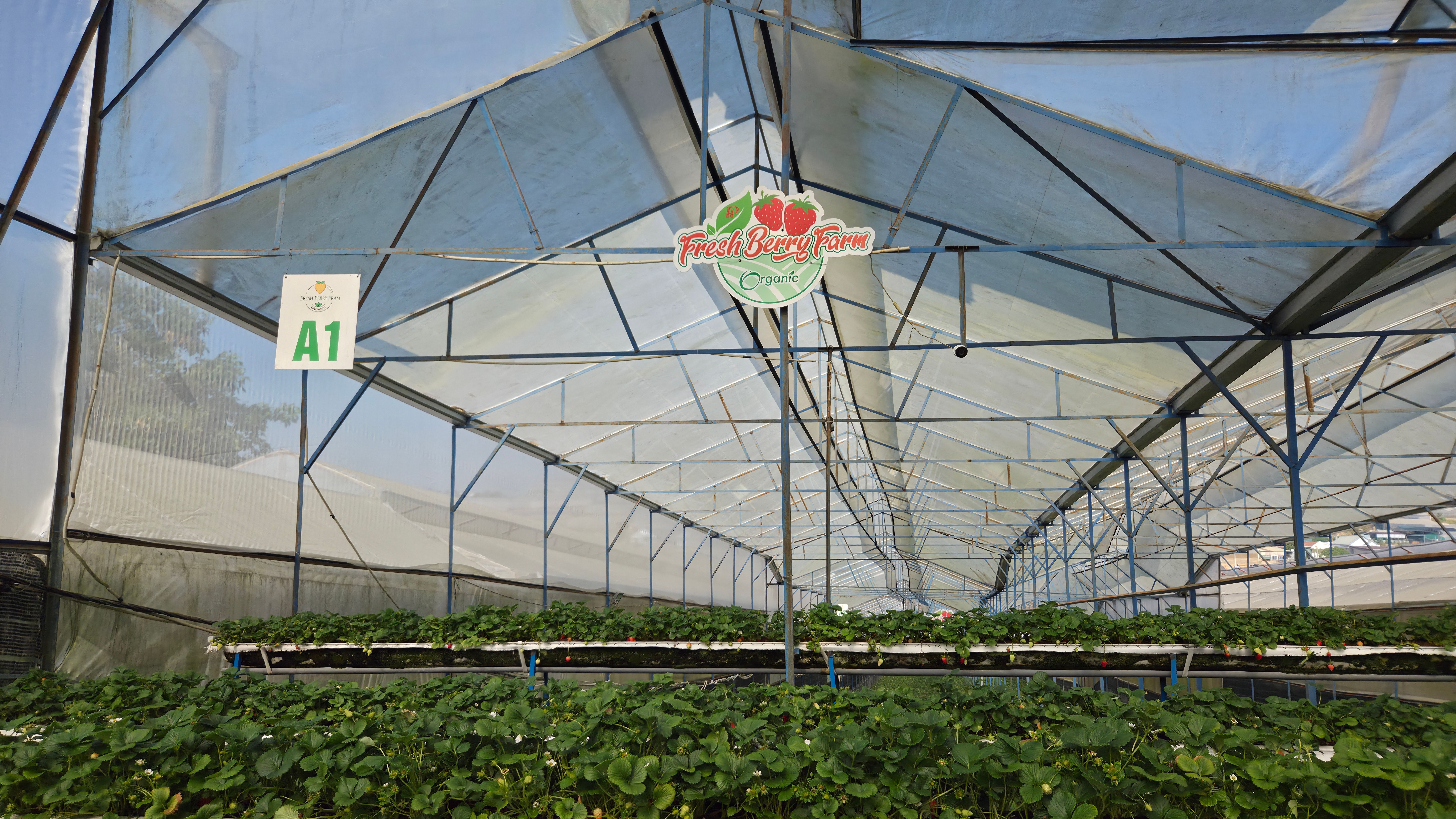
Kenya’s agricultural sector accounts for about 33% of its GDP and employs over 70% of the rural population, making it a backbone for the country’s economy and food security. Yet, traditional farming faces constraints, such as declining soil fertility, pressure on land resources, and climate variability.
Organic farming has gained momentum in Kenya, with increasing recognition of soil health and environmental sustainability. According to the Kenya National Bureau of Statistics (KNBS), the agribusiness sector, including organic and sustainable practices, has witnessed annual growth rates exceeding 5%. These numbers reflect a growing market demand for healthier produce and sustainable methods.
Key Insights or Strategies
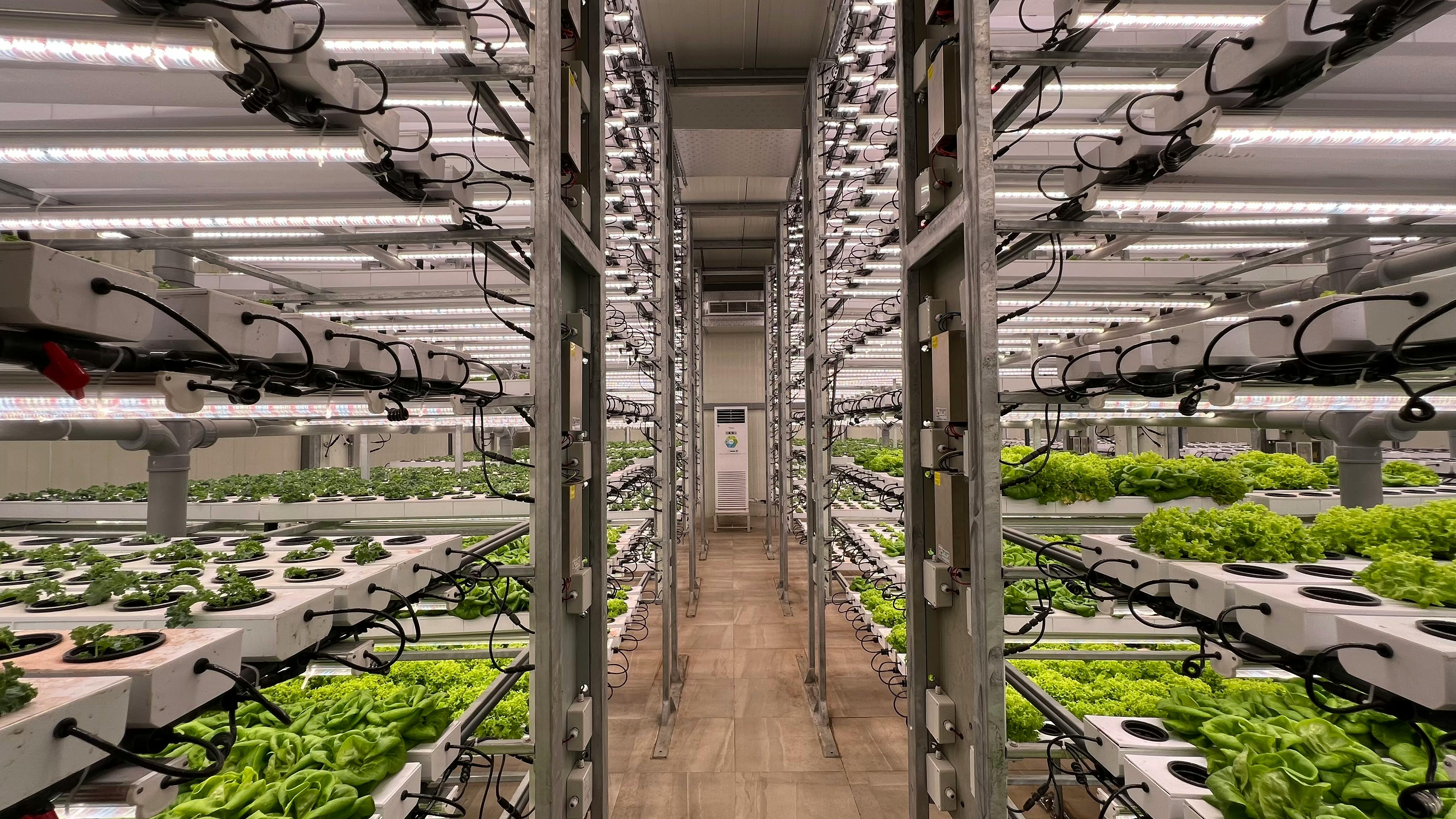
1. Embrace Hydroponics, Aeroponics, and Aquaponics for Efficient Production
Vertical farming leverages soil-less cultivation methods. Hydroponics uses nutrient-rich water solutions, aeroponics suspends roots in air mist, and aquaponics integrates fish farming with plant cultivation in a recirculating system.
- Set up vertical racks or towers fitted with suitable growing media and nutrient solutions.
- Use aquaponics to add value by producing both fish and vegetables in symbiosis.
- Monitor nutrient levels and water quality constantly with digital sensors to optimize growth.
Boost your yields with the Soil pH & Moisture Tester Kit – available on Amazon, which helps maintain ideal conditions for hydroponically grown crops.
2. Implement Smart Irrigation Systems to Maximize Water Use Efficiency
Water scarcity is a critical challenge in Kenya, making efficient irrigation essential. Drip irrigation systems deliver water directly to plant roots, minimizing waste, and are ideal for vertical farms.
- Install a drip irrigation kit tailored to vertical farm dimensions to ensure even watering.
- Automate irrigation schedules using timers and moisture sensors to reduce labor and water waste.
- Regularly check and adjust emitter flow rates to promote uniform growth.
For a reliable solution, consider the CARPATHEN Drip Irrigation System Kit – available on Amazon, designed for efficient watering in greenhouse and garden setups.
Explore sustainable organic farming solutions with Biofarm Kenya
Case Studies, Examples, or Comparisons
In Nairobi’s urban slums such as Kibera and Mathare, vertical farming techniques have empowered communities to fight poverty and food insecurity by turning cramped spaces into productive gardens through innovative sack and vertical gardening. Supported by local NGOs and government agricultural extension programs, these residents now supplement their diets and incomes sustainably.
One prominent initiative is Kenya's adoption of smart horticulture integrated with fish farming as reported by local agri-tech sources. This approach uses up to 90% less water than traditional farming and produces high-value crops year-round.
The Food and Agriculture Organization (FAO) of the United Nations notes that urban agriculture, particularly vertical farming, can significantly enhance food availability in densely populated cities while reducing environmental footprints.
Common Mistakes to Avoid
- Poor nutrient management: Avoid inconsistent nutrient levels in hydroponic systems by regular testing and balancing solutions.
- Overwatering or under-watering: Use moisture sensors to prevent water stress in plants.
- Ignoring pest and disease control: Even in vertical farms, pests may appear; adopt integrated pest management (IPM) practices.
- Improper light exposure: Ensure adequate artificial or natural lighting to meet crop demands.
- Neglecting soil or substrate health: Even in soil-less setups, keep growing mediums clean and replenished.
Expert Tips or Best Practices
To maximize success in vertical farming:
- Regularly monitor pH, moisture, and nutrient levels using reliable testing kits.
- Adopt organic compost solutions like Organic Compost Starter Mix to improve substrate health in hybrid systems.
- Leverage digital tools and apps recommended by agricultural experts to track crop growth and environmental conditions.
- Partner with local agri-innovators for continuous training and access to sustainable inputs.
To support your soil and nutrient management, the MySoil Soil Test Kit – available on Amazon is highly recommended for quick and accurate testing.
Explore sustainable organic farming solutions with Biofarm Kenya for expert guidance and resources tailored to your farming journey.
Future Trends or Predictions
The future of farming in Kenya is increasingly digital, smart, and vertical. Some promising trends include:
- AI-driven crop monitoring: Use of sensors, drones, and AI algorithms to monitor plant health and automate farming decisions.
- Smart irrigation: Integration of weather data and soil sensors to optimize water use in real-time.
- Expanded vertical farming infrastructure: Greenhouses and multi-story farms integrated into urban housing and commercial buildings.
- Community-led urban farming: Scale-up of vertical farming in city slums for food sovereignty and entrepreneurship.
These innovations are expected to significantly boost Kenya's agricultural productivity, reduce dependence on rain-fed systems, and improve smallholder incomes.
Conclusion
Vertical farming stands out as Kenya’s most profitable farming idea, delivering impressive returns by conserving resources and producing diverse crops year-round. Through the strategic adoption of hydroponics, aeroponics, aquaponics, and smart irrigation, farmers can future-proof their operations while contributing to national food security.
Farmers can discover trusted organic farming tools on Amazon to improve their systems, while simultaneously gaining expert support and sustainable solutions by learning more with Biofarm Kenya.
FAQs
1. What is vertical farming and why is it important for Kenya?
Vertical farming is a method of growing crops in stacked layers using controlled environments, often with hydroponics or aeroponics. It’s important for Kenya because it addresses land scarcity, water constraints, and rising food demand in urban areas. According to the FAO, vertical farming can significantly improve urban food security and reduce environmental impact. (FAO Urban Agriculture)
2. How does vertical farming save water compared to traditional farming?
Vertical farming uses recirculating water systems and precise irrigation like drip irrigation to reduce water usage by up to 90% versus traditional soil farming. This is critical in Kenya where water scarcity affects agricultural productivity. The Israel Trade Office in Kenya highlights these water-saving benefits. (Israel Trade Office Kenya)
3. What are common mistakes to avoid in vertical farming?
Common mistakes include poor nutrient balance, lack of moisture control, ignoring pest management, inadequate lighting, and neglecting growing media health. The Ministry of Agriculture in Kenya recommends regular monitoring and integrated pest management (IPM) to maintain plant health. (Kenya Ministry of Agriculture)
4. Can small-scale farmers in Kenya benefit from vertical farming?
Yes, vertical farming is scalable and can be adapted for smallholder farmers, especially in urban and peri-urban areas. Case studies in Nairobi’s slums show how sack and vertical gardens improve incomes and food availability. Biofarm Kenya supports smallholders by offering training and sustainable input solutions. (Biofarm Kenya)
5. What are the best tools for soil and nutrient testing in vertical farming?
Reliable soil and moisture testers like the Rapitest kit or MySoil Soil Test Kit provide vital data to optimize nutrient delivery. These kits are available through Amazon and recommended by Kenyan agricultural experts for accuracy and ease of use. (Kenya Bureau of Standards (KEBS))
6. How does aquaponics fit into vertical farming in Kenya?
Aquaponics combines fish farming with hydroponics, using fish waste as nutrients for plants. This circular system saves water and space while producing both vegetables and fish. It is gaining popularity in Kenya as a smart horticultural innovation. (Source: FAO Aquaculture)
Related Links:
- FAO Urban Agriculture
- Israel Trade Office Kenya - Vertical Farming
- Kenya Ministry of Agriculture
- Biofarm Kenya
- Kenya Bureau of Standards (KEBS)
- FAO Aquaculture
Internal Biofarm Kenya Links Related to this Article:
- Explore sustainable organic farming solutions with Biofarm Kenya
- Biofarm Kenya resource hub for vertical farming support
- Training and innovations in smart agriculture by Biofarm Kenya
- Organic inputs and tools recommended by Biofarm Kenya
- Biofarm Kenya's partnerships for sustainable farming growth
- Community-driven urban farming initiatives in Kenya


0 Comments