

Estimated Reading Time: 9 minutes
TL;DR:
- Vertical farming revolutionizes agricultural industry with 30% higher yields by optimizing space and resource use.
- Kenya’s vertical farming integrates hydroponics, aquaponics, and advanced technology to address food security challenges sustainably.
- Smart drip irrigation and soil testing enhance vertical farm productivity and resource efficiency in urban and peri-urban Kenyan settings.
- Successful Kenyan urban vertical farming projects demonstrate poverty alleviation and food security benefits in densely populated areas.
- Future trends focus on AI-driven crop monitoring and eco-innovations to upscale vertical farming’s impact in East Africa.
Introduction
Sustainable agriculture in Kenya is evolving rapidly as new technologies and approaches address critical challenges of food security and land scarcity. One such breakthrough is the vertical farming revolutionizes agricultural industry with 30% higher yields approach, which transforms farming by stacking crops in controlled environments to maximize yield per square meter. This innovative method is gaining traction in Kenya's urban and peri-urban areas, integrating smart technologies to optimize resource use and unlock higher productivity while nurturing environmental sustainability. With the country's agriculture sector central to livelihoods and growth, vertical farming offers a promising pathway to boost yields and resilience against climate changes.
Background & Context
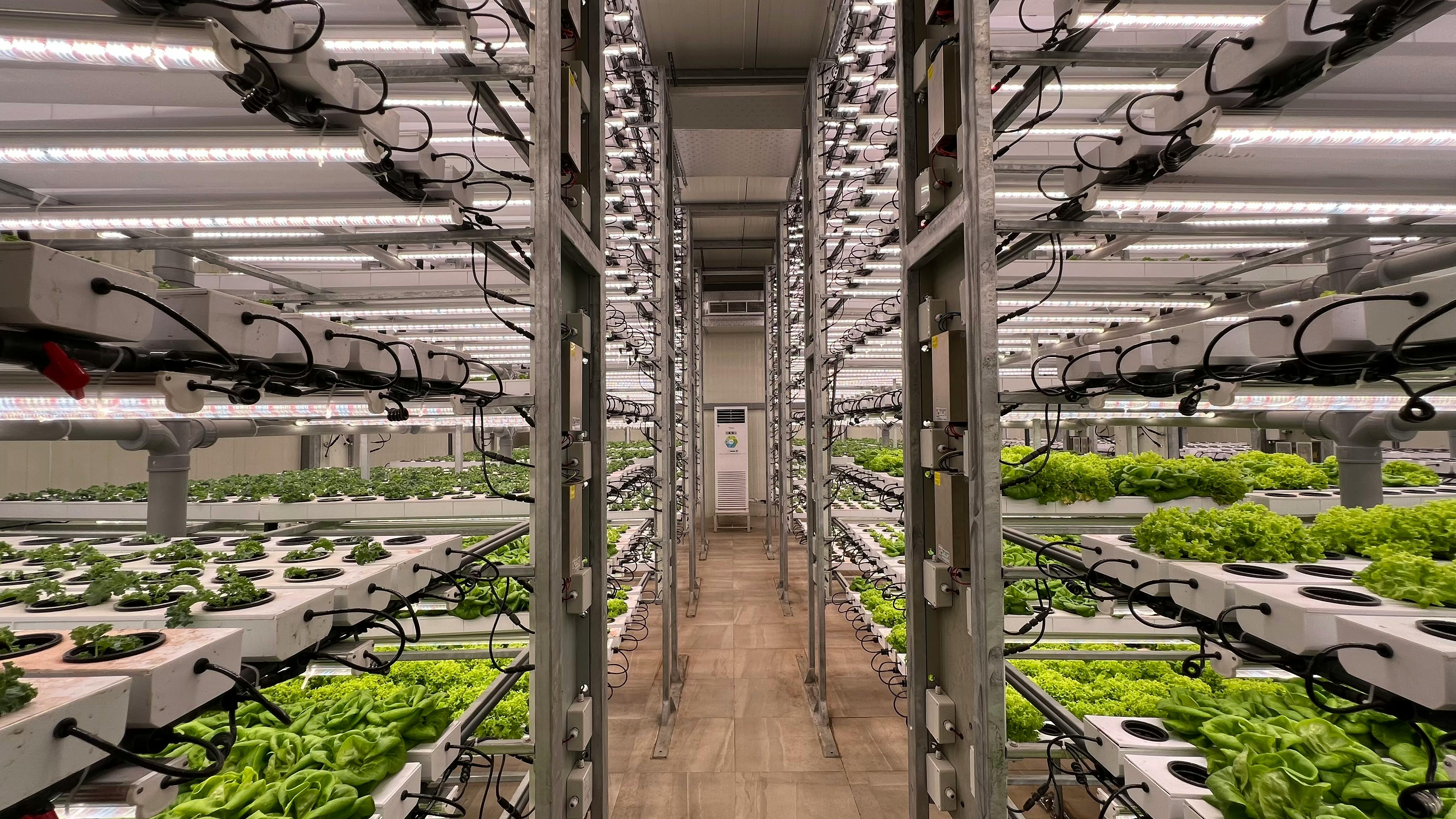
Kenya’s agriculture remains the backbone of its economy, supporting over 70% of the population. However, traditional farming faces constraints from fragmented land, declining soil fertility, and erratic rainfall patterns exacerbated by climate change. Organic farming practices have grown to improve soil health and reduce chemical use, but land limitations remain a major bottleneck to scaling production sustainably. In response, vertical farming—growing plants in vertically stacked layers—has emerged as a solution that uses 70-90% less water and requires less land, enabling urban farmers to produce more fresh vegetables and fruits locally.
Recent data shows Kenya’s agribusiness sector is growing at about 6% annually, with a rising demand for sustainable, organic produce. This opens opportunities for modern farming models, including vertical and controlled environment agriculture that can help Kenyan farmers produce more with less land and natural resources. As urban populations expand, food security challenges intensify, making innovations like vertical farming essential for Kenya’s agricultural transformation.
Key Insights or Strategies

1. Integrate Hydroponics and Aquaponics for Efficient Crop Production
- Set up vertical layers with nutrient-rich water systems instead of soil to enhance growth and nutrient uptake.
- Combine fish farming (aquaponics) with plant production, recycling fish waste as plant fertilizer, which improves sustainability.
- Use controlled environment technologies like LED grow lights and climate regulation to boost year-round production.
This system uses up to 90% less water than traditional fields and achieves faster growth rates, increasing yields by approximately 30%. Besides water savings, nutrient cycling reduces dependency on chemical fertilizers and pesticide use.
2. Employ Smart Drip Irrigation Systems
- Install drip irrigation kits to deliver precise water quantities directly to plant roots, reducing wastage.
- Incorporate timers and moisture sensors to automate watering schedules matching crop needs.
- Regularly monitor and adjust irrigation based on plant growth stage and weather changes.
Drip irrigation supports vertical farms’ high-density planting by ensuring consistent hydration with minimal evaporation. For farmers seeking a reliable watering solution, consider the Raindrip R560DP Drip Watering System – available on Amazon.
3. Regular Soil and Water Quality Testing
- Conduct initial soil testing to determine pH, nutrient levels, and contaminant presence before planting.
- Use portable soil test kits periodically to adjust organic fertilizer and nutrient mixes appropriately.
- Test water quality frequently to avoid buildup of salts or pathogens harmful to plants in hydroponic systems.
Maintaining optimal soil and water conditions maximizes plant health and yield. To assist in timely testing, the MySoil Soil Test Kit – available on Amazon is a practical tool.
Explore sustainable organic farming solutions with Biofarm Kenya to access expert guidance and resources tailored for Kenyan farmers aiming to implement vertical farming.
Case Studies, Examples, or Comparisons
In Nairobi’s high-density slums like Kibera and Mathare, vertical farming has been a beacon of hope, enabling residents with limited space to grow nutritious vegetables using sack gardening and vertical garden walls. Supported by local NGOs and government agricultural programs, over a thousand urban farmers have adopted these techniques to improve income and household food security. This model addresses land constraints, reduces hunger, and offers a scalable blueprint for other African urban centers facing similar rapid urbanization challenges (The Borgen Project, 2023).
In Murang’a County, commercial vertical farming projects combine hydroponics with solar-powered climate control systems, achieving up to 30% higher yields compared to conventional open-field farming. The Ministry of Agriculture supports these ventures as part of Kenya’s national agenda on food security and sustainability (Royal Seedlings, 2023).
Such success stories underline vertical farming’s role as a sustainable agricultural revolution capable of transforming Kenya’s farming landscape.
Common Mistakes to Avoid
- Poor Water Management: Overwatering or neglecting precise drip irrigation schedules can cause root diseases or nutrient leaching.
- Ignoring Nutrient Balances: In hydroponic systems, improper nutrient mixes lead to stunted growth. Regular soil and water testing is essential.
- Neglecting Pest and Disease Monitoring: High-density planting increases risk; integrated pest management should be practiced.
- Insufficient Lighting: Lack of adequate artificial or natural light in stacked farms reduces photosynthesis and yield.
- Inadequate Temperature Control: Vertical farms need consistent climate regulation; fluctuations stress plants and reduce output.
Expert Tips or Best Practices
For Kenyan farmers venturing into vertical farming, leverage local organic inputs to enrich your growing media and reduce chemical dependence. Compost and organic starter mixes can rejuvenate soil fertility sustainably.
Maintain healthy soil with the Organic Compost Starter Mix – available on Amazon, which boosts soil microbiota and improves nutrient cycling.
Also, consider drip irrigation to optimize water use and reduce labor. Start small with kits like the Raindrip drip watering system before scaling.
Tap into expert resources and training available at Biofarm Kenya. Explore sustainable organic farming solutions with Biofarm Kenya for tailored advice and supply of trustworthy farming inputs.
Future Trends or Predictions
Kenya’s vertical farming future is bright with emerging technologies such as AI-driven sensors for real-time crop monitoring and automated climate control, enhancing precision agriculture. Smart irrigation systems integrating IoT devices will further conserve water and optimize growth conditions.
Urban farm models will increasingly blend aquaponics, solar energy, and recycled waste systems to create circular farming ecosystems, reducing environmental impact. Moreover, government initiatives and private sector investments are poised to upscale vertical farming as a mainstream agricultural practice supporting Kenya’s food security ambitions.
Conclusion
The vertical farming revolutionizes agricultural industry with 30% higher yields and offers Kenyan farmers a sustainable, resource-efficient means to enhance food production despite land and climate constraints. By adopting key strategies such as hydroponic systems, smart drip irrigation, and regular soil testing, producers can maximize vegetable and fruit yields while conserving water and fostering organic practices.
Discover trusted organic farming tools on Amazon and learn more about sustainable solutions with Biofarm Kenya.
FAQs
1. What is vertical farming and how does it differ from traditional farming?
Vertical farming is the practice of growing crops in vertically stacked layers or controlled environments such as greenhouses, using soil-less techniques like hydroponics or aeroponics. Unlike traditional farming on open fields, vertical farming maximizes production per unit area and reduces water use significantly. Learn more at FAO.
2. How does vertical farming help address food security in Kenya?
Vertical farming helps by increasing urban food production in limited spaces, reducing dependence on unpredictable weather, conserving water, and enabling year-round vegetable and fruit supply. This supports food availability and nutrition in densely populated areas. Kenya’s Ministry of Agriculture highlights these benefits in reports accessible at Kenya Ministry of Agriculture.
3. What technologies are commonly used in Kenyan vertical farms?
Kenyan vertical farms typically use hydroponics, aquaponics (integration of fish farming), LED artificial lighting, climate control systems, smart drip irrigation, and digital monitoring tools. These optimize growth conditions and resource use. Biofarm Kenya provides local support for these technologies: Biofarm Kenya.
4. Are there environmental benefits to vertical farming?
Yes. Vertical farming reduces water consumption by up to 90%, lowers land use by growing upward, minimizes pesticide use, and can eliminate soil erosion. Controlled environments reduce contamination risks. For further environmental context, visit NEMA Kenya.
5. How can farmers start vertical farming on a small scale in Kenya?
Farmers should begin by learning hydroponic systems, invest in small drip irrigation kits, test soil and water quality regularly, and use organic fertilizers. Resources and training can be accessed through Kenyan agricultural extension services and Biofarm Kenya: Biofarm Kenya.
6. Where can I buy quality farming supplies for vertical farming in Kenya?
Trusted suppliers are available online, including international platforms like Amazon offering soil test kits, organic fertilizers, and irrigation systems with shipping options. Locally, Biofarm Kenya partners provide sustainable organic farming products and expert advice: Biofarm Kenya.


0 Comments